
You might have heard the word “skimo” floating around lift lines or social media lately. Maybe you saw a clip of athletes in spandex racing up a mountain, or perhaps a friend mentioned they bought a “skimo setup” instead of regular alpine gear. If you are confused, you are not alone.
Until recently, skimo was a niche activity mostly found in Europe. Now, it is gaining popularity globally, especially with its upcoming debut in the Winter Olympics. But despite the buzz, many people still find the concept intimidating. The good news? It isn’t nearly as complicated as it sounds.
This guide breaks down exactly what skimo is, where it came from, and why it might be the winter activity you have been looking for. We will skip the technical jargon and focus on the basics to help you understand this growing sport.
What Skimo Actually Stands For
“Skimo” is short for ski mountaineering. While the name sounds intense—conjuring images of hanging off cliffs with ice axes—the core concept is actually quite simple. Skimo is the sport of moving efficiently through the mountains on skis, using your own power to go both uphill and downhill.
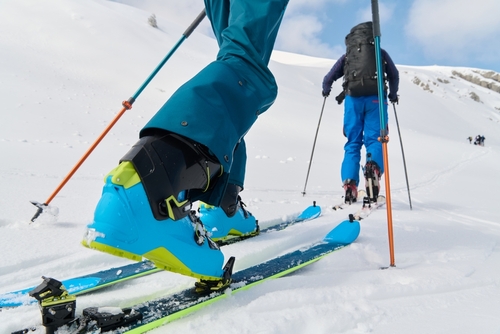
Unlike alpine skiing, where a chairlift takes you up and gravity brings you down, skimo requires you to earn your turns. You attach “skins” (fabric strips that grip the snow) to the bottom of your skis to walk uphill. When you reach the top, you peel the skins off, lock your bindings, and ski down.
How it differs from other skiing styles
To really understand skimo, it helps to see how it compares to other forms of skiing:
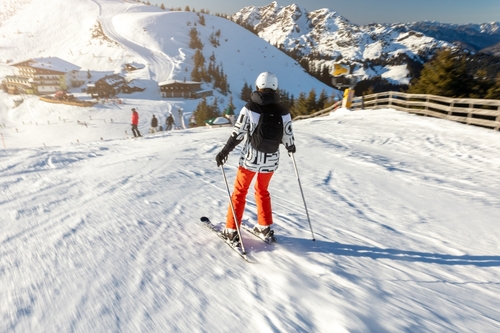
- Alpine Skiing: This is resort skiing. You use heavy gear, ride lifts, and focus almost entirely on the downhill descent.
- Cross-Country Skiing: This takes place on flat or rolling terrain, usually on groomed tracks. The gear is very light, but it isn’t designed for steep mountain descents.
- Traditional Backcountry Skiing: This is similar to skimo because you walk uphill to ski downhill. However, backcountry skiers often prioritize finding the best powder and enjoying the descent. Skimo focuses heavily on the fitness and speed of the ascent.
Think of it this way: if alpine skiing is downhill mountain biking, skimo is like trail running or road cycling. The goal is efficiency, endurance, and covering ground.
Where Skimo Came From
Ski mountaineering has deep roots in European mountain culture, particularly in the Alps. Originally, it wasn’t a sport at all. It was a necessity. Before chairlifts and plowed roads, people needed a way to travel between villages, patrol borders, or perform mountain rescues during deep winters.
Military units in countries like Italy, France, and Switzerland developed specialized equipment to move troops quickly through snowy, high-altitude terrain. Over time, these practical skills evolved into friendly rivalries, and eventually, organized races.
While Europe has hosted skimo races for decades, it took a long time for the sport to reach mainstream awareness in North America and other parts of the world. For years, it remained a fringe activity for elite alpinists. Today, as more people look for winter fitness alternatives away from crowded resorts, skimo is finally having its moment.
Skimo as an Olympic Sport
The biggest reason skimo is suddenly in the spotlight is its inclusion in the upcoming Winter Olympics. This is a massive milestone for the sport.
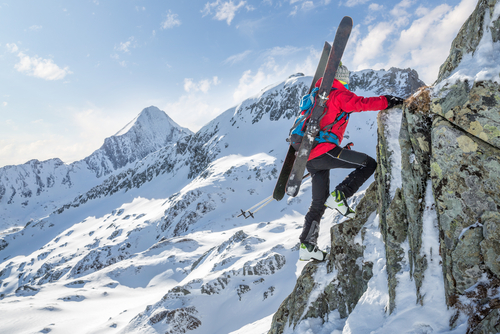
In the Olympics, you will see athletes racing over a course that includes steep climbs, technical descents, and sections where they must attach skis to their backpacks and run on foot. It is fast-paced and physically demanding.
However, it is important to know that Olympic skimo is the most extreme version of the sport. The athletes wear ultralight spandex suits and use gear that weighs almost nothing. While exciting to watch, this competitive version is very different from how most recreational skiers experience the sport.
What Skimo Looks Like in Real Life
For the average person, a day of skimo looks much more relaxed than an Olympic race. It is less about sprinting and more about finding a rhythm.
A typical outing starts at a trailhead or the base of a ski resort (many resorts now allow uphill travel). You start by “skinning” up the slope. This is the workout portion of the day. You focus on efficient movement, keeping your heart rate up, and enjoying the quiet of the mountain.
The uphill portion surprises many alpine skiers because it takes up about 80% to 90% of the time. The downhill run is the reward, but it isn’t the only goal.
One unique element of skimo is the “transition.” This is the moment you switch from uphill mode to downhill mode. You rip off your skins, adjust your boots, and step into your bindings. In a race, this takes seconds. In a recreational setting, it is a chance to grab a snack, drink water, and take in the view before skiing down.
Skimo Gear Explained
If you walk into a ski shop, you might notice skimo gear looks different than standard equipment. It is designed to be minimal and lightweight because every ounce counts when you are climbing thousands of feet.
Here is a simple breakdown of the essential gear:
- Lightweight Skis: These are narrower and significantly lighter than resort skis. This reduces drag when you are dragging them uphill.
- Tech Bindings: Instead of a heavy plastic binding, skimo uses a minimalist system with two metal pins that hold the toe of your boot. This allows your heel to move freely while walking.
- Skins: These are adhesive strips made of nylon or mohair that stick to the base of your skis. The fibers glide forward but grip when you push back, preventing you from sliding down the hill.
- Boots: Skimo boots look like ski boots but function like hiking boots. They have a massive range of motion in “walk mode,” allowing your ankle to flex naturally as you climb.
While the specialized gear is effective, it can be an investment. If you are just starting, you do not need the lightest, most expensive race gear. Many shops offer rental packages that strike a balance between weight and performance.
Who Skimo Is For (And Who It Isn’t)
You do not need to be an elite athlete to enjoy skimo, but it does appeal to a specific type of person.
You will likely enjoy skimo if:
- You enjoy endurance sports like running, cycling, or hiking.
- You want a winter workout that doesn’t involve sitting on a chairlift.
- You enjoy the solitude of the mountains away from crowds.
- You like tracking fitness stats like vertical feet climbed or heart rate.
You might find it challenging initially if:
- You view skiing solely as a gravity sport and dislike moving uphill.
- You are not comfortable skiing on variable snow conditions (since skimo skis are lighter and harder to control than heavy resort skis).
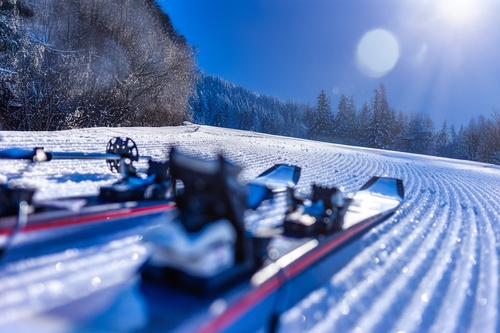
Common misconceptions often scare people away. You do not need to ski extreme cliffs to do skimo. In fact, many people practice skimo entirely within the boundaries of ski resorts on groomed runs (often called “fitness skinning”). It is a safe, controlled environment to get a great workout.
Skimo vs. Backcountry Skiing
This is the most common area of confusion. Skimo and backcountry skiing happen in similar environments, but the mindset is different.
Backcountry skiing is usually destination-focused. The goal is to get to a specific peak or powder field to ski a specific line. The gear is heavier to make the descent more fun and stable.
Skimo is travel-focused. The goal is often the workout or the speed of travel itself. A skimo skier might climb the same lap three times in a row for training, whereas a backcountry skier moves to find fresh snow.
However, the lines are blurring. Many people start with skimo for fitness and realize the light gear allows them to explore deeper into the backcountry with less fatigue. It is a practical choice for covering long distances.
Why Mountain Towns Like Jasper Care About Skimo
In places with long winters, like Jasper, skimo is more than a sport—it is a way of life. When the roads are snowy and the trails are buried, skimo becomes the winter equivalent of summer hiking.
For locals, it offers a way to access the landscape when the hiking boots are put away. For visitors, it provides a different perspective of the national park. Instead of seeing the mountains from a car or a lift, you experience the scale of the landscape step by step. It connects you deeply to the environment.
The silence of climbing a snowy track in the early morning creates a sense of peace that is hard to find in a busy ski resort. It turns winter from a season to endure into a season to explore.
Should You Try Skimo?
If you are curious, the barrier to entry is lower than you think. You do not need to buy a full setup immediately.
Ask yourself:
- Am I looking for a new fitness challenge?
- Do I want to extend my ski season or ski outside of resort hours?
- Am I willing to work hard for my turns?
If the answer is yes, look for a local shop that rents touring or skimo gear. Many ski resorts now offer “uphill tickets” which are much cheaper than lift tickets, allowing you to practice on safe, groomed terrain. Taking an introductory course or hiring a guide for a day is the safest way to learn how the bindings work and how to apply skins effectively.
You don’t have to identify as a “skimo racer” to try it. Many people discover it by accident—looking for a way to walk the dog in the snow or get a quick workout before work—and end up falling in love with the rhythm of the climb.
Why Skimo Is Suddenly on Everyone’s Radar
Skimo feels new to many of us, but it is simply a modern return to the oldest way of skiing. It combines the fitness of running, the technical skill of skiing, and the adventure of mountaineering into one package.
The Olympics will certainly shine a spotlight on the elite side of the sport, but the real story is happening on local hills and skin tracks. Skimo bridges the gap between sport and travel. It makes the mountains accessible in a new way. Whether you want to race the clock or just watch the sunrise from a quiet peak, skimo offers a path to get there.
Frequently Asked Questions
Is skimo dangerous?
Like any mountain sport, there are risks, but they depend on where you go. If you venture into the backcountry, you need avalanche safety knowledge and equipment.
Do I have to be an expert skier to try skimo?
You should be a competent intermediate skier. The gear is lighter and can be “chattery” on the way down, so you need to be comfortable controlling your speed. However, you do not need to be an expert racer.
Can I use my regular ski boots for skimo?
Generally, no. Regular alpine boots are heavy and do not have the range of motion needed for walking uphill comfortably. Skimo bindings also require specific inserts in the toe of the boot that standard alpine boots lack.