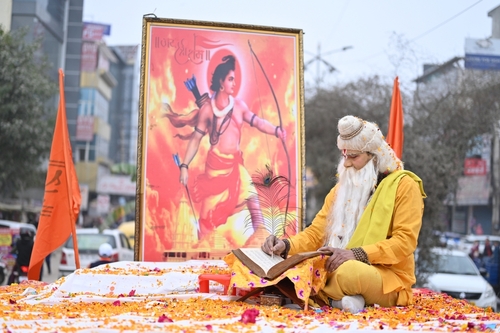

Imagine walking past a temple adorned with vibrant marigolds and fresh mango leaves, the air thick with the scent of incense and the sound of devotional chants. Inside, families gather with folded hands, their faces glowing with reverence and anticipation. This scene plays out across India and around the world every year as millions come together to celebrate Ram Navami, one of the most auspicious days in the Hindu calendar.
Ram Navami 2026 is more than just a date on the calendar; it is a profound spiritual celebration of dharma (righteousness) and divine virtue. It marks the birth of Lord Rama, the seventh avatar of Lord Vishnu, whose life story continues to inspire countless people. Whether you are celebrating in a bustling city in India or observing quiet rituals in your home abroad, this festival offers a chance to reflect on timeless values like courage, duty, and compassion.
For many, this day serves as a spiritual reset—a moment to reconnect with tradition and find peace in devotion. If you are planning to observe Ram Navami in 2026, understanding its significance and rituals can help you celebrate with greater meaning. From the auspicious timing of the puja to the stories that define Lord Rama’s legacy, here is everything you need to know about honoring this special day.
What Is Ram Navami?
Ram Navami is a major Hindu festival that commemorates the birth of Lord Rama. In Hindu theology, Lord Rama is the seventh incarnation of Lord Vishnu, the preserver of the universe. He is revered not just as a deity but as the embodiment of virtue, duty, courage, and compassion. His life is seen as a guide for how to live righteously, even in the face of great adversity.
The festival falls on the ninth day (Navami) of the bright half (Shukla Paksha) of the lunar month of Chaitra. This usually places the celebration in March or early April on the Gregorian calendar. It marks the culmination of Chaitra Navratri, a nine-day period dedicated to the divine feminine, ending with the celebration of Rama’s birth.
When It Happens in 2026
Mark your calendars: Ram Navami 2026 will be celebrated on Thursday, March 26, 2026.
The Navami tithi (the specific lunar phase) begins on the morning of March 26 and continues into the next day. However, the most significant rituals typically take place during the Madhyahna period—the midday hours when Lord Rama is believed to have been born. For 2026, the auspicious time for puja is generally between 11:13 AM and 1:41 PM local time. Devotees often plan their prayers and offerings around this specific window to maximize spiritual benefits.
Historical & Spiritual Significance
The story of Lord Rama’s birth is legendary. He was born to King Dasharatha and Queen Kaushalya in the kingdom of Ayodhya after a sacred sacrificial rite was performed to bless the king with an heir. From his early days as a prince to his reign as a king, Rama’s journey was defined by his adherence to truth and righteousness.
Lord Rama is often called Maryada Purushottam, which translates to “the perfect man.” His life was not free of struggle; he faced exile, the kidnapping of his wife Sita, and a great war against the demon king Ravana. Yet, through every challenge, he upheld his duty (dharma) over his personal desires. His victory over Ravana symbolizes the triumph of righteousness over evil (adharma), a core theme of the festival.
Ram Navami also has a deep connection to Chaitra Navratri. While Navratri honors the Goddess Durga, the final day celebrates Rama, linking the power of the divine feminine with the righteous action of the divine masculine. It is a powerful reminder of balance in the universe.
How Ram Navami Is Observed
Celebrations vary from region to region, but the core spirit of devotion remains the same. Here are the key ways devotees observe this holy day.
Fasting & Devotion
Many people choose to fast (vrat) on Ram Navami as a sign of physical and mental discipline. The fast can range from abstaining from all food and water to eating only fruit, milk, or simple satvik meals (foods that are pure and light). Fasting is often accompanied by the chanting of mantras, such as “Shri Ram Jai Ram Jai Jai Ram,” helping devotees focus their minds on the divine.
Puja & Prayers
The central ritual of the day involves worshiping Lord Rama. Devotees decorate home altars or idols of Rama, his wife Sita, his brother Lakshmana, and his devoted companion Hanuman. Offerings typically include flowers, tulsi (holy basil) leaves, fruits, and sweets. The highlight is often the aarti, a ritual of waving lighted lamps before the deity, performed during the auspicious midday hours.
Temple Visits & Bhajans
Temples dedicated to Lord Rama see massive crowds on this day. The atmosphere is electric with the sound of bhajans (devotional songs) and the reading of scriptures. In some places, elaborate Rath Yatras (chariot processions) are held, where statues of the deities are paraded through the streets for public viewing and worship.
Reading Scripture
Reading or listening to the holy scriptures is a common practice. Many devotees recite passages from the Ramayana or Tulsidas’s Ramcharitmanas. Some may choose to read the Sunderkand, a specific chapter that highlights the adventures of Hanuman and his devotion to Rama. These readings are often done individually at home or in community gatherings.
Charity and Community
Compassion is a key virtue of Lord Rama, and devotees reflect this by engaging in charitable acts. Annadaan, the donation of food to the needy, is a popular way to earn merit and serve the community during the festival.
Regional & Cultural Highlights
While the essence of Ram Navami is universal, local traditions add unique flavors to the celebration.
- Ayodhya (Uttar Pradesh): As the birthplace of Lord Rama, Ayodhya is the epicenter of the festivities. Thousands of pilgrims flock here to bathe in the sacred Sarayu River and visit the grand temples.
- South India: In many southern states, temples perform the Sita Rama Kalyanotsavam, a ceremonial wedding of Lord Rama and Goddess Sita. This is a joyous occasion often followed by community feasts.
- Other Regions: Across India, you might see dramatic performances called Ram Leela, which reenact scenes from Rama’s life. Processions, music, and local fairs often weave cultural heritage with spiritual observance.
Symbolism & Life Lessons
Ram Navami is more than just a birthday party for a deity. It serves as an annual reminder of the values that Lord Rama represents: integrity, courage, loyalty, and familial love.
In a world that can often feel chaotic, Rama’s example teaches us the importance of staying true to our principles. The festival encourages self-reflection. It asks us to look inward and consider how we can uphold truth and compassion in our own daily lives, just as Rama did.
How to Observe Ram Navami in 2026
You don’t need to be in a grand temple to celebrate meaningfully. Here is how you can observe the day, wherever you are.
- At Home: Clean your prayer space and decorate it simply with flowers. Plan to perform your puja during the midday auspicious time (around 11:13 AM to 1:41 PM). Recite simple prayers or read a chapter from the Ramayana.
- With Family: Involve your family by sharing stories of Lord Rama’s life. Prepare a simple prasad (offering) of sweets or fruits to share. Encouraging children to participate in chants or storytelling keeps the tradition alive.
- In Community: If possible, visit a local temple or join a community event. Participating in a bhajan session or a charity drive is a wonderful way to connect with others spiritually and socially.
Importance Today
Ram Navami 2026 is an opportunity for spiritual renewal. It is a time to pause, reflect on our ethics, and celebrate our shared cultural heritage. By honoring Lord Rama, we are essentially honoring the potential for goodness within ourselves. Whether through fasting, prayer, or simple acts of kindness, we invite the timeless values of dharma into our modern lives.
May this Ram Navami bring peace, strength, and righteousness to you and your loved ones.
Frequently Asked Questions
When is Ram Navami in 2026?
Ram Navami will be celebrated on Thursday, March 26, 2026. The most auspicious time for puja is typically around midday.
Why do people fast on Ram Navami?
Fasting is a way to purify the body and mind. It shows devotion and helps devotees maintain a focus on spiritual thoughts and prayers throughout the day.
What scriptures are read on this day?
Devotees often read the Ramayana, the Ramcharitmanas, or the Sunderkand. These texts recount the life and deeds of Lord Rama and are considered very auspicious to read on his birthday.
Where are major celebrations held?
Ayodhya, the birthplace of Lord Rama, hosts the most prominent celebrations. However, temples and Hindu communities worldwide observe the day with great devotion.
Is Ram Navami a public holiday?
In many Indian states, Ram Navami is a designated public holiday. Government offices, schools, and banks may be closed to allow for religious observances.