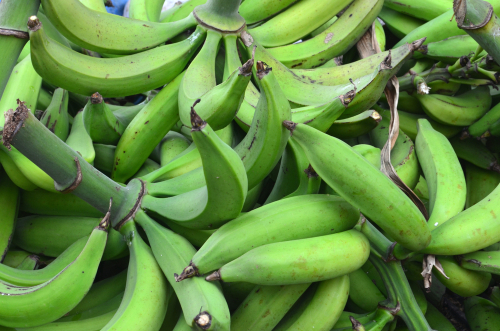

If rice forms the foundation of the Puerto Rican plate, the plantain provides its soul. For anyone who grew up on the island or in a Puerto Rican household, the sight of a plantain tree—with its broad, oversized leaves swaying in the breeze—signals home. It promises that a warm, filling meal is never far away.
The plantain is more than just a starch or a side dish. It is an essential thread woven into the fabric of daily life, representing history, survival, and deep-rooted tradition. From the mountains of the interior to the kitchens of the diaspora in New York and Florida, the plantain connects Puerto Ricans to their land and to each other.
Whether mashed into mofongo, fried into crisp tostones, or boiled for a simple dinner, this crop tells the story of an island that finds joy and resilience in its food. Understanding the plantain means understanding a vital piece of Puerto Rican identity.
What Is a Plantain Tree? (And Why It’s Not Really a Tree)
Walk into a backyard in Puerto Rico, and you will likely hear someone refer to the mata de plátano (plantain tree). However, botanically speaking, it isn’t a tree at all. The plantain is a large herbaceous plant—the largest in the world, in fact.
Unlike a true tree, which has a woody trunk, the plantain has a “pseudostem” made of tightly packed leaf sheaths overlapping each other. This structure supports the massive, paddle-shaped leaves and the heavy bunches of fruit that hang from the top.
Despite the biology, the term “tree” persists in everyday language. It reflects the plant’s stature and its permanence in the landscape. These plants grow tall and imposing, anchoring the soil and providing shade, earning their title through presence rather than science.
How Plantains Came to Puerto Rico
While they seem native to the Caribbean landscape, plantains actually traveled a long way to get there. They originated in Southeast Asia and made their way to Africa, where they became a staple crop. Through the transatlantic exchange, plantains arrived in the Caribbean.
African and Indigenous Foodways
The integration of the plantain into Puerto Rican culture is deeply tied to African culinary traditions. Enslaved Africans brought with them the knowledge of how to cultivate and cook these starchy fruits. This knowledge blended with the agricultural practices of the indigenous Taíno people, who had long cultivated root vegetables like yuca and yautía. This convergence of cultures created the foundation of what we now recognize as cocina criolla.
Plantains as Survival Crops
One reason the plantain took root so effectively was its reliability. It is a high-yield crop that grows year-round. For both enslaved populations and free rural communities, the plantain provided a dependable source of energy and nourishment. It wasn’t a luxury item; it was a means of survival that was easy to propagate and harvest.
Plantain Trees in Rural Puerto Rican Life
In the countryside, or el campo, the plantain plant is ubiquitous. It dots the hillsides and lines the perimeters of small fincas (farms). For generations, rural families have passed down the specific knowledge required to care for them—knowing exactly when a bunch is full enough to cut, or how to prop up a heavy stalk so it doesn’t topple over.
In these communities, plantains often serve as an informal currency. It is common for neighbors to exchange hands of plantains for avocados, citrus, or labor. If a family has a surplus, they share it. This generosity reinforces community bonds and ensures that everyone remains fed.
Jíbaros, Farming, and the Plantain
The figure of the Jíbaro—the sustenance farmer of the Puerto Rican mountains—is a national symbol of hard work and independence. The plantain is central to the Jíbaro way of life.
For the Jíbaro families of the past and present, the plantain represents self-sufficiency. It is a low-cost food source that offers high nutritional returns. A few plants in the backyard can sustain a family through lean times.
Traditionally, plantains fit perfectly into mixed-crop farming systems. They grow well alongside coffee bushes, providing necessary shade, and coexist with root vegetables. This biodiversity helped protect the soil and ensured a varied diet for the farming families who worked the land.
Plantains in Puerto Rican Cuisine
The versatility of the plantain is unmatched. Depending on its stage of ripeness, it can be savory, salty, neutral, or incredibly sweet. This range allows it to appear in almost every type of meal.
Green Plantains
When the plantain is green and hard, it is starchy and savory, much like a potato but with a firmer texture.
- Tostones: perhaps the most famous preparation. Slices of green plantain are fried, smashed flat, and fried again until golden and crispy. They are the ultimate side dish.
- Mofongo: This is often considered the unofficial national dish. Fried green plantains are mashed in a pilón (wooden mortar) with garlic, olive oil, and pork cracklings (chicharrón) to create a dense, flavorful mound, often served with broth or meat.
Ripe Plantains
As the fruit ripens, the skin turns yellow and eventually black. The starch converts to sugar, and the texture softens.
- Amarillos: These are slices of ripe plantain fried until the sugars caramelize and the edges turn crisp. They add a necessary sweet counterpoint to savory rice and meat dishes.
- Pastelón: Often called “Puerto Rican lasagna,” this dish uses layers of mashed ripe plantain instead of pasta, filled with seasoned ground beef.
Everyday Cooking
While dishes like Mofongo might be reserved for weekends or restaurants, boiled plantains are a daily staple in many households. Served with olive oil and onions, they provide simple, hearty nourishment. The preparation changes from house to house and region to region, but the ingredient remains constant.
Cultural Meaning of the Plantain Tree
The plantain tree symbolizes abundance. If you have a producing plant in your yard, you have food. It represents a safety net for the family.
Culturally, it also stands for resilience and adaptability—traits often ascribed to the Puerto Rican people themselves. You will find plantains featured in art, folklore, and humor. The phrase mancha de plátano (the stain of the plantain) refers to the sticky sap of the green fruit that is hard to wash off. To have the mancha de plátano means you are Puerto Rican through and through, no matter where you go. It is a badge of honor.
Plantain Trees After Storms: Resilience and Recovery
Puerto Rico is no stranger to hurricanes, and plantain trees are particularly vulnerable to high winds. Their shallow roots and heavy fruit make them one of the first crops to fall during a storm.
However, the aftermath of a storm highlights the resilience of both the plant and the farmers. Plantains are among the fastest crops to recover. Farmers and families immediately set to work clearing the damage and replanting “seeds” (rhizomes). Because they produce fruit relatively quickly compared to fruit trees, plantains play a critical role in restoring food security after a disaster. Replanting is an act of hope and cultural continuity.
Plantains in the Puerto Rican Diaspora
For the millions of Puerto Ricans living off the island, the plantain is a tangible connection to home. In places like Florida, where the climate allows, you will see plantain trees growing in the backyards of suburban homes, mirroring the gardens of the island.
For those in colder climates, the local bodega or supermarket becomes the lifeline. Buying plantains is a ritual. It is a way to ensure that children born away from the island still grow up with the flavors of their heritage. Cooking tostones or amarillos in a kitchen in Chicago or New York bridges the distance, keeping the culture alive through taste and smell.
Preserving Plantain Farming Traditions
As Puerto Rico modernizes and imports more food, preserving local agriculture becomes increasingly important. Supporting local farmers who grow plantains is vital for the island’s economy and food sovereignty.
There is a concerted effort among younger generations to learn the agricultural skills of their grandparents. Protecting this knowledge ensures that the island remains self-reliant. It guarantees that the skills of planting, harvesting, and cooking this essential crop are not lost to time.
Rooted in the Land
The plantain is foundational to Puerto Rican life. It connects the past to the present and the island to the diaspora. Every time a family sits down to a meal that includes plantains, they honor the farmers, the Jíbaros, and the ancestors who cultivated this crop for centuries.
It is a nourishment of the body, but deeply, it is a nourishment of the culture. As long as there are plantains on the table, the spirit of Puerto Rico remains strong, resilient, and distinct.
Frequently Asked Questions (FAQs)
Are plantain trees native to Puerto Rico?
No, but they have been grown in Puerto Rico for centuries and are deeply embedded in the island’s food culture.
Why are plantains so important in Puerto Rican cuisine?
They are affordable, filling, versatile, and culturally significant—forming the base of many traditional dishes.
Do Puerto Rican families grow their own plantains?
Many rural families do, and it’s common to find plantain plants in backyards and small farms.
What’s the difference between plantains and bananas?
Plantains are starchier and usually cooked, while bananas are sweeter and often eaten raw.
What happens to plantain crops after hurricanes?
They’re often damaged, but replanting is fast and plantains play a key role in recovery and food security.
Why do people still say “plantain tree” if it’s not a tree?
It’s a linguistic tradition—one that reflects everyday Puerto Rican speech and cultural familiarity.