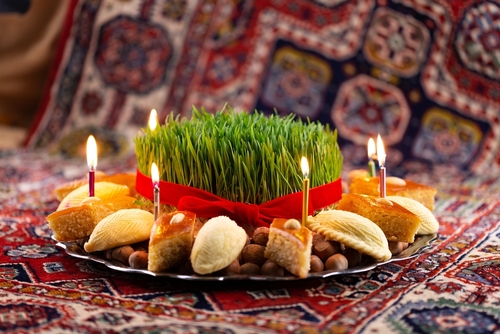

Imagine a table adorned with vibrant green sprouts, bright red apples, and shimmering gold coins. Families gather around, dressed in their finest clothes, eagerly counting down the seconds until the exact moment winter ends and spring begins. The streets are alive with the scent of hyacinths and the sound of joyous greetings. This is the spirit of Nowruz.
For millions of people around the world, the arrival of spring marks more than just a change in weather—it signals the start of a new year. Nowruz 2026 is an ancient festival that celebrates rebirth, harmony with nature, and the strengthening of family bonds. Whether you have celebrated this holiday your entire life or are learning about it for the first time, this guide explores the beautiful traditions that make Nowruz a beacon of hope and renewal.
What Is Nowruz?
The word Nowruz (pronounced no-rooz) translates directly from Persian as “new day.” It is a cultural festival that celebrates the Persian New Year and the official beginning of spring. While its roots are deeply planted in Iranian culture, Nowruz is a global event celebrated by diverse communities across the Middle East, Central Asia, South Asia, the Caucasus, and the Balkans.
This ancient tradition dates back over 3,000 years. Its origins are linked to Zoroastrianism, one of the world’s oldest monotheistic religions, which emphasizes the connection between humans and nature. However, over the millennia, Nowruz has evolved into a secular cultural holiday that transcends religious and national borders. It is a time when people of various backgrounds come together to celebrate life, light, and the triumph of warmth over cold.
When Is Nowruz 2026?
Nowruz is unique because its timing is tied to the movement of the earth rather than a clock. It falls precisely on the vernal equinox—the astronomical moment when the sun crosses the celestial equator and day and night are of nearly equal length.
In 2026, Nowruz falls on Friday, March 20.
Because the equinox occurs at a specific second in time, families often gather around their ceremonial tables to wait for that exact moment, known as Sal Tahvil. Depending on where you live in the world and your specific time zone, the moment of the equinox might happen in the morning, afternoon, or deep in the night. This astronomical precision highlights the festival’s deep-rooted connection to the natural cycles of the universe.
Why Nowruz Matters
In a world that often feels divided, Nowruz offers a powerful reminder of our shared humanity and connection to the earth. It is a festival of optimism. Just as nature awakens from the slumber of winter, Nowruz encourages us to let go of past grievances and start fresh.
The celebration is built on pillars of peace, solidarity, and reconciliation. It is a time to visit elders, make amends with friends, and share meals with neighbors. For the global diaspora—those living far from their ancestral homelands—Nowruz serves as a vital link to their heritage. It is a moment to pass down cherished customs to the next generation, ensuring that the warmth of this “new day” continues to shine brightly.
Core Traditions & Customs
Nowruz is defined by a series of beautiful rituals that take place before, during, and after the new year. These traditions vary by region, but they all share a common theme of preparing for new beginnings.
The Haft-Sin Table
The most iconic symbol of Nowruz is the Haft-Sin (Seven S’s) table. Families dedicate a special space in their home to display seven specific items that start with the Persian letter “seen” (S). Each item carries deep symbolic meaning:
- Sabzeh (Wheat, Barley, or Lentil Sprouts): Represents rebirth and growth.
- Samanu (Sweet Pudding): Symbolizes power, strength, and affluence.
- Senjed (Dried Oleaster/Lotus Fruit): Represents love.
- Sir (Garlic): Symbolizes medicine and good health.
- Sib (Apple): Represents beauty and health.
- Somāq (Sumac Berries): The color of sunrise, symbolizing the victory of light over dark.
- Serkeh (Vinegar): Represents age and patience.
In addition to these seven staples, the table often includes a mirror (for self-reflection), candles (for enlightenment), painted eggs (for fertility), a bowl of water with a goldfish (for life), and a holy book or a book of poetry by Hafez or Rumi.
Spring Cleaning (Khaneh Tekani)
Before the new year arrives, households undergo a massive spring cleaning ritual called Khaneh Tekani, which literally means “shaking the house.” Carpets are washed, clutter is cleared, and every corner is dusted. This physical cleaning represents an internal cleansing—removing the dust and negativity of the past year to make space for fresh energy.
Chaharshanbe Suri (The Festival of Fire)
On the eve of the last Wednesday before Nowruz, people celebrate Chaharshanbe Suri. During this fire festival, bonfires are lit in the streets or backyards. Participants jump over the flames, singing a traditional song that translates to: “Give me your beautiful red color (health and energy), and take back my sickly yellow paleness (sickness and problems).” It is a ritual of purification, burning away the heaviness of winter to enter the new year with vitality.
Family Visits and Feasts
The first few weeks of the new year are dedicated to Did-o-bazdid (visiting relatives). Younger family members typically visit elders first to pay their respects. Hosts offer tea, pastries, nuts, and fresh fruit. These gatherings strengthen community ties and ensure that no one starts the year alone.
Special foods are central to the celebration. A classic Nowruz meal often includes Sabzi Polo ba Mahi—herbed rice served with white fish. The green herbs in the rice symbolize nature’s rebirth, while the fish represents life.
Regional Variations & Global Reach
While the Haft-Sin table is central to Iranian celebrations, Nowruz looks slightly different depending on where you are.
- Afghanistan: The holiday is often marked by Haft Mewa, a fruit salad made from seven different dried fruits and nuts served in syrup.
- Central Asia: In countries like Tajikistan, Uzbekistan, and Kazakhstan, public festivals feature traditional sports, music, and poetry readings.
- The Kurds: For Kurdish communities, Nowruz is heavily associated with the legend of Kawa the Blacksmith and is often celebrated with large bonfires and dancing in traditional clothing.
From the mountains of the Caucasus to the streets of Los Angeles and Toronto, the spirit remains the same: welcoming the light.
Symbolism & Deeper Meaning
Every aspect of Nowruz is steeped in symbolism. The number seven, seen in the Haft-Sin table, is considered auspicious in ancient Persian culture, representing the seven archangels or the seven stages of creation.
The rituals act as a guide for living a good life. Growing sprouts teaches patience; cleaning the house teaches mindfulness; jumping over fire teaches courage. It is a holistic celebration that honors the physical environment, the spiritual realm, and the social community.
How to Respectfully Participate
You don’t have to be of Persian descent to appreciate the beauty of Nowruz. Here are a few ways to join in the celebration:
- Set a Table: Create a small version of a Haft-Sin table in your home. It’s a wonderful way to teach children about symbolism and different cultures.
- Attend an Event: Many cities with Persian or Central Asian communities host public festivals with music, food, and dance. It’s a welcoming environment to learn more.
- Spread Joy: If you have friends or colleagues who celebrate, wish them “Nowruz Mobarak” (Happy Nowruz).
- Try the Food: Look up a recipe for Reshteh Polo (rice with noodles) or Kuku Sabzi (herb frittata) and enjoy the flavors of the holiday.
Final Thoughts
Nowruz 2026 is a celebration of resilience. It reminds us that no matter how harsh the winter, spring always returns. It is a time to celebrate nature, honor our families, and look forward with hope.
As the earth renews itself, we too have the chance to begin again. Whether you are jumping over fires or simply enjoying the sunshine of early spring, may this season bring you health, happiness, and prosperity. Nowruz Mobarak!
Frequently Asked Questions about Nowruz
Is Nowruz a religious holiday?
Originally rooted in Zoroastrianism, Nowruz is now largely a secular cultural holiday. It is celebrated by people of many different faiths—including Muslims, Christians, Jews, and Baha’is—as well as those who are non-religious.
How long does Nowruz last?
The celebrations typically last for 13 days. The festivities conclude on the 13th day (Sizdah Bedar), which is traditionally spent outdoors picnicking to ensure bad luck is removed from the home.
What do people wear for Nowruz?
It is customary to buy and wear completely new clothes for the new year. This symbolizes a fresh start and leaving the old year behind.
Do people give gifts during Nowruz?
Yes, gift-giving is common, especially for children. Elders often give crisp new banknotes (called Eidi) to the younger members of the family.