
No traffic lights. No cell service. No highways for hundreds of miles. For most of us, “remote” means the WiFi is spotty. For the residents of America’s most isolated towns, it means taking a plane to buy groceries or driving four hours for a checkup.
These days, finding true isolation is increasingly rare. Satellite internet and sprawling delivery networks have connected even the quietest corners of the country. Yet, pockets of extreme solitude remain. These are communities where geography dictates daily life, where neighbors rely intensely on one another, and where the silence is as vast as the landscape.
This guide explores the most remote towns in the US, ranking them not just by miles on a map, but by the reality of reaching them. Whether you are looking to disconnect completely or just curious about life on the edge of the grid, these are the hardest places to reach in America.
How “Remote” is Defined
To create this list, we looked beyond simple distance. A town might be far from a city but sit right on a major interstate. True remoteness is about accessibility and infrastructure. Here is the methodology used to rank these communities:
1. Distance to the Nearest Urban Center
We measured the mileage to the closest city with a population over 50,000. This determines how difficult it is to access major services like specialized healthcare, airports, and large-scale retail.
2. Road Accessibility
Not all roads are created equal. We factored in whether access requires a plane or boat (no roads), or if the roads are unpaved, seasonal, or dangerous in winter conditions.
3. Population Size
Smaller populations often correlate with limited services. We prioritized towns with fewer than 1,000 residents, as these communities typically lack the self-sustaining infrastructure of larger isolated cities.
4. Infrastructure Access
We evaluated the proximity to critical services. This includes emergency medical care, reliable cellular networks, and access to fresh food. Data from the USDA Rural Atlas and state Departments of Transportation informed these rankings.
Data Sources
Our analysis incorporates data from the 2024/2025 U.S. Census Bureau estimates, the USDA Rural Atlas, and NOAA climate access data to ensure a realistic picture of modern isolation.
Quick Snapshot — America’s Most Remote Towns
|
Town |
State |
Population |
Nearest Major City |
Access Type |
Remoteness Score |
|---|---|---|---|---|---|
|
Adak |
AK |
~170 |
Anchorage (1,200 mi) |
Air only |
Extreme |
|
Supai |
AZ |
~200 |
Flagstaff (150 mi) |
Hike/Mule/Heli |
Extreme |
|
Cold Bay |
AK |
~60 |
Anchorage (630 mi) |
Air/Sea |
High |
|
Hanksville |
UT |
~220 |
Grand Junction (120 mi) |
Paved Road |
Moderate |
|
Mentone |
TX |
~20 |
Odessa (75 mi) |
Paved Road |
High |
|
Hyder |
AK |
~87 |
Terrace, BC (60 mi) |
Road (via Canada) |
Moderate |
12 Most Remote Towns in the US
1. Adak, Alaska
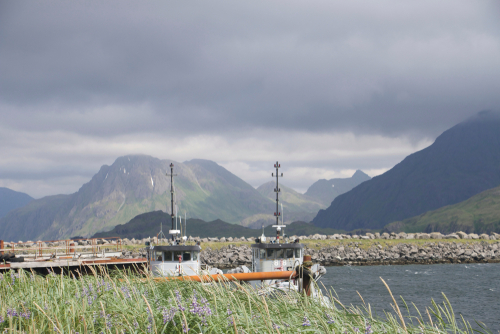
Population: ~170
Access: Air only (regular commercial flights are often delayed by weather)
Distance to Hub: 1,200 miles to Anchorage
Located on the Aleutian Islands, Adak is the westernmost town in the United States. Formerly a naval base, it feels like a place frozen in time. The wind howls constantly, and the landscape is starkly beautiful. While it has an airport, flights are expensive and weather-dependent.
What daily life is like: Residents live in repurposed military housing. There are no hospitals, just a clinic. Getting fresh produce is a luxury, and nearly everything is imported by plane or barge. It is a tight-knit community where resilience is a requirement.
2. Supai, Arizona
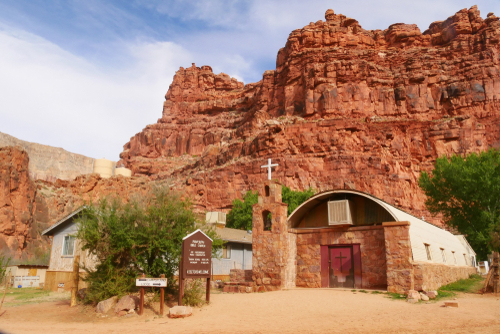
Population: ~200
Access: No roads (8-mile hike, mule, or helicopter)
Distance to Hub: 150 miles to Flagstaff
Supai sits at the bottom of Havasu Canyon, deep within the Grand Canyon. It is the capital of the Havasupai Indian Reservation and holds the distinction of being the only place in the US where mail is still delivered by mule.
What daily life is like: There are no cars here. Walking is the primary mode of transport. Tourism is the main economy, thanks to the famous blue-green waterfalls nearby, but for locals, leaving town means a steep hike out of the canyon or a helicopter ride. It is visually stunning but logistically challenging.
3. Cold Bay, Alaska
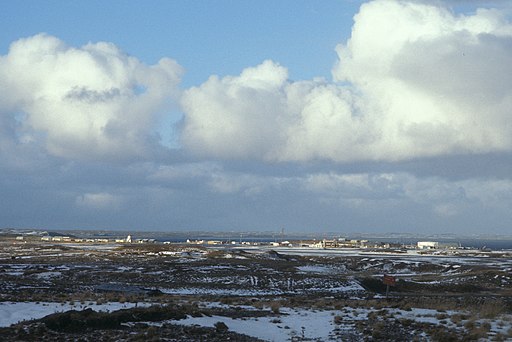
Population: ~60
Access: Air and sea only
Distance to Hub: 630 miles to Anchorage
Cold Bay is a strategic transit point rather than a traditional town. It boasts one of the longest runways in Alaska, built during WWII, making it a crucial emergency landing site for trans-pacific flights.
What daily life is like: The weather is notoriously harsh, often overcast and windy. The community is tiny, consisting mostly of government employees and support staff for the airport. Services are minimal; there is a small general store, but most shopping is done in Anchorage and flown in.
4. Hanksville, Utah
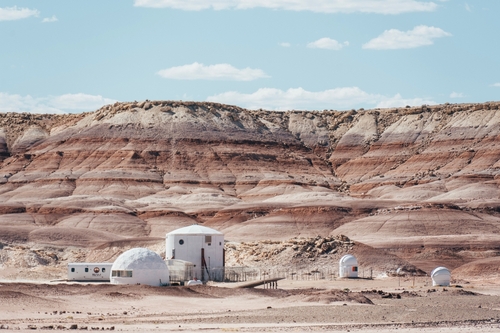
Population: ~220
Access: Paved road (State Route 24)
Distance to Hub: 120 miles to Grand Junction, CO
Hanksville looks like it belongs on Mars. In fact, the Mars Desert Research Station is located nearby because the terrain is so similar to the Red Planet. Surrounded by Capitol Reef National Park and the Henry Mountains, it is miles from civilization.
What daily life is like: This is high desert isolation. Summers are scorching, and winters are cold. The town serves as a waystation for tourists, but permanent residents deal with limited water resources and a lack of major grocery stores.
5. Mentone, Texas
.jpg)
Population: ~20
Access: Paved road
Distance to Hub: 75 miles to Odessa
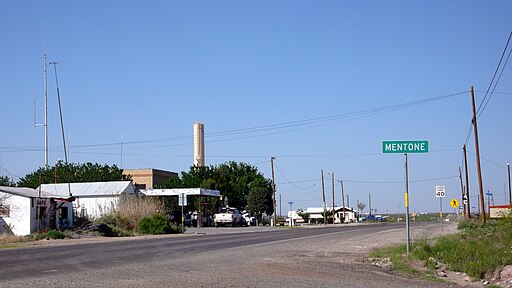
Mentone is the county seat of Loving County, the least populous county in the lower 48 states. It is a speck in the vast West Texas oil fields.
What daily life is like: The town is essentially a courthouse, a gas station, and a food truck. There is no school (children are bussed to a neighboring town) and no potable water system for years, though infrastructure improvements are slowly happening. It is a quiet, dusty existence defined by the oil industry.
6. Hyder, Alaska
Population: ~87
Access: Road accessible only via Stewart, British Columbia
Distance to Hub: Isolated from other Alaskan towns
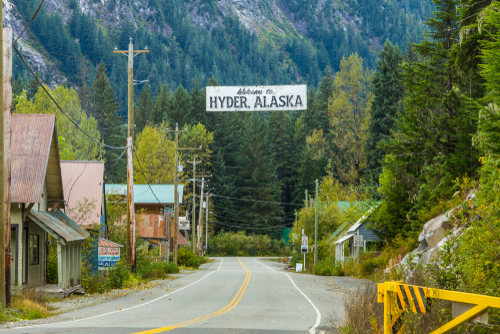
Hyder is unique—it is an American town that relies almost entirely on Canada. It is accessible by road, but only if you drive through British Columbia.
What daily life is like: Residents use Canadian currency, follow the Pacific time zone (unlike the rest of Alaska), and send their children to Canadian schools. The border is open, but the isolation from the rest of the US is profound. It is known as the “Friendliest Ghost Town in Alaska.”
7. Jordan Valley, Oregon
Population: ~180
Access: U.S. Highway 95
Distance to Hub: 80 miles to Boise, ID
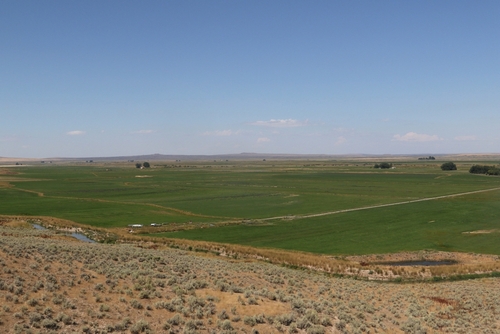
Located in the high desert of southeastern Oregon, Jordan Valley is ranching country. It is geographically part of Oregon but culturally and economically tied to Idaho due to distance.
What daily life is like: Life here revolves around agriculture and the outdoors. It is extremely quiet. Access to healthcare involves a long drive into Idaho. The sense of community is strong, born out of the necessity of living in such a sparsely populated region.
8. Escalante, Utah
Population: ~800
Access: Scenic Byway 12
Distance to Hub: 300 miles to Salt Lake City
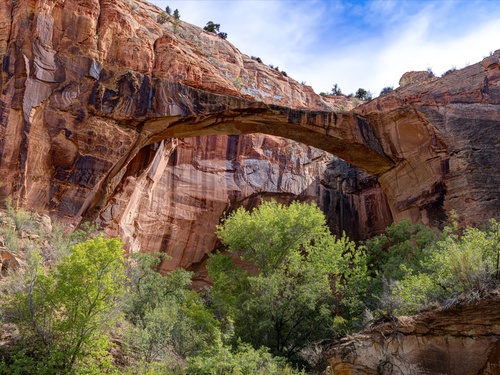
Escalante is remote, but incredibly scenic. Nestled near the Grand Staircase-Escalante National Monument, it is a haven for hikers but a long haul for groceries.
What daily life is like: The tourism economy is booming, but year-round living is tough. The nearest Walmart is over an hour away. The isolation here is scenic but practical challenges remain regarding medical care and cost of living.
9. McCarthy, Alaska
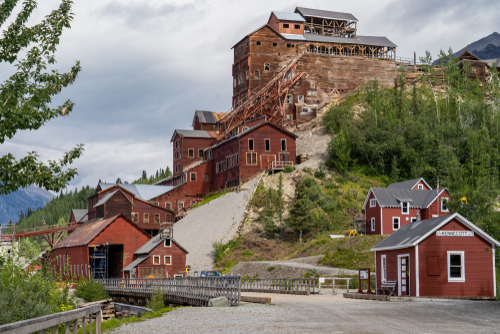
Population: ~28 (Winter), ~200 (Summer)
Access: Footbridge only (vehicles left on the other side)
Distance to Hub: 300 miles to Anchorage (long drive via gravel road)
McCarthy is located inside Wrangell-St. Elias National Park. To enter, you must cross a footbridge; no cars are allowed in the main town area.
What daily life is like: This is off-grid living at its finest. Many homes lack running water or grid electricity. Winter is long, dark, and incredibly quiet. It attracts those who truly want to disappear into the wilderness.
10. Terlingua, Texas
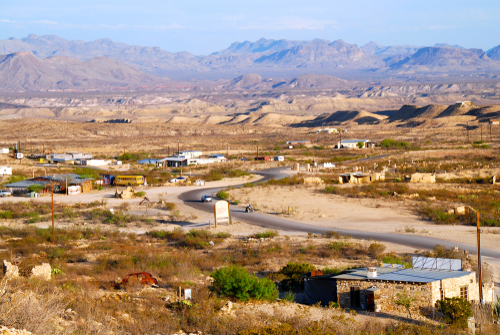
Population: ~110
Access: State Highway 118
Distance to Hub: 80 miles to Alpine
A famous “ghost town” near Big Bend National Park, Terlingua has seen a resurgence as a quirky tourist destination and off-grid community.
What daily life is like: Water is scarce. The desert sun is unforgiving. Residents are a mix of artists, survivalists, and seasonal workers. It is a place where people go to live life on their own terms, far from HOA rules and city ordinances.
11. Chicken, Alaska
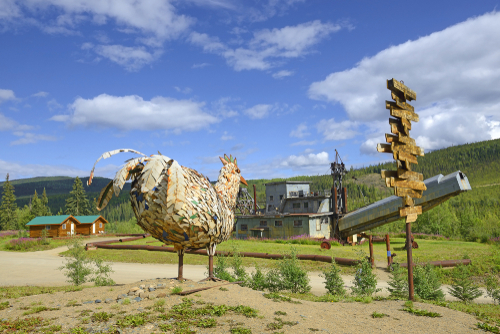
Population: ~7 (Winter)
Access: Taylor Highway (closed in winter)
Distance to Hub: 275 miles to Fairbanks
Named because the founders couldn’t spell “Ptarmigan,” Chicken is a gold mining community. In winter, the road closes, and the only way in or out is by bush plane.
What daily life is like: There is no plumbing and no phone service. Electricity comes from generators. Winter residents are totally self-sufficient, relying on stockpiled supplies. It is one of the most rugged existences in America.
12. Boulder, Utah
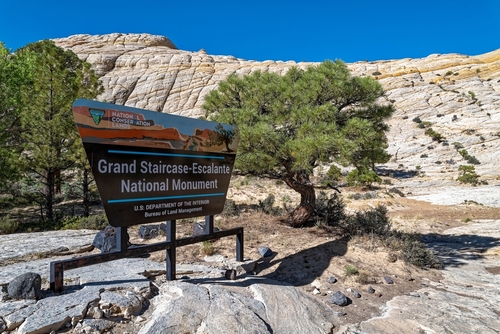
Population: ~230
Access: Scenic Byway 12
Distance to Hub: 250 miles to Salt Lake City
Boulder was the last town in the continental US to receive mail by mule (until the 1940s). It remains incredibly isolated, separated from the rest of the state by vast canyons and mountains.
What daily life is like: It is an agricultural oasis. The town is known for its high-end farm-to-table restaurant, Hell’s Backbone Grill, which seems impossible given the location. The community is small, educated, and deeply connected to the land.
Why Alaska Dominates the List
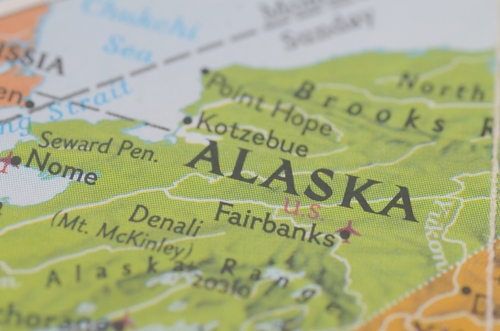
You will notice a pattern: Alaska is everywhere. This is simply a matter of geography. The state is massive—twice the size of Texas—yet has fewer road miles than Vermont.
In the “Lower 48,” you are rarely more than 20 miles from a road. In Alaska, vast swathes of the state are accessible only by bush plane or boat. The population density is incredibly low, meaning infrastructure projects like bridges and highways often don’t make financial sense. For many Alaskans, “remote” isn’t a bug; it’s a feature.
What It’s Really Like to Live in America’s Most Isolated Towns
Living in these towns is not just about beautiful views. It comes with real logistical hurdles.
- Healthcare Access: This is the biggest risk. In towns like Adak or Chicken, a medical emergency requires a medevac flight, which can cost tens of thousands of dollars and is weather-dependent.
- Education: Schools are tiny. In places like Mentone, kids spend hours on a bus. In others, digital learning or homeschooling is the norm.
- Cost of Goods: When milk has to be flown in, it costs more. Prices in remote Alaskan villages can be triple what they are in the contiguous US.
- Internet & Connectivity in 2026: Starlink and other satellite providers have revolutionized this. You can now work remotely from a cabin in McCarthy, provided you have a generator to power your dish. This has led to a slow influx of “digital nomads” in previously shrinking towns.
The Most Remote Towns in the Lower 48
If Alaska feels too extreme, the contiguous US has its own pockets of silence.
The Great Basin Desert (covering much of Nevada and Utah) and the high deserts of West Texas and Eastern Oregon are the empty quarters of the Lower 48. Towns here, like Hanksville, UT, and Jordan Valley, OR, offer road access but still require a level of self-sufficiency that city dwellers might find daunting. Here, isolation is defined by the miles of empty asphalt between you and the nearest gas station.
How Remote Is “Remote”? (Geographic Context)
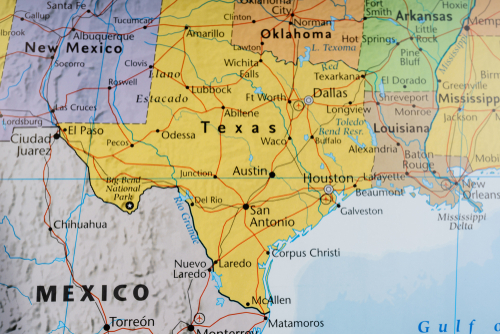
To understand American remoteness, you have to look at scale. A “remote” village in the UK or France might be an hour from a major city. In the US, you can drive for four hours in Nevada and not see a single town.
Geographers use a metric called “frontier density” to classify these areas. Many of the towns on this list have fewer than six people per square mile. This level of emptiness is rare in the developed world and speaks to the vast, untamed nature of the American landscape.
Why Remoteness Still Exists in 2026
Why haven’t these places been developed?
- Economic Shifts: Many remote towns were built around mines or timber. When those industries dried up, the people left, and the roads stopped being maintained.
- Conservation Land: Towns like Boulder, UT, are hemmed in by protected federal land, preventing sprawl.
- Climate and Terrain: Building roads through the swamps of the Alaskan tundra or the canyons of Arizona is astronomically expensive.
- Tribal Lands: Sovereign nations like the Havasupai in Arizona have maintained their traditional lands and limited access to preserve their culture.
Key Takeaways
- Remoteness isn’t just about distance; it’s about the difficulty of access and lack of services.
- Alaska holds the title for the most extreme isolation, but the Lower 48 offers its own rugged solitude in the desert West.
- Infrastructure defines livability. The presence of a paved road or a reliable internet connection changes everything.
- These towns are not just shrinking. While some fade, others are finding new life through tourism and remote work.
FAQs
What is the most remote town in the US?
Adak, Alaska, is widely considered the most remote town due to its extreme distance from any major city and reliance on air travel.
Are there towns in the US with no road access?
Yes. Supai, Arizona, and many villages in Alaska (like Adak and Chicken in winter) have no road connection to the outside world.
What is the most remote town in the lower 48 states?
Supai, Arizona, is the most isolated because it cannot be reached by car. Jarbridge, Nevada, and Mentone, Texas, are contenders for the most remote road-accessible towns.
Can you live off-grid legally in the US?
Yes, many remote counties allow off-grid living, but you must still adhere to local waste disposal and building codes. Places like Terlingua, Texas, are popular for this lifestyle.
Which state has the most isolated communities?
Alaska is the undisputed leader, followed by states with vast desert regions like Nevada, Utah, and Wyoming.