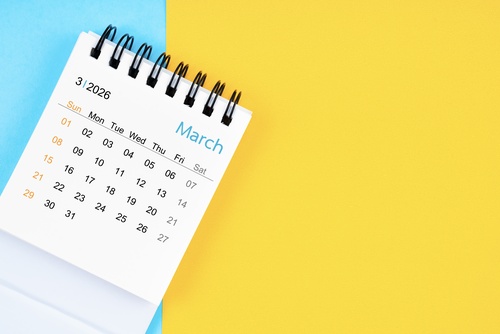

March is a month that speaks the language of change. In the Northern Hemisphere, the frost begins to thaw, signaling the arrival of spring, while the Southern Hemisphere prepares for the cooling embrace of autumn. But beyond the changing seasons, March is a calendar packed with profound significance. It is a time for renewal, resistance, and remembrance.
Across the globe, nations mark their sovereignty, communities celebrate ancient festivals of color and light, and international organizations shine a spotlight on critical human rights and environmental issues. From the vibrant streets of Mumbai during Holi to the solemn parades of Dublin on St. Patrick’s Day, this month offers a unique window into our shared human experience.
Whether you are looking to reconnect with your heritage, learn about a neighbor’s culture, or simply understand the global events shaping the news, this guide is for you. Here is your essential look at the major national days, cultural festivals, and international observances happening in March 2026.
Independence and National Holidays
For many nations, March is a month of pride and patriotism. It marks the anniversary of hard-won freedom and the establishment of national identity.
March 3: Bulgaria – Liberation Day
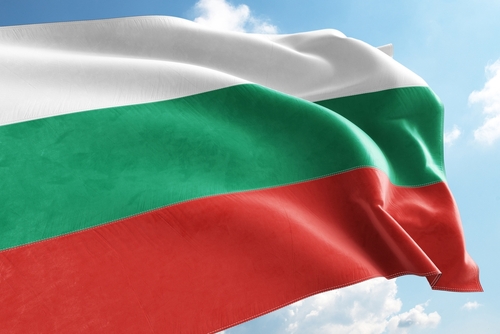
Bulgaria pauses to honor its history on March 3. This day commemorates the Liberation of Bulgaria in 1878, marking the end of Ottoman rule. It is a day filled with ceremonies at the Shipka Pass and monuments across the country, where citizens pay tribute to those who fought for their sovereignty.
March 6: Ghana – Independence Day
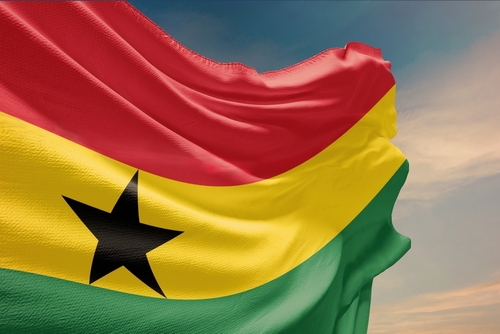
Ghana holds a special place in history as the first sub-Saharan African nation to regain independence from colonial rule. On March 6, Ghanaians celebrate their 1957 victory over British governance. Expect vibrant parades in Accra, traditional music, and a strong sense of Pan-African pride.
March 17: Ireland – St. Patrick’s Day
While celebrated globally with green attire and festive gatherings, St. Patrick’s Day is fundamentally a religious and cultural holiday in Ireland. It commemorates the death of St. Patrick, the patron saint of Ireland. In Dublin and towns across the Emerald Isle, the day is marked by massive parades, ceol (music), and a celebration of Irish heritage.
March 25: Greece – Independence Day
Greece independence day celebrates both the Greek War of Independence against the Ottoman Empire in 1821 and the religious Feast of the Annunciation. It is a day of military parades in Athens and school parades in every town, symbolizing the resilience of the Hellenic spirit.
March 26: Bangladesh – Independence Day
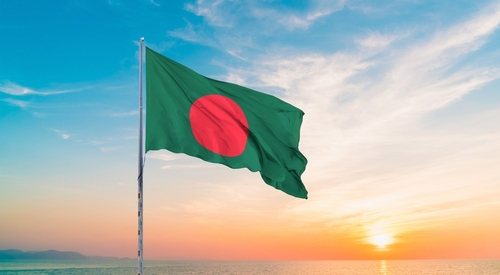
Known as Shadhinota Dibosh, this national holiday commemorates the country’s declaration of independence from Pakistan in 1971. It is a solemn and patriotic day, often beginning with gun salutes and floral tributes at the National Martyrs’ Memorial near Dhaka.
Cultural and Religious Observances
March 2026 is rich with spiritual significance. As the seasons shift, many traditions observe festivals that symbolize the triumph of good over evil and the start of new cycles.
March 2: Holika Dahan
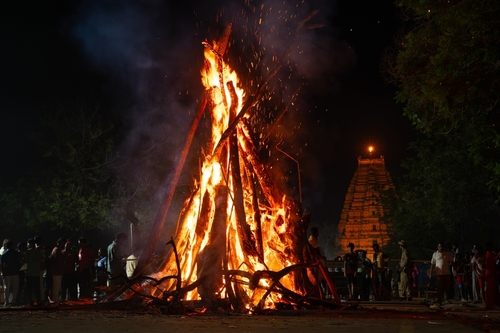
Holika Dahan marks the beginning of the Holi festival and takes place on the night of March 2. It involves lighting bonfires to symbolize the triumph of good over evil, commemorating the legend of Prahlad and Holika. Families and communities gather around the fire to offer prayers and cast away negativity.
March 4: Holi (Festival of Colors)
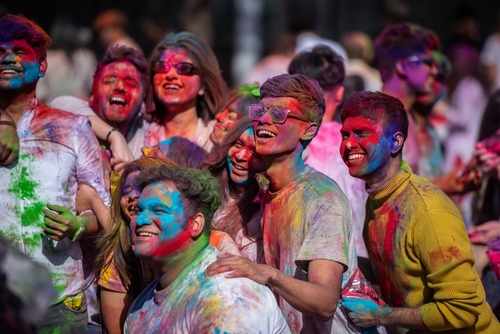
The main celebration of Holi unfolds on March 4. Known as the festival of colors, this joyous occasion fills the streets with vibrant clouds of powdered dye (gulal) and splashes of colored water. It celebrates the arrival of spring, the spirit of love, and the playful antics of Lord Krishna and Radha. It’s a time for letting go of past grievances and embracing joy and unity.
March 19: Nowruz (Persian New Year)
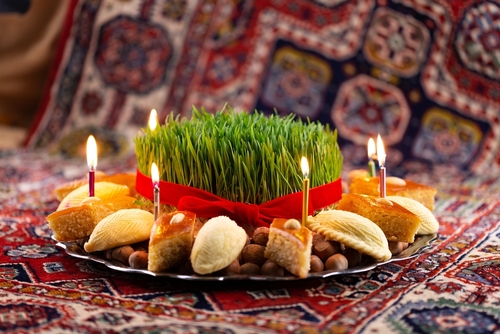
Nowruz marks the vernal equinox and the beginning of the new year in the Iranian calendar. Celebrated by millions across the Middle East, Central Asia, and the Balkans, it is a secular holiday for many, focused on nature, spring cleaning, and visiting family. The Haft-Sin table, set with seven symbolic items starting with the letter ‘S’, is a central tradition.
March 22: Ugadi and Gudi Padwa
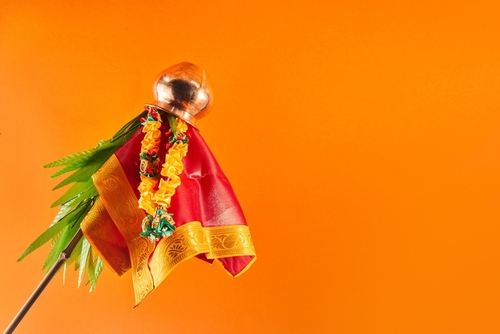
In India, regional New Year celebrations take place in mid-March. Ugadi is observed in states like Karnataka, Andhra Pradesh, and Telangana, while Gudi Padwa is celebrated in Maharashtra. Both festivals mark the beginning of the Hindu lunar calendar with traditional foods—often a mix of sweet and bitter flavors to symbolize the complexity of life—and colorful floor decorations known as rangoli.
March 30: Ram Navami
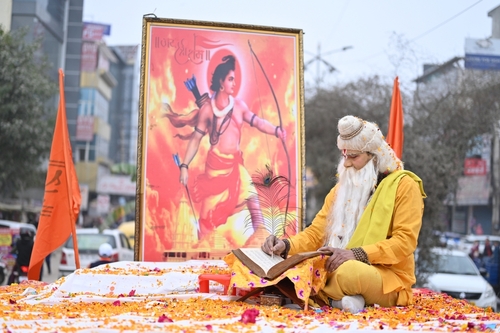
This Hindu festival celebrates the birth of Lord Rama, the seventh avatar of the deity Vishnu. Devotees observe the day through fasting, singing devotional songs, and visiting temples. It is a time for reflection on righteousness and truth.
International and UN Days of Awareness
Beyond national borders, the United Nations and other global bodies designate days in March to raise awareness for crucial causes, ranging from environmental protection to human rights.
Early March
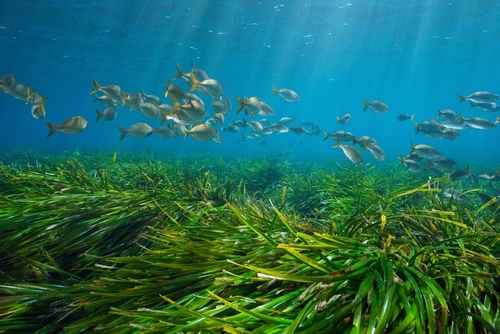
- March 1: World Seagrass Day highlights the importance of marine ecosystems.
- March 3: World Wildlife Day celebrates the world’s wild animals and plants and discusses the threats facing them.
Mid-March

- March 14: Pi Day (3/14) is a fun celebration of mathematics, specifically the constant $\pi$.
- March 18: Global Recycling Day recognizes the importance of recycling in preserving our primary resources and securing the future of our planet.
March 20–21: A Cluster of Action
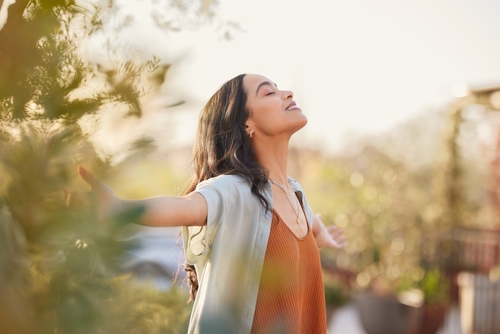
- March 20: International Day of Happiness is celebrated globally, this UN observance promotes well-being as a fundamental human goal, encouraging policies that support equity, mental health, and sustainable living. It’s a reminder that economic growth alone doesn’t define progress—happiness matters too.
- March 20: The March Equinox marks the first day of spring in the Northern Hemisphere, a time of balance between day and night. Across cultures, it symbolizes renewal, growth, and harmony with nature.
- March 21: Established by UNESCO, World Poetry Day honors the timeless art of poetry as a tool for expression, cultural preservation, and dialogue across borders. It’s a celebration of verse in every language and tradition.
- March 21: International Day of Forests raises awareness of forests’ critical role in sustaining life, combating climate change, and supporting biodiversity. It’s also a call to action for conservation and reforestation worldwide.
Late March

- March 22: World Water Day focuses on the importance of fresh water and sustainable management of freshwater resources.
- March 27: World Theatre Day celebrates the value and importance of the art form “theatre.”
Month-Long Observances

Some causes deserve more than just 24 hours. Throughout March, several month-long campaigns invite deeper engagement.
- National Nutrition Month: In North America, this campaign focuses on the importance of making informed food choices and developing sound eating and physical activity habits.
- Irish-American Heritage Month: The US celebrates the contributions of Irish immigrants and their descendants.
How to Celebrate and Observe
Understanding these dates is the first step, but participating brings them to life. Here are simple ways you can observe these days, no matter where you live.
Attend local events.
Many cities host parades for St. Patrick’s Day or cultural festivals for Nowruz and Holi. Check your local community calendar or library board for public events.
Explore through food.
Cooking a traditional dish is a delicious way to honor a culture. Try making Irish soda bread, Persian Sabzi Polo (herb rice), or Ghanaian Jollof rice.
Support a cause.
For UN days like World Wildlife Day or World Water Day, consider donating to a reputable charity or volunteering with a local conservation group.
Share knowledge.
Use your voice on social media. Sharing facts about Endometriosis Awareness or Women’s History Month can help educate your network and reduce stigma.
Frequently Asked Questions (FAQ)
What is the March Equinox and why is it significant?
The March Equinox marks the moment the sun crosses the celestial equator. In the Northern Hemisphere, it signals the first day of spring (vernal equinox), representing rebirth and renewal. In the Southern Hemisphere, it marks the start of autumn. Many ancient traditions and modern holidays, such as Nowruz and Easter, are calculated based on this astronomical event.
Are Holi and Purim celebrated on the same day every year?
No. Both holidays follow lunar or lunisolar calendars, meaning their dates shift on the Gregorian calendar each year. While they usually fall in March (and sometimes coincide), they drift annually. In 2026, they occur very close to one another.
Why are there so many UN observances in March?
March aligns with the changing seasons, which thematically fits with ideas of renewal (spring) and environmental focus. This makes it an ideal time for international bodies to schedule campaigns regarding nature (Forests, Water, Wildlife) and human equity (Women’s Day, Racial Discrimination).
How can I respectfully participate in holidays from other cultures?
Approach these celebrations with curiosity and respect. Focus on learning the meaning behind the traditions rather than just the aesthetics. If you are invited to a cultural event, ask questions, listen to the hosts, and support authentic cultural organizations.
Are there differences between Ugadi and Gudi Padwa?
Yes. While both festivals mark the beginning of the Hindu New Year and occur on the same day, they are celebrated by different linguistic communities. Ugadi is celebrated primarily by Telugu and Kannada-speaking people in southern India, while Gudi Padwa is celebrated by Marathi-speaking people in western India. They share similar themes but feature distinct traditional foods and rituals.
A Month of Global Connection
March 2026 is more than just a page on the calendar; it is a tapestry of human history and hope. From the fight for independence in Ghana and Bangladesh to the quiet reflection of Ramadan and the vibrant energy of Holi, these days remind us of our diversity and our shared values.
By taking the time to learn about these observances, we become better neighbors and more informed global citizens. We hope this guide helps you explore the world this March—whether through a parade, a prayer, or a simple conversation.