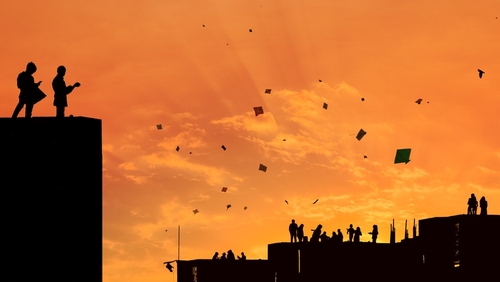

As the winter chill begins to fade and the days grow longer, millions of people across India and the globe prepare for Makar Sankranti. This vibrant festival is not just about the change in season; it is a celebration of harvest, gratitude, and community.
For those living away from home, keeping track of festival dates and traditions is an important way to stay connected to your roots. Whether you plan to fly kites, prepare traditional sweets, or simply wish your family over a video call, knowing the details helps you feel closer to the celebration.
This guide provides the essential information you need for Makar Sankranti 2026, including the date, the significance of the festival, and how it is celebrated in different regions.
When is Makar Sankranti 2026?
Unlike many Hindu festivals that follow the lunar calendar and change dates every year, Makar Sankranti follows the solar cycle. It marks the day the sun enters the zodiac sign of Capricorn (Makar).
For the year 2026, Makar Sankranti will be celebrated on Wednesday, January 14, 2026.
While the date is almost always January 14th, it occasionally shifts by a day due to astronomical changes. However, for 2026, you can mark your calendars for the 14th. This consistency makes it easier for families to plan gatherings and for those living abroad to schedule their calls and remittances home.
The Significance of the Festival
Makar Sankranti holds deep spiritual and agricultural significance. It is considered a major harvest festival, dedicated to Lord Surya (the Sun God).
The Agricultural Meaning
For farmers, this is a time of joy. It marks the beginning of the harvest season for winter crops (Rabi crops). Farmers express gratitude to nature and the sun for a bountiful yield. It is a time to rest, celebrate, and enjoy the fruits of hard labor.
The Spiritual Meaning
Astronomically, this day marks the start of Uttarayan, the sun’s northward journey. It signals the end of long winter nights and the beginning of longer, warmer days. In spiritual terms, this transition symbolizes the movement from darkness to light and ignorance to knowledge. Many believe that performing good deeds on this day brings blessings and prosperity.
One Festival, Many Names
One of the most beautiful aspects of Indian culture is its diversity. While the spirit of the festival remains the same, it is celebrated under different names and with unique traditions across various states.
Pongal (Tamil Nadu)
In Tamil Nadu, the festival is celebrated as Pongal. It is a four-day thanksgiving festival dedicated to the sun, rain, and farm animals. Families prepare a special dish called Pongal, made from newly harvested rice, milk, and jaggery, which is allowed to boil over in a clay pot to symbolize abundance.
Lohri (Punjab)
In Punjab and parts of Northern India, the celebration is known as Lohri. It is usually observed the night before Makar Sankranti. Communities gather around large bonfires, singing folk songs and tossing sesame seeds, popcorn, and jaggery into the fire as offerings. It is a lively celebration of fertility and the joy of life.
Magh Bihu (Assam)
In the northeastern state of Assam, the festival is called Magh Bihu or Bhogali Bihu. It marks the end of the harvesting season. The celebrations are centered on food, with community feasts and the building of temporary huts called Meji from bamboo and thatch, which are burned the next morning.
Uttarayan (Gujarat)
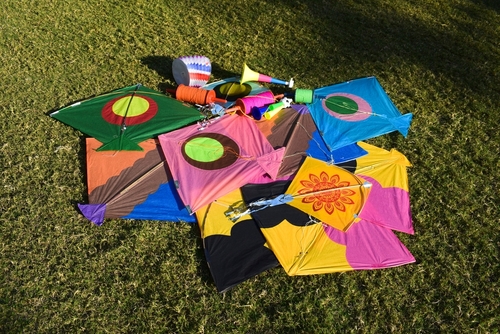
In Gujarat, the festival is synonymous with kite flying. The skies are filled with thousands of colorful kites in a friendly but fierce competition. Families spend the entire day on their rooftops, enjoying music, food, and the thrill of cutting an opponent’s kite string.
Common Traditions and Rituals
Regardless of the region, certain traditions weave through the celebrations of Makar Sankranti. These practices emphasize purification, bonding, and generosity.
Taking a Holy Dip
It is considered highly auspicious to take a dip in holy rivers like the Ganges, Yamuna, or Godavari on this day. Millions of devotees gather at sacred spots, such as Prayagraj and the Ganga Sagar, to wash away past sins and pray for the well-being of their families.
Flying Kites
While most famous in Gujarat, kite flying is a tradition enjoyed across much of India during Sankranti. The exposure to the morning sun while flying kites was traditionally a way to soak up Vitamin D after the cold winter months. Today, it is a fun activity that brings neighbors and families together.
Exchanging Sweets
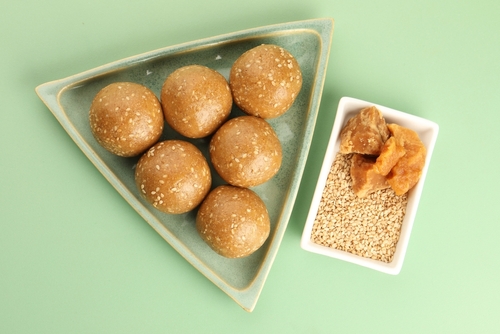
Food is a central part of the celebration. The most iconic treat of Makar Sankranti is Til-Gul—sweets made of sesame seeds (til) and jaggery (gul).
There is a famous phrase in Maharashtra: “Til-gul ghya, god god bola.” This translates to, “Accept this sweet and speak sweetly.” The act of sharing these sweets represents the resolving of past conflicts and the renewal of friendships. The ingredients themselves are significant; sesame and jaggery are warming foods, perfect for keeping the body warm during the last days of winter.
Celebrating from Afar
If you are living away from your home country, Makar Sankranti is a wonderful time to reconnect with your heritage. You can create a sense of festivity wherever you are.
- Visit a local temple: Many temples abroad host special prayers and community gatherings on January 14th.
- Prepare traditional food: Cooking a simple dish like Khichdi or Pongal can bring the aroma of home into your kitchen.
- Connect with family: A simple video call to wish your parents or siblings can mean the world to them.
- Send a gift: Sending money or a thoughtful gift is a practical way to contribute to the family celebrations back home.
Looking Forward to 2026
Makar Sankranti 2026 promises to be a time of warmth, abundance, and togetherness. Whether you are flying a kite on a rooftop in Ahmedabad, lighting a bonfire in Punjab, or sharing sweets with friends in a new country, the spirit of the festival remains the same.
It reminds us to be grateful for what we have, to bury old grudges, and to look forward to the brighter days ahead. As the sun begins its journey northward, may it bring prosperity and happiness to you and your loved ones.
Frequently Asked Questions (FAQs)
What is Makar Sankranti?
Makar Sankranti is one of the most widely celebrated festivals in India, marking the end of the winter solstice and the beginning of longer days as the Sun transitions into the zodiac sign of Capricorn (Makara). This festival is deeply rooted in Indian culture and signifies a time of harvest, gratitude, and new beginnings. Observed with great enthusiasm, it is considered an auspicious occasion for spiritual practices, charity, and family gatherings.
How is Makar Sankranti Celebrated Across India?
The traditions of Makar Sankranti vary across India, reflecting the diverse cultural fabric of the country.
- Tamil Nadu celebrates this festival as Pongal, where people prepare a special dish of the same name and worship the Sun God.
- Punjab and Haryana call it Lohri, marked by bonfires, folk songs, and dances.
- Gujarat is famous for its International Kite Festival, where colorful kites fill the sky in celebration of Uttarayan.
- West Bengal observes the Ganga Sagar Mela, where pilgrims take a holy dip at the confluence of the Ganges and the Bay of Bengal.
From kite flying to feasts of til-gur (sesame and jaggery sweets), the festival fosters a sense of unity, gratitude, and joy across different regions.