
For many living in the Gulf, late February marks a special time of reflection and joy. Kuwait National Day is more than just a public holiday; it is a vibrant celebration of sovereignty, resilience, and unity.
If you are planning to visit Kuwait or have loved ones there, understanding the significance of this day helps you connect deeper with the local culture. The holiday commemorates the accession of Sheikh Abdullah Al-Salem Al-Sabah, a pivotal leader who guided the nation toward modern statehood. It is a time when the streets of Kuwait City glow with lights, and families gather to honor their heritage.
Looking ahead to 2026, planning your celebrations or travel early is always a good idea. Knowing exactly when the holiday falls and what to expect can ensure you make the most of the festivities. Whether you are sending money home to family for the celebration or planning a trip to experience the fireworks firsthand, being prepared brings peace of mind.
This guide covers everything you need to know about Kuwait National Day 2026, from the confirmed dates to the historical events that made this day possible.
When is Kuwait National Day 2026?
In 2026, Kuwait National Day falls on Wednesday, February 25.
This holiday is traditionally followed immediately by Liberation Day on Thursday, February 26. Because these two holidays fall on a Wednesday and Thursday, it is likely that the public sector and many private businesses will enjoy a long weekend, potentially extending into the Friday weekend break.
While official announcements regarding specific days off for public and private sectors usually come closer to the date from the Kuwaiti government, you can generally expect banks, government offices, and many businesses to be closed on these dates.
A History of Independence and Leadership
To truly appreciate the festivities, it helps to look back at the history behind the date.
Why February 25th?
You might be surprised to learn that Kuwait actually gained full independence from Britain on June 19, 1961. In the early years, the National Day holiday was celebrated on this date. However, the scorching desert heat of June made outdoor celebrations difficult.
In 1963, a decision was made to move the official celebration to February 25. This date honors the accession of Sheikh Abdullah Al-Salem Al-Sabah, who became the Emir in 1950. Sheikh Abdullah is revered as a founding father of modern Kuwait. He negotiated the end of the 1899 protectorate treaty with Britain and established the country’s constitution, setting the foundation for the democratic institutions Kuwait has today.
The Significance of Liberation Day
The festivities on February 25 naturally flow into February 26, which marks Liberation Day. This day commemorates the end of the Gulf War in 1991, when coalition forces liberated Kuwait from Iraqi occupation after seven months of conflict.
Together, these two days form a powerful narrative of freedom: one representing the birth of the modern state, and the other its survival and resilience against aggression.
How Kuwait Celebrates
If you are in Kuwait during late February, you will witness a transformation of the country. The atmosphere is electric, filled with pride and community spirit.
Decorations and Lights
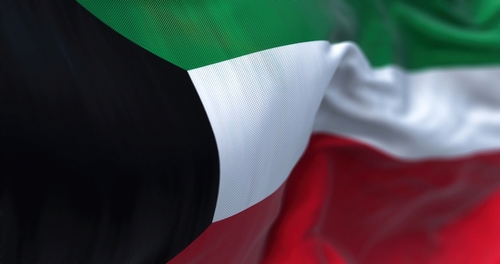
Weeks before the actual date, buildings, shopping malls, and private homes are draped in the colors of the Kuwaiti flag—black, green, white, and red. The Kuwait Towers, the country’s most famous landmark, are often illuminated in spectacular light displays.
Public Gatherings and Fireworks
The Gulf Road, a scenic coastal strip, becomes the heart of the action. People drive their cars decorated with flags, honking horns in rhythm and spraying foam—a playful local tradition. In the evening, massive firework displays light up the sky, drawing crowds from all over the region.
Traditional Music and Food
You will hear traditional Kuwaiti folk music playing in public spaces, often accompanied by the Arda, a traditional sword dance performed by men. Hospitality is central to Kuwaiti culture, so expect plenty of food sharing, with traditional dishes like Machboos (spiced rice with meat) being enjoyed at family gatherings.
Frequently Asked Questions
Is Kuwait National Day the same as Independence Day?
Yes and no. While it celebrates the nation’s independence, the date (February 25) actually marks the accession of Sheikh Abdullah Al-Salem Al-Sabah. The actual date of independence was June 19, 1961, but the holiday was moved to February to allow for cooler weather during celebrations.
Will banks and money transfer services be open?
Most banks and government offices in Kuwait will be closed on February 25 and 26. If you need to send money to Kuwait during this time, we recommend using online services or mobile apps like Remitly, which operate 24/7, ensuring your funds arrive even when physical branches are closed.
Is it safe to travel to Kuwait during National Day?
Yes, it is generally safe and very welcoming. However, be prepared for heavy traffic, particularly on the Gulf Road and around major malls. It is a busy, high-energy time, so plan your movements accordingly.
What are the colors of the Kuwaiti flag?
The flag features four colors:
- Green: Our lands
- White: Our deeds
- Red: Our swords (symbolizing power and sacrifice)
- Black: Our battles
Do businesses close for the entire week?
Typically, the public holiday lasts for two days (National Day and Liberation Day). However, depending on where these dates fall in the week, the government may declare a bridge holiday to connect it with the weekend. In 2026, with the holidays on Wednesday and Thursday, a long weekend is very likely.
Looking Forward
Kuwait National Day 2026 promises to be another spirited celebration of history and hope. Whether you are Kuwaiti, an expat living in the region, or simply an admirer of Gulf culture, this holiday offers a unique window into the heart of the nation.
Planning ahead—whether for travel, gifts, or financial transfers—ensures you can relax and enjoy the occasion. It is a moment to appreciate resilience, honor the past, and look forward to a prosperous future.