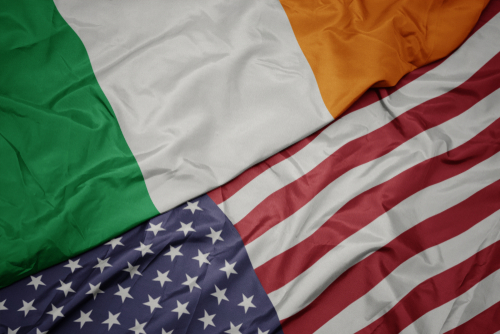

March is a special time of year when green ribbons appear on lapels, the sound of bagpipes fills the air, and cities across the United States celebrate a deep-rooted cultural bond. While many people associate the month strictly with St. Patrick’s Day, the entire month of March is federally recognized as Irish-American Heritage Month.
This observance is about more than just parades and shamrocks. It is a time to honor the millions of Irish immigrants who crossed the Atlantic to seek a better life and the profound impact their descendants have had on American society. From the architects who built our government buildings to the laborers who built our railroads, the story of America is deeply intertwined with the story of Ireland.
As we look toward March 2026, communities across the country are preparing to renew these celebrations. Whether you claim Irish ancestry or simply admire the culture, this month offers an opportunity to learn about a vital chapter of history. This guide explores the origins of Irish-American Heritage Month, the history behind the proclamation, and how you can participate in the festivities.
The Origins of Irish-American Heritage Month
The celebration of Irish culture in America dates back much further than the official federal recognition. In fact, the first recorded St. Patrick’s Day parade in New York City took place as early as 1762, organized by Irish soldiers serving in the British army. However, designating the entire month of March to honor this heritage is a more modern development.
The Path to Federal Recognition
The official journey began in October 1990, when Congress passed Public Law 101-418. This legislation requested that the President designate March 1991 as “Irish-American Heritage Month.”
Following this congressional request, President George H.W. Bush issued the first official proclamation in 1991. In his statement, he noted that “the distinct ‘Line of Ireland’ can still be traced throughout American culture.”
A Continuing Tradition
Since that first proclamation, the tradition has continued annually. Every year, the sitting U.S. President issues a proclamation that officially designates March as Irish-American Heritage Month. These documents typically highlight:
- The history of Irish immigration, particularly during the Great Famine.
- The shared values of the United States and Ireland.
- Notable contributions of Irish-Americans to public service, the arts, and industry.
While the specific text changes each year, the core message remains one of gratitude and friendship. For March 2026, we can expect a similar proclamation to be released by the White House in late February or on the first day of March, reaffirming this enduring connection.
Why We Celebrate: The Irish Contribution to America
The impact of the Irish on the United States is vast. During the 19th and 20th centuries, millions of immigrants left the rolling countryside of the Emerald Isle for cities like Boston, Chicago, and New York. They faced significant hardship and discrimination but eventually wove themselves into the fabric of American life.
Building a Nation
Irish hands were instrumental in physically building the United States. Many immigrants found work in construction, helping to build the Erie Canal, the Transcontinental Railroad, and the skylines of major cities.
Beyond manual labor, Irish-Americans shaped the very symbols of American democracy. James Hoban, an Irish-born architect, is responsible for designing the White House and assisting in the construction of the U.S. Capitol.
Public Service and Politics
The political influence of this community is undeniable. Nine of the men who signed the Declaration of Independence were of Irish origin. In the centuries since, numerous U.S. Presidents have traced their roots back to Ireland, including John F. Kennedy, Ronald Reagan, and Joe Biden. This political engagement helped secure labor rights and organize unions that improved working conditions for all Americans.
Arts and Culture
American literature and arts have been enriched by Irish storytelling traditions. Writers like Eugene O’Neill and F. Scott Fitzgerald brought a unique perspective to American letters. The tradition continues today through music, dance, and theater, which remain vibrant parts of the cultural landscape in 2026.
How to Celebrate in 2026
You don’t need to be in Ireland to feel the spirit of the Emerald Isle. Here are meaningful ways to observe Irish-American Heritage Month this year.
Attend a Parade
The St. Patrick’s Day parade remains the most visible celebration of the month. Major cities host massive events that draw millions of spectators.
- New York City: Home to the oldest and largest parade.
- Chicago: Famous for dyeing the Chicago River green, a tradition that usually occurs on the Saturday before St. Patrick’s Day.
- Savannah, Georgia: Hosts one of the largest processions in the South, proving that Irish heritage thrives in every corner of the country.
Explore Your Genealogy
For many families, March is a time to reconnect with their roots. With modern digital archives, it is easier than ever to trace ancestors who may have arrived through Ellis Island or other ports of entry. Many families use this month to plan visits to Ireland to see the towns or counties where their ancestors lived.
Culinary Traditions
Food is a central part of heritage. While corned beef and cabbage is the standard American interpretation, you might try cooking more traditional Irish dishes this month.
- Soda Bread: A simple, hearty bread made without yeast.
- Colcannon: A comforting dish of mashed potatoes mixed with kale or cabbage.
- Irish Stew: A slow-cooked meal typically made with lamb, potatoes, and root vegetables.
Cultural Education
Museums and cultural centers often host special exhibits during March. In 2026, look for events at local historical societies or Irish cultural centers that discuss the history of the Good Friday Agreement or the experience of Irish immigrants in your specific state.
Frequently Asked Questions
When is Irish-American Heritage Month?
Irish-American Heritage Month is observed every year during the month of March. This timing coincides with St. Patrick’s Day, which falls on March 17th.
Is Irish-American Heritage Month a federal holiday?
No, it is not a federal holiday where schools and banks close. It is a “commemorative observance.” This means the President issues a proclamation calling on the people of the United States to observe the month with appropriate ceremonies and activities, but it does not grant a day off from work.
Who started Irish-American Heritage Month?
While St. Patrick’s Day has been celebrated for centuries, the month-long observance officially began in 1991. Congress passed a law in late 1990 requesting the designation, and President George H.W. Bush issued the first proclamation for March 1991.
Why is St. Patrick’s Day on March 17th?
March 17th is traditionally considered the death date of Saint Patrick, the patron saint of Ireland. The day began as a religious feast day in the 17th century and has evolved into a secular celebration of Irish culture, especially in the United States.
How many Americans have Irish ancestry?
Millions of Americans claim Irish heritage. According to census data referenced in historical proclamations, the number of Americans with Irish roots is often cited as over 30 million, making it one of the largest ethnic groups in the country.
Honoring the Past, Looking to the Future
Irish-American Heritage Month 2026 is a time to reflect on resilience, faith, and family. It reminds us that the American story is written by people who came from distant shores to build a new life.
Whether you are marching in a parade, baking soda bread with your children, or simply wearing green to work, you are participating in a tradition that spans centuries. It is a moment to appreciate the struggles of the past and celebrate the enduring friendship between the United States and Ireland.