

People across the United States are discovering new ways to support each other and share resources locally. These shared, locally organized resources and services are known as community systems. They provide a practical way for neighbors to meet common needs outside of traditional market or government structures.
Economic pressures, climate-related disruptions, and social isolation are driving the rapid growth of these local solutions. Rising inflation and housing costs make it harder to afford daily necessities. Wildfires, severe storms, and power outages reveal the vulnerabilities of our standard infrastructure. At the same time, many people simply want stronger social ties and a deeper sense of belonging in their neighborhoods.
Because of these factors, community systems are no longer fringe ideas. They are becoming essential infrastructure in many U.S. communities. From sharing tools and food to generating local power, neighborhoods are taking resilience into their own hands. Let’s look closely at how tool libraries, community fridges, neighborhood microgrids, and mutual aid networks are actively reshaping local life.
What Are Community Systems?
Community systems operate on a few simple, powerful principles. They rely on shared ownership or shared access to resources. They prioritize local control and direct participation from the people who use them.
Above all, these systems focus on resilience, equity, and sustainability. They help ensure everyone has access to the things they need, regardless of their financial situation. They also build trust. Knowing you can rely on your neighbors provides peace of mind and true security during difficult times.

Why Community Systems Are Growing Now
Several pressing challenges are accelerating the adoption of community systems across the country.
Economic pressure is a primary factor. Inflation and high housing costs strain household budgets. Sharing resources helps reduce individual expenses and eases financial stress.
Climate-related disruptions also play a major role. Wildfires, hurricanes, and winter storms frequently cause supply chain failures and power outages. Localized systems offer reliable backups when larger systems fail.
Finally, people have a strong desire for stronger social ties. Mutual aid and shared projects create meaningful connections, reducing the social isolation that affects many communities today.
7 Types of Community Systems
Neighborhoods are building practical systems to address specific local needs. Here are seven common examples currently making a difference.
1. Tool Libraries

A tool library allows you to borrow tools instead of buying them. You can check out a power drill, a lawnmower, or gardening supplies just like you would a book. This model provides massive cost savings and reduces material waste. It also encourages skill-sharing among neighbors. You will find both city-run and volunteer-run tool libraries operating successfully across the country.
2. Community Fridges
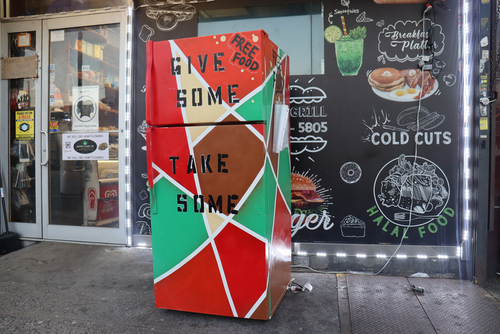
Community fridges are publicly accessible refrigerators stocked with food by neighbors and local businesses. They play a vital role in improving food security and reducing food waste. While they face challenges regarding maintenance, regulation, and food safety, their real-world impact is significant. They provide immediate, stigma-free access to fresh meals for anyone who needs them.
3. Repair Cafés & Fix-It Clinics

Repair cafés are events where knowledgeable volunteers help you repair broken items. Instead of throwing away a broken toaster or torn jacket, you learn how to fix it. This creates a cultural shift away from disposability. The social benefits are just as important as the environmental ones. These events foster intergenerational connection and hands-on learning in a welcoming environment.
4. Neighborhood Microgrids
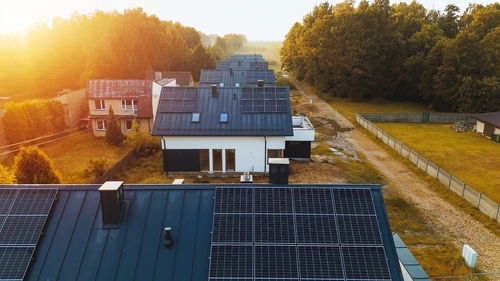
Neighborhood microgrids are small-scale, local energy systems. They often combine solar panels with battery storage. They offer vital resilience during power outages and promote energy independence. You will often see them in wildfire-prone or storm-prone regions. While cost, regulation, and technical complexity present barriers, microgrids provide essential energy security.
5. Time Banks & Skill-Sharing Networks
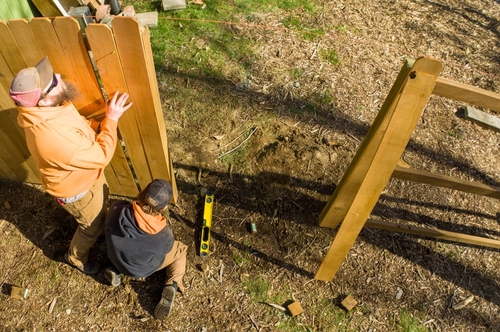
Time banks allow you to exchange services using time instead of money. If you spend an hour helping someone with gardening, you earn a time credit. You can then spend that credit to have someone help you with tutoring or home repairs. This system builds social capital, trust, and mutual respect among community members.
6. Community Gardens & Urban Agriculture
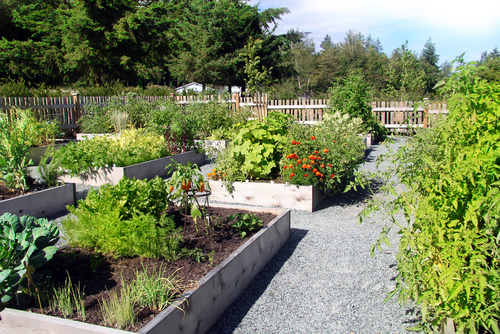
Community gardens are shared growing spaces cultivated by local residents. They provide direct access to fresh, healthy food. Beyond food access, they offer significant environmental and mental health benefits. These green spaces serve as peaceful anchors in dense urban neighborhoods.
7. Mutual Aid Networks
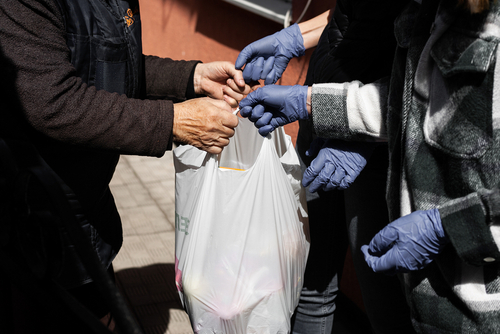
Mutual aid networks are grassroots support systems where people provide direct assistance to one another. This includes sharing money, food, and transportation. Unlike traditional charity, mutual aid is reciprocal and community-led. These networks grew massively during the COVID-19 pandemic and remain strong support structures today.
What These Local Systems Have in Common
Despite their differences, all community systems share core characteristics. They are built entirely on trust and active participation. They are hyper-local, meaning they adapt easily to the specific needs of a single neighborhood.
While they are often volunteer-driven, many are becoming institutionalized as established nonprofits or city partnerships. Most importantly, they fill the critical gaps left by standard market systems and government programs.
The Core Benefits of Community Systems
Investing time and energy into local systems provides clear, measurable benefits for everyone involved.
Economic benefits are immediate. Sharing resources lowers the cost of living and reduces individual household expenses.
Environmental benefits naturally follow. Less buying means less waste and more reuse. Localized systems inherently reduce a neighborhood’s carbon footprint.
Social benefits strengthen the fabric of the community. People develop stronger relationships and deeper trust. This greatly reduces isolation and loneliness.
Resilience is the ultimate outcome. Communities with shared systems respond much better to crises and disruptions. They achieve a level of local self-sufficiency that keeps people safe.
Challenges and Limitations
Running community systems is not without difficulty. Securing funding and ensuring long-term financial sustainability is a constant hurdle. Volunteer burnout is common, as maintaining these systems requires consistent time and energy.
Legal and regulatory hurdles can also slow progress. Zoning laws and liability concerns often complicate grassroots efforts. Additionally, there are valid equity concerns regarding who has the time to participate and who actually gets access to the resources. Finally, scaling these projects without losing their close-knit community focus requires careful planning.

How to Get Involved Locally
You can take action today to strengthen your own neighborhood. Here are practical ways to get started.
First, look for existing systems near you. Check local directories, neighborhood Facebook groups, or city program websites.
If you want to create something new, start small. Host a repair day in your garage, set up a mini pantry on your street, or organize a small tool-sharing group with your immediate neighbors.
Partner with local organizations to increase your chances of success. Public libraries, established nonprofits, and local government offices often provide space or resources.
Finally, advocate for policy support. Speak up at city council meetings for zoning changes, public funding, and infrastructure that supports community-led initiatives.
The Future of Shared Local Infrastructure
Community systems will continue to grow and evolve. We are already seeing increasing integration with local governments. Cities are beginning to recognize and fund these initiatives as essential services.
Technology is also enabling better coordination. Specialized apps and platforms make it easier to share resources and organize volunteers. As climate adaptation planning becomes more urgent, local shared infrastructure will play a central role. These systems are moving quickly from nice-to-have neighborhood projects to absolutely essential community infrastructure.
Building a More Resilient Neighborhood
We are witnessing a meaningful shift from individual consumption to shared, collaborative systems. This movement proves that communities have the power to protect and support themselves. You do not have to wait for top-down solutions to improve your neighborhood.
By sharing what we have, we build trust and security. Find a mutual aid group, visit a tool library, or talk to your neighbors about starting a shared project today.
Frequently Asked Questions (FAQs)
What is a community system?
A community system is a locally organized initiative where people share resources, services, or infrastructure to meet common needs—often outside traditional market or government systems.
Are community systems legal?
Most are, but regulations vary by city and state. Things like food sharing, energy systems, or public installations may require permits or compliance with local rules.
How do community fridges stay stocked?
They rely on donations from neighbors, local businesses, and sometimes nonprofits. Some also have volunteer coordinators.
Do tool libraries charge membership fees?
Some are free, while others charge small annual fees to cover maintenance and tool replacement.
What’s the difference between mutual aid and charity?
Mutual aid is typically community-led and reciprocal—participants both give and receive support—while charity is often more top-down.
Are microgrids only for wealthy communities?
Not necessarily. While startup costs can be high, there are increasing efforts to build microgrids in vulnerable and low-income areas through grants and public funding.
How can I start a community system in my neighborhood?
Start by identifying a need, gathering a small group, and launching a simple pilot (like a tool-sharing group or mini pantry). Build from there.
Do these systems actually make a measurable impact?
Yes—many reduce waste, lower costs, improve food access, and increase community resilience, though impact varies depending on participation and scale.



