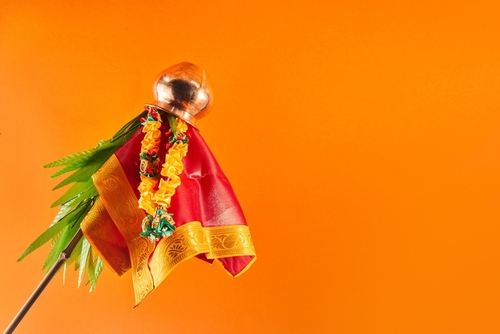

The morning air feels different on Gudi Padwa. Outside homes across Maharashtra, bright silk cloths flutter in the breeze atop bamboo staffs, catching the early sunlight. Kitchens buzz with activity as the rich aroma of ghee and cardamom from freshly made Puran Poli drifts through the house. Families wake up early, not just to a new day, but to a new year filled with hope.
This is the essence of Gudi Padwa. For Marathi and Konkani Hindus, this festival is more than a date on a calendar. It marks the beginning of the New Year and serves as a spiritual reset. It is a time to celebrate victory, invite prosperity into the home, and honor traditions passed down through generations.
In 2026, as communities come together to hoist the Gudi and share festive meals, the focus remains on gratitude and optimism. Whether you are celebrating in Pune, Mumbai, or halfway across the world, Gudi Padwa offers a moment to reflect on the past and embrace the future with confidence.
When Is Gudi Padwa in 2026?
Gudi Padwa will be celebrated on Thursday, March 19, 2026.
The date changes annually because it is determined by the lunisolar Hindu calendar. It falls on the first day of the month of Chaitra, which usually occurs in March or April of the Gregorian calendar. This day marks the beginning of the spring season and the start of the traditional New Year.
For those following the Vikram Samvat calendar system, this day marks the beginning of the year 2083. It is considered one of the sade-teen muhurats (three and a half auspicious moments) of the year, making it a preferred day to start new ventures, buy property, or make significant investments.
The Spiritual and Cultural Significance
The name “Gudi Padwa” is derived from two words. “Gudi” refers to the decorated flag or emblem raised on this day, and “Padwa” comes from the Sanskrit word Pratipada, which means the first day of the lunar phase.
A Celebration of Victory
There are several legends associated with the festival, but two are most prominent. Many believe this day commemorates Lord Rama’s triumphant return to Ayodhya after defeating Ravana and completing his exile. The Gudi is raised to symbolize victory and the joy of his subjects.
Others attribute the celebration to the Shalivahana dynasty. It is said to mark the victory of King Shalivahana over the Shakas, signifying the triumph of his people and the start of the Shalivahana Shaka calendar.
A Time for Renewal
Beyond historical legends, Gudi Padwa is deeply connected to nature. Occurring at the onset of spring, it symbolizes the harvest of Rabi crops. The festival encourages people to mirror nature’s renewal by cleaning their homes, wearing new clothes, and refreshing their outlook on life. It is a day to leave behind old grudges and step forward with a positive mindset.
Key Rituals and Customs
The beauty of Gudi Padwa lies in its simplicity and the meaningful rituals performed within the home. Each step of the celebration has a specific purpose, aimed at bringing health and happiness to the family.
Hoisting the Gudi
The defining ritual of the day is the raising of the Gudi. This is usually done shortly after sunrise. The Gudi is a bamboo stick, capped with a bright silk cloth (often a saree piece) and an overturned copper or silver pot (kalash). It is decorated with a garland of flowers, mango leaves, and neem leaves.
Families place the Gudi at the entrance of the house or on a window/balcony where it is visible to others. It is believed to ward off evil, invite prosperity, and act as a symbol of victory.
House Cleaning and Rangoli
Preparations often start days in advance. Homes are thoroughly cleaned to remove clutter and dust, signifying the removal of negativity. On the morning of the festival, the main entrance is decorated with fresh mango leaves and marigold flowers.
Women draw intricate Rangoli patterns on the floor near the doorstep. These colorful designs are meant to welcome guests and positive energy into the home.
The Traditional Puja
After the Gudi is hoisted, families perform a puja (prayer ceremony). They offer prayers to Lord Brahma, who is believed to have created the universe on this day, and invoke blessings for the year ahead. This is often a private, intimate family affair filled with devotion.
The “Bittersweet” Offering
One unique custom involves consuming a mixture of neem leaves and jaggery (cane sugar) early in the morning. Sometimes tamarind is added for sourness. This specific combination represents the diverse experiences of life. The bitterness of neem symbolizes sadness or difficulty, while the jaggery represents joy and happiness.
Eating this mixture is a reminder that life consists of both good and bad times, and one must accept both with equanimity. Additionally, neem has significant medicinal properties, acting as a blood purifier and boosting immunity as the seasons change.
Festive Foods: The Taste of Gudi Padwa
No Marathi celebration is complete without its traditional cuisine. The food prepared on Gudi Padwa brings families together and showcases the rich culinary heritage of Maharashtra.
Puran Poli
The centerpiece of the feast is undoubtedly Puran Poli. This is a sweet flatbread stuffed with a mixture of chana dal (split chickpeas), jaggery, cardamom, and nutmeg. It is typically served warm with a generous drizzle of ghee and sometimes milk. Making Puran Poli is a labor of love, often requiring skill and patience.
Shrikhand and Poori
Another popular dish is Shrikhand, a thick, sweetened yogurt flavored with saffron and cardamom. It is usually paired with hot, fluffy Pooris (fried bread). This combination is especially popular during the warm spring weather.
Katachi Amti
To balance the sweetness of the Puran Poli, a spicy dal called Katachi Amti is served. It is made using the strained water left over from boiling the chana dal for the Puran Poli, ensuring nothing goes to waste.
Celebrations Across Regions and the Diaspora
While the heart of the festival beats in Maharashtra, Goa, and parts of Karnataka, the spirit of Gudi Padwa transcends borders.
In Maharashtra, specifically in cities like Mumbai, Pune, and Nagpur, you will see grand processions known as Shobha Yatras. People dress in traditional attire—women in Nauvari (nine-yard) sarees and men in Kurta-Pajamas with turbans. These processions feature joyous dancing (Lezim), drumming (Dhol Tasha), and floats depicting cultural themes.
However, the Marathi diaspora ensures the tradition thrives globally. In the United States, UK, and Australia, Marathi cultural associations organize community gatherings. These events serve as a vital link for families living abroad, helping them pass cultural values to the younger generation. They often include puja ceremonies, cultural performances, and potluck lunches featuring traditional dishes.
For those away from home, these gatherings provide a sense of belonging and a comforting reminder of their roots.
Ways to Celebrate Gudi Padwa in 2026
If you are looking to observe the festival this year, here are a few meaningful ways to participate:
- Raise a Gudi: Even if you live in an apartment, you can hoist a small Gudi on your balcony or near a window. You can easily find the materials—a bamboo stick, a piece of bright cloth, and a small metal pot—at home or local Indian stores.
- Cook a Traditional Meal: Try your hand at making Shrikhand or Puran Poli. If cooking isn’t your strength, support a local Marathi restaurant or caterer by ordering a festive thali.
- Reflect and Plan: Since this is the New Year, take a quiet moment to write down your goals. Reflect on the victories of the past year, no matter how small.
- Connect with Family: If you cannot be with your family in person, a video call to wish them “Gudi Padwyachya Hardik Shubhechha” goes a long way.
- Support Cultural Events: Look for local events organized by Marathi Mandals in your area. Attending these can be a great way to experience the vibrancy of the culture.
Frequently Asked Questions (FAQ)
Is Gudi Padwa a public holiday?
In the state of Maharashtra, India, Gudi Padwa is a gazetted public holiday. Government offices, schools, and banks are typically closed. In other parts of India and abroad, it is generally a regular working day, though families often take time off to celebrate.
What is the correct greeting for the festival?
The traditional greeting in Marathi is “Gudi Padwyachya Hardik Shubhechha,” which translates to “Heartfelt wishes for Gudi Padwa.” You can also simply say “Happy Gudi Padwa.”
Why is the pot on the Gudi placed upside down?
The inverted copper or silver pot on top of the Gudi is believed to symbolize a head or a crown. It represents perfection and achievement. Spiritually, the inverted position is also thought to better absorb positive cosmic energies and transmit them into the household.
Can anyone celebrate Gudi Padwa?
Absolutely. While it is a Hindu festival with roots in Maharashtra, the themes of new beginnings, victory of good over evil, and the celebration of nature’s harvest are universal. Anyone can partake in the festivities, enjoy the food, and appreciate the cultural significance.
What is the difference between Ugadi and Gudi Padwa?
They are essentially the same festival celebrated on the same day, but in different regions. Gudi Padwa is celebrated in Maharashtra, while Ugadi (or Yugadi) is celebrated in the southern states of Karnataka, Telangana, and Andhra Pradesh. The rituals differ slightly, but the significance of the New Year remains the same.
Embracing a New Beginning
Gudi Padwa is a reminder that every year brings a fresh slate. It is a day that balances the bitter and the sweet, teaching us to face life with resilience and grace.
As March 19, 2026 approaches, let the raising of the Gudi be a symbol of your own personal victories and aspirations. Share photos of your celebrations, your homemade Puran Poli, or your beautiful Rangoli designs with your community online. Let us celebrate this heritage with pride.
We wish you and your family a year filled with prosperity, health, and happiness. Gudi Padwyachya Hardik Shubhechha!