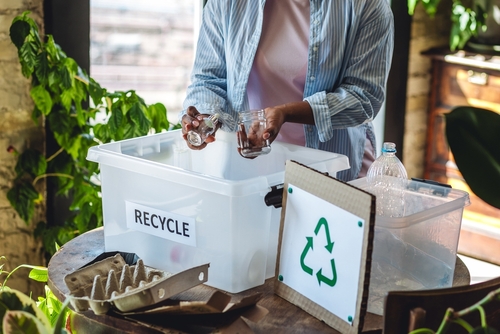

Imagine tossing a plastic bottle into a bin. You might just see trash, but that bottle represents potential. It could become a new pair of sneakers, a park bench, or even energy to power a school.
On Wednesday, March 18, 2026, the world comes together to recognize this potential. This is Global Recycling Day. The goal is simple but powerful: we need to shift how we look at what we throw away. Instead of seeing waste, we must see opportunity.
Recycling is one of the most effective ways we can protect our planet. It saves resources, reduces pollution, and creates jobs. Yet, many of us still have questions about how it works or why it matters. This guide explains what Global Recycling Day is, why the 2026 theme is so important, and how you can take simple steps to make a difference.
What Is Global Recycling Day?
Global Recycling Day is an annual event that aims to secure the future of our planet. It was established by the Global Recycling Foundation in 2018. The mission is clear: to promote the vital role recycling plays in preserving our primary resources.
We often think about the earth’s six primary natural resources: water, air, coal, oil, gas, and minerals. However, there is a “Seventh Resource” that is just as important. That resource is the materials we recycle.
When we reuse materials, we stop draining the earth’s natural reserves. We save energy and protect the environment. This day is a global reminder that recycling is a collective responsibility. It is not just a local issue; it is a global movement that connects us all.
When Is Global Recycling Day 2026?
Mark your calendars. Global Recycling Day falls on Wednesday, March 18, 2026.
On this day, communities, businesses, and governments across the globe will unite. From local neighborhood cleanups to major corporate announcements, the day is marked by action and education. It serves as a focal point for environmental campaigns and a celebration of the progress we have made so far.
The 2026 Theme: Don’t Think Waste — Think Opportunity
Every year, Global Recycling Day adopts a specific theme to guide the conversation. For 2026, the theme is “Don’t Think Waste — Think Opportunity.”
This theme challenges us to change our mindset. It asks us to look at a discarded aluminum can or a cardboard box and see value rather than garbage. When we view waste as an opportunity, we unlock new possibilities.
Innovation and creativity
Recycling drives innovation. Engineers and designers are constantly finding new ways to use old materials. For example, ocean plastic is being transformed into durable clothing. Old tires are being repurposed into playground surfaces. When we think of waste as an opportunity, we encourage this type of creative problem-solving.
Economic growth
There is real economic value in recycling. It is cheaper to use recycled aluminum than to mine new bauxite ore. By keeping materials in the loop, businesses save money. Furthermore, the recycling industry creates jobs. From collection and sorting to processing and manufacturing, turning waste into new products supports livelihoods around the world.
Why Recycling Matters More Than Ever
Recycling is often discussed, but the impact is sometimes underestimated. It is crucial for three main reasons: the environment, the economy, and the climate.
Environmental Impact
Our planet has limited resources. Every time we recycle paper, we save trees. Every time we recycle plastic, we prevent it from ending up in our oceans or landfills. Landfills are running out of space, and they emit harmful gases as waste decomposes. By recycling, we reduce the amount of waste sent to these sites and minimize pollution.
Economic Value
The recycling industry is a major economic engine. It contributes billions of dollars to the global GDP. It supports millions of jobs in both the formal and informal sectors. These jobs are essential. They range from the “waste pickers” who play a vital role in cleaning up cities to the scientists developing new recycling technologies.
Climate Action
Climate change is the defining issue of our time. Recycling is a powerful tool in the fight against it. Manufacturing products from recycled materials uses significantly less energy than making them from raw materials.
For instance, producing new aluminum from old cans uses 95% less energy than making it from scratch. Less energy consumption means fewer greenhouse gas emissions. By recycling, we directly contribute to lowering the carbon footprint of the products we use every day.
The Circular Economy
You might hear the term “circular economy” used alongside recycling. The current standard is a “linear economy,” where we take, make, and dispose. A circular economy keeps resources in use for as long as possible. We extract the maximum value from them while in use, then recover and regenerate products and materials at the end of each service life. Recycling is the heartbeat of this system.
How the World Celebrates
Global Recycling Day is celebrated in many different ways. It is inspiring to see how different cultures and communities approach the day.
Community Initiatives
Local action is the foundation of the movement. You will often see beach cleanups organized by community groups. Neighborhoods host “repair cafés” where people can bring broken items to be fixed rather than throwing them away. Recycling drives collect hard-to-recycle items like electronics or batteries.
Corporate Campaigns
Businesses play a large role. Many companies use March 18 to launch new sustainability goals. They might announce a switch to 100% recyclable packaging or commit to reducing their waste production. These corporate commitments help drive large-scale change.
Schools and Youth Projects
Education is key to the future of recycling. Schools often host art contests where students create sculptures from trash. Workshops teach children how to sort waste correctly. These activities empower the next generation to be better stewards of the planet.
Social Media Challenges
The conversation happens online, too. Hashtags like #GlobalRecyclingDay and #RecyclingHeroes allow people to share their stories. It is a way to showcase success and inspire others to take action.
How You Can Participate
You do not need to be an environmental expert to make a difference. Here are four simple ways you can participate in Global Recycling Day 2026.
1. Audit your own waste
Start by looking at what you throw away. For one week, pay attention to your trash bin. Are you throwing away food that could be composted? Are there plastics that could be recycled? Understanding your habits is the first step toward changing them.
2. Support local programs
Recycling rules vary from place to place. What is accepted in one city might not be accepted in another. Take the time to check your local guidelines. Make sure you are sorting your recycling correctly to avoid contamination. If your community lacks good services, advocate for them. Contact local officials and ask for better recycling options.
3. Buy recycled products
Recycling only works if there is a market for the recycled material. You can help close the loop by purchasing products made from recycled content. Look for items with sustainable packaging. Choose brands that prioritize the environment. When you buy recycled, you create a demand for the “Seventh Resource.”
4. Share your story
Use your voice. Tell your friends and family why you care about recycling. Post a picture of your recycling efforts on social media using the 2026 theme. Your example can inspire others to make small changes that add up to a big impact.
Recognizing Recycling Heroes
A special part of Global Recycling Day is the recognition of “Recycling Heroes.” These are individuals, businesses, or cities that go above and beyond.
It could be a teacher who started a composting program at their school. It could be a startup company that invented a way to recycle textiles. These heroes prove that one person or one idea can change the world. They remind us that we all have the power to turn trash into impact.
Frequently Asked Questions
Understanding recycling can sometimes be confusing. Here are answers to some common questions.
Q1: Who started Global Recycling Day?
It was launched by the Global Recycling Foundation in 2018. Their goal was to promote recycling as essential to the planet’s future and to unify the global approach to waste.
Q2: Why is recycling called the “Seventh Resource”?
Primary resources include water, air, coal, oil, gas, and minerals. Recycled materials are called the “Seventh Resource” because they can replace or reduce the use of those six primary natural resources. This creates a new, sustainable stream of materials.
Q3: What are common items that can be recycled?
While rules vary by location, common items include paper, cardboard, aluminum cans, steel tins, glass bottles, and many rigid plastics. Always check with your local provider to be sure.
Q4: Can recycling really help with climate change?
Yes, absolutely. Recycling reduces the need to extract raw materials from the earth. This lowers the energy required for manufacturing and reduces emissions tied to disposal, such as methane from landfills.
Q5: What if my community doesn’t offer strong recycling services?
If curbside pickup isn’t available, look for drop-off locations for recyclable materials. You can also focus on reducing your waste and reusing items. Composting food scraps is another great way to reduce what you send to the landfill.
Looking Toward the Future
Recycling is not just a daily habit; it is a hope for the future. It is a tangible way to say that we care about the world we leave behind.
Global Recycling Day 2026 is an invitation. It invites us to stop seeing waste as an end and start seeing it as a new beginning. By treating our resources with respect, we build a cleaner, greener economy. Whether you sort your bottles, buy recycled paper, or simply spread the word, you are part of the solution.
Let’s use March 18 as a starting line. Together, we can turn waste into opportunity and protect our planet for generations to come.