
Imagine the scene at Black Star Square in Accra. The air is thick with excitement. Thousands of people fill the stands, waving red, yellow, and green flags. The sound of drums mixes with the cheers of the crowd as parades wind through the streets.
This is the energy of Ghana Independence Day. On March 6, 2026, Ghanaians at home and abroad will come together to mark one of the most significant days in their nation’s history. It is a time for celebration, deep reflection, and an outpouring of national pride.
Whether you are in Accra or observing from thousands of miles away, understanding the history and traditions of this day connects you to a powerful legacy. This guide covers the history behind the holiday, the symbols that define it, and how you can participate in the festivities this year.
What Is Ghana Independence Day?
Independence Day is a national public holiday in Ghana observed every year on March 6. It marks the day in 1957 when the country officially declared its freedom from British colonial rule. Before this historic moment, the region was known as the Gold Coast.
This holiday is not just important for Ghanaians. It holds a special place in history as the first time a sub-Saharan African country gained independence from European colonial rule. This achievement lit a spark across the continent, inspiring independence movements in many other African nations.
The Historical Journey to March 6, 1957
The road to independence was long and required immense courage. For years, the region existed under British control as the Gold Coast, named for its abundant gold resources. However, the desire for self-governance grew strong in the mid-20th century.
The Push for Autonomy
Political activism surged in the late 1940s. Movements like the United Gold Coast Convention (UGCC) began to demand change. A key figure emerged during this time: Kwame Nkrumah. His charismatic leadership and vision for a free Africa galvanized the population.
Nkrumah broke away from the UGCC to form the Convention People’s Party (CPP), which pushed for “Self-Government Now.” His message resonated with the people, leading to strikes and protests that demonstrated the country’s unified desire for freedom.
The Declaration
On March 6, 1957, the dream became reality. The Gold Coast was renamed Ghana, after the ancient West African empire. Kwame Nkrumah became the country’s first Prime Minister and later its first President.
Standing at the Old Polo Grounds in Accra, Nkrumah delivered a powerful speech that is still remembered today. He declared, “At long last, the battle has ended! And thus, Ghana, your beloved country is free forever!”
Key Symbols and Sites
When you see images of Independence Day, you will likely notice specific landmarks and symbols. These are central to the identity of the nation.
Black Star Square
Also known as Independence Square, this is the heart of the national celebrations in the capital city of Accra. It is a massive parade ground capable of holding tens of thousands of spectators. It was commissioned by Kwame Nkrumah to honor the visit of Queen Elizabeth II, but it stands today as a symbol of Ghanaian sovereignty.
Independence Arch
Located within Black Star Square, the Independence Arch is a monumental tribute to the country’s freedom struggle. It stands tall as a reminder of the resilience of the Ghanaian people.
The Flag of Ghana
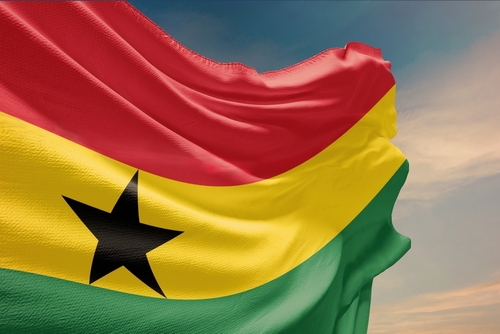
The national flag is full of meaning. It was designed by Theodosia Okoh and features three horizontal bands of red, gold, and green, with a black star in the center.
- Red: Represents the blood of those who died in the country’s struggle for independence.
- Gold: Represents the mineral wealth of the country.
- Green: Represents the country’s rich forests and natural wealth.
- The Black Star: Represents the lodestar of African freedom and emancipation.
Traditions and Celebrations in 2026
If you are planning to celebrate in 2026, you can expect a vibrant mix of formal ceremonies and lively street parties.
The National Parade
The main event takes place at Black Star Square. It features a grand parade with military contingents, police forces, and school children marching in precision. The President of Ghana typically inspects the guard of honor and delivers an official address to the nation. This speech often touches on themes of unity, economic progress, and national peace.
March Past and Civic Events
While the main event is in Accra, similar parades happen in regions across the country. Known as “March Pasts,” these events involve thousands of students and civic groups. They march to show their patriotism and respect for the nation’s history. It is a living tribute to the unity that independence brought to the country.
Cultural Festivities
After the formal parades, the atmosphere turns festive. You will hear Highlife and Hiplife music blasting from speakers. Traditional dance performances take over the streets. People dress in their finest traditional attire, often wearing Kente cloth or fabrics featuring the national colors. Families gather for meals, sharing dishes like jollof rice, fufu, and banku.
Diaspora Celebrations
The celebration is not limited to Ghana’s borders. In major cities around the world—from London to New York to Toronto—Ghanaian communities organize their own events. These include food festivals, church services, and cultural showcases that keep the heritage alive for those living abroad.
Why It Still Matters
Independence Day is more than just a day off work. It is a yearly reminder of the sacrifice and resilience of the ancestors who fought for freedom.
It encourages citizens to reflect on how far the nation has come. It is also a time to look forward. The holiday fosters a sense of national identity that transcends tribal and regional differences. It invites every citizen to contribute to the development and prosperity of the nation.
How to Observe or Participate Globally
You do not need to be in Accra to honor this day. Here are a few ways to get involved in 2026:
- Watch the Parade: Many news outlets and online platforms broadcast the national parade live. Tuning in connects you with the celebrations on the ground.
- Learn the History: Take some time to read about Kwame Nkrumah and the other members of “The Big Six” who led the independence movement. Understanding their struggle adds depth to the celebration.
- Attend a Local Event: Look for Ghanaian community groups in your area. They often host dinners, dances, or cultural educational sessions around March 6.
- Share on Social Media: Use hashtags like #GhanaIndependenceDay or #GhanaAt69 to share photos, stories, or messages of goodwill. It helps spread awareness and pride.
Frequently Asked Questions
When is Ghana Independence Day?
Ghana Independence Day is celebrated annually on March 6. In 2026, the holiday falls on a Friday.
Why was Ghana’s independence so significant?
Ghana was the first country in sub-Saharan Africa to gain independence from colonial rule. Its success proved that African nations could govern themselves and inspired liberation movements across the entire continent.
Who was the first leader of independent Ghana?
Kwame Nkrumah was the first leader. He served as the first Prime Minister and later the first President of Ghana. He is a central figure in the history of Pan-Africanism.
What does the Black Star on the flag represent?
The Black Star represents African emancipation and freedom. It serves as a guiding symbol for African people everywhere.
Honoring the Legacy
Ghana Independence Day is a celebration of freedom earned and identity affirmed. It is a day to honor the past while striving for a future grounded in unity and prosperity.
As March 6 approaches, take a moment to appreciate the journey of this nation. Whether you are wearing the national colors, eating a plate of jollof, or simply learning more about the history, you are helping to keep the spirit of independence alive.