
The Gambia, often called “The Smiling Coast of Africa,” has a rich history of resilience and culture. Every year on February 18, Gambians at home and abroad come together to celebrate their nation’s freedom and sovereignty.
This public holiday marks the day The Gambia gained full independence from the United Kingdom in 1965. It is a time for reflection, national pride, and vibrant festivities. Whether you are planning to visit The Gambia or celebrating from afar, understanding the significance of this day adds depth to the experience.
Here is everything you need to know about Gambia Independence Day 2026, including its history, how it is celebrated, and what you can expect on this historic anniversary.
The History of Independence
The road to freedom for The Gambia was long but peaceful. The country had been a British colony and protectorate for centuries, with its borders defined by the path of the Gambia River. By the 1960s, the push for self-governance across Africa was gaining momentum, and The Gambia was no exception.
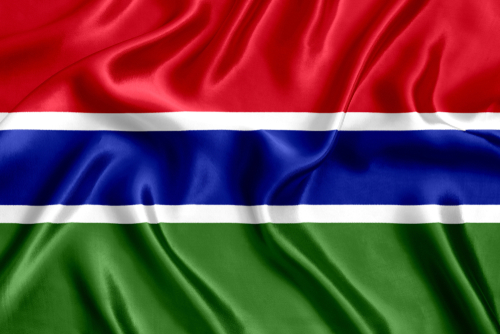
On February 18, 1965, the Union Jack was lowered, and the red, blue, green, and white flag of The Gambia was raised for the first time. The country initially became a constitutional monarchy within the Commonwealth, with Queen Elizabeth II as the head of state. Five years later, in 1970, The Gambia became a republic.
This transition was led by Sir Dawda Kairaba Jawara, who became the first Prime Minister and later the first President. His leadership helped establish a foundation of stability that the country continues to build upon today.
When is Gambia Independence Day 2026?
Gambia Independence Day is celebrated annually on February 18.
In 2026, the holiday falls on a Wednesday.
Because it is a public holiday, government offices, schools, and many businesses will be closed. This allows citizens to fully participate in the parades and festivities that take place throughout the country.
How Independence Day is Celebrated
Celebrations in The Gambia are colorful, energetic, and deeply patriotic. While the official events take place in the capital city of Banjul, the spirit of independence is felt in every town and village.
The Official Parade at McCarthy Square
The main event is traditionally held at McCarthy Square in Banjul. This formal ceremony is attended by the President, government officials, diplomats, and religious leaders.
A highlight of the day is the “March Past,” where schoolchildren, teachers, security forces, and voluntary organizations parade in front of the President. It is a moment of immense pride for students, who practice for weeks to perfect their marching.
Cultural Performances and Festivities
After the formal ceremonies, the atmosphere turns festive. You will see cultural troupes performing traditional dances and music, showcasing the diversity of The Gambia’s ethnic groups. From the rhythmic drums of the Mandinka to the elegant costumes of the Wolof, the celebrations highlight the unity of the nation.
In 2026, as the country marks its 61st year of independence, you can expect even more vibrant displays of culture. Local communities often organize football matches, street parties, and family feasts.
Celebrating with Food
No Gambian celebration is complete without delicious food. Families gather to share meals like Benachin (Jollof rice) and Domoda (peanut stew). These dishes are often cooked in large pots and shared with neighbors and visitors, reflecting the warm hospitality the country is famous for.
Exploring The Gambia During the Holiday
If you are visiting The Gambia in February, the weather is typically warm and dry, making it an excellent time to explore.
Visit the National Museum
Located in Banjul, the National Museum offers a deep dive into the country’s history. You can see artifacts from the colonial era, traditional instruments, and photographs documenting the struggle for independence.
Arch 22
This massive gateway at the entrance to Banjul was built to commemorate the military coup of 1994, but it also offers one of the best views of the city. On Independence Day, the area around the arch is often bustling with activity.
Kunta Kinteh Island
For a sobering but essential look at the region’s history, a trip to Kunta Kinteh Island (formerly James Island) is recommended. This UNESCO World Heritage site was a key post during the transatlantic slave trade and serves as a powerful reminder of the resilience of the Gambian people.
Why This Day Matters for the Diaspora
For Gambians living abroad, Independence Day is a vital link to their heritage. It is a day to wear traditional attire, cook Gambian food, and teach younger generations about their history.
Remittance services play a crucial role during this time. Many in the diaspora send money home to help family members prepare feasts or buy new clothes for the celebrations. It is a way to participate in the joy of the holiday, even from thousands of miles away.
Frequently Asked Questions
Is February 18 a public holiday in The Gambia?
Yes, February 18 is a statutory public holiday in The Gambia. Government offices, banks, and schools are closed to allow for national celebrations.
How old is The Gambia in 2026?
In 2026, The Gambia will celebrate its 61st anniversary of independence. The country gained independence from Britain in 1965.
What is the capital city of The Gambia?
The capital city is Banjul. It is the center of government and the location for the main Independence Day parade at McCarthy Square.
What do the colors of the Gambian flag represent?
The flag features four colors:
- Red: Represents the sun and the savannah.
- Blue: Represents the Gambia River, which runs through the country.
- Green: Represents the land, forests, and agriculture.
- White: Represents peace and unity.
Can tourists participate in the celebrations?
Absolutely. The Gambia is known for its hospitality. Tourists are welcome to watch the parades, attend cultural events, and enjoy the local food. It is a fantastic way to experience the local culture firsthand.
Celebrating Unity and Progress
Gambia Independence Day 2026 is more than just a date on the calendar. It is a celebration of freedom, culture, and the enduring spirit of the Gambian people.
Whether you are marching in Banjul, sharing a bowl of Benachin with family, or sending support from abroad, this day is a reminder of how far the nation has come. As The Gambia looks toward the future, the values of peace and unity remain at the heart of its identity.