
It is 10:00 AM on a Wednesday in Stockholm. In offices across the city, work comes to a halt. Computers are locked, phones are set aside, and colleagues move toward a communal break room. Someone has brewed a fresh pot of strong, dark coffee. A plate of cinnamon buns sits on the table. For the next 15 to 20 minutes, no one discusses quarterly reports or deadlines. They simply talk.
This is not just a coffee break. This is fika.
To an outsider, it might look like a simple pause for caffeine. But for Swedes and many Scandinavians, fika is a social institution. It is a deliberate moment to slow down and appreciate the good things in life: coffee, sweets, and conversation. It is a daily practice that prioritizes connection over efficiency, yet ironically, often leads to better work and stronger relationships.
This guide explores the history, meaning, and modern relevance of fika, and how you can bring this comforting ritual into your own routine.
What Fika Really Means
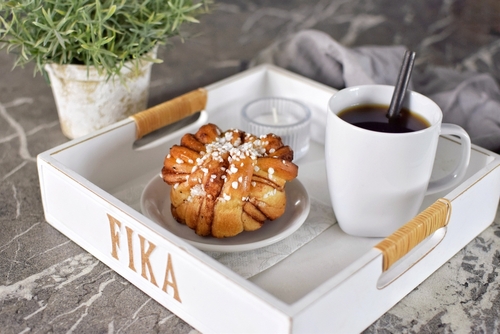
The word fika (pronounced fee-kah) functions as both a noun and a verb. You can take a fika, or you can fika with a friend. While English speakers might translate it as “coffee break,” that definition misses the point. A standard coffee break often involves grabbing a paper cup to go or drinking caffeine at your desk while catching up on emails. That is not fika.
Fika is defined by a dedicated pause. It requires you to stop what you are doing. If you are multitasking, you are not really doing it right.
The core elements are presence and togetherness. While you can technically have a solitary fika to reset your mind, the concept is deeply rooted in socializing. It is a time to connect with colleagues, family, or friends without the pressure of an agenda. It represents a cultural commitment to slowing down, even when life feels busy.
The Origins of Fika
The word itself has an interesting linguistic history. It is an example of back slang from 19th-century Swedish. The old Swedish word for coffee was kaffi. By reversing the syllables, locals created the slang word fika.
Coffee first arrived in Sweden in the late 1600s, but it wasn’t always accepted. In fact, Swedish monarchs tried to ban coffee multiple times between the 18th and 19th centuries, fearing its health effects and social implications. These bans naturally failed, and coffee drinking went underground, becoming even more popular.
As coffee became legal and accessible, it moved from a luxury to a daily necessity. By the mid-20th century, with the rise of industrial work and structured office hours, the fika break became a standardized part of the Swedish workday. It evolved from a simple habit into a cultural right.
The Cultural Values Behind Fika
To understand fika, you have to understand the values that drive Scandinavian society. It is closely linked to the Swedish concept of lagom, which roughly translates to “not too little, not too much, just right.” Fika provides balance to the workday. It ensures that work does not consume all your energy.
Equality and Informality
Scandanavian workplaces are known for having flat hierarchies. Fika reinforces this. During the break, the CEO sits at the same table as the newest intern. They drink the same coffee and eat the same pastries. Work titles are left at the door. This informality allows for open communication and makes everyone feel valued as a person, not just an employee.
Mental Health and Well-being
There is a strong cultural belief that rest is productive. Pushing through exhaustion is not seen as heroic; it is seen as inefficient. By taking regular, scheduled breaks to disconnect, employees return to their desks with renewed focus. Fika is a proactive way to manage stress and maintain mental well-being.

What Is Typically Served During Fika
You cannot have a proper fika without something to eat and drink. While the conversation is the most important part, the menu is specific and beloved.
Coffee First, Always
Sweden consistently ranks among the top coffee-consuming nations in the world. The coffee served during fika is typically strong, black, and drip-brewed. It is not usually about fancy lattes or espressos; it is about volume and comfort. Refills (called påtår) are expected. If you don’t drink coffee, tea or lemonade (saft) are perfectly acceptable substitutes.
Classic Fika Pastries
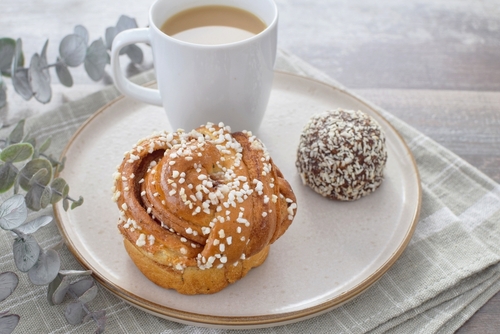
The accompaniment to coffee is often referred to as fikabröd (fika bread). The undisputed king of fikabröd is the kanelbulle, or cinnamon bun. Unlike the sticky, frosted American version, Swedish cinnamon buns are spiced with cardamom, twisted into knots, and topped with pearl sugar.
Other staples include:
- Cardamom buns: Similar to cinnamon buns but highlighting the floral spice of cardamom.
- Seven kinds of cookies: A historic tradition where hosts would aim to serve seven different varieties of small cookies to show hospitality.
- Princess Cake: A green marzipan-covered sponge cake filled with cream and jam, often saved for special celebrations.
Homemade Over Fancy
While there are excellent bakeries throughout Scandinavia, there is a special appreciation for homemade goods. A simple, imperfect homemade cake is often valued more than an expensive pastry because it represents time and care. Simplicity is key.
Fika at Work: A Cultural Institution
In many countries, taking a break might be seen as slacking off. In Sweden, skipping fika can be seen as strange or even rude.
Many offices have mandatory fika times, usually around 10:00 AM and 3:00 PM. A bell might ring, or managers might round up the team. It is not optional fun; it is part of the work culture. This is where the real work happens—not in formal meetings, but in the casual exchange of ideas over coffee. It breaks down silos between departments and helps colleagues understand each other on a personal level.
Workplaces that prioritize this ritual often report happier teams and better conflict resolution. It is harder to be angry with a colleague when you just shared a cinnamon bun with them 20 minutes ago.
Fika at Home and With Friends
Outside of the office, fika is the standard way to socialize. If you want to see a friend, you invite them over for a fika. It is less pressure than a dinner party and more intimate than meeting at a bar.
Weekends are prime time for this. It involves setting a cozy atmosphere. Swedes often light candles, even during the day, to create mys (coziness). The host provides coffee and something sweet, and the guests provide the conversation. It creates a space where people can relax and be themselves.
How Fika Differs Across Scandinavia
While “fika” is a Swedish word, the concept exists across the Nordic region, though the names and nuances differ.
- Sweden: The home of fika. It is highly structured in the workplace and centers heavily on the specific combination of coffee and cinnamon buns.
- Denmark: The Danes have hygge, which encompasses the feeling of coziness and well-being. Their version of a coffee break falls under this umbrella but often includes a “Danish” pastry (wienerbrød).
- Norway: Norwegians enjoy kos, which is similar to hygge. Their coffee breaks are common, often accompanied by waffles with brown cheese or a simple chocolate bar on a hike.
- Finland: The Finns are actually the world’s biggest coffee drinkers per capita. Their coffee break is a serious affair, often legally mandated in employment contracts.
Despite these regional differences, the shared value is the same: life requires pauses, and those pauses are better with coffee.
Why Fika Still Matters in a Fast World
We live in an era that glorifies “hustle culture.” We eat lunch at our desks. We answer emails on weekends. We feel guilty for stopping.
Fika offers an antidote to this constant busyness. It is a form of cultural resistance against the idea that every minute must be optimized for output. It reminds us that productivity is not the only metric of a successful day. By adopting this ritual, you acknowledge that you are a human being who needs rest and connection, not just a machine that produces results.
How to Practice Fika Anywhere
You do not need to live in Stockholm to enjoy the benefits of fika. You can start this ritual wherever you are. Here is how to do it without losing the meaning:
- Be Intentional: Decide that for the next 15 minutes, you are on a break. Do not let work creep back in.
- Disconnect: Put your phone away. Close your laptop. Give your eyes a rest from screens.
- Find a Companion: Grab a coworker, a family member, or a friend.
- Add a Treat: It doesn’t have to be a cinnamon bun. A cookie, a piece of fruit, or a nice piece of chocolate works.
- Slow Down: Sip your drink. Taste your food. Listen to the conversation.
Embracing the Pause
Fika is more than just a habit; it is a way of living. It endures across generations because it fulfills a basic human need for connection and rest. It teaches us that taking a step back allows us to move forward with more energy and clarity.
So, the next time you feel overwhelmed or rushed, do not just push through. Stop. Brew a pot of coffee. Find a friend. Take a fika. The work will still be there when you get back, but you might just feel a little more ready to handle it.
Frequently Asked Questions
Do I have to drink coffee to fika?
No. While coffee is the traditional choice, the drink itself is secondary to the act of taking a break. Tea, juice, lemonade, or water are all perfectly fine. The ritual is about the pause, not the caffeine.
How do you pronounce fika?
It is pronounced “fee-kah.”
Can I have fika by myself?
Yes, you can. A solitary fika can be a great way to practice mindfulness and clear your head. However, the traditional cultural concept is strongly rooted in socializing and connecting with others.
Is fika only for the morning?
Not at all. A morning fika (around 10:00 AM) and an afternoon fika (around 3:00 PM) are standard in workplaces, but you can have fika at any time of day. It is common to have an evening fika with friends or family as well.