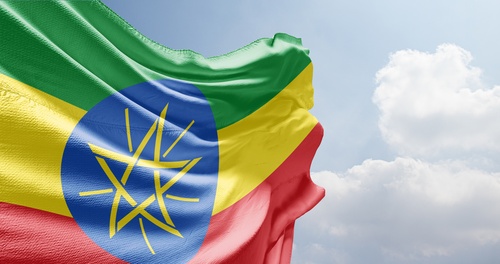

Ethiopia stands out as one of Africa’s oldest nations. It carries a unique historical identity that sets it apart from its neighbors on the continent. Because it was never fully colonized, Ethiopia does not celebrate a traditional independence day like many other countries. Instead, its national identity is tied to several key historical milestones.
One of the most significant dates in modern Ethiopian history is May 28. Often recognized as Ethiopia’s National Day, this date marks the downfall of the Derg military regime in 1991. It represents a profound turning point that reshaped the country’s political landscape.
Understanding this day offers valuable insight into the resilience of the Ethiopian people. By reading this guide, you will gain essential historical context about the events leading up to May 28. You will also learn the cultural meaning of this date and its lasting significance for modern Ethiopia.
When Is Ethiopia National Day 2026?
Ethiopia will observe its National Day on Thursday, May 28, 2026. This date is officially known as Derg Downfall Day. It marks the exact day in 1991 when rebel forces took control of the capital, Addis Ababa, ending decades of military rule.
Every year, May 28 serves as a public holiday in Ethiopia. Government offices, schools, and many businesses close to allow citizens to reflect on the nation’s journey.
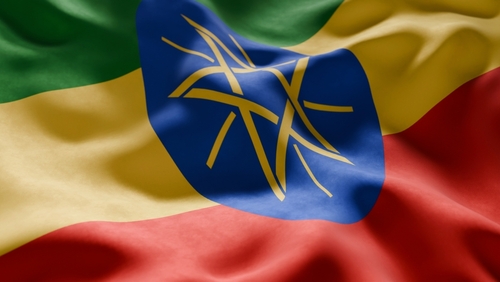
What Does This Day Commemorate?
May 28 commemorates the official end of the Derg military government in 1991. The Derg ruled Ethiopia for nearly 17 years, imposing strict control over the population. The government’s collapse marked the end of a long and difficult civil war.
For many Ethiopians, this day represents the rise of a new political era. It is widely seen as a moment of transition and transformation. The events of May 28 paved the way for a new constitution and a shift toward a federal democratic republic. It brought an end to an era of severe political repression and opened a new chapter for the nation.
Ethiopia’s Unique Historical Context
To truly understand the importance of May 28, you must look at Ethiopia’s broader historical timeline. The country’s story is defined by strong independence and dramatic political shifts.
Ancient and Independent Heritage
Ethiopia holds a rare and proud distinction. It is one of the few African nations that was never fully colonized by a European power. It has a long history of monarchy and empire, dating back thousands of years. This deep-rooted independence shapes the national pride of the Ethiopian people. Because they did not have to fight for independence from colonial rulers, their national holidays focus on different types of victories and internal transitions.
The Derg Era (1974–1991)
The modern political struggle began in 1974. A military council known as the Derg overthrew Emperor Haile Selassie, ending centuries of imperial rule. The Derg quickly established a Marxist-Leninist state.
This period was heavily marked by political repression, conflict, and economic hardship. The government severely limited personal freedoms and engaged in widespread campaigns against its political opponents. The era also saw devastating famines and a grueling civil war that affected millions of citizens.
The Fall of the Derg
Years of resistance culminated in the spring of 1991. A coalition of rebel forces, known as the Ethiopian People’s Revolutionary Democratic Front (EPRDF), advanced on the capital. On May 28, 1991, they successfully took control of Addis Ababa. The Derg government fell, and its leaders fled or were captured. This victory established the beginning of a new political system and fundamentally changed the direction of the country.
Why This Day Matters
May 28 matters because it represents change, resilience, and national transformation. The fall of the Derg ended a traumatic period in Ethiopian history. It allowed the country to rebuild and reorganize under a new constitution.
The day also serves as a moment of both reflection and debate. While it brought an end to a harsh military regime, the political systems that followed have faced their own challenges. Consequently, Ethiopians use this day to reflect on how far the nation has come and the work that remains. It is absolutely important in understanding the complexities of modern Ethiopia.
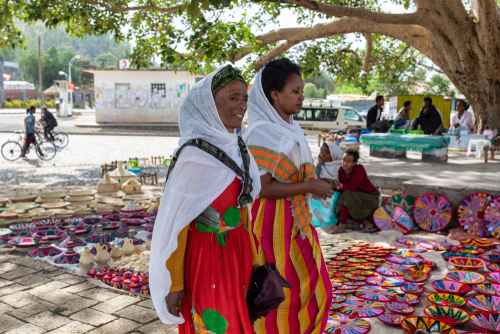
How the Day Is Observed
Ethiopia observes its National Day differently than many Western countries celebrate their independence days. The focus is often more heavily placed on remembrance than on massive celebrations.
Official Recognition
The Ethiopian government marks the day with official statements and formal commemorations. Leaders often give speeches reflecting on the sacrifices made during the civil war. They highlight the progress the country has made in infrastructure, education, and development since 1991.
Public Awareness
Media outlets and community leaders host discussions about Ethiopia’s political history. Television and radio programs broadcast documentaries about the civil war and the eventual fall of the Derg. This public awareness helps educate younger generations about the struggles their parents and grandparents endured.
Limited Festivity
Compared to other national holidays, May 28 is more reflective than celebratory. You will not typically see widespread fireworks or massive street parties. Instead, it is a quiet public holiday where families gather, rest, and acknowledge the historical weight of the day.
Other Important Ethiopian National Days
Ethiopia’s national identity is shaped by multiple key dates. May 28 is just one piece of the puzzle. Two other major holidays provide important context for the nation’s culture and history.
First is Patriots’ Victory Day on May 5. This day celebrates the victory over the brief Italian occupation during World War II. It honors the resistance fighters who successfully pushed foreign forces out of the country in 1941.
Second is Enkutatash, the Ethiopian New Year. Celebrated in September, this day holds massive cultural and religious significance. It marks the end of the rainy season and the beginning of a new harvest. It is a joyful time filled with yellow daisies, traditional food, and family gatherings.
Ethiopia in Modern Context
Today, Ethiopia continues to experience significant political and social developments. The country is working to balance its historical legacy with modern challenges.
The role of the youth is particularly important. A large percentage of the Ethiopian population was born after 1991. For these future generations, the Derg era is a historical event rather than a lived experience. As they step into leadership roles, they are focusing on economic growth, technological advancement, and social unity. They carry the resilience of the past into the promise of the future.
How to Engage Thoughtfully
If you are an international reader looking to understand Ethiopia better, engaging thoughtfully with its history is the best place to start.
Learn Ethiopia’s History
Take the time to understand Ethiopia’s unique path. Read about its ancient empires, its successful resistance against colonization, and its complex modern political shifts. Recognizing how its history differs from other African nations will give you a deeper appreciation for its people.
Explore Culture
Ethiopian culture is rich and welcoming. Explore the language (Amharic is the official working language, though over 80 languages are spoken). Listen to traditional Ethiopian jazz and music. Try the food, especially injera (a sourdough flatbread) and doro wat (a spicy chicken stew). Participating in the culture is a wonderful way to connect with the community.
Approach with Nuance
Recognize the complexity of Ethiopia’s political history. Transitions of power are rarely simple. Approach conversations about May 28 and the country’s modern politics with respect and a willingness to listen to different perspectives.
Common Questions About Ethiopia’s National Day
Why doesn’t Ethiopia have a traditional independence day?
Ethiopia was never successfully colonized by a European power. Because it never had to fight a war to break free from colonial rule, it does not celebrate a traditional independence day. Instead, it celebrates victories over brief occupations and important internal political transitions.
What was the Derg regime?
The Derg was a military junta that ruled Ethiopia from 1974 to 1991. It overthrew the long-standing monarchy and established a Marxist-Leninist government. The regime was known for severe political repression, economic instability, and leading the country through a long civil war.
How is this day viewed by different groups?
Views on May 28 can vary. Many view it as a crucial day of liberation that ended a brutal military dictatorship. Others use the day to critically reflect on the political systems that replaced the Derg. Overall, it is widely respected as a major turning point in the nation’s history.
Understanding Ethiopia Through Its History
Ethiopia’s story is complex, deeply rooted, and endlessly fascinating. May 28 represents a vital chapter of resilience and transformation. By learning about the fall of the Derg regime, you gain a clearer picture of the nation’s journey.
History always shapes a nation’s present and future. We encourage you to explore beyond a single date. Read more about Ethiopia’s ancient heritage, engage with its vibrant culture, and appreciate the strong, independent spirit that defines its people today.