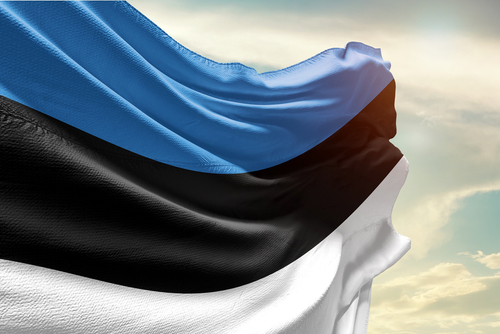

February 24 is a date etched into the hearts of Estonians everywhere. It marks Eesti Vabariigi aastapäev, or Independence Day, a moment to pause and celebrate the resilience, culture, and spirit of this Baltic nation. Whether you are planning a trip to Tallinn, reconnecting with your heritage, or simply curious about global traditions, understanding this holiday offers a window into the Estonian soul.
In 2026, Estonia will commemorate the 108th anniversary of the Republic. It is a day filled with blue, black, and white flags, solemn ceremonies, and joyful family gatherings. This guide will walk you through the history behind the holiday, the traditions you can expect to see, and how you can participate in the festivities.
The History Behind February 24
To appreciate the celebrations, it helps to understand the journey to freedom. For centuries, the territory of Estonia was ruled by foreign powers, including Danes, Germans, Swedes, and Russians. The dream of a sovereign state began to take real shape during the “national awakening” of the late 19th century, fueled by poetry, music, and a growing sense of identity.
The pivotal moment arrived in 1918. Amid the chaos of World War I and the Russian Revolution, the Estonian Salvation Committee seized a brief window of opportunity. On February 23, the “Manifesto to the Peoples of Estonia” was read publicly from a theater balcony in Pärnu. The following day, February 24, 1918, the manifesto was published in Tallinn, declaring the Republic of Estonia an independent and democratic state.
Independence was not secured immediately. It required a hard-fought War of Independence against Soviet Russia and German forces, which ended in victory in 1920. Later, after decades of Soviet occupation starting in World War II, Estonia restored its independence on August 20, 1991. While August 20 is celebrated as the Day of Restoration of Independence, February 24 remains the primary national holiday—the birthday of the Republic.
How Independence Day is Celebrated
If you find yourself in Estonia on February 24, 2026, you will witness a blend of official state ceremonies and personal family traditions. The atmosphere is dignified yet festive.
Sunrise Flag Raising
The day traditionally begins before dawn. At sunrise, thousands of people gather at Toompea Castle in Tallinn. As the national anthem, Mu isamaa, mu õnn ja rõõm (My Fatherland, My Happiness and Joy), is played, the blue, black, and white flag is ceremonially hoisted atop the Pikk Hermann tower. This emotional moment symbolizes the endurance of the state. Similar ceremonies take place in town squares across the country.
The Military Parade
Later in the morning, the Estonian Defence Forces hold a grand parade. While usually hosted in Freedom Square (Vabaduse väljak) in Tallinn, the location sometimes rotates to other major cities to include the wider population. The parade showcases military units and equipment, often accompanied by allied forces from NATO, demonstrating solidarity and security.
The President’s Reception
The evening concludes with a highly anticipated event: the Presidential Reception. The President of Estonia hosts a festive concert and reception for guests of honor, including cultural figures, politicians, and civil servants. It is broadcast live on television, and families across the country gather to watch the concert, the handshake ceremony, and the formal ball. It is effectively the Estonian version of the Oscars red carpet, sparking conversations about fashion and recognition.
Practical Information for Visitors (2026)
If you are planning to visit Estonia for the 108th anniversary, here are a few practical tips to ensure a smooth experience.
- Public Holiday Status: February 24 is a national public holiday. Most businesses, banks, and offices will be closed. However, many restaurants and cafes remain open to host celebratory meals.
- Weather: Late February in Estonia is still winter. Expect cold temperatures, potentially snow, and short daylight hours. Dress in warm layers if you plan to attend the outdoor flag-raising or parade.
- Public Transport: Buses and trams usually run on a Sunday schedule. Be aware that traffic in city centers may be rerouted during the parade.
- Flags Everywhere: You will see the national flag on every residential and commercial building. It is a legal requirement to hoist the flag on Independence Day, creating a beautiful sea of tricolors across the cities.
Simple Ways to Celebrate Anywhere
You don’t have to be in Tallinn to mark the occasion. Estonians living abroad and friends of Estonia celebrate in their own ways.
- Prepare a Traditional Meal: A classic Independence Day table often features kiluvõileib—a sprat sandwich on black rye bread with egg and green onions. Other favorites include potato salad and vastlakukkel (whipped cream buns), which are popular throughout February.
- Watch the Broadcast: Estonian Public Broadcasting (ERR) typically streams the parade and the President’s reception online, allowing you to tune in from anywhere in the world.
- Wear the Colors: Donning a scarf or pin in blue, black, and white is a simple gesture of solidarity and celebration.
Frequently Asked Questions
Is February 24 the only Independence Day in Estonia?
Estonia technically celebrates two independence-related holidays. February 24 marks the original declaration in 1918. August 20 is the Day of Restoration of Independence, marking the end of Soviet occupation in 1991. However, February 24 is considered the primary “birthday” of the nation.
What do the colors of the Estonian flag represent?
The tricolor flag is deeply symbolic. Blue represents the sky, the lakes, and the sea, as well as loyalty to national ideals. Black symbolizes the soil of the homeland and the dark past suffering of the people. White stands for the desire for enlightenment, virtue, and hope for the future.
Are shops and museums open on Independence Day?
Most major shopping centers and grocery stores remain open, often with reduced hours. However, smaller boutiques and most museums are closed. Some museums that focus on Estonian history, like the Estonian National Museum in Tartu or the Vabamu Museum of Occupations and Freedom in Tallinn, may have special hours or programs.
How old will the Republic of Estonia be in 2026?
In 2026, the Republic of Estonia will celebrate its 108th anniversary. The counting begins from the original declaration in 1918.
Is the event family-friendly?
Yes, absolutely. The morning flag-raising and the military parade are very popular with families. Children often wave small flags and enjoy seeing the marching bands and soldiers. Just remember to dress warmly!
Celebrating Resilience
Estonia Independence Day is more than just a date on the calendar. It is a testament to a small nation’s ability to survive and thrive against the odds. Whether you are eating a sprat sandwich in Tallinn or watching the blue, black, and white flag rise from afar, joining in the celebrations is a way to honor freedom and culture.