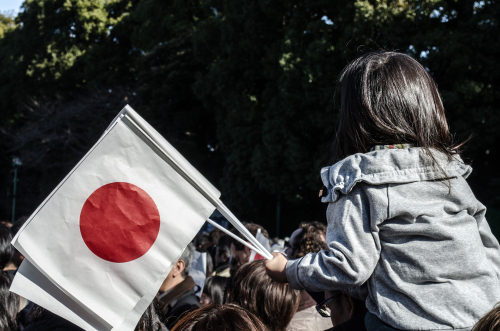

If you are planning a trip to Japan in early 2026 or currently living there, you might notice a special red mark on the calendar for late February. This signifies one of the nation’s most patriotic and significant public holidays: The Emperor’s Birthday.
Known locally as Tenno Tanjobi, this national holiday celebrates the birth of the reigning Emperor, Naruhito. For visitors, it offers a rare glimpse into the heart of Japanese tradition. It is one of only two days a year when the general public is allowed to enter the inner grounds of the Imperial Palace in Tokyo to offer their well-wishes.
Whether you want to join the crowds at the palace or simply want to know which shops will be open, we have gathered all the essential information. Here is your guide to experiencing the Emperor’s Birthday in 2026.
When is the Emperor’s Birthday in 2026?
In 2026, the Emperor’s Birthday falls on Monday, February 23.
Because the holiday falls on a Monday, it creates a three-day weekend for many workers and students in Japan. Unlike years when the date falls on a Sunday—requiring a “substitute holiday” on the following Monday—the 2026 schedule is straightforward. The 23rd itself is the day off.
This is an important date to note for your itinerary. While it is a festive time, it also means banks, government offices, and some small businesses will be closed. However, major tourist attractions, restaurants, and shopping centers usually remain open to accommodate the holiday crowds.
Understanding the Significance
The Emperor of Japan is defined by the constitution as “the symbol of the State and of the unity of the People.” While he does not hold political power, the position carries immense cultural and historical weight.
Celebrating the monarch’s birthday is a tradition that dates back nearly 150 years to the Meiji era. It is a day for the Japanese people to express their respect and wish for the Emperor’s longevity and good health. You will likely see the Japanese national flag, the Hinomaru, displayed outside homes, on buses, and adorning government buildings across the country.
Celebrating at the Imperial Palace
The highlight of the holiday is the public greeting at the Imperial Palace in Tokyo. This event, known as Ippan Sanga, is a unique opportunity to see the Imperial Family in person.
The Morning Appearance
Typically, the gates open in the morning, allowing visitors to cross the famous Nijubashi Bridge—an area usually closed to the public. You enter the East Plaza (Totei) and wait for the Emperor to appear on the balcony of the Chowa-Den Hall.
Emperor Naruhito, usually accompanied by Empress Masako and other members of the Imperial Family, will step out onto the balcony behind bulletproof glass. The Emperor gives a brief address, thanking the people for their visit and offering wishes for their happiness. In response, the crowd often waves small Japanese flags and cheers “Banzai” (which translates roughly to “ten thousand years” or “long life”).
There are usually three scheduled appearances throughout the morning. Admission is free, and you do not need a reservation, but you should prepare for large crowds. In recent years, visitor numbers have ranged from 15,000 to over 20,000 people.
The Afternoon Book Signing
If you miss the morning appearances, you can still pay your respects in the afternoon. From roughly 12:30 p.m. to 3:30 p.m., visitors can enter through the Sakashita-mon Gate to sign a greeting book (or leave a business card) in front of the Imperial Household Agency building.
Security and Rules
Safety is a top priority during these events. If you plan to attend, keep these simple rules in mind:
- Bag checks: There will be strict security checks and body scanners.
- Luggage: Large luggage is not permitted. Use coin lockers at nearby train stations (like Tokyo Station) to store your bags.
- Footwear: The ground in front of the palace is gravel. Wear comfortable, flat shoes. High heels are difficult to walk in here.
- Prohibited items: Do not bring drones, selfie sticks, alcohol, or sharp objects.
How the Holiday Date Changes
One aspect of this holiday that often confuses travelers is that the date changes depending on who sits on the throne. The holiday is always the actual birthday of the current reigning Emperor.
- Current (Reiwa Era): February 23 (Emperor Naruhito)
- Previous (Heisei Era): December 23 (Emperor Akihito)
- Showa Era: April 29 (Emperor Hirohito)
When Emperor Akihito abdicated in 2019, the December 23 holiday was removed from the calendar. The holiday moved to February 23 when Emperor Naruhito ascended to the throne.
Interestingly, the birthdays of past emperors often remain as holidays under different names to preserve the vacation time. For example, the April 29 holiday is now celebrated as “Showa Day,” serving as the start of Japan’s Golden Week.
Practical Tips for Travelers
If you are visiting Japan during the Emperor’s Birthday weekend in 2026, here is what you need to know to make your trip smooth and stress-free.
Transportation
Trains and subways in Tokyo and other major cities will run on a Sunday/Holiday schedule. This usually means slightly fewer trains during rush hour times, but regular service throughout the day. The area around Tokyo Station and the Imperial Palace will be very congested in the morning.
ATMs and Money
Most ATMs in convenience stores (like 7-Eleven or Lawson) work 24/7, even on holidays. However, traditional bank counters will be closed. Remitly customers sending money to Japan can rest assured that mobile transfers are typically unaffected by bank holidays, though processing times for bank deposits might vary slightly depending on the recipient bank.
Closures
- Closed: Post offices, banks, government administration centers, and some small, family-run businesses.
- Open: Department stores, supermarkets, theme parks, and most restaurants.
Frequently Asked Questions
Is the Emperor’s Birthday a national holiday in Japan?
Yes, it is a designated national holiday. Schools, public offices, and many companies are closed. Since it falls on a Monday in 2026, it creates a long weekend.
Can foreigners attend the greeting at the Imperial Palace?
Absolutely. The event is open to everyone, regardless of nationality. It is a welcoming atmosphere, though it is important to follow the security rules and instructions from the police and palace staff.
Do I need tickets for the Imperial Palace greeting?
No, tickets are not required. It is free to enter. You simply need to join the line at the designated entrance gate (usually the Main Gate). We recommend arriving early, as security lines can be long.
What happens if it rains?
The event usually proceeds rain or shine. However, in cases of severe weather or unforeseen circumstances, the Imperial Household Agency may cancel the public greeting. It is wise to check the news or the official agency website on the morning of the event.
Is the retired Emperor’s birthday (Dec 23) still a holiday?
No. When Emperor Akihito abdicated, his birthday on December 23 ceased to be a public holiday. It is now a regular weekday, though many people still remember the date fondly.
Experience a Piece of History
Visiting Japan during the Emperor’s Birthday in 2026 offers a unique chance to witness a living tradition. Whether you wave a flag at the palace or simply enjoy a quiet Monday off exploring the city, it is a day that highlights the deep connection between the Japanese people and their history.
If you are traveling, remember to plan for crowds around Tokyo Station. And if you are living in Japan and sending money home to loved ones during the long weekend, we are here to help make the process simple and secure.