
If you walk through the streets of Santo Domingo or La Vega in February, you will hear the crack of whips and see flashes of vibrant red, orange, and yellow. You will feel the thumping bass of merengue and bachata music pouring out of colmados and homes. This isn’t just a party; it is the sound of a nation celebrating its identity.
February is a special month for Dominicans. It combines the religious pre-Lenten celebrations of Carnival with the patriotic fervor of Independence Day. For the Dominican diaspora living abroad and those on the island, this is the most significant time of the year. It serves as a powerful reminder of resilience, culture, and the enduring fight for freedom.
On February 27, 2026, the Dominican Republic will mark another year of sovereignty. Whether you are planning a trip to the island to witness the parades firsthand or looking to connect with your heritage from afar, understanding the history and traditions of this day deepens the experience. Here is everything you need to know about Dominican Independence Day 2026.
When is Dominican Independence Day 2026?
Dominican Independence Day is celebrated annually on February 27.
In 2026, this significant date falls on a Friday. Because it is a national statutory holiday in the Dominican Republic, most businesses, schools, and government offices will be closed. Since it falls on a Friday, it will create a long weekend for many on the island, likely intensifying the celebrations and parades that typically culminate on this day.
While the main event is on the 27th, the energy builds up throughout the entire month. February is known as Mes de la Patria (Month of the Fatherland). It begins on January 26, the birthday of founding father Juan Pablo Duarte, and ends on Independence Day.
The Road to Freedom: A Brief History
To truly appreciate the celebrations, it helps to understand what the country is celebrating. Unlike many other Latin American nations that celebrate independence from Spain, the Dominican Republic’s February 27th holiday marks its independence from Haiti.
The Occupation
The island of Hispaniola has a complex history. After a period of Spanish and French rule, the entire island came under Haitian governance in 1822. This period, known as the Unification of Hispaniola, lasted for 22 years. While it led to the abolition of slavery on the eastern side of the island, cultural, linguistic, and administrative differences created tension.
La Trinitaria
Resistance began to organize in the shadows. In 1838, a visionary young nationalist named Juan Pablo Duarte founded a secret society called La Trinitaria (The Trinity). The group was organized into cells of three, ensuring that if one member was captured, they could not reveal the identities of the entire organization.
Duarte, along with fellow patriots Francisco del Rosario Sánchez and Ramón Matías Mella, ignited the flame of rebellion. They envisioned a free nation based on democratic ideals.
The Shot Heard ‘Round the Island
On the night of February 27, 1844, the rebels made their move. They gathered at the Puerta del Conde (Count’s Gate) in the capital city of Santo Domingo.
Mella fired his legendary blunderbuss (a type of musket) into the air—a shot known as the trabucazo. This signal marked the proclamation of the Dominican Republic. Sánchez raised the new Dominican flag, and the crowd shouted the motto that still adorns the coat of arms today: Dios, Patria y Libertad (God, Fatherland, and Liberty).
How Independence Day is Celebrated
Dominican Independence Day is unique because it overlaps with Carnival. While the two events have different origins—one political, one religious—they have merged into a singular expression of Dominican culture.
The Carnival Parades
If you are in the Dominican Republic in February, you cannot miss the Carnival. Every Sunday in February, major cities host vibrant parades, but the festivities peak on February 27.
The most famous celebration takes place in La Vega, a city in the central region of the country. The Carnaval Vegano is internationally renowned for its scale and energy. However, Santo Domingo, Santiago, and Monte Cristi also host massive parades on Independence Day.
The Costumes and Characters
The parades are theater in motion. Participants spend months creating elaborate masks and costumes. Each character tells a story or satirizes social and political themes:
- Diablo Cojuelo (Limping Devil): This is the central character of the Dominican Carnival. Legend has it that this demon was banished to earth because of his pranks, injuring his leg in the fall. Dressed in a vibrant, jeweled suit with bells and a fierce mask, the Diablo Cojuelo carries a whip (foute) or an inflated bladder (vejiga) to playfully strike spectators. It represents the mockery of colonial medieval style and the inversion of social order.
- Roba la Gallina (Steal the Chicken): This comedic character is typically a man dressed in an exaggerated, colorful dress with ample bosom and hips. The character represents a woman who stole a chicken and hid it in her dress, parading through town to ask for money or food for her “chicks” (the youth following her).
- Guloyas: Originating from San Pedro de Macorís, these characters represent the influence of Cocolo (Afro-Caribbean) immigrants from British islands. Their dance is a UNESCO-recognized Masterpiece of the Oral and Intangible Heritage of Humanity.
Official Ceremonies
Beyond the parties, the day retains a serious patriotic tone. The President of the Dominican Republic traditionally delivers a speech to the nation on February 27, addressing the National Congress. This address honors the founding fathers and outlines the state of the nation.
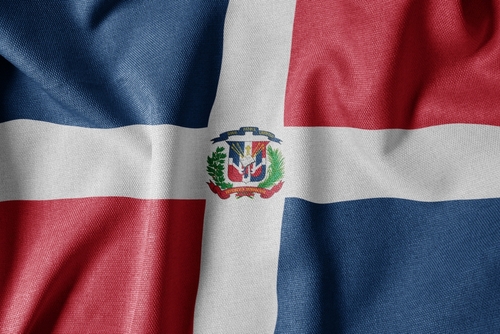
Families often display the Dominican flag from their balconies and cars. It is the only flag in the world that features a Bible at its center, open to the Gospel of John, chapter 8, verse 32: “And the truth shall make you free.”
Traditions and Food
No Dominican celebration is complete without a feast. Independence Day is a time for families to gather and enjoy traditional “bandera dominicana” (Dominican flag) lunch. This meal consists of the three staples that mirror the flag’s colors:
- White rice
- Red beans (habichuelas)
- Stewed meat (usually chicken or beef)
You will also find plenty of Sancocho, a hearty stew made with various meats and root vegetables, served with avocado and white rice. It is the ultimate comfort food for a day of celebration.
Key Figures of Independence
When discussing February 27, three names are mentioned with reverence. They are known as Los Padres de la Patria (The Fathers of the Fatherland).
Juan Pablo Duarte
The intellectual architect of independence. Duarte’s liberal ideas and organizational skills built the foundation for the new nation. He spent much of the actual war in exile but remains the primary symbol of Dominican sovereignty.
Francisco del Rosario Sánchez
While Duarte was in exile, Sánchez took the lead. He was the one who raised the first Dominican flag at the Puerta del Conde. He was a man of action and a brilliant strategist.
Ramón Matías Mella
Known for his military bravery, Mella is the one who fired the trabucazo that signaled the start of the revolution. He was a key military leader who helped organize the defense of the newly proclaimed republic.
Their remains are housed today at the Altar de la Patria, a white marble mausoleum in Independence Park, Santo Domingo, right where the declaration of independence took place.
Celebrating from Abroad
You don’t have to be on the island to feel the pride of February 27. The Dominican diaspora is strong, particularly in the United States and Spain.
- New York City: Washington Heights often sees unofficial celebrations, car caravans with flags, and cultural events throughout February.
- Community Events: Look for local Dominican associations in your city. They often organize dinners, dances, or cultural presentations in late February.
- Send Support: For many living abroad, this holiday is a reminder of family back home. It is a popular time to send money transfers (remittances) to help relatives prepare for the festivities or simply to share in the joy of the holiday.
Frequently Asked Questions
Is February 27 a safe time to visit the Dominican Republic?
Yes, it is generally safe, but it is also very busy. The parades draw massive crowds, especially in La Vega and Santo Domingo. If you attend Carnival, keep your valuables secure and be aware that the Diablos Cojuelos do use their whips/bladders to hit people in the crowd—it is part of the tradition, but it can be surprising for first-time visitors.
What is the difference between Independence Day and Restoration Day?
This is a common point of confusion.
- Independence Day (Feb 27): Marks independence from Haiti in 1844.
- Restoration Day (Aug 16): Marks the start of the war to restore independence from Spain in 1863, after the country had briefly returned to Spanish colonial rule. Both are major national holidays.
Do I need to buy tickets for Carnival?
Most street parades are free to watch from the sidewalk. However, in major carnival cities like La Vega, there are often VIP viewing platforms (caves) set up by sponsors or tour groups that require tickets or invitations. These offer a safe spot to watch, drinks, and protection from the vejigazos (hits from the bladders).
What colors should I wear?
You can’t go wrong with the colors of the flag: red, white, and blue.
A Legacy of Resilience
Dominican Independence Day 2026 is more than a date on the calendar. It is a testament to a people who have fought repeatedly for their right to exist as a sovereign nation. From the strategic brilliance of Duarte to the joy of the Carnival dancers in the street today, the message remains the same.
Whether you are enjoying a plate of sancocho in the Bronx or dodging a Diablo Cojuelo in La Vega, February 27 is a day to stand tall and proud.