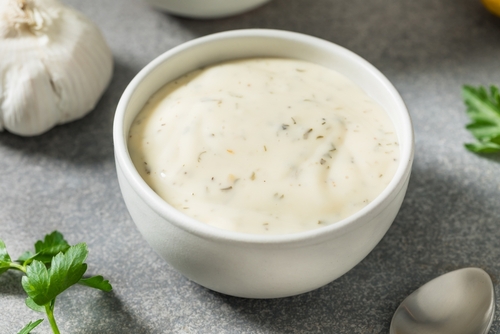

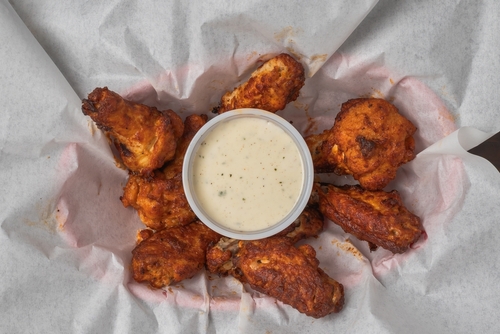
Ranch dressing is as American as the Super Bowl and bottomless refills. Walk into any diner, order a pizza, or grab a plate of wings, and ranch will likely appear somewhere on the table—often without you even asking. For many Americans, it’s a condiment reflex.
But here’s something worth considering: step outside the U.S., and ranch becomes a lot harder to find. In many countries, it’s a specialty import, a novelty at best, or simply unknown. The assumption that ranch is a universal condiment turns out to be very much an American one.
So what’s actually going on? Is ranch gaining traction internationally, or is it destined to stay a domestic staple? This post breaks it all down—country by country, reason by reason.
What Is Ranch Dressing, Actually?
Before getting into the global picture, it helps to understand what makes ranch, well, ranch.
The dressing was created in the early 1950s by Steve Henson, a plumber-turned-cook working in Alaska. He later moved to California, opened a ranch (the Hidden Valley Ranch), and began selling his buttermilk-based dressing to guests. By the 1980s, it had become the best-selling salad dressing in the United States—a title it still holds today.
Ingredients and flavor profile
Classic ranch combines:
- Buttermilk or sour cream for tanginess
- Mayonnaise for creaminess
- Garlic, onion powder, dill, parsley, and chives for a savory, herby finish
The result is cool, creamy, tangy, and rich—a flavor profile that pairs well with almost everything salty, spicy, or crispy.
Why ranch works so well in the U.S.
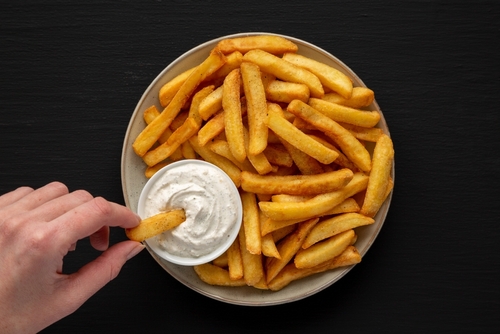
Ranch thrives in America partly because of its dip culture. Pizza, chicken wings, raw vegetables, french fries, and even chips all get the ranch treatment. American fast food chains and snack companies adopted it quickly. Today, you’ll find ranch-flavored crackers, pretzels, popcorn, and even sunflower seeds. The dressing didn’t just become a condiment—it became a flavor category.
That context matters because most other countries simply don’t have the same dip-everything eating culture. And that difference explains a lot.
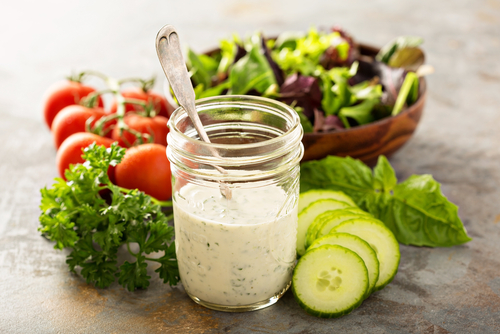
The Short Answer: Is Ranch Popular Internationally?
Not really—at least not yet.
Ranch is available in some international supermarkets, particularly in urban areas or stores that stock imported American goods. American fast food chains operating abroad occasionally offer ranch packets. But in most countries, ranch is still considered distinctly American, not a local staple.
That said, the picture varies quite a bit depending on where you are.
Where Ranch Is (and Isn’t) Found Around the World
Canada
Canada is the closest thing to a second home for ranch dressing. The food cultures are similar, American brands are widely available, and ranch is a common choice for wings and pizza dipping. It’s not a novelty here—it’s just a regular condiment.
United Kingdom
Ranch exists in UK supermarkets, but it competes with deeply rooted local preferences. Garlic mayo and salad cream are far more common. Ranch is available, but it tends to be shelved in the “American foods” aisle—which tells you everything about how it’s perceived.
Australia
Australians can find ranch at major supermarkets, but it hasn’t embedded itself into the food culture. Aioli and sweet chili sauce dominate the dipping scene. Ranch feels imported, not local.
Nordics
Here’s an interesting case. Nordic cuisines already use ingredients common to ranch—dill, sour cream, and fresh herbs are all staples. Yet bottled ranch as a product hasn’t caught on. A Finnish food blogger’s viral reaction to tasting ranch for the first time captured this gap well: the ingredients are familiar, but the combination is novel. The novelty factor in Scandinavian countries is high, even if the flavors themselves aren’t far off from what locals already enjoy.
France and Italy
Ranch is a near non-starter in countries where food culture revolves around olive oil, vinaigrette, and simplicity. Creamy, bottled dressings don’t align with how most French or Italian cooks think about sauces and condiments. Ranch does exist in some international supermarkets in major cities, but it’s firmly in novelty territory.
Japan
Japan has some exposure to ranch through American fast food chains, but it hasn’t replaced local favorites. Japanese sesame dressings and the iconic Kewpie mayonnaise—a richer, slightly sweeter mayo made with egg yolks and rice vinegar—hold far more cultural relevance. Ranch is foreign by every measure.
Mexico
In Mexico, the dipping sauce landscape is already rich. Mexican crema, salsa, guacamole, and a wide range of chili-based sauces fill the same role that ranch plays in the U.S. Ranch does appear in some fast food chains, sometimes localized into a spicier version, but it hasn’t displaced what was already there.
Why Ranch Didn’t Go Global the Way Ketchup Did
This is the real question. Ketchup is everywhere. Sriracha has spread across continents. So why hasn’t ranch?
Several practical factors work against it:
- Refrigeration requirements. Ranch is dairy-based, which means it needs cold storage throughout distribution. That raises costs and limits shelf life compared to shelf-stable condiments like ketchup or soy sauce.
- Dairy sensitivity. In many parts of Asia, East Africa, and the Middle East, higher rates of lactose intolerance make dairy-heavy condiments a tougher sell.
- Oil-based dressing preferences. In Mediterranean, Middle Eastern, and many Asian cuisines, the standard dressing format is oil and acid—not cream. Ranch runs against that grain.
- Dip culture isn’t universal. The American habit of dipping everything into a creamy sauce isn’t mirrored elsewhere. Many cuisines use sauces as cooking ingredients or light condiments, not standalone dips.
Compare ranch to condiments that went global. Ketchup is tomato-based, vinegary, shelf-stable, and sweet—universally appealing qualities. Sriracha is spicy and acidic with a long shelf life. Soy sauce and fish sauce are fermented, intensely savory, and deeply embedded in entire regional cuisines. Ranch, by contrast, is comfort-based. It enhances familiar American foods. Without that cultural scaffolding, it doesn’t travel as easily.
How American Fast Food Is Spreading Ranch Internationally
Despite these barriers, ranch is quietly expanding its footprint—and fast food is doing much of the work.
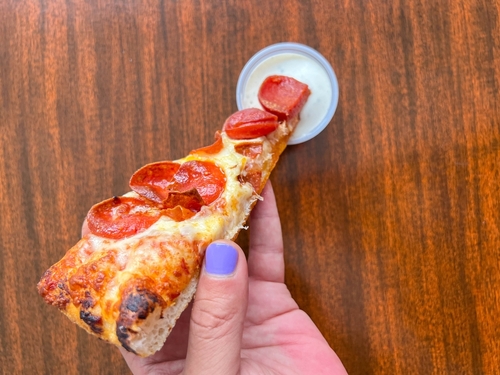
Pizza chains operating in Europe and Asia regularly offer ranch dipping cups alongside their deliveries. Wing chains that have expanded internationally bring ranch with them as a standard pairing. Snack brands in several countries have experimented with ranch-flavored crisps and popcorn, introducing the flavor profile in a familiar, shelf-stable format.
Social media is playing a role too. TikTok food content frequently features ranch—hauls, taste tests, recipe hacks—and a lot of that content reaches international audiences. When someone in Sweden or South Korea sees ranch appear consistently in American food videos, curiosity follows. Some then seek it out.
This kind of soft cultural exposure has a measurable effect over time. It’s how many American food trends eventually cross borders.
How Ranch Is Being Adapted for Global Tastes
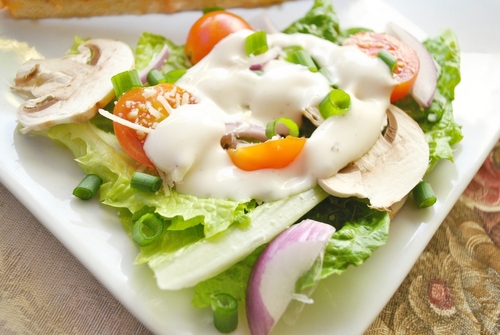
Where ranch is gaining traction internationally, it’s often being modified. A few adaptations worth noting:
- Yogurt-based ranch: In markets where buttermilk is less common, yogurt substitutes create a lighter texture that suits local palates better.
- Spicy ranch: In Mexico and parts of Southeast Asia, chili is added to bring ranch in line with local heat preferences.
- Vegan ranch: Plant-based versions using cashew cream or oat-based mayo are growing in popularity, especially in European markets where plant-based eating is more mainstream.
- Lower-sodium versions: Some international markets favor less salty condiments, prompting reformulations.
These adaptations are a sign of genuine interest—not just novelty. When a product gets localized, it typically means there’s a real consumer base developing around it.
Frequently Asked Questions (FAQs)
Is ranch dressing sold internationally?
Ranch dressing products are available in some international retailers and through import stores, but distribution is limited compared to the U.S. In most countries, it’s more likely to be found online or in specialty American food shops than in regular supermarkets.
What country eats the most ranch dressing?
The United States, by a significant margin. Ranch has been the top-selling salad dressing in the U.S. for decades and is used well beyond salads—as a dip, a pizza topping, a sandwich spread, and a flavor base for snacks.
Is ranch popular in Canada?
Yes. Canada has a food culture closely aligned with the U.S., and ranch is widely available and commonly used, especially as a dipping sauce for wings and pizza.
Why do people outside the U.S. sometimes find ranch strange?
Ranch has a distinctive creamy, tangy, herb-forward flavor that doesn’t map onto the condiment traditions of most other cuisines. People who grew up with oil-based dressings or fermented sauces may find the flavor profile unfamiliar at first. That said, reactions vary widely—many people try it and like it immediately.
Does ranch dressing exist in Europe?
Yes, but availability and popularity vary by country. It’s most accessible in the UK and in major cities across Western Europe. In countries like France and Italy, it remains quite rare outside of American-themed restaurants or import stores.