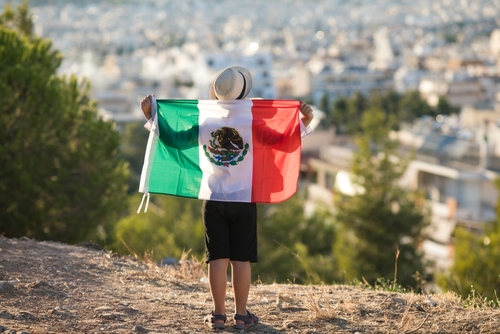

Every year in early February, Mexico pauses to honor one of the most significant documents in its history. Constitution Day (Día de la Constitución) isn’t just a day off work—it’s a moment to commemorate the legal framework that shaped modern Mexico.
For locals, it is a time of national pride and a welcome long weekend. For visitors, it offers a unique glimpse into the country’s civic spirit. If you are planning to be in Mexico in early 2026, understanding this holiday will help you navigate the closures and appreciate the celebrations.
Whether you are living in Mexico, visiting for vacation, or just curious about Mexican culture, here is everything you need to know about Constitution Day 2026.
When is Constitution Day 2026?
Historically, Constitution Day is February 5, marking the exact date the document was promulgated in 1917. However, to create a long weekend for workers and students, the official observance is moved to the first Monday of February.
For 2026, the dates are as follows:
- Official Holiday (Day Off): Monday, February 2, 2026.
- Historical Anniversary: Thursday, February 5, 2026.
This shift allows families to gather and enjoy a three-day weekend, often referred to as a puente (bridge). This means you can expect Monday, February 2, to be the primary day for bank closures and school suspensions.
Why is Constitution Day Celebrated?
This holiday commemorates the approval of the Political Constitution of the United Mexican States (Constitución Política de los Estados Unidos Mexicanos) in 1917. While it may sound like a standard legal procedure, the context is revolutionary.
The Revolution of 1910
The 1917 Constitution was born out of the Mexican Revolution, a fierce armed conflict that began in 1910 to overthrow the dictatorship of Porfirio Díaz. The revolution wasn’t just about changing leadership; it was a deep social movement demanding land reform, labor rights, and equality.
After years of struggle, President Venustiano Carranza convened a Constitutional Congress in the city of Querétaro. The goal was to draft a supreme law that would enshrine the ideals of the revolution into the fabric of the nation.
A Progressive Document
Promulgated on February 5, 1917, the constitution was remarkably progressive for its time. It is often cited as the first major constitution in the world to include broad social rights, predating similar movements in other nations.
Key contributions of the 1917 Constitution include:
- Article 3: Established the right to a free, secular education for all citizens.
- Article 27: Laid the groundwork for land reform, declaring that original ownership of lands and waters belongs to the Nation, which has the right to transfer them to private individuals.
- Article 123: Introduced vital labor rights, including the eight-hour workday, the right to strike, and protections for women and children in the workforce.
Today, this document governs the country and remains a symbol of the rights and freedoms won by the Mexican people.
How is Constitution Day Celebrated in Mexico?
Unlike the vibrant parties of Cinco de Mayo or the solemn traditions of Día de los Muertos, Constitution Day is primarily a civic holiday. The tone is respectful and patriotic.
Civic Ceremonies
Throughout the country, government officials hold ceremonies to honor the constitution’s drafters. The President of Mexico typically leads a ceremony at the National Palace or in Querétaro, where the document was signed. These events often feature speeches highlighting the importance of the rule of law and democracy.
Parades and Festivals
While not as massive as Independence Day parades, many cities host local processions. You might see school children marching in uniform, military detachments, and local bands playing patriotic music. The atmosphere is communal and family-oriented.
In Querétaro, the celebrations are naturally more elaborate. The city takes great pride in being the birthplace of the constitution, often hosting cultural events, concerts, and theatrical reenactments of the signing throughout the week leading up to the 5th.
The Long Weekend (El Puente)
For the average citizen, the “celebration” is often centered on leisure. Because the holiday creates a three-day weekend, millions of Mexicans take the opportunity to travel. Popular beach destinations like Cancún, Puerto Vallarta, and Los Cabos, as well as “Magic Towns” (Pueblos Mágicos), see a surge in domestic tourism. Families head to parks for picnics, visit museums, or simply enjoy a day of rest at home.
What is Open and Closed on Constitution Day?
If you are visiting Mexico on Monday, February 2, 2026, you should plan ahead, as it is a statutory federal holiday.
Closed:
- Banks and Financial Institutions: Most bank branches will be closed. ATMs will still be operational.
- Government Offices: Federal, state, and municipal offices, including immigration centers and embassies, will be closed.
- Schools: Public and private schools, as well as universities, suspend classes.
- Corporate Offices: Most non-retail businesses give employees the day off.
Open:
- Supermarkets and Malls: Major retail chains and grocery stores usually remain open, often with normal operating hours.
- Restaurants and Tourist Attractions: In tourist zones, everything will likely be open. In fact, they may be busier than usual due to the long weekend.
- Museums: While many museums are traditionally closed on Mondays in Mexico, some major archaeological sites usually remain open for tourists. However, it is always best to check the specific schedule for the site you wish to visit.
Tips for Travelers During the Holiday
Traveling during a puente can be exciting, but it requires a bit of strategy.
- Book Early: Since domestic tourism spikes, flights and buses can sell out quickly. Secure your transportation and accommodation well in advance.
- Bank Ahead: With banks closed on Monday, ensure you have enough cash (pesos) for the weekend, especially if you are visiting smaller towns where cards might not be accepted.
- Expect Traffic: Highways leaving major cities like Mexico City can become congested on Friday afternoon (departure) and Monday evening (return).
- Enjoy the Vibe: If you are in a city center, look for the local Zócalo (main square). You will likely find families enjoying street food, balloons, and a relaxed atmosphere.
Frequently Asked Questions
Is Constitution Day the same as Independence Day?
No. Independence Day (Día de la Independencia) is celebrated on September 16 and marks the start of the war against Spanish rule in 1810. Constitution Day celebrates the law of the land established in 1917, over a century later.
Is alcohol sold on Constitution Day?
Generally, yes. Unlike election days where “Dry Laws” (Ley Seca) often apply, alcohol sales usually proceed as normal on Constitution Day. However, local municipalities always have the authority to change restrictions, so it is possible to encounter exceptions in specific towns.
Do I get paid double if I work on Constitution Day?
If you are working in Mexico under a formal contract and are required to work on the statutory holiday (Monday, Feb 2), Mexican labor law dictates you are entitled to your regular salary plus double that amount—effectively triple pay for the day.
Is the 1917 Constitution still in use?
Yes, but it has been amended hundreds of times to adapt to modern realities. Despite the changes, the core principles of democracy, federalism, and social rights remain the foundation of the Mexican legal system.
Celebrating Mexican History
Constitution Day is a reminder of Mexico’s resilience and its commitment to justice. While it may not have the fireworks of New Year’s Eve, it represents the stability and rights that allow the country to thrive.
If you find yourself in Mexico on February 2, 2026, take a moment to appreciate the history behind the holiday. Whether you spend the day watching a local parade or relaxing on a beach during the puente, you are participating in a tradition that honors the very heart of the nation.