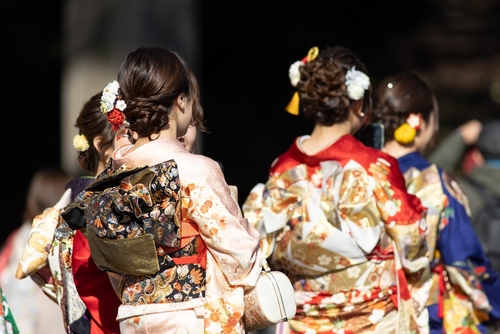

Turning 20 is a major milestone in Japan. It marks the transition from childhood to adulthood, granting new rights and responsibilities. This transition is celebrated nationwide during Seijin no Hi, or Coming of Age Day. It is a day filled with vibrant kimonos, official ceremonies, and reunions with old school friends.
For those living in Japan or with family there, understanding this holiday helps you appreciate its cultural significance. It is not just a party; it is a formal welcome into society. While the legal age of adulthood in Japan was lowered to 18 in 2022, most municipalities continue to invite 20-year-olds to the ceremony, maintaining the traditional spirit of the day.
If you are planning to visit Japan or simply want to learn more about this special occasion, this guide covers everything you need to know about Coming of Age Day 2026. From the history of the holiday to what happens during the ceremony, we will help you understand why this day matters so much to young adults across the country.
When is Coming of Age Day 2026?
Coming of Age Day is held annually on the second Monday of January. For 2026, the holiday will fall on Monday, January 12.
Because it is a national holiday, government offices, schools, and many businesses will be closed. This allows families to celebrate together. If you are traveling in Japan during this time, you can expect to see many young people dressed in traditional attire walking through the streets, especially near city halls and shrines.
The History of Seijin no Hi
The roots of Seijin no Hi go back centuries. Historical records suggest that coming-of-age rites existed as far back as the Nara period (710–794 AD). In the past, boys and girls had separate ceremonies—Genpuku for boys and Mogi for girls—often held between the ages of 10 and 16.
The modern version of the holiday was established in 1948. Originally, it was celebrated on January 15 every year. However, in 2000, the “Happy Monday System” was introduced to create more three-day weekends, moving the holiday to the second Monday of January.
The core purpose remains the same: to encourage young people to realize they have become adults and to live independent, responsible lives.
What Happens During the Ceremony?
The main event of the day is the Seijin-shiki, or Coming of Age Ceremony. Local governments host these events at city halls, community centers, or sports arenas.
Invitation and Eligibility
Local municipalities send invitations to those who have turned or will turn 20 between April 2 of the previous year and April 1 of the current year. Even though the legal age of adulthood is now 18, most ceremonies still target 20-year-olds to avoid interfering with high school exams and graduation.
The Official Ceremony
The ceremony itself is usually formal but brief. It typically includes:
- Speeches: The mayor or other local officials give speeches congratulating the new adults and offering advice on their new responsibilities.
- Pledges: Representatives from the new adults may make a speech or pledge to be good citizens.
- Gifts: Attendees often receive small commemorative gifts.
After the Ceremony
Once the formalities are over, the atmosphere becomes much more relaxed. This is the time for photos and catching up. Many participants head to shrines to pray for good fortune. Later in the evening, it is common to have parties (izakaya gatherings) with former classmates from elementary and junior high school.
Traditional Attire: Furisode and Hakama
One of the most striking aspects of Coming of Age Day is the fashion. The streets become colorful runways of traditional Japanese clothing.
Women: Furisode
Most young women wear a furisode, a type of kimono with long, hanging sleeves. The long sleeves signify that the wearer is unmarried and an adult. These kimonos are often expensive and intricate, featuring beautiful patterns of flowers, birds, or seasonal motifs.
Getting dressed in a furisode is a complex process that often requires professional help. Many women book appointments at hair salons months in advance to get their hair styled and kimono fitted. To complete the look, they wear zori sandals and carry a matching bag. A white faux-fur stole is often worn around the shoulders to keep warm in the January cold.
Men: Hakama or Suits
Traditionally, men wore hakama—wide-legged pleated trousers worn over a kimono. You will still see many men in hakama today, often in bold colors or with family crests.
However, Western-style suits have become increasingly popular. A dark suit is a practical choice since it can be worn for job interviews and work in the future. Regardless of the choice, the goal is to look sharp, mature, and respectful.
The Shift in Legal Adulthood
A significant change occurred in Japan’s Civil Code on April 1, 2022. The legal age of adulthood was lowered from 20 to 18. This change meant that 18-year-olds could now:
- Sign contracts (like mobile phone plans or credit cards) without parental consent.
- Get married without parental consent.
- Apply for a 10-year passport.
However, the legal age for drinking alcohol, smoking, and gambling remains at 20.
Despite this legal shift, the majority of local governments decided to keep the Coming of Age Ceremony at age 20. Holding the ceremony at 18 would clash with university entrance exams and job hunting, adding stress to an already busy time for students. Celebrating at 20 allows young people to enjoy the day fully with their peers.
Tips for Visitors in Japan on Coming of Age Day
If you happen to be in Japan on January 12, 2026, here is how you can respectfully observe the day:
- Respect Privacy: While the outfits are beautiful, always ask for permission before taking close-up photos of people. Most will be happy to pose, but it is polite to ask first.
- Visit Major Shrines: Places like Meiji Jingu in Tokyo often attract many new adults after their ceremonies. It is a great spot to see the festivities from a distance.
- Be Aware of Closures: Banks and government offices will be closed. ATMs are generally open, but it is wise to have cash on hand just in case.
- Expect Crowds: Popular photo spots and restaurants near ceremony venues will be busy.
A Celebration of the Future
Coming of Age Day is a beautiful blend of tradition and modern life. It honors the past while looking forward to the future. For the new adults of 2026, it is a moment to stand tall, celebrate their growth, and step confidently into the next chapter of their lives. Whether clad in a vibrant furisode or a sharp suit, they represent the bright future of Japan.
Frequently Asked Questions (FAQs)
What is Coming of Age Day?
Coming of Age Day, or Seijin no Hi (成人の日), is a Japanese national holiday celebrated annually on the second Monday of January. It honors and congratulates individuals who have reached the age of 20, marking their transition into adulthood. This day acknowledges their new responsibilities, rights, and roles as members of society. First introduced during the post-war era in 1948, Coming of Age Day has become a cherished cultural event that blends tradition and modernity.
What Happens During the Celebration?
The celebration often begins with a formal ceremony organized by local governments, typically held at community centers, city halls, or other public venues. Young men and women are invited to attend these ceremonies, during which government officials and local leaders deliver speeches encouraging the new adults to contribute positively to society. For many, the day includes taking commemorative photos and visiting religious sites such as shrines to pray for success and happiness in their adult lives.
Attire plays a significant role in the festivities, with women donning furisode (a type of long-sleeved kimono) and men traditionally wearing hakama or, more recently, suits. These outfits are often elaborately designed, showcasing vibrant colors and patterns that symbolize the vibrant transition into adulthood.