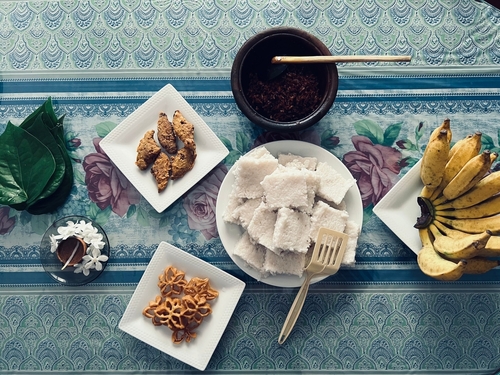

April brings a special time of renewal for Sri Lankan and Tamil communities around the world. The Sinhalese and Tamil New Year, known as Aluth Avurudu in Sinhala and Puthandu in Tamil, marks the end of the harvest season and the sun’s movement from Pisces to Aries. It is a vibrant festival centered around family, gratitude, and fresh starts.
For those living in the United States, celebrating this important cultural event requires a bit of adaptation. You might be miles away from the warm breeze of Sri Lanka or South India, but the spirit of the holiday remains exactly the same. Preparing for the 2026 New Year gives you a wonderful opportunity to share your heritage with friends, connect with local diaspora communities, and pass down meaningful traditions to the next generation.
This guide covers everything you need to know about the Sinhalese and Tamil New Year in 2026. We will explore the exact dates, key customs, and simple ways you can recreate the magic of the festival right here in the US.
When is the Sinhalese and Tamil New Year 2026?
The Sinhalese and Tamil New Year consistently falls in mid-April. In 2026, the main festival days will occur on April 13th and April 14th.
Astrology dictates the exact times for the New Year rituals. The transition of the sun from the house of Pisces (Meena Rashiya) to the house of Aries (Mesha Rashiya) determines the dawn of the New Year. Because these specific times are calculated using the planetary positions, the auspicious times (known as Nekath) change every year.
If you live in the United States, you will need to adjust these auspicious times to your local time zone. Many Sri Lankan and Tamil temples across the US publish localized Nekath schedules weeks in advance. Checking with your local community center ensures you observe the rituals at the correct moment.
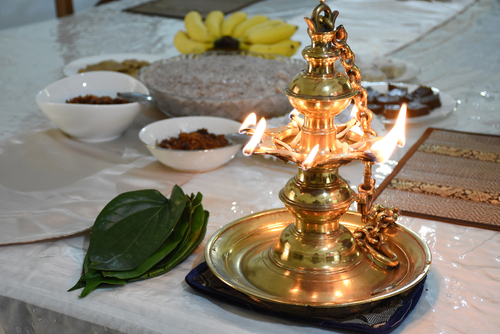
Essential Traditions and Customs
The festival involves a series of carefully timed rituals designed to bring prosperity, health, and happiness for the coming year.
Cleaning and Preparation
The days leading up to the New Year focus on purification. Families clean their homes thoroughly to sweep away the old year’s dust and negativity. You can easily uphold this tradition in your US home. Decluttering your living space creates a peaceful environment and sets a positive tone for the months ahead.
Observing the Neutral Period (Nonagathe)
Before the New Year officially begins, there is a transitional period called Nonagathe. During this time, people stop all physical work and focus entirely on religious observances. Many families visit the temple or spend time in quiet reflection. It is a peaceful pause before the lively celebrations begin.
Lighting the Hearth and First Meals
At the exact auspicious time, families light the hearth facing a specified direction. They boil a pot of milk until it overflows, symbolizing abundance and prosperity. Afterward, families prepare traditional meals. Gathering around the table to eat milk rice (Kiribath) together at the designated time builds strong family bonds and honors your cultural roots.
Celebrating Avurudu and Puthandu in the US
Living abroad does not mean you have to skip your favorite holiday traditions. With a little planning, you can host a memorable New Year celebration for your loved ones.
Finding Traditional Food and Sweets
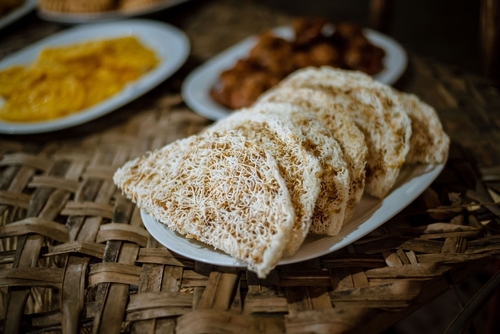
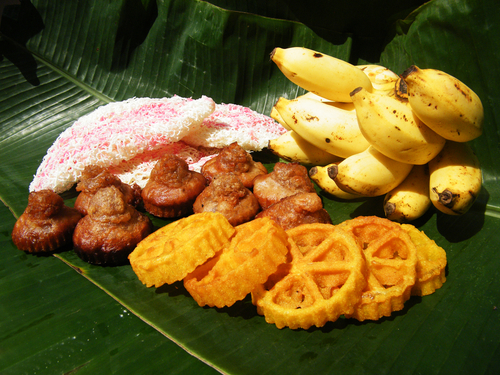
Food plays a massive role in the New Year celebrations. Sweet treats like Kavum (oil cakes), Kokis (crispy fried snacks), and Mung Guli fill the festive tables. Finding the right ingredients in the US is easier than ever. Most major cities have South Asian grocery stores that stock rice flour, coconut milk, and jaggery. Many online retailers also ship authentic Sri Lankan and Indian spices directly to your door.
Connecting with Local Communities
Many Sri Lankan and Tamil associations across the United States organize large-scale Avurudu and Puthandu celebrations. These events often take place in public parks or community halls during the weekends surrounding mid-April. Attending these gatherings allows you to participate in traditional New Year games like tug-of-war, sack races, and identifying the hidden guest (Avurudu Kumaraya/Kumari). It is a fantastic way to meet people who share your background and keep your cultural identity strong.
Frequently Asked Questions (FAQ)
How do you say Happy New Year in Sinhala and Tamil?
To wish someone a Happy New Year in Sinhala, you say “Subha Aluth Avuruddak Vewa.” In Tamil, you say “Iniya Puthandu Nalvazhthukkal.”
Do I need to follow the auspicious times exactly if I live in the US?
Many families choose to convert the traditional Sri Lankan auspicious times to their local US time zones. Local temples usually provide a printed guide with the adjusted hours for your specific state or city.
What are the best traditional clothes to wear for the New Year?
People traditionally wear new clothes in specific colors dictated by the year’s astrological charts. Women often wear Osaris or Sarees, while men wear Sarongs and shirts. If you do not have traditional clothing in the designated color, simply wearing new, clean clothes is a perfectly acceptable way to show respect for the holiday.
Where can I find a Nekath (auspicious time) chart for the US?
Sri Lankan embassies, consulates, and local Buddhist or Hindu temples in the United States typically release localized Nekath charts in late March or early April. You can also find them on popular community websites and social media groups.
Keeping the Spirit of the New Year Alive
The Sinhalese and Tamil New Year is a beautiful reminder of the importance of family, community, and fresh beginnings. Celebrating Avurudu and Puthandu in the United States allows you to honor your heritage while building new memories in your current home.
Start planning your 2026 celebrations early. Reach out to local community groups to find out about upcoming events, gather your recipes for traditional sweets, and prepare your home for a prosperous year ahead. By sharing these rich customs with your friends and children, you ensure that these beautiful traditions continue to thrive for generations to come.