
After nearly 500 years of Ottoman rule, the tide of history turned for Bulgaria in 1878. It was a moment that reshaped the Balkans and restored hope to a nation that had fought long and hard for its identity.
On March 3, 2026, Bulgarians at home and around the world will pause to mark Bulgaria Liberation Day. This isn’t just a date on a calendar; it is a profound celebration of resilience, sacrifice, and the restoration of statehood. Whether you are part of the Bulgarian diaspora, a history enthusiast, or simply curious about global cultures, understanding this holiday offers a window into the heart of the Bulgarian people.
This guide explores the history behind the holiday, how it is celebrated today, and why the spirit of liberation remains so vital more than a century later.
What Is Bulgaria Liberation Day?
Officially known as the Day of the Liberation of Bulgaria from Ottoman Oppression, this national holiday is observed annually on March 3. It serves as the country’s National Day, similar to Independence Day celebrations in other nations.
The date specifically commemorates the signing of the Treaty of San Stefano in 1878. This treaty ended the Russo-Turkish War (1877–1878) and laid the groundwork for the modern Bulgarian state. For centuries prior, Bulgaria had vanished from the political map of Europe, absorbed into the Ottoman Empire. March 3 marks the moment Bulgaria re-emerged as a sovereign entity, reclaiming its place in history.
Historical Background (1877–1878)
To understand the weight of this holiday, we must look back at the 19th century. For roughly five centuries, the Bulgarian lands were under Ottoman control. Despite this long period of foreign rule, the Bulgarian people maintained their language, religion, and cultural traditions.
The Rise of National Consciousness
By the mid-1800s, a strong national revival was underway. Educators, writers, and revolutionaries began to organize, fueled by a desire for political freedom. This culminated in the April Uprising of 1876. Although the uprising was suppressed, the events drew the attention of major European powers and sparked international sympathy for the Bulgarian cause.
The Russo-Turkish War
In 1877, the Russian Empire declared war on the Ottoman Empire. This conflict, known as the Russo-Turkish War, became the decisive struggle for Bulgarian liberation. Russian troops, joined by Romanian and Finnish soldiers, fought alongside the Opalchentsi—Bulgarian volunteer forces who displayed immense bravery defending their homeland.
Battles were fierce, particularly at the Shipka Pass, where outnumbered defenders held their ground in harsh winter conditions. These sacrifices proved crucial to the eventual victory.
The Treaty of San Stefano
On March 3, 1878, near Istanbul, the peace treaty was signed. The Treaty of San Stefano was a preliminary agreement, but its significance was monumental. It envisioned a large, autonomous Bulgarian principality that encompassed most of the territories with a Bulgarian population. While later treaties would adjust these borders, San Stefano remains the symbolic birth of the Third Bulgarian State.
How the Holiday Came to Be
The significance of March 3 was recognized almost immediately after the liberation. In the years following 1878, citizens began gathering to honor the memory of those who fell in battle.
For much of the 20th century, the status of the holiday shifted depending on the political climate. However, following democratic changes in the country, the Great National Assembly officially declared March 3 as the National Holiday of the Republic of Bulgaria in 1991. Since then, it has been a day off for workers and students, dedicated entirely to remembrance and celebration.
Traditions and Celebrations in 2026
If you find yourself in Bulgaria on March 3, 2026, you will witness a country united in reflection and pride. The atmosphere is solemn yet celebratory, with events taking place in major cities and small villages alike.
Ceremonies at Shipka Peak
One of the most moving traditions takes place at the Shipka Monument (the Monument to Freedom) atop Stara Planina. Thousands of people, including government officials and citizens, climb the steps to the monument to lay wreaths and flowers. It is a powerful tribute to the Russian soldiers and Bulgarian volunteers who fought there.
Wreath-Laying and Military Parades
In the capital, Sofia, acts of remembrance are central to the day. The Monument to the Unknown Soldier serves as a focal point for official ceremonies. You will see:
- Flag-Raising: The Bulgarian flag is hoisted with military honors.
- Wreaths of Flowers: Dignitaries and citizens place flowers at monuments dedicated to the Tsar Liberator and other heroes of the war.
- Fireworks: The evening often concludes with a commemorative fireworks display (Tatsarya) that lights up the sky over Sofia.
Community Gatherings
Beyond the official protocols, this is a day for families. Concerts featuring traditional folk music and dancing are common in town squares. People often wear traditional clothing or display the national colors—white, green, and red—on their lapels. It is a time for shared history and community connection.
Why It Still Matters Today
In 2026, the events of 1878 might seem distant, but their impact is felt daily. Liberation Day is about more than a treaty signing; it is a celebration of cultural survival.
The holiday reminds modern Bulgarians of the resilience of their ancestors. It serves as an annual checkpoint for national identity, reinforcing the values of freedom and sovereignty. In a rapidly changing world, days like March 3 provide a sense of continuity and belonging. They remind the younger generation that freedom was hard-won and should be cherished.
How to Connect with Bulgarian History
You don’t have to be in Sofia or Plovdiv to engage with the spirit of Liberation Day. Whether you have Bulgarian roots or are simply an admirer of the culture, there are ways to participate:
- Read and Watch: Look for documentaries covering the Russo-Turkish War or read translated literature from the Bulgarian National Revival period.
- Visit Cultural Centers: Many cities around the world have Bulgarian cultural institutes or community centers that may host events on March 3.
- Share the Story: Use social media to acknowledge the day. Sharing respectful posts about Bulgarian history helps keep these stories alive for a global audience.
- Connect with Loved Ones: If you are sending money home to friends or family in Bulgaria, include a message acknowledging the holiday. It is a small gesture that shows you value their history and traditions.
Frequently Asked Questions
Is March 3 a public holiday in Bulgaria?
Yes, March 3 is a national public holiday in Bulgaria. Schools, government offices, and many businesses are closed to allow citizens to participate in celebrations and observances.
What is the difference between Liberation Day and Independence Day in Bulgaria?
This is a common point of confusion. Liberation Day (March 3) marks the end of Ottoman rule in 1878 and the re-establishment of the state. Independence Day is celebrated on September 22, commemorating the declaration of full independence from the Ottoman Empire in 1908.
What colors are associated with the holiday?
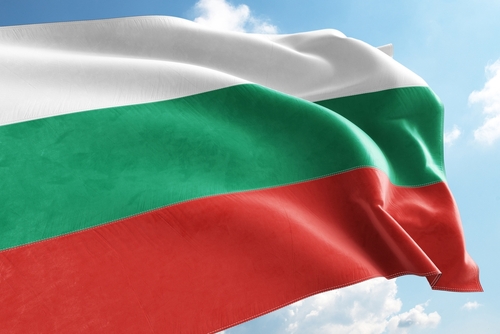
The colors of the Bulgarian flag—white, green, and red—are prominent. White stands for freedom and peace, green for the forests and agriculture, and red for the blood spilled for freedom.
Do people exchange gifts on Liberation Day?
It is not traditionally a gift-giving holiday like Christmas. Instead, the focus is on public commemoration, attending ceremonies, and spending time with family or community members.
How do Bulgarians abroad celebrate?
Bulgarian expat communities often organize gatherings, church services, or cultural performances on the weekend closest to March 3. It is a way to stay connected to their heritage while living far from home.
Celebrating Freedom and Resilience
Bulgaria Liberation Day 2026 is a testament to the enduring spirit of a nation. It honors the memory of those who fought for the right to self-determination and celebrates the culture that survived against the odds.
Whether you are marching up the steps of Shipka or reflecting on history from halfway across the globe, March 3 is a day to recognize the value of freedom. We invite you to learn more, share these stories, and join in honoring the rich history of Bulgaria.