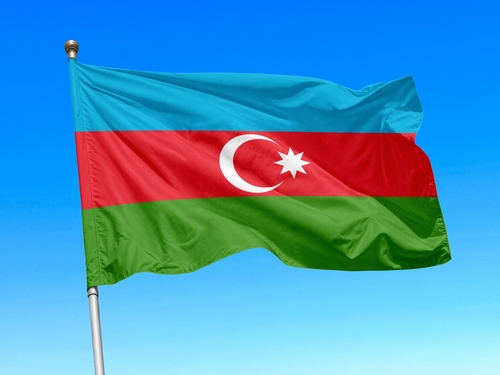

Every year on May 28, the people of Azerbaijan pause to honor a defining moment in their national story. This date marks Azerbaijan Independence Day, a public holiday celebrating the resilience, culture, and enduring identity of the nation. It is a time when the streets of Baku and cities across the country come alive with national pride.
The day carries a deep dual significance for the country. It commemorates the first establishment of the Azerbaijan Democratic Republic in 1918. It also serves as a reminder of the nation’s restored independence in 1991. The story of May 28 is one of determination, showcasing a nation that has successfully navigated significant historical shifts to secure its sovereignty.
Understanding the history behind this holiday offers a window into the values that shape modern Azerbaijan. From the early adoption of democratic reforms to the vibrant cultural traditions still practiced today, the country has a rich heritage.
By reading this guide, you will learn about the historical milestones that define Azerbaijan Independence Day. You will also discover how the holiday is celebrated today, the cultural traditions on display, and why this day remains a powerful symbol of statehood and national identity.
When Is Azerbaijan Independence Day 2026?
Azerbaijan Independence Day will take place on Thursday, May 28, 2026.
This holiday is celebrated annually on the exact same date. It is an official public holiday across the country. Government offices, schools, and many businesses close so that citizens can participate in the festivities and honor their national history.
What Does Independence Day Commemorate?
May 28 specifically commemorates the establishment of the Azerbaijan Democratic Republic (ADR) in 1918.
The creation of the ADR was a groundbreaking historical event. It was one of the first secular democratic republics in the Muslim world. The founders of the republic envisioned a modern state built on the principles of equality, human rights, and democratic governance.
Today, the holiday serves as a symbol of national sovereignty. It reminds citizens of the democratic aspirations that were planted over a century ago and continue to guide the nation’s development.
Historical Background
To fully appreciate the meaning of May 28, it helps to understand the historical timeline of Azerbaijan’s journey to sovereignty.
The 1918 Declaration
The story begins with the collapse of the Russian Empire during World War I. In the aftermath of this collapse, the people of Azerbaijan seized the opportunity to form their own government. On May 28, 1918, the National Council of Azerbaijan declared the creation of the Azerbaijan Democratic Republic.
The ADR was remarkably progressive for its time. It quickly established a national parliament and granted voting rights to all citizens. Notably, it gave women the right to vote long before many Western nations adopted similar laws. These early reforms set a strong foundation for a modern, inclusive society.
Soviet Period
The independence of the ADR was short-lived. In April 1920, the Soviet Red Army entered Baku, and Azerbaijan was incorporated into the Soviet Union.
For the next seven decades, the country remained under Soviet control. During this time, the political system was fundamentally changed, and the open celebration of the 1918 republic was suppressed. However, the memory of the ADR and the desire for self-determination never faded from the public consciousness.
Restoration of Independence
The collapse of the Soviet Union in 1991 presented a new opportunity. Azerbaijan officially declared the restoration of its independence on October 18, 1991.
Despite regaining sovereignty in October, the government chose to retain May 28 as the primary national holiday. This decision honors the original 1918 declaration, linking the modern state directly to its early democratic roots.
Why Independence Day Matters
Independence Day represents the core of Azerbaijani national identity and statehood. It is a day to reflect on the sacrifices made by previous generations to secure a free and sovereign nation.
The holiday honors the legacy of the early democratic reforms introduced by the ADR. It also reflects the resilience of the Azerbaijani people. Enduring decades of political change and foreign rule, the nation successfully reclaimed its independence and rebuilt its institutions.
How Azerbaijan Celebrates Independence Day
May 28 is a joyous occasion marked by a variety of events that bring communities together. The celebrations range from formal government ceremonies to lively public festivals.
Official Ceremonies
The day typically begins with official government events. Leaders deliver speeches highlighting the nation’s achievements and future goals. A central part of the official observance is the wreath-laying ceremony at the monument to the ADR founders in Baku. This solemn act pays respect to those who established the first republic.
Public Celebrations
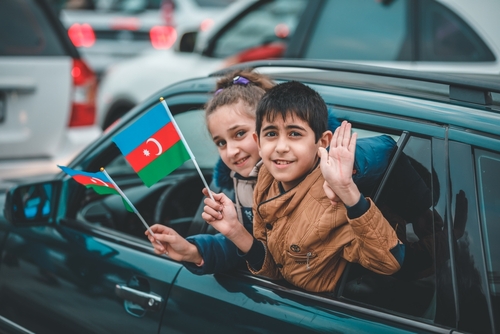
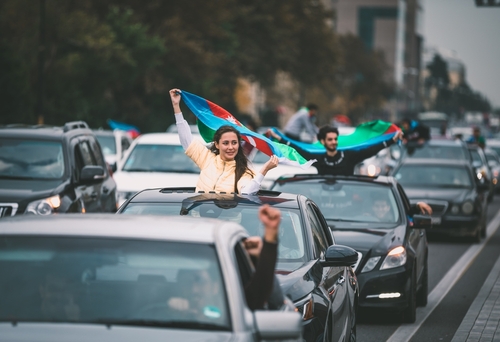
Following the formal ceremonies, the focus shifts to public celebrations. The streets and public squares are decorated with the vibrant blue, red, and green colors of the national flag. Cities host large concerts, outdoor festivals, and parades. As night falls, spectacular fireworks displays light up the sky, drawing large crowds of families and friends.
Cultural Events
Cultural institutions play a major role in the festivities. Museums, theaters, and galleries host special exhibitions and performances. These events showcase the nation’s artistic heritage, ensuring that traditional music, dance, and storytelling are passed down to younger generations.
Azerbaijani Culture on Display
Independence Day is an excellent time to experience the richness of Azerbaijani culture. The country sits at the crossroads of Eastern Europe and Western Asia, resulting in a unique cultural blend.
Music is a central element of the celebrations. You will often hear mugham, a traditional musical form characterized by complex vocal improvisations. Accompanied by indigenous instruments, mugham is deeply emotional and is considered a cornerstone of the national heritage.
Dance is equally important. Performers in elaborate national dress execute fast-paced, rhythmic dances that tell stories of courage and joy.
No celebration is complete without food. Families gather to share traditional dishes like plov (a fragrant rice pilaf with meat and dried fruits) and dolma (grape leaves stuffed with minced meat and herbs). Sharing these meals is a way to reinforce family bonds and cultural continuity.
Independence Day in Modern Azerbaijan
In modern Azerbaijan, May 28 is more than a historical retrospective. It is an active reflection on national development and identity in the 21st century.
The youth play a vital role in these modern celebrations. Educational programs and university events encourage young people to connect with their history while looking forward. The holiday represents the balance Azerbaijan strikes between honoring its ancient traditions and engaging with the global community through modernization and economic growth.
How to Experience Independence Day
If you plan to visit Azerbaijan during this time, or simply want to learn more from afar, there are several ways to engage with the holiday.
Attend Public Events
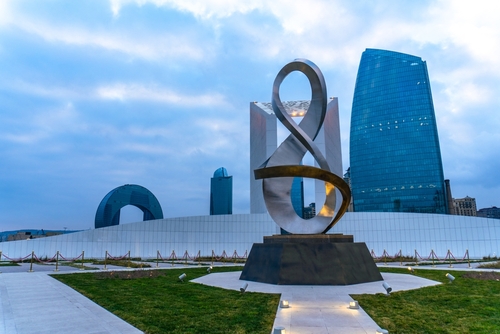
If you are in the country, the capital city of Baku is the center of the action. Walk along the Baku Boulevard to experience the festive atmosphere, listen to live music, and watch the fireworks. Other major cities like Ganja and Sumgait also host impressive public gatherings.
Explore Cultural Traditions
Take the time to explore the local culture. Visit a traditional restaurant to try authentic plov and dolma. Seek out a mugham performance to experience the soulful music that defines the region.
Engage Respectfully
Understanding the historical and cultural context makes the experience much more meaningful. Recognize the pride the locals have in their 1918 democratic roots and the hardships endured during the Soviet era. Showing an interest in their history is deeply appreciated by the Azerbaijani people.
Common Questions About Azerbaijan Independence Day
Why is May 28 celebrated instead of the 1991 independence date?
May 28 celebrates the founding of the original Azerbaijan Democratic Republic in 1918. The government chose to retain this date to honor the country’s first experience with sovereignty and to connect the modern state to its early democratic foundation.
What made the 1918 republic unique?
The Azerbaijan Democratic Republic was one of the first secular democratic republics in the Muslim world. It introduced progressive reforms, including a parliament and voting rights for all citizens, including women.
How is the day celebrated across the country?
The holiday is marked by official wreath-laying ceremonies, government speeches, and widespread public festivities. Citizens enjoy outdoor concerts, cultural performances featuring traditional music and dance, family feasts, and evening fireworks.
Why Independence Day Still Matters Today
More than a century after the first declaration, May 28 remains highly relevant. It reinforces the importance of sovereignty and national pride in a complex global landscape.
The day highlights the democratic aspirations that have long been a part of the national character. By celebrating past achievements, the country finds inspiration for its future goals. It serves as a unifying force, bringing together citizens of all ages to celebrate their shared history.
Celebrating a Living Symbol of Identity
Azerbaijan Independence Day is a powerful reminder of a nation’s ability to endure and thrive. May 28 is both a historical milestone and a living symbol of the country’s values. From the progressive reforms of 1918 to the vibrant cultural displays of today, the holiday encapsulates the spirit of the Azerbaijani people.
Learning about this day offers valuable insights into a nation that honors its past while confidently building its future. Consider exploring more about Azerbaijan’s rich history, listening to traditional mugham, or trying a local recipe to connect with this meaningful celebration.