
For many people, the start of Lent is a significant time for reflection and renewal. It marks the beginning of a 40-day journey leading up to Easter, characterized by prayer, simplicity, and community. However, because the date changes every year based on the lunar calendar, it can be confusing to keep track of exactly when this season begins.
In 2026, Ash Wednesday falls on Wednesday, February 18. This is slightly earlier than in some years, meaning the Lenten season will wrap up with Easter Sunday in early April. Whether you are observing this day for the first time or simply need a refresher on the specific rules regarding fasting and abstinence, knowing what to expect can help you prepare with confidence.
This guide covers everything you need to know about Ash Wednesday 2026. We will look at the history behind the traditions, the specific rules for fasting established by the Church, and how you can observe this meaningful day regardless of your location.
The Significance of Ash Wednesday
Ash Wednesday is one of the most important days in the Christian calendar, specifically for Catholics, Anglicans, Lutherans, and Methodists. It serves as the official first day of Lent, a season focused on preparation and repentance before the celebration of Easter.
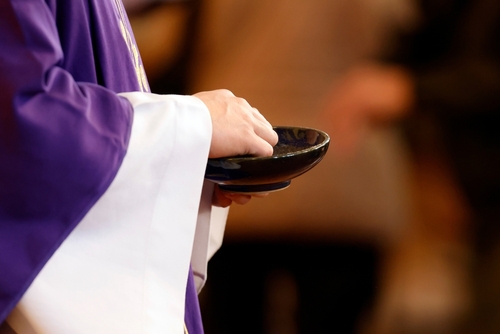
The primary focus of this day is humility. It is a time to recognize our humanity and our need for spiritual connection. During services, a priest or minister marks the foreheads of the faithful with ash in the shape of a cross. This physical symbol serves as a public declaration of faith and an internal reminder of mortality.
The ashes themselves carry deep meaning. They are typically made by burning the palm branches blessed during the previous year’s Palm Sunday services. This creates a direct connection between the glory of Jesus’ entry into Jerusalem and the penitential nature of Lent.
Why the Date Changes Every Year
You might wonder why Ash Wednesday lands on February 18 in 2026 when it was on a different date the year before. The reason lies in the calculation of Easter.
Easter is a “movable feast,” meaning its date is not fixed to the civil calendar like Christmas (December 25). Instead, Easter is celebrated on the first Sunday following the full moon that occurs on or after the spring equinox. Once the date of Easter is determined, you count backward six Sundays (which excludes the Sundays of Lent) plus four days to arrive at Ash Wednesday.
Because the lunar cycles vary, the date of Easter—and consequently Ash Wednesday—shifts annually. In 2026, Easter Sunday falls on April 5, which places Ash Wednesday on February 18.
The Ritual of the Ashes
The distribution of ashes is the central event of the day. As people approach the altar, the minister presses ashes to their forehead and speaks a specific phrase. These words are meant to ground the believer in reality and focus their mind on the season ahead.
The two most common phrases used during this ritual are:
- “Remember that you are dust, and to dust you shall return.”
- “Repent, and believe in the Gospel.”
The first phrase echoes the Old Testament (Genesis 3:19), reminding us that life on earth is temporary. The second serves as a direct call to action for the Lenten season—to turn away from wrongdoing and focus on spiritual growth.
While the ashes are a powerful symbol, there is no strict requirement to wear them all day. Some people choose to wipe them off immediately after the service, while others leave them on as a witness to their faith. Both practices are acceptable.
Catholic Rules for Fasting and Abstinence
One of the most common questions regarding Ash Wednesday involves the rules around food. For members of the Latin Catholic Church, Ash Wednesday is an obligatory day of fasting and abstinence. These rules are designed to be simple and accessible, but they do have specific age requirements.
Fasting Guidelines
Fasting in this context does not mean going without food entirely. It refers to limiting the amount of food you consume to discipline the body and focus the spirit.
- Who must fast? The obligation binds Catholics from age 18 until they begin their 60th year (essentially, from your 18th birthday up to your 59th birthday).
- What is allowed? When fasting, you are permitted to eat one full meal. You may also eat two smaller meals (collations) to maintain strength, but together these two smaller meals should not equal the size of one full meal.
- Snacking: Solid food between meals is not permitted when fasting.
Abstinence Guidelines
Abstinence refers to refraining from eating meat. This is a practice observed on Ash Wednesday, Good Friday, and all Fridays during Lent.
- Who must abstain? The rule is binding for all Catholics age 14 and older. There is no upper age limit for abstinence.
- What counts as meat? This typically includes the meat of mammals and poultry (beef, pork, chicken, turkey).
- What is allowed? Fish, eggs, and dairy products are permitted. This is why fish fries are popular community events during the Lenten season.
Exceptions exist for those who are ill, pregnant, nursing, or have physically demanding jobs that require extra nourishment. The Church emphasizes that these rules should not harm your health.
The Three Pillars of Lent
Ash Wednesday kicks off a 40-day period defined by three specific practices: prayer, fasting, and almsgiving. Understanding these pillars can make your observance of Ash Wednesday 2026 more meaningful.
1. Prayer
Lent is a time to deepen your relationship with God. This might mean attending Mass more frequently, reading Scripture daily, or simply setting aside quiet time for reflection. On Ash Wednesday, the focus is often on confessing shortcomings and asking for the strength to improve.
2. Fasting
As mentioned, fasting is required on Ash Wednesday and Good Friday. However, many people choose to give up a specific comfort for the entire season of Lent. This could be chocolate, social media, alcohol, or television. The goal is to remove distractions that keep you from focusing on what matters most.
3. Almsgiving
Almsgiving is the practice of giving to those in need. It is a way to balance the self-denial of fasting with proactive generosity. This could involve donating money you saved by giving up luxuries, volunteering at a local shelter, or simply performing acts of kindness for neighbors.
Frequently Asked Questions
Understanding the logistics of Ash Wednesday helps ensure a stress-free experience. Here are answers to common questions about the day.
Is Ash Wednesday a Holy Day of Obligation?
No, Ash Wednesday is not a Holy Day of Obligation in the Catholic Church. This means you are not required to attend Mass under pain of sin. However, it is one of the most heavily attended services of the year because many people value the tradition and the tangible start to the Lenten season.
Can non-Catholics receive ashes?
Yes. The Catholic Church allows baptized non-Catholics to receive ashes. Because the ashes are a sacramental (a sacred sign) rather than a sacrament (like Communion), the rules are more open. Many other Christian denominations, including Anglicans and Lutherans, also distribute ashes.
When does Lent end?
The season of Lent technically ends on the evening of Holy Thursday, which is the start of the “Easter Triduum” (the three days leading to Easter Sunday). In 2026, Holy Thursday falls on April 2.
Can I eat meat on Ash Wednesday?
No. Ash Wednesday is a day of abstinence from meat for all Catholics age 14 and older. You should plan your meals accordingly, opting for vegetarian dishes or fish.
What if I forget it is Ash Wednesday and eat meat?
The rules of fasting and abstinence are meant to be a conscious spiritual discipline, not a trap. If you genuinely forget and eat meat by accident, it is generally considered a mistake rather than a sin. The intent is what matters. Simply resume the fast and abstinence once you realize the date.
Looking Ahead to the Season
Ash Wednesday 2026 is an invitation to slow down. In a busy world, it offers a rare moment to pause, reflect on our direction, and make changes for the better. By understanding the date (February 18) and the simple rules around fasting and abstinence, you can approach the day with clarity and purpose.
Whether you plan to attend a service, give up a luxury, or simply spend the day in quiet thought, the start of Lent is a supportive time to reset your spiritual life. Remember that the practices of this day are tools to help you, not burdens to weigh you down.