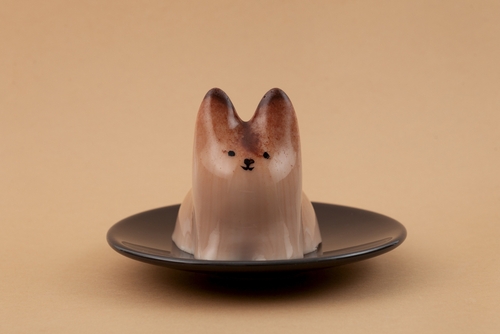

Kawaii food is a style of Japanese cuisine that turns everyday meals into something playful and expressive. You’ve probably seen the perfectly cute versions online. But don’t worry, you don’t need special skills or fancy tools, just a bit of curiosity and a willingness to have fun with your food.
If you’re a newcomer in the US, food often carries even more meaning. It becomes a way to create a routine when everything feels unfamiliar, to feel closer to home, or to give yourself a small moment of comfort at the end of a long day.
At Remitly, we know that food is one of the first ways people reconnect with culture while settling into a new place. That’s exactly why kawaii food resonates: it’s simple, comforting, and quietly joyful, even on ordinary days.
What is kawaii food?
Before getting into tools or techniques, it helps to be clear about what kawaii food actually is. Once you understand that, the whole idea feels much less intimidating.
What “kawaii” really means
Kawaii translates to “cute,” but in Japanese culture, it also suggests softness and approachability. Kawaii food isn’t a specific dish or ingredient. It’s a style of presentation that adds a bit of personality to everyday meals.
You’ll usually see simple shapes and playful touches that make food look friendly rather than fancy. Many people first encounter kawaii food through kyaraben, a style of Japanese bento boxes where meals are arranged to resemble characters or animals. But the same idea shows up in desserts, snacks, breakfasts, and even quick comfort meals at home.
The main thing to remember is that intention matters more than skill. A rice ball with uneven eyes still does the job, and honestly, those are often the most relatable ones.
Cuteness as care in Japanese food culture
In Japan, preparing food is often a practical way of showing care. Packing a lunch or plating a meal with some thought is less about presentation and more about consideration for the person eating it.
That’s why kawaii food isn’t limited to kids’ lunches. Adults make it for partners, friends, coworkers, or themselves. It’s a way to make everyday food feel a bit more thoughtful, which can be especially meaningful when you’re trying to find those small moments of peace during the overwhelming feeling of settling into a new country.
What is the story behind Kawaii food?
Kawaii food didn’t suddenly become a trend, and it actually didn’t start online. Like a lot of food traditions, it developed gradually as part of everyday life, shaped by culture and the simple idea of looking out for other people.
How kawaii culture shaped everyday food
After World War II, Japan went through a long period of rebuilding. During that time, kawaii culture began to grow as a way of expressing softness in daily life. Cuteness became linked to comfort and ease rather than anything childish.
Food naturally became part of that shift. Adding small, friendly details to meals was a way to make things feel a little lighter. A rice ball with a face or a neatly arranged lunch wasn’t meant to stand out. It was just a way to bring some warmth into a busy day.
That idea is still a big part of kawaii food today. It’s not about showing off or getting it perfect. Instead, the emphasis is on making food feel a bit more considered, even when time is limited.
The role of bento culture in kawaii food
Bento boxes are central to how kawaii food developed. In Japan, bento lunches are often made at home and eaten at school or work.
Over time, people began adding playful elements to these lunches. A rice ball shaped like an animal wasn’t meant to impress anyone. They were a quiet way of saying, “I made this for you.”
That’s why kawaii food feels familiar to so many people, even outside Japan. If you’ve ever packed a lunch, meal-prepped for the week, or cooked for someone else, the idea translates easily. The ingredients may change, but the intention stays the same.
Why kawaii food resonates in the US
Kawaii food has become popular in the US for reasons that go beyond how it looks. For many millennials, especially those juggling work, relationships, and life far from home, it offers a creative outlet that doesn’t feel demanding.
A creative food trend
In the US, meals are often quick and informal. People eat on the go, pack lunches for work, meal prep for the week, or throw together a quick dinner after a long day. Kawaii food works in that reality because it doesn’t require a full overhaul of how you cook.
You can add a fun detail to a packed lunch without changing what you normally eat. That low-effort creativity aligns well with Western habits, where convenience matters but people still want food to feel personal.
How kawaii food gained traction in the West
Social media played a major role in introducing kawaii food to Western audiences, particularly in the US. Short TikToks of bento packing, character lunches, and decorated snacks spread quickly because they were visually satisfying and easy to follow, even if you didn’t understand Japanese.
In the US, this kind of content stood out because it felt calm and intentional in contrast to the fast, productivity-focused culture a lot of us experience. Watching someone quietly prepare food or add a face to a meal offers people a refreshing moment to engage with a slower pace.
Adapting it to life in the US
This Japanese “cute food” tradition also invites people to take the idea and get creative with it using familiar Western ingredients, which makes the trend feel accessible rather than distant.
Kawaii food adapts easily to US kitchens. Rice might become toast or sandwiches. Seaweed details might turn into cheese or vegetables. The goal isn’t to recreate Japanese food exactly, but to bring a sense of care and playfulness into meals that already fit your lifestyle.
Common misconceptions about kawaii food
If kawaii food has ever felt a bit intimidating or like something you’re “not supposed” to try, you’re not alone in feeling that way. That hesitation often comes from common myths about kawaii food.
“Kawaii food is only for social media”
It’s easy to think that kawaii food exists mainly for Instagram or TikTok. After all, the most elaborate creations tend to get the most attention. But in real life, kawaii food is usually simple and made to be eaten.
Most people who make kawaii food regularly aren’t posting it anywhere. They’re packing a lunch for work, putting together breakfast, or just trying to make an ordinary weekday meal feel a little more intentional. The everyday versions, the ones made quickly and eaten right away, are the ones that actually matter.
If your food makes you pause for a second and smile before you eat it, it’s already doing what it’s meant to do.
“You need to be artistic or talented”
Another common assumption is that you need to be naturally creative or “good at art” to make kawaii food. It’s actually much more about repetition than talent.
What gives kawaii food its charm is that it isn’t perfect. Uneven eyes, slightly lopsided shapes, or expressions that look a little surprised are all part of it. As you make it more often, it starts to feel easier. And that’s not because you’re trying harder, but because you’re more relaxed about it.
“You need special tools or ingredients”
From all of the aesthetic social media videos, it might look like you need to buy special tools or have a carefully planned setup, but most people make their cute food creations with very little. Tools like rice molds, nori punches, or food picks can be helpful, but they’re optional. In most cases, your hands and a knife are enough.
The same goes for ingredients. Kawaii food doesn’t require a special grocery run. Bread, eggs, fruit, leftovers, and everyday snacks all work just fine. The focus is on using what you already have and making playful changes, not recreating a perfect version of someone else’s meal.
Kawaii food beyond bento boxes
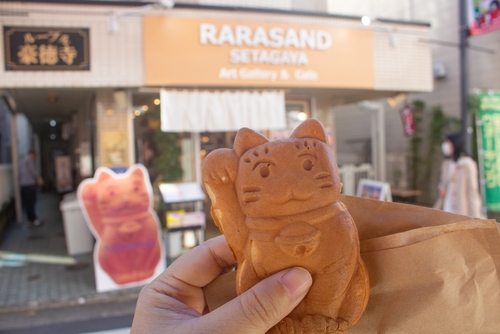
Bento boxes tend to get most of the attention, but kawaii food isn’t limited to packed lunches or carefully planned meals. In fact, it often works best in small, casual ways.
Cute desserts and sweets
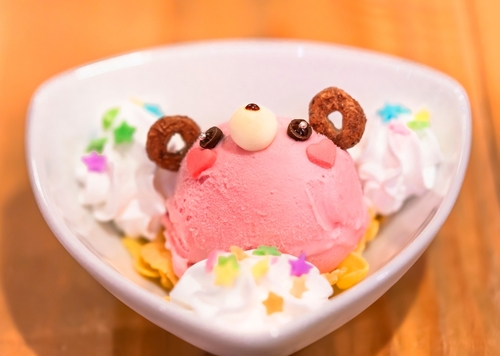
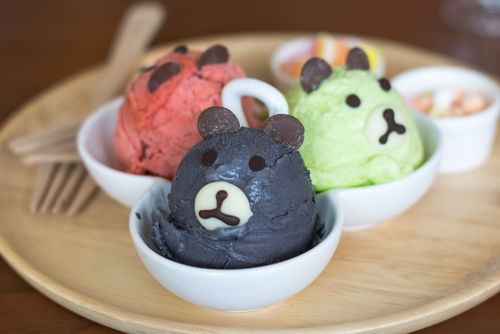
Desserts are where a lot of people start, mainly because they’re forgiving and easy to experiment with. A few small details can change how a dessert feels without adding much effort. Mini pancakes with simple faces, cookies shaped like animals, or cupcakes with tiny expressions are all common starting points.
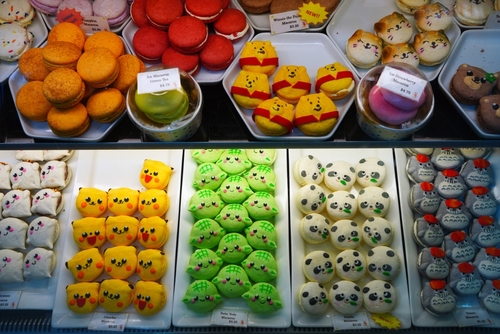
Mochi-inspired treats made with store-bought dough or mixes fit right in, too. These kinds of desserts work just as well for birthdays and potlucks as they do for a quiet weekend at home. And yes, using store-bought desserts and adding your own touch absolutely counts.
Kawaii snacks and comfort food
Some of the most recognizable kawaii food ideas come from everyday snacks and comfort meals. Toast with a simple face, ramen topped with an egg that looks like it’s floating happily, or hard-boiled eggs shaped into animals don’t require much planning.
These aren’t special-occasion foods. They’re the kinds of meals people make between work, errands, or long days. On days when energy is low, that small effort can make a real difference.
Easy kawaii food ideas you can try
If you’re curious about kawaii food but not quite ready to commit to anything complicated, this is a good place to start.
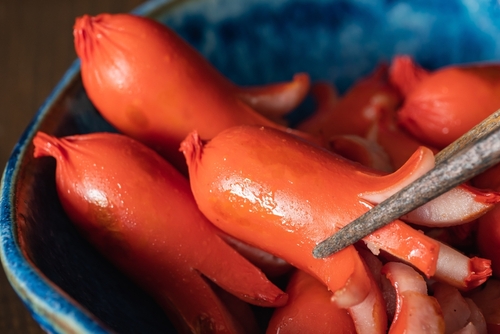
Octopus sausages
This is the classic beginner’s idea. All you have to do is cut the bottom of a small sausage into sections and cook it, and the “legs” will curl on their own. That’s really all there is to it. It takes just a few minutes and adds a playful touch to an otherwise ordinary meal.
Onigiri faces
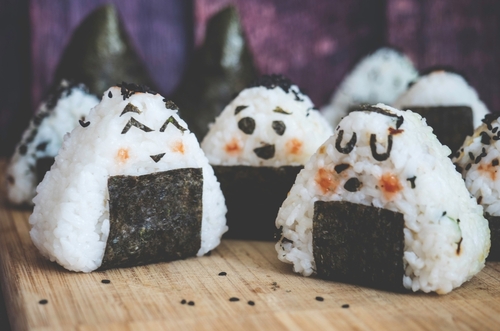
Onigiri are rice balls shaped into triangles or circles, and adding a face can be as simple as placing two sesame seeds or small pieces of nori for eyes. If rice isn’t part of your routine, the same idea works with mashed potatoes, sandwich fillings, or even shaped toast. The concept matters more than the ingredient.
Fruit shapes
Fruit is one of the easiest ways to try kawaii food because there’s no cooking involved. Apple bunnies, strawberry faces, or banana smiles take very little effort and still feel intentional. This works especially well for snacks or moments, like birthdays or holiday events, when you want something easy but fun.
Smiling eggs
Eggs are another simple place to experiment. A hard-boiled egg with a small face added using pepper, sesame seeds, or tiny vegetable pieces can feel surprisingly cheerful. It’s quick and easy to repeat.
Cute toast or sandwiches
Toast and sandwiches are perfect for low-effort kawaii food. A slice of toast with a simple face made from fruit, spreads, or seeds instantly feels more playful, even if the rest of the meal stays the same.
Because these are foods many people already eat regularly, adding a small detail doesn’t disrupt your routine; it just makes it a bit more fun.
Bring joy to your kitchen
Kawaii food isn’t about doing things “right” or trying to impress anyone. It’s about adding a little care, creativity, and lightness to the monotony of everyday routines. Small details matter, whether you’re cooking for yourself after a long day or sharing food with people you care about.
On the other hand, when life feels busy or overwhelming, easy creativity can help bring a sense of balance. Making a meal gives you something familiar to focus on and can shift the mood just enough to make the moment feel calmer.
For immigrants and newcomers, that can be especially grounding. When so much feels new, food becomes one of the easiest ways to build routine and care into your day. That’s why kawaii food often feels less like a trend and more like something people come back to again and again.
And just like those everyday moments help us feel connected, Remitly is here to help you stay connected with loved ones across borders.
Frequently Asked Questions (FAQs)
Is kawaii food difficult to make?
Not at all. Most kawaii food relies on small details, not advanced cooking skills.
Do I need special Japanese ingredients?
No, everyday ingredients work perfectly.
Is kawaii food just for kids?
Definitely not. Many adults enjoy it as a creative, calming activity.
Can I make kawaii food without rice?
Yes. Sandwiches, eggs, fruit, vegetables, pancakes, and all kinds of snacks work.