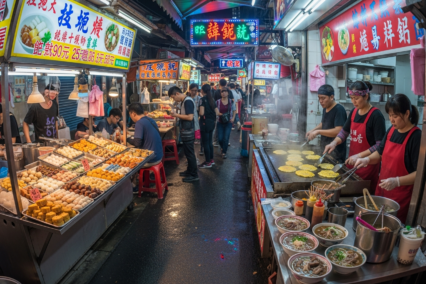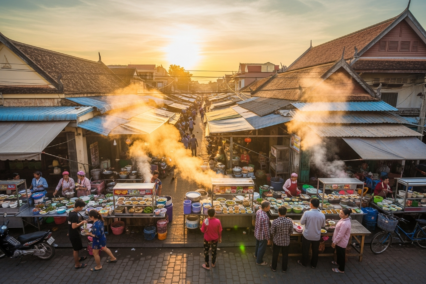
Most people know green tea, black tea, and maybe matcha. These are excellent choices, but the world of tea extends far beyond these familiar cups. Tea culture is deeply local and incredibly diverse. Around the globe, communities have spent centuries perfecting their own unique infusions.
Exploring global tea traditions offers a wonderful way to connect with different cultures. Every cup tells a story about the people, the climate, and the geography of its origin. You will discover new flavors, gain cultural insight, and find fresh brewing inspiration for your daily routine.
Stepping outside your comfort zone is easy. We have compiled a list of unique, traditional beverages from around the world. Trying even one of these unfamiliar teas will expand your palate and deepen your appreciation for this global beverage.
What Makes a Tea Uncommon?
Many teas remain hidden from the global market due to strong regional traditions. Local communities often consume what grows nearby, creating deeply rooted customs that resist global commercialization.
Strictly speaking, true tea comes from the Camellia sinensis plant. However, many cultures rely on herbal infusions made from local leaves, bark, flowers, or grains. These alternative ingredients provide nourishment and comfort in areas where traditional tea plants cannot grow.
Cultural rituals also keep certain teas hidden. Some brewing methods require specific tools, a lot of time, or precise theatrical pouring techniques. These traditions turn a simple drink into a meaningful community event.
15 Unique Teas from Around the World
Here are 15 distinctive teas that offer a true taste of their local cultures.
1. Kashmir Pink Tea (Noon Chai) – India/Pakistan
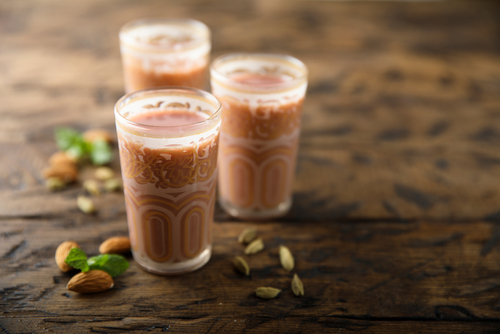
Noon Chai is a creamy pink tea made with green tea leaves, milk, and baking soda. The baking soda reacts with the tea to create its signature pink color. This savory, slightly nutty beverage is a staple on winter mornings and at weddings. First-time drinkers are often surprised by its salty flavor profile.
2. Mongolian Milk Tea (Suutei Tsai) – Mongolia
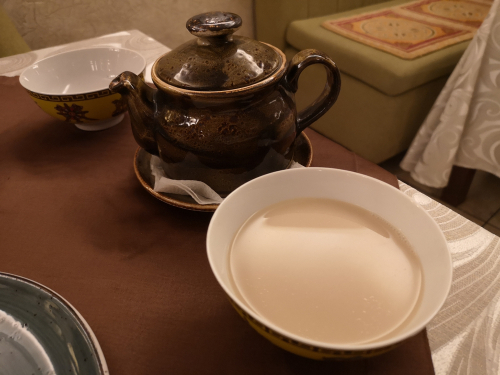
This hearty, almost soup-like tea is a daily staple for Mongolian nomads. It features a blend of tea, milk, and salt. Sometimes, locals add butter or even meat for extra sustenance. Suutei Tsai plays a vital role in nomadic hospitality, offering immediate warmth and energy to guests.
3. Icelandic Moss Tea – Iceland

Despite the name, this tea comes from lichen, not actual moss. It has an earthy, slightly bitter flavor. Historically, Icelanders used this lichen as a survival food during harsh winters. Today, it remains a traditional remedy for soothing sore throats and aiding digestion.
4. Peruvian Quinoa Tea – Peru
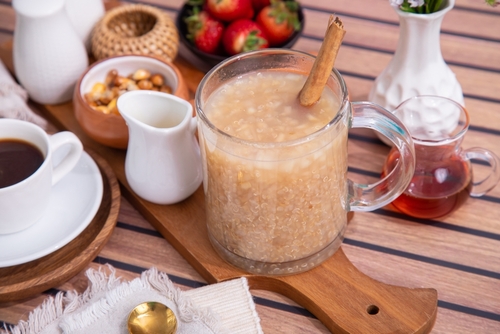
Brewed from quinoa grains or leaves, this light, nutty infusion is a daily comfort in the Andean regions. It provides a mild, energizing boost. Because quinoa is protein-rich, this tea offers genuine nutritional value alongside its pleasant taste.
5. Tibetan Butter Tea (Po Cha) – Tibet
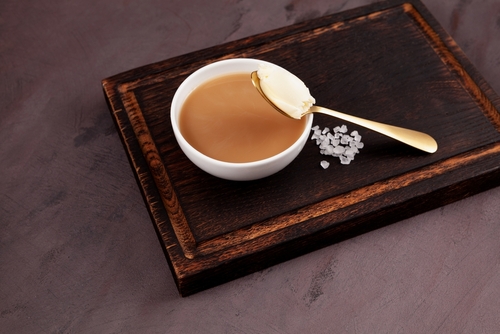
Po Cha is a high-altitude necessity. Made with tea, yak butter, and salt, it provides essential calories and warmth in the freezing Himalayas. The texture is thick and broth-like. Drinking this tea is a deeply ingrained part of daily Tibetan life.
6. East Frisian Tea – Germany
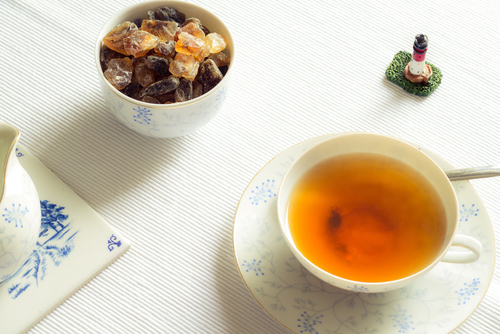
Germany’s East Frisian region boasts one of the highest tea consumption rates in the world. Locals enjoy a strong black tea served with rock sugar (kluntje) and cream. There is a strict “no stirring” rule. This allows you to taste the bitter tea, the rich cream, and the sweet sugar in distinct layers.
7. Sudanese Cinnamon Tea – Sudan

This tea features a bold cinnamon spice flavor and is typically served very sweet. It plays a massive role in Sudanese social life and hospitality. Unlike Western cinnamon teas that often blend multiple spices, this version focuses heavily on the pure, intense flavor of cinnamon.
8. Guayusa – Ecuador
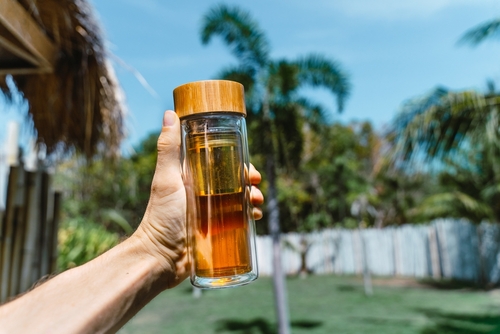
Guayusa comes from a naturally caffeinated leaf related to the holly plant, found in the Amazon region. Indigenous communities use it as a morning ritual. It offers a smooth energy boost without the jitters often associated with coffee. The flavor is mild, grassy, and slightly sweet.
9. Lapacho (Pau d’Arco Tea) – South America

Made from the inner bark of the lapacho tree, this tea has a slightly woody, vanilla-like flavor. It holds a long history of traditional medicinal use among indigenous populations. Outside of specific herbal circles, it remains largely unknown.
10. Thai Blue Tea (Butterfly Pea Flower Tea) – Thailand
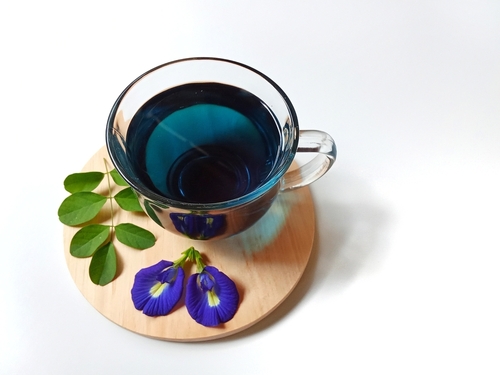
This tea is famous for its vibrant blue color, which magically changes to purple when you add lemon or lime juice. The flavor is very mild, making it more visual than taste-driven. Its stunning appearance makes it highly popular on social media and as an ingredient in desserts and cocktails.
11. Russian Ivan Chai (Fireweed Tea) – Russia and Eastern Europe
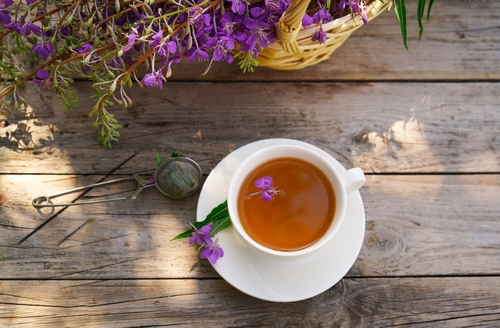
Before black tea dominated the market, Ivan Chai was a major Russian export. Made from the fireweed plant, it is naturally caffeine-free. The flavor is floral and slightly smoky. Modern herbal communities are currently leading a strong revival of this historic drink.
12. Argentine Mate Cocido – Argentina
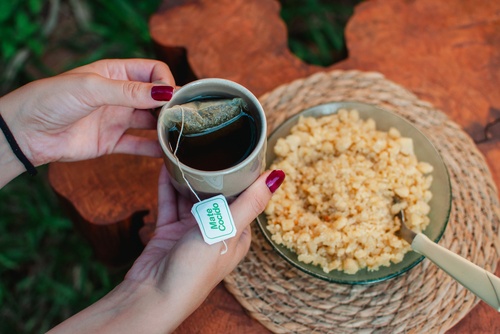
Mate Cocido is a milder, tea-bag version of traditional yerba mate. It is highly accessible and requires no special gourds or metal straws. This earthy but smooth drink is an everyday household staple in Argentina, offering a gentle energy lift.
13. Nigerian Zobo Tea – Nigeria
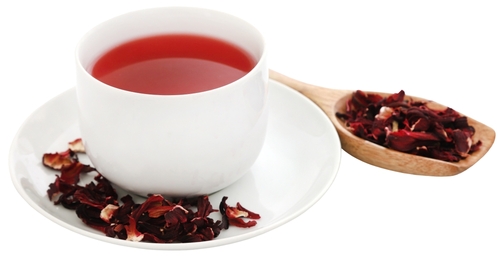
Made from dried hibiscus petals, Zobo tea delivers a tart, cranberry-like flavor. Nigerians often infuse it with ginger, pineapple, or cloves. It is incredibly versatile and is enjoyed hot as a tea or chilled as a refreshing cold drink.
14. Korean Corn Tea (Oksusu Cha) – Korea
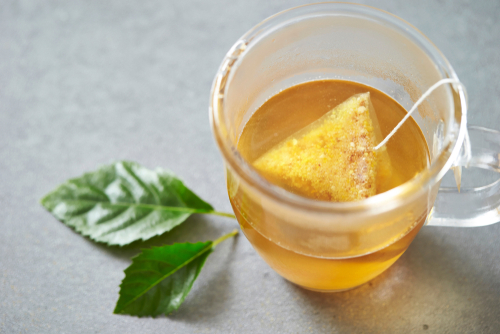
Oksusu Cha is made from roasted corn kernels. It is naturally sweet, completely caffeine-free, and deeply comforting. In many Korean restaurants, this toasty beverage is served freely as a substitute for plain water.
15. Moroccan Sahrawi Tea – Western Sahara
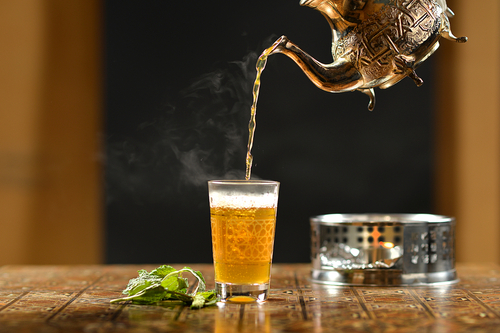
This extremely strong green tea is heavily sweetened with sugar. Serving it is an art form, with the tea poured theatrically from a great height to create a frothy top. It is served in three distinct rounds, which symbolize the stages of life.
How to Start Exploring These Teas at Home
You do not need to travel the world to taste these unique beverages. Start by visiting local international markets or specialty online shops to source authentic ingredients.
When you brew these teas for the first time, try to follow the traditional methods. This helps you experience the true cultural flavor. However, feel free to adapt the recipes for convenience once you understand the basic profile. For beginners, simple infusions like Korean Corn Tea or Argentine Mate Cocido are excellent starting points.
What These Teas Reveal About Culture
Beverages reflect the environment of the people who make them. Tea often acts as a tool for survival. In Tibet, Iceland, and Mongolia, warm, calorie-dense drinks keep people alive in harsh climates.
In places like East Frisia and the Sahara, tea is a vital ceremony. It forces people to slow down and connect with one another. Meanwhile, in Peru and Korea, local teas provide daily nourishment and hydration. The ingredients used always highlight the deep connection between geography, climate, and human ingenuity.
Frequently Asked Questions (FAQs)
Are all of these technically “tea”?
No. True tea only comes from the Camellia sinensis plant (such as Kashmir Pink Tea or East Frisian Tea). Many items on this list, like Guayusa, Lapacho, and Icelandic Moss, are technically herbal infusions or tisanes.
Which ones contain caffeine?
Teas made from Camellia sinensis (Kashmir Pink, East Frisian, Sahrawi, Tibetan Butter, Mongolian Milk) contain caffeine. Guayusa and Mate Cocido also contain natural caffeine from their respective native plants.
Which are easiest for beginners?
Korean Corn Tea, Thai Blue Tea, and Nigerian Zobo Tea are very approachable. They have pleasant, familiar flavor profiles and do not require complicated brewing methods.
Are any an acquired taste?
Yes. Tibetan Butter Tea and Mongolian Milk Tea are savory, salty, and rich with dairy fat. This is highly unusual for Western palates accustomed to sweet or plain teas. Kashmir Pink Tea also surprises many people with its salty, baking-soda infused flavor.
Expand Your Tea Horizons
Tea is a truly global experience, not a single category confined to green or black leaves. By trying new ingredients and brewing methods, you open yourself up to rich cultural histories and unique flavors.
We encourage you to experiment. Pick one unfamiliar tea from this list and track down the ingredients. Brew a cup, share it with a friend, and enjoy the simple pleasure of discovering something completely new.