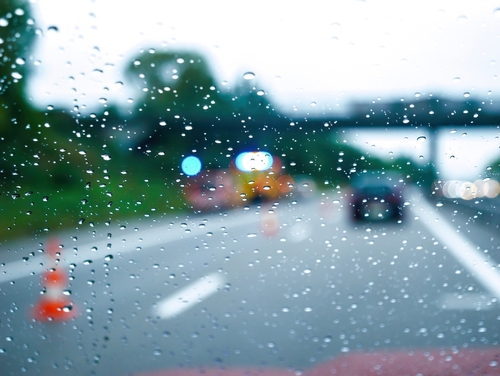

Unlike a thunderstorm that you can watch roll in from miles away, some disasters strike with little to no warning. An earthquake can shake the ground beneath you in an instant. A flash flood can turn a familiar street into a river in minutes. A wildfire can spark and spread rapidly with little time to react. A heatwave can silently build until it becomes dangerous. Even hurricanes and typhoons—though often forecasted—can shift course or intensify quickly, forcing last-minute evacuations.
When these events happen, there isn’t always time to plan. That is why preparing now—before the ground shakes, the winds pick up, or the skies fill with smoke—is one of the most caring things you can do for yourself and your family. By taking a few simple steps today, you can face the unexpected with confidence and calm.
This guide covers the unique challenges of several common natural disasters. The financial and physical preparations you make now can help you stay ready across a wide range of emergencies.
What Makes These Disasters Unique
Every natural disaster presents its own set of challenges. Understanding how they differ is the first step in staying safe.
Earthquakes: No Warning
Earthquakes are perhaps the most unpredictable of all natural hazards. According to Ready.gov, they happen suddenly and rapidly, often without any advanced notice. The shaking can cause heavy items to fall, buildings to sustain damage, and utilities to rupture. Because you cannot outrun an earthquake, the immediate safety rule is simple: Drop, Cover, and Hold On.
Floods: Fast and Powerful
Floods are the most common natural disaster in the United States. While some develop slowly over days of rain, flash floods can strike in minutes. Water is deceptively powerful; just six inches of moving water can knock an adult down, and one foot can sweep away a small car. Turn Around, Don’t Drown! Never attempt to walk or drive through floodwaters.
Heatwaves: The Silent Danger
Extreme heat is responsible for the highest number of annual deaths among weather-related hazards. It is often called a “silent” danger because it doesn’t look as dramatic as a storm or fire. A heatwave is defined as a period of unusually hot and humid weather that lasts for at least two days. During these times, your body works overtime to maintain a normal temperature, which can lead to heat exhaustion or heat stroke if you aren’t careful.
Wildfires: Rapid Spread and Toxic Air
Wildfires can ignite and spread quickly, especially during dry and windy conditions. They can destroy homes, block roads, and cause poor air quality for miles. Evacuation orders may come with little notice, and smoke inhalation can be dangerous even far from the flames. Prepare a “go bag” in advance and monitor local alerts, especially during fire season.
Hurricanes and Typhoons: Wind, Water, and Long Recovery
These powerful storms often come with days of warning, but they bring multiple threats: high winds, storm surges, flooding, and power outages. While hurricanes affect the Atlantic and typhoons occur in the Pacific, the impacts are similar. Evacuation is often mandatory, and recovery can take weeks. Staying financially ready helps you manage temporary displacement and extended service disruptions.
Emergency Preparedness for Every Scenario
Being prepared doesn’t mean you need a bunker full of supplies. It means having the right essentials on hand to survive on your own for several days.
Build a Basic Emergency Kit
You can buy pre-made kits, but it is often cheaper and more effective to build your own. Store these items in airtight bags inside one or two easy-to-carry bins or duffel bags:
- Water: One gallon per person per day for several days, for drinking and sanitation.
- Food: A supply of non-perishable food that lasts several days (think canned goods, protein bars, and dried fruit).
- Manual Can Opener: Essential if you have canned food.
- Flashlight and Radio: A battery-powered or hand-crank radio (ideally a NOAA Weather Radio) and a flashlight are vital for staying informed when power lines are down.
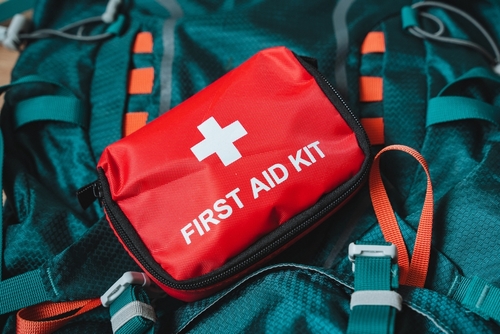
- First Aid Kit: Include bandages, antiseptic, and any necessary prescription medications.
- Batteries: Extra batteries for your devices.
- Cell Phone Charger: Ideally, include a backup battery bank that is fully charged.
- N95 Masks: Especially useful in wildfire zones or post-disaster areas with poor air quality.
- Whistle or Signal Mirror: Useful in hurricanes or wildfires if you need to be located.
- Go-Bag Readiness: For events like wildfires and hurricanes where evacuation may be urgent, keep a backpack with essentials near your exit door or in your car.
Make a Plan
Know where you will go if you have to leave.
- Evacuation Routes: Identify safe routes out of your neighborhood.
- Meeting Points: Pick a safe place to meet your family if you get separated.
- Communication: Text messages are often more reliable than phone calls during disasters because they use less bandwidth. Teach your family to text “I’m safe” if calls aren’t going through.
- Evacuation Zones and Alerts: Learn if your area is in a wildfire risk zone or coastal evacuation area. Sign up for local emergency alert systems.

Financial Tools That Help in a Crisis
We often think of preparedness in terms of food and water, but financial readiness is just as critical. A financial emergency—like lost income or sudden property damage—often follows a natural disaster.
Safeguard Your Documents
If your home is damaged, you will need documentation to file insurance claims and apply for assistance.
- Digital Copies: Scan important documents like identification, insurance policies, and property deeds.
- Physical Copies: Keep paper copies in a fireproof and waterproof box or safe.
Prepare Your Funds
When power outages hit, ATMs and card readers may not work.
- Emergency Cash: Keep a small amount of cash in small bills in your emergency kit.
- Emergency Fund: Aim to save even a small amount regularly. Ready.gov suggests saving even $5 or $10 a week.
For disasters like hurricanes or wildfires, you may face displacement for longer periods. Consider keeping your emergency fund in an easily accessible account.
Reliable Money Transfers
If you support loved ones abroad, a disaster can disrupt your routine. However, modern digital tools can help maintain that lifeline.
- Digital Wallets: Using a mobile app to manage your money means you may still be able to send funds even if physical bank branches are closed.
- Recipient Savings: May allow recipients to hold funds safely until they need to cash out.
Sharing the Checklist With Loved Ones
Disasters are stressful, but talking about them shouldn’t be. Share this information with your family and friends to help build a community of preparedness.
Encourage Conversation
You don’t need to scare anyone. Frame the conversation around safety and care.
Know Your Neighbors
In many emergencies, neighbors are the first ones to help.
Global Disaster Preparedness Resources
Natural disasters affect communities all over the world. Whether you live or have family living in a typhoon-prone region in Asia, a wildfire zone in Australia, or an earthquake area in South America, these globally recognized resources offer trusted guidance and support.
IFRC (International Federation of Red Cross and Red Crescent Societies)
https://www.ifrc.org/our-work/disasters-climate-and-crises/disaster-and-crisis-preparedness
A leading global authority on disaster risk reduction. Offers multilingual preparedness guides, early warning tips, and regional support links.
Global Disaster Preparedness Center
A collaborative effort by the Red Cross and Red Crescent. Features toolkits and case studies for floods, wildfires, heatwaves, and more—adapted for different countries and contexts.
ReliefWeb
Run by the United Nations, this site provides real-time updates and humanitarian responses to disasters worldwide, along with country-specific reports and resources.
Sphere Handbook
https://www.spherestandards.org
A globally recognized set of minimum standards for humanitarian response.
WHO: Emergency and Disaster Risk Management
Offers health-focused preparedness and response guidance.
ASEAN Coordinating Centre for Humanitarian Assistance (AHA Centre)
Focused on disaster coordination across Southeast Asia.
*Trademarks, trade names are registered trademarks of their respective owners. No affiliation or endorsement of Remitly should be implied.
Frequently Asked Questions (FAQs)
What is the most important item in an emergency kit?
Water is generally considered the most critical item. The recommendation is one gallon per person per day. Hydration is essential for survival, especially during heatwaves or if water services are contaminated by floods.
How much money should I keep in my emergency kit?
There is no set rule, but having enough cash to cover a few days of essential needs—like fuel, food, or a night at a motel—is a good target. Stick to small bills ($1s, $5s, and $10s) as stores may not be able to make change during a power outage.
Can I use my gas stove to heat my home during a power outage?
No. Never use a gas stove, oven, or charcoal grill to heat your home. This can lead to carbon monoxide poisoning, which is deadly. Only use safe heating sources or go to a designated public shelter or warming center.
Why are text messages better than calls during a disaster?
Phone lines can easily become overloaded during an emergency when everyone tries to call at once. Text message data packets are much smaller and can often squeeze through congested networks when voice calls cannot.
What should I do to financially prepare for a wildfire or hurricane evacuation?
Have cash on hand, backup copies of insurance and ID, and a prepaid debit or credit card in your go-bag if possible. Also ensure your insurance coverage includes evacuation-related expenses.
How do I protect important documents in a wildfire or hurricane?
Store physical copies in a fireproof and waterproof safe. Digital copies should be encrypted and backed up to a secure cloud service. For wildfires especially, keep a flash drive with copies in your evacuation kit.