Aotearoa New Zealand is famous worldwide for its stunning landscapes and natural beauty. It’s also a welcoming, multicultural country that people from all over the world are proud to call home.
Read on to learn everything you need to know about becoming a New Zealand citizen, including the rights, benefits, and responsibilities that come with it.
Pathways to New Zealand Citizenship
| Pathway | Who it applies to |
|---|---|
| Citizenship by birth or descent | People born in New Zealand, or with a parent who is a New Zealand citizen, may automatically acquire citizenship. |
| Citizenship by grant | Migrants who have moved to New Zealand can apply for citizenship after meeting residency and character requirements. |
| Citizenship by investment | There are provisions for obtaining citizenship through significant investment in New Zealand, subject to specific criteria and government approval. |
Although New Zealand offers visa-free travel for short-term visitors from many countries, you’ll need to apply for a resident visa or citizenship if you want to stay in Aotearoa long-term. You can explore all New Zealand visa options on the Immigration New Zealand website.
The exception is if you’re an Australian citizen — you can live and work in New Zealand indefinitely without needing a work visa.

Citizenship by Birth or Descent
Prior to 1 January 2006, New Zealand granted citizenship to all babies born in the country. Now, only babies born in New Zealand who have at least one parent who was a citizen or permanent resident at the time of birth are eligible for automatic citizenship.
Children born to New Zealand parents outside the country may be eligible for citizenship by descent, but must register their citizenship with the Department of Internal Affairs (DIA) before they can obtain a New Zealand passport. As of 2026, combined registration and passport fees start from $387 NZD, depending on age and location.
Citizenship by Grant
For migrants without existing ties to New Zealand, the most direct pathway to citizenship is by grant — similar to citizenship by naturalisation in other countries, where you become eligible after living in the country for a set period of time.
Under the Citizenship Act 1977, you’ll need to have been present in New Zealand on a valid resident class visa for at least five years. This could include:
- A skilled work visa
- A family visa (such as a partner visa)
- A Samoan Quota Resident Visa
- A Pacific Access Category Resident Visa
You can visit Immigration New Zealand to see all available visa options. You’ll also need to meet residency and good character requirements to be eligible.
Citizenship by Investment
Citizenship by investment is technically a form of citizenship by grant — you’ll still need to meet the standard residency requirements and complete a citizenship application. However, the pathway to getting there is different.
Rather than living and working in New Zealand in a traditional sense, you’ll need to make a qualifying investment in New Zealand. The Active Investor Plus visa is the primary investment pathway, requiring applicants to spend a minimum number of days in New Zealand during the conditional visa period before becoming eligible for permanent residency or citizenship. Given the size of investment required, this pathway is outside the reach of most migrants. Check the Immigration New Zealand website for current investment thresholds and conditions, as these are subject to change.
How to Apply for New Zealand Citizenship
In addition to living in New Zealand for at least five years, there are a few more eligibility requirements to meet:
- Presence in New Zealand: You must have spent at least 240 days in New Zealand in each of the five years immediately before applying, and at least 1,350 days in total across those five years.
- English language skills: You may need to demonstrate basic English proficiency. The DIA assesses this on a case-by-case basis and may require an interview or supporting evidence. You can find out more about the English language requirement on govt.nz.
- Character requirements: Any criminal charges or convictions could affect your eligibility. The DIA will consult with NZ Police and other agencies to verify your good character declaration. You may also need to provide a police check from any other countries you’ve lived in.
You can apply for New Zealand citizenship online or in person via govt.nz. Following a fee increase by the DIA in November 2025, application fees are now $560 NZD for adults (aged 16 and over) and $280 NZD for children (aged 15 and under).
You’ll need the following documents:
- Your birth certificate
- Your valid or most recent passport
- A passport-style photo less than six months old
- Details of any criminal convictions or money owed to government agencies
If applying online, you’ll also need a device with a camera and a RealMe account to complete your identity check.
Processing Times and the Citizenship Ceremony
Processing times can vary significantly. Straightforward, complete applications have recently been processed within one to four months, and in some cases even faster. More complex applications — particularly those involving name changes, gaps in residency, or missing documents — can take up to 12 to 16 months. The DIA publishes current processing timeframes on their website, so it’s worth checking before you apply.
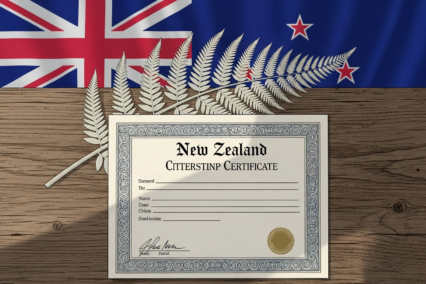
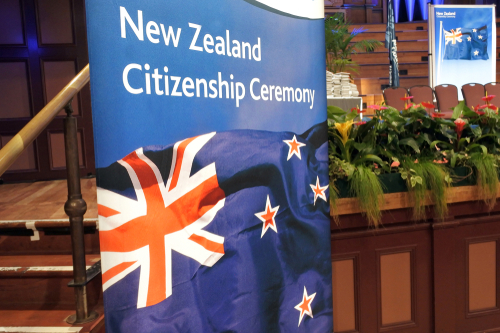
If your application is approved, you’ll be invited to attend an official citizenship ceremony. If you’re unable to attend your assigned ceremony, you’ll need to attend one within a year of the decision. At the ceremony, you’ll make an oath or affirmation of allegiance and receive your citizenship certificate.
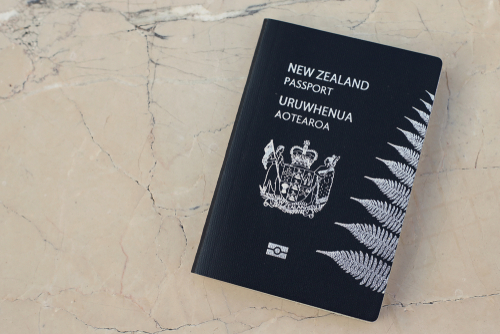
After that, you can apply for a New Zealand passport online. As of 2026, an adult passport costs $247 NZD and is valid for 10 years.

Rights and Responsibilities of New Zealand Citizenship
Becoming a New Zealand citizen is a meaningful milestone that comes with a number of important rights, including the ability to:
- Obtain a New Zealand passport
- Receive social security benefits through Work and Income
- Access the publicly funded healthcare system
- Sponsor a family member’s visa application
- Stand for public office
In return, New Zealand citizens are expected to:
- Register to vote with the Electoral Commission
- Pay taxes in New Zealand
- Abide by New Zealand law
It’s worth noting that permanent residents share many of the same rights and responsibilities as citizens. The key advantage of citizenship is that you’ll never lose the right to return to Aotearoa, and you can apply for an NZ passport. New Zealand also allows dual citizenship, so you can hold multiple passports — unless your other country of citizenship prohibits it. Note that around 50 countries, including China, India, and Japan, do not permit dual citizenship, so it’s important to check the rules in your home country before applying.
A Brief Overview of New Zealand
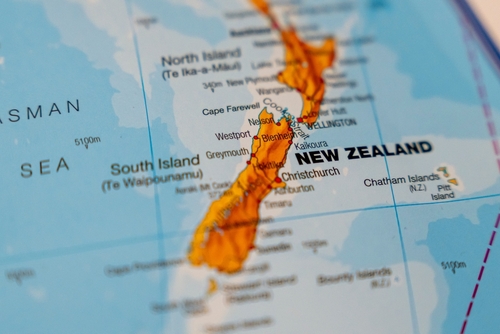
New Zealand is a country in the South Pacific Ocean made up of two main islands and dozens of smaller ones. The North Island is home to Wellington (the capital) and Auckland (the largest city), while the South Island is less densely populated, with around 1.2 million of the country’s approximately 5 million residents.
New Zealand’s indigenous people, the Māori, arrived by waka (canoe) as recently as the 1300s, naming the land Aotearoa — often translated as “Land of the Long White Cloud.” The Treaty of Waitangi, signed in 1840, established the relationship between the Crown and Māori, and remains a founding document of the nation today.
Te reo Māori is one of three official languages of Aotearoa New Zealand, alongside English and New Zealand Sign Language. Many government documents and public spaces now use the name Aotearoa New Zealand to reflect this bicultural identity.
New Zealand Citizenship FAQs
Can a New Zealand citizen hold dual citizenship?
Yes, New Zealand citizens can hold dual or multiple citizenships. However, your other country of citizenship must also permit dual citizenship for you to retain foreign status after receiving New Zealand citizenship. In some cases, you may need to go through a separate process in another country to keep your foreign citizenship.
What is a New Zealand resident visa?
A resident visa is an immigration document that allows a person to legally live in New Zealand. With a Permanent Resident Visa, you may stay in New Zealand indefinitely, provided you continue to meet the requirements. Most people who obtain citizenship through naturalisation first hold permanent residency.
Do I need a resident visa before applying for citizenship?
Yes, in most cases you’ll need to have been living in New Zealand on a resident class visa for five years before applying for citizenship. You do not necessarily need to hold a Permanent Resident Visa — a standard Resident Visa is sufficient, provided it is not subject to additional conditions under Section 49 of the Immigration Act.
Does a child of two New Zealand citizens automatically receive citizenship if born overseas?
No. Although the child is eligible for citizenship, it won’t be granted automatically if they’re born outside New Zealand. Parents must register the child as a citizen by descent with the Department of Internal Affairs after birth.
Do I need a lawyer to help with my citizenship application?
You’re not required to have a lawyer or immigration adviser, but professional guidance can make the process easier — particularly if your application is complex. The Immigration Advisers Authority can help you find a licensed immigration adviser in New Zealand.
How do I get a New Zealand passport?
To get a New Zealand passport, you must first be a legal citizen. Once you have citizenship, you can apply for a passport online via the New Zealand Passports website. As of 2026, an adult passport costs $247 NZD and is valid for 10 years.
Do I need to speak English to become a citizen?
Yes, a basic level of English is required. The DIA assesses this on a case-by-case basis. You can find out more about how to meet the English language requirement on govt.nz.
Can non-citizens open a bank account in New Zealand?
Some New Zealand banks will allow non-citizens to open accounts, but you’ll typically need to prove legal residency status and provide a valid passport. Requirements vary by bank, so it’s worth contacting your preferred provider directly.
What does “good character” mean for a citizenship application?
When you apply for citizenship, the DIA reviews your background — including consulting NZ Police and other agencies — to determine whether you meet the good character requirement. Previous criminal convictions, unpaid taxes, or money owed to government departments could result in your application being declined.
Will I get visa-free travel with a New Zealand passport?
Yes, a New Zealand passport allows you to travel visa-free or with visa-on-arrival access to over 185 countries. Check the SafeTravel website or the immigration website of any country you plan to visit to confirm current entry requirements.
Do Samoans receive New Zealand citizenship automatically?
No, but Samoan citizens benefit from an expedited process. Unlike most applicants, citizens of Samoa who hold a New Zealand resident visa are not required to meet the standard five-year time-in-New Zealand requirement and can apply for citizenship as soon as they hold New Zealand residence. See the govt.nz citizenship application page for details on the Samoan pathway.
Get Familiar with New Zealand Currency
Before relocating to Aotearoa, it’s worth getting familiar with the New Zealand dollar (NZD). While New Zealand shares the “dollar” name with countries like Australia and the United States, the NZD is its own currency with its own exchange rate — so its value can shift over time. You can check the latest NZD exchange rates on the Reserve Bank of New Zealand website.
If you need to send money to or from New Zealand, an international money transfer app like Remitly makes it easy to transfer funds to friends and family around the world, with transparent fees and competitive exchange rates.