


Moving to a new country involves many important decisions. For families and international students, understanding the local schooling framework is often the top priority. New Zealand holds a strong global reputation for providing high-quality, inclusive, and student-centred learning.
This reputation attracts thousands of international students and relocating families every year. The system focuses on practical skills, critical thinking, and student wellbeing. Knowing how the system works provides peace of mind and helps you make the right choices for your family’s future.
This guide breaks down exactly how education works in New Zealand. You will learn about the different schooling stages, grading systems, tertiary options, and the specific support available for international students.
1. Overview of the New Zealand Education System
New Zealand offers a robust educational framework overseen by the Ministry of Education (Te Tāhuhu o te Mātauranga). The system is split into three main stages: early childhood, schooling (primary and secondary), and tertiary education.
Parents can choose between state (public) schools, state-integrated schools (often with a religious or philosophical character), and private schools. State schools are fully funded by the government for domestic students. The entire system places a heavy emphasis on student-centred learning. Teachers encourage students to ask questions, think critically, and develop independent problem-solving skills.
2. Early Childhood Education (ECE)
Early Childhood Education supports children from birth up to five years of age. While ECE is not compulsory, it is highly encouraged and widely used across the country.
Parents can choose from various ECE services to suit their family’s needs, including kindergartens, daycare centres, and parent-led playcentres. To support families, the New Zealand government provides a subsidy of up to 20 hours of free ECE per week for all children aged three to five. Participating in early education helps children build foundational social skills and prepares them for a smooth transition into primary school.
3. Primary and Intermediate School
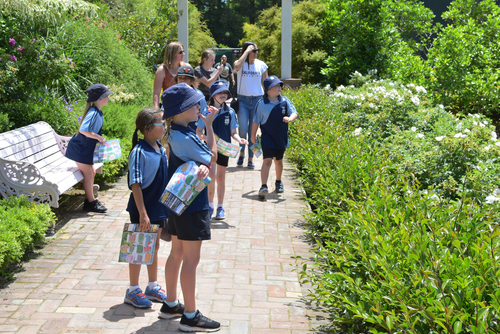
Children typically start primary school at age five. The primary and intermediate schooling years cover students from age five to twelve (Years 1 to 8).
Learning follows The New Zealand Curriculum, which covers key subjects like English, mathematics, science, technology, and the arts. The approach to teaching is highly holistic. Schools focus on the overall development of the child, including physical and emotional wellbeing. Teachers use ongoing, internal assessments rather than relying heavily on standardised testing. This approach builds confidence and encourages a genuine love of learning.
4. Secondary Education (High School)
Secondary education, commonly called high school or college, covers Years 9 to 13. Students in this stage are generally aged between 13 and 18.
During the final three years (Years 11 to 13), students currently work towards the National Certificate of Educational Achievement (NCEA), administered by the New Zealand Qualifications Authority (NZQA). NCEA is split into three levels:
- Level 1: Typically completed in Year 11.
- Level 2: Typically completed in Year 12.
- Level 3: Typically completed in Year 13.
NCEA uses a mix of internal assessments (like assignments and practical tests) and external assessments (end-of-year exams). Some schools also offer alternative international qualifications, such as the Cambridge International Examinations (CIE) or the International Baccalaureate (IB).
Please note: In August 2025, the New Zealand Government announced plans to phase out NCEA and replace it with new qualifications between 2028 and 2030. This includes a new Foundational Skills Award for Year 11 students and revised certificates for Years 12 and 13. The transition is expected to begin with a new national curriculum in 2026. For the latest updates, check the Ministry of Education website.
5. Tertiary Education in New Zealand
New Zealand offers diverse and highly respected tertiary education pathways. Students can choose the institution that best fits their career goals.
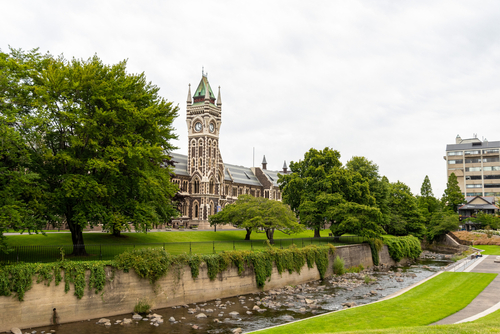
The country has eight state-funded universities, all of which rank in global university rankings and offer a wide range of undergraduate and postgraduate degree programmes.
For students seeking practical and vocational skills, Institutes of Technology and Polytechnics (ITPs) offer industry-focused training. Private Training Establishments (PTEs) also provide specialised courses in areas like travel, design, and hospitality.
6. Grading System and Qualifications
Understanding how grading works in New Zealand helps students track their progress. NCEA operates on a credit system — students earn credits for each standard they achieve and need a specific number of credits to pass each level. You can read a full explanation of how NCEA credits work on the NCEA website.
Achieving NCEA Level 3 with the required subject credits grants students University Entrance — the minimum standard required to enrol in a New Zealand university.
7. Education for International Students
New Zealand is a safe, welcoming, and popular destination for international students. The country offers a supportive environment and globally recognised qualifications.
To study in New Zealand, international students must secure a student visa through Immigration New Zealand. Schools and universities charge international tuition fees, which vary depending on the course and institution. You will also need to budget for living expenses like accommodation and transport.
The government strictly regulates the care of international students. Every institution must adhere to the Code of Practice for the Pastoral Care of International Students, ensuring a high standard of safety and support. For more information on studying in New Zealand as an international student, visit Study with New Zealand, the official government portal run by Education New Zealand.
8. Strengths of New Zealand’s Education System
There are many reasons to feel confident about studying in New Zealand. The system is intentionally designed to foster creativity and critical thinking.
Students benefit from flexible learning pathways. If a student wants to mix academic subjects with vocational training, the system supports that choice. Schools maintain strong teacher-student relationships, creating a supportive and respectful classroom environment. Most importantly, qualifications earned in New Zealand are recognised and respected by employers and universities worldwide.
9. Challenges and Considerations
While the system is excellent, there are a few challenges to keep in mind. For international students, the cost of tuition and living can be high. Planning your budget carefully is essential.
There can also be differences in educational resources between rural and urban schools. Urban schools often have access to broader facilities, while rural schools offer smaller, tight-knit communities. The government also frequently updates educational policies to improve outcomes — as noted above, the NCEA qualification system is currently undergoing significant reform.
10. How New Zealand Compares Globally
New Zealand consistently ranks well in global education indexes. When compared to the United States, the United Kingdom, and Australia, New Zealand stands out for its balanced approach to student wellbeing.
Unlike the heavily test-driven systems in the US and the UK, New Zealand places less pressure on young children. The system shares many similarities with Australia, but New Zealand’s assessment framework offers flexibility in how students demonstrate their learning.
11. Tips for Parents and Students
Preparing for a new education system takes time. These practical tips will help you manage the transition:
- Understand school zoning: Many state schools operate an enrolment scheme based on geographic zones. You must live within a school’s zone to be guaranteed a place. Research neighbourhoods carefully before renting or buying a home. You can learn more about enrolment schemes on the Ministry of Education website.
- Choose the right school: Visit school websites and read their Education Review Office (ERO) reports. These reports provide independent evaluations of school performance.
- Prepare for NCEA: Take the time to understand how NCEA credits work. School guidance counsellors are always available to help students choose the right subjects. The NCEA website is also a useful resource.
- Embrace the learning style: Encourage your children to speak up, ask questions, and participate in classroom discussions.

Your Next Steps for Studying in New Zealand
New Zealand offers a progressive, supportive, and highly effective education system. It is perfectly suited for students who thrive in collaborative environments and families who value a balanced approach to learning.
Understanding the structure of early childhood, schooling, and tertiary education gives you the clarity you need to plan ahead. With careful research and preparation, your transition into the New Zealand school system will be a smooth and rewarding experience. Start exploring school zones and university courses today to take the first step toward a world-class education.
Frequently Asked Questions (FAQs)
Is public education free in New Zealand?
Yes. State (public) schools are free for domestic students, including citizens and permanent residents. However, parents are usually asked to pay a voluntary annual donation and must cover the cost of uniforms and stationery. International students must pay full tuition fees.
What is the school calendar in New Zealand?
The school year starts in late January or early February and ends in mid-December. It is divided into four terms, with two-week holidays between each term and a longer summer break over December and January. You can check official term dates on the Ministry of Education website.
Do children have to wear school uniforms?
Most primary, intermediate, and secondary schools in New Zealand require students to wear a school uniform. Each school sets its own uniform rules and approved suppliers. Check your school’s website or contact them directly for details.



