
When you step off a ski lift at extreme altitude, the first thing you notice is the silence. The air is thin, crisp, and incredibly quiet. The mountains stretch out endlessly below you, offering a view that few people ever get to see.
Skiing at these heights is different from a typical resort experience. The snow is often better because it stays cold and dry, but the environment is harsher. For engineers, building these lifts is a massive challenge. For skiers, riding them is a thrill.
This guide explores the highest ski lifts in the world, why they are built so high, and what you need to know before you go.
What Counts as the “Highest” Ski Lift?
Before looking at specific locations, it helps to understand how these records are measured. There are two main ways to define the “highest” lift.
The first is the top station elevation. This is the height of the lift’s highest point above sea level. This is the metric most people care about because it determines how thin the air will be.
The second is the vertical rise, which is the difference in height between the bottom and the top of the lift. A lift might have a huge vertical rise but start at a low elevation, meaning it doesn’t reach extreme altitudes.
We also need to look at the type of lift. Some records belong to large cable cars (gondolas) that hold many people. Others belong to open chairlifts. It is also important to note that some lifts run year-round for sightseeing, while others only run during the ski season.
The World’s Highest Ski Lifts: At a Glance
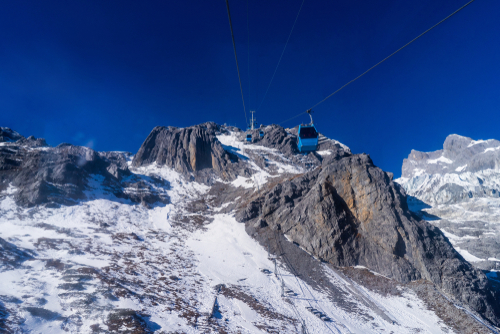
If you are looking for the absolute highest mechanical lifts that serve ski terrain or high-altitude sightseeing, a few locations stand out above the rest.
- Jade Dragon Snow Mountain, China: The Glacier Park Cable Car reaches approximately 4,843 meters (15,889 feet). It is primarily for sightseeing, but it sits at an altitude that puts most ski resorts to shame.
- Gulmarg Gondola, India: This lift takes skiers up to 3,979 meters (13,054 feet) on Mount Apharwat. It offers access to massive amounts of off-piste terrain.
- Matterhorn Glacier Paradise, Switzerland: The highest 3S cableway in the world reaches 3,883 meters (12,740 feet). It connects visitors to year-round skiing on the Theodul Glacier.
- Breckenridge, USA: The Imperial Express SuperChair is the highest chairlift in North America, topping out at 3,914 meters (12,840 feet).
Extreme Altitude in the Andes
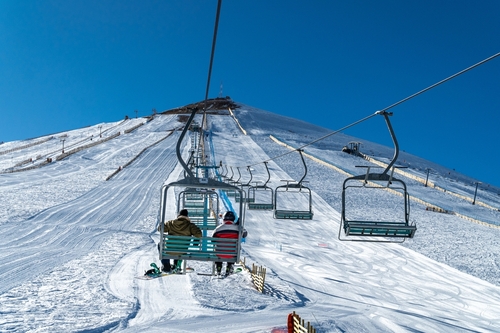
South America is home to some of the highest mountain terrain on Earth. The Andes mountains rise sharply, allowing for ski resorts that sit comfortably above the tree line.
Valle Nevado in Chile is a prime example. Its lifts take skiers up to 3,670 meters (12,040 feet). The terrain here is vast and open. Because the resort is so high, the snow quality remains excellent even when temperatures rise in the valleys below.
Across the border in Argentina, Las Leñas offers legendary steep terrain. While not as consistently high as Valle Nevado, its Marte chairlift accesses extreme terrain that attracts professional skiers from all over the world.
Skiing here is unique because of the seasons. When it is summer in Europe and North America, it is winter in the Andes. This makes these high-altitude lifts a crucial destination for dedicated skiers chasing endless winter.
Alpine Giants of Europe
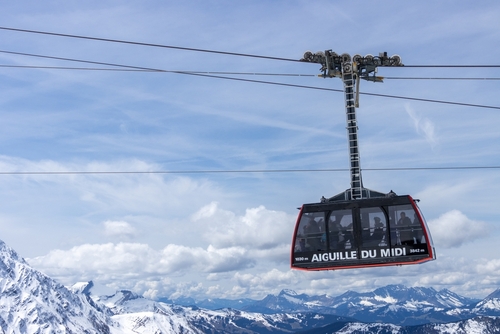
The Alps are the spiritual home of skiing, and they host some of the most impressive engineering feats in the world.
The most famous high-altitude experience is likely Zermatt in Switzerland. The Matterhorn Glacier Paradise lift does not just offer skiing; it serves as a border crossing. You can ski from Switzerland over the ridge and down into Cervinia, Italy.
Another notable location is Chamonix, France. The Aiguille du Midi cable car is not a traditional ski lift, but it provides access to the Vallée Blanche, a famous off-piste ski route. The top station sits at 3,842 meters (12,605 feet).
European resorts balance access with strict environmental protection. Building in these zones requires careful planning to minimize the impact on glaciers and rock faces.
Asia’s High-Altitude Ski Lifts
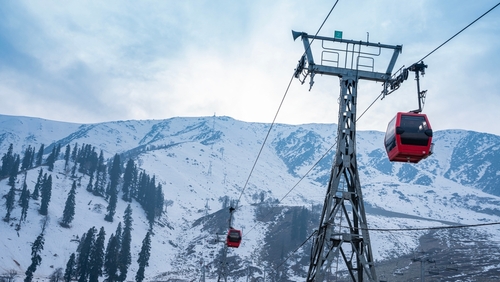
Asia offers a different kind of high-altitude experience. The terrain is often more remote and the resorts are less developed than those in Europe or North America.
In India, the Gulmarg Gondola in Kashmir is a bucket-list destination for adventure skiers. The lift rises from the town of Gulmarg to the shoulder of Mount Apharwat. The terrain is uncontrolled and wild, requiring skiers to be experts in avalanche safety.
China has invested heavily in winter sports infrastructure. The lifts on Jade Dragon Snow Mountain allow tourists to experience altitudes that are usually reserved for mountaineers. However, due to the extreme height, skiing is not always the primary focus here; often, it is simply about witnessing the glaciers.
What It’s Like to Ride a Ski Lift Above 3,500 Meters
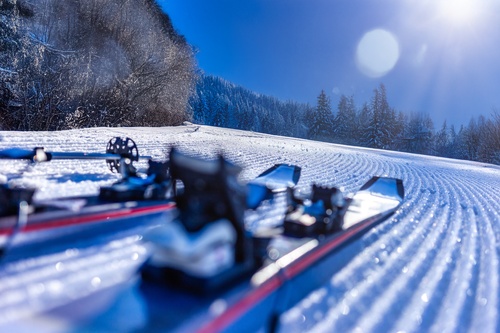
Riding a lift into the “thin air” zone affects your body. At 3,500 meters (11,500 feet), there is significantly less oxygen available than at sea level.
Physical Effects
You will likely feel out of breath just by walking from the lift to the slope. Your heart rate may increase, and you might feel a mild headache. This is normal. It is important to move slowly and drink plenty of water.
The Cold
Temperatures drop as you go higher. The wind can also be much stronger because there are no trees to block it. You need high-quality gear to stay warm. Frostbite can happen quickly on exposed skin.
The Sun
UV radiation increases with altitude. The sun reflects off the snow, making it incredibly bright. You need strong sunscreen and quality goggles to protect your eyes and skin.
Despite these challenges, the experience is exhilarating. You feel a sense of isolation and scale that you cannot find anywhere else.
Engineering Challenges at Extreme Altitude
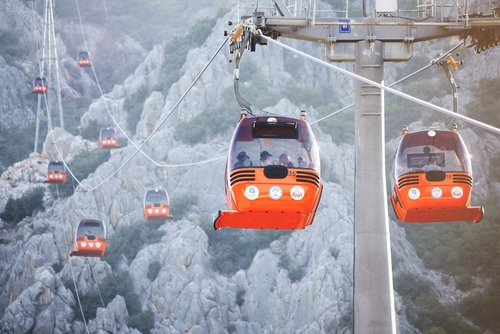
Building a lift at 4,000 meters is an engineering marvel. Construction teams cannot simply drive trucks up the mountain.
Construction Logistics
Helicopters are often used to fly in concrete, steel towers, and heavy machinery. Workers must operate in freezing temperatures and thin air, which slows down progress and requires strict safety protocols.
Weather Resistance
The equipment must withstand extreme conditions. Cables can ice up, and high winds can derail standard chairs. Engineers design these lifts with heavy-duty stabilizers and de-icing systems to ensure they run safely.
Maintenance
Routine maintenance is difficult. If a lift breaks down, evacuation plans must be solid because walking down from such heights is dangerous. Many high-altitude lifts have redundant power systems to ensure passengers can always be brought down safely.
Safety, Climate Change, and the Future
The future of skiing is linked to high altitude. As global temperatures rise, lower-elevation ski resorts are struggling to get enough snow. This pushes development higher up the mountain.
Resorts are looking to glaciers and high peaks to guarantee a ski season. However, glaciers are retreating. This creates a difficult cycle: skiers need high altitude for snow, but the environments at those altitudes are fragile.
There is also the question of sustainability. Building higher lifts requires more energy and impacts pristine environments. The industry is currently balancing the economic need for reliable snow with the responsibility to protect these mountain ecosystems.
The Allure of the Roof of the World
Humans are drawn to high places. Standing on a peak, looking down at the clouds, provides a perspective that grounds us.
The world’s highest ski lifts make this experience accessible. They allow us to visit environments that were once only reachable by elite climbers. While they come with physical challenges and environmental concerns, they offer an adventure that is hard to match.
If you plan to visit one of these alpine giants, prepare well. Respect the altitude, bring the right gear, and take a moment to appreciate the incredible engineering that got you there.
Frequently Asked Questions
Where is the highest chairlift in North America?
The Imperial Express SuperChair at Breckenridge, Colorado, holds the record for the highest chairlift in North America, reaching 3,914 meters (12,840 feet).
Why do high-altitude lifts close so often?
Wind is the main culprit. High peaks are exposed to jet stream winds. Lifts must close when wind speeds exceed safe operating limits to prevent the chairs or gondolas from swinging dangerously.
Can beginners ski at these altitudes?
It depends on the resort. In Zermatt or Breckenridge, there are intermediate runs from the top. However, generally speaking, high-alpine terrain is steep and icy, making it better suited for intermediate to advanced skiers.