
Driving in a new country is an exciting way to explore, but winter weather brings unique challenges. Whether you are an expat settling into a new home or a traveler planning a seasonal road trip, understanding local driving regulations is essential for your safety.
One of the most confusing aspects of international driving is the variation in tire laws. Some countries require winter tires by specific dates, while others rely on weather conditions or signage. In 2026, regulations are evolving to keep pace with climate changes and new vehicle technologies.
This guide simplifies international winter tire rules so you can drive with confidence. We will cover the specific laws in key countries, explain the debate around heated roads, and help you determine exactly what you need to stay safe on the road.
Why Winter Tire Laws Exist
Safety is the driving force behind these regulations. Summer tires harden when temperatures drop below 45°F (7°C), which reduces their grip on the road. This happens even if there is no snow on the ground. Winter tires use a specific rubber compound that stays flexible in the cold, providing better traction and shorter braking distances.
Governments enforce these laws to prevent accidents and keep traffic moving. However, because climates vary so much, there is no single global standard.
2026 Winter Tire Regulations: Country-by-Country
Navigating winter tire laws by country can be tricky. Rules often depend on the specific region or the type of vehicle you are driving. Here is a breakdown of the current regulations for 2026 in major destinations around the world.
Germany

Germany uses a “situational” requirement rather than a fixed date.
- The Rule: You must use winter tires when conditions are wintry. This includes black ice, snow, slush, or frost. If the roads are dry and clear, you can legally use summer tires even in January, though it is not recommended.
- The Standard: Tires must carry the “Alpine” symbol (a mountain with a snowflake inside). Older tires with just the “M+S” (Mud and Snow) mark are no longer sufficient if they were manufactured before 2018.
- Penalties: Fines start at €60 and can increase significantly if you impede traffic or cause an accident. Your insurance may also be voided if you are driving with improper tires.
France
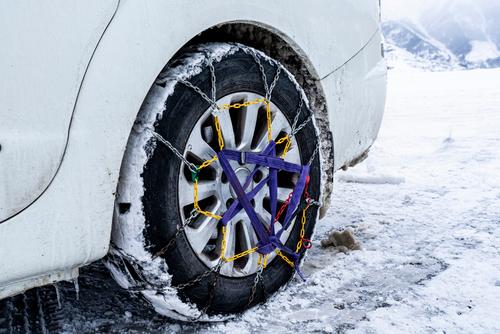
France enforces the “Mountain Law” (Loi Montagne II) to improve safety in specific regions.
- The Rule: From November 1 to March 31, winter equipment is mandatory in 48 departments situated in mountain ranges (Alps, Pyrenees, Jura, Vosges, Massif Central, and Corsica).
- The Standard: Drivers must have either four winter tires or carry snow chains/socks in their trunk for at least two driving wheels.
- Penalties: Drivers without the correct equipment face Class 4 fines of approximately €135.
Italy
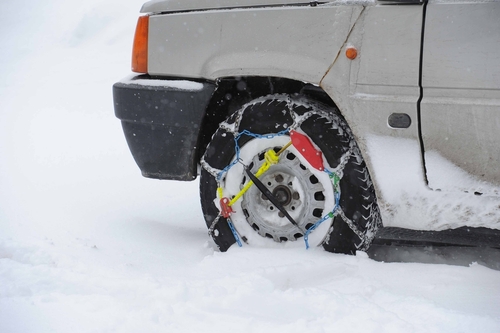
Italy’s rules vary by province and road type.
- The Rule: Generally, between November 15 and April 15, you must either have winter tires fitted or carry snow chains on board.
- Signage: Look for blue and white road signs indicating mandatory chain or winter tire zones.
- Penalties: Fines range from roughly €80 to over €300 depending on the location and severity of the violation.
Austria
Austria is strict regarding safety due to its alpine terrain.
- The Rule: From November 1 to April 15, winter tires are mandatory if the roads are covered in snow, slush, or ice.
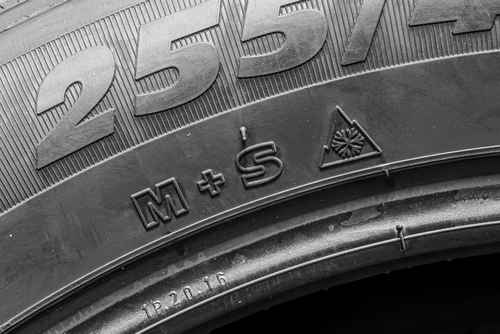
- The Standard: Tires must have the M+S mark and a tread depth of at least 4mm. If you use summer tires during these conditions, you must use chains on the driving wheels, but only if the road is completely covered in snow.
- Penalties: Fines for non-compliance are steep and can reach up to €5,000 if you endanger others.
Sweden, Norway, and Finland
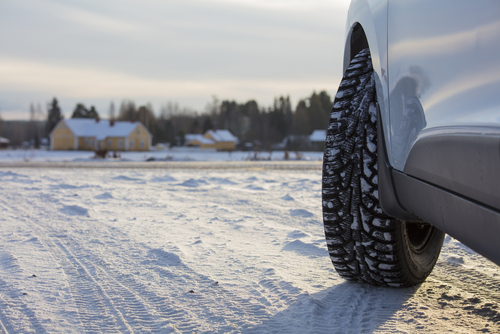
In the Nordic countries, winter preparation is a way of life.
- Sweden: Winter tires are mandatory from December 1 to March 31 if winter conditions exist.
- Finland: Mandatory from November 1 to March 31, regardless of the weather.
- Norway: You must have tires with sufficient grip for the conditions. If you drive summer tires on snow, chains are mandatory.
- Penalties: Police frequently check tread depth and tire types. Fines are common for non-compliance.
South Korea
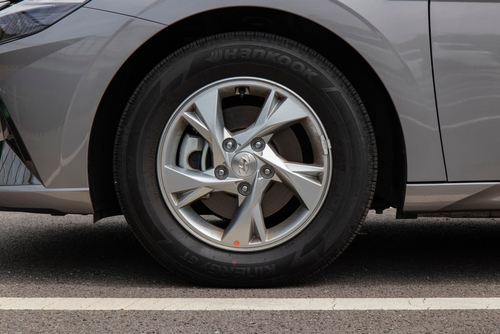
Drivers often ask, “Do I need winter tires in Korea?” The answer is complicated because enforcement is different from Europe.
- The Rule: There is no strict nationwide law mandating winter tires for passenger cars. However, they are highly recommended.
- The Reality: Winters in Korea are freezing and dry, but snow can fall heavily. However, there are an estimated 400+ heated roads in Korea which make it easier to get around.
- Exceptions: Some rental agencies do not provide winter tires by default. If you plan to drive into the mountains or ski resorts in Gangwon-do, winter tires or chains are essential for safety.
Japan
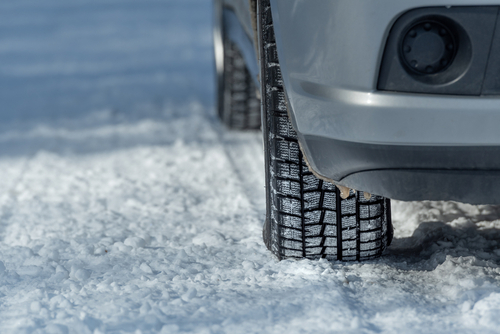
Japan does not have a blanket national mandate, but rules are strict in the north.
- The Rule: In snowy regions like Hokkaido or the Tohoku region, winter tires are standard and effectively mandatory. In other areas, you may be required to use tire chains on highways during heavy snow.
- Penalties: Driving without proper equipment in designated snowy zones can lead to fines, but the social pressure to not cause traffic jams is also a significant factor.
Canada
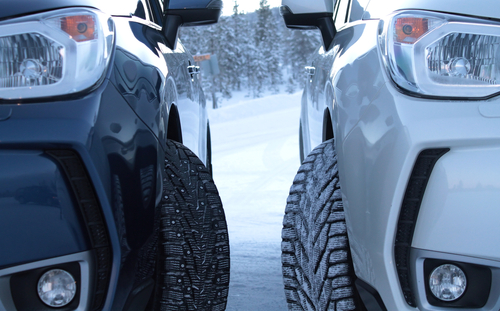
Canada is vast, and laws are determined by the province.
- Quebec: This is the only province with a strict mandate. Winter tires are required on all vehicles from December 1 to March 15.
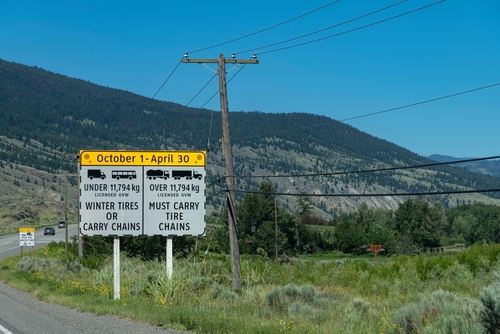
- British Columbia: Winter tires or chains are required on most highways outside designated cities from October 1 to March 31.
- Ontario and Others: Winter tires are generally recommended but not mandatory, though insurance discounts are often available for drivers who use them.
United States
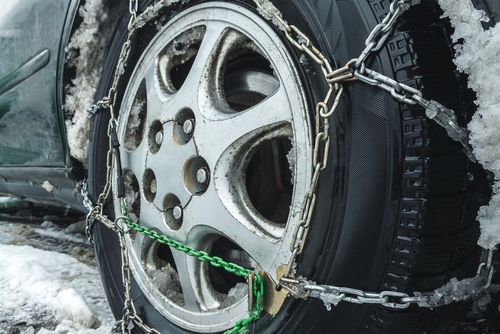
The U.S. has no federal winter tire law. Regulations are set by states.
- Colorado: A strict “Traction Law” is often activated on I-70. During these times, you must have snow tires, 4WD/AWD, or chains.
- Washington & California: During snow events in mountain passes, chain controls are enforced. You must carry chains or have approved traction tires.
- Other States: Most rely on drivers to use common sense. However, if you cause a crash because of poor equipment, you can be cited for unsafe driving.
Russia
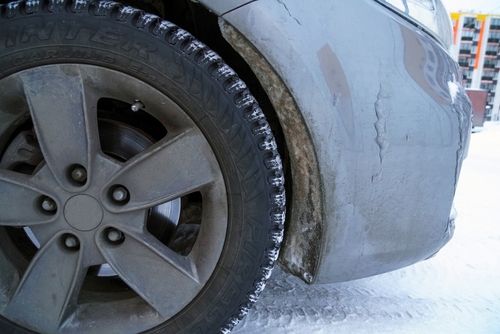
Given the severe climate, regulations are straightforward.
- The Rule: Winter tires are mandatory for all vehicles under 3.5 tons from December through February. Regional governments can extend this period if winter starts early or ends late.
- The Standard: Tires must be marked with M+S or the snowflake symbol.
New Zealand
For those heading to the Southern Hemisphere, remember that winter falls in the middle of the calendar year.
- The Rule: There is no country-wide mandate for winter tires. However, if you are driving on alpine passes in the South Island between June and August, you are required by law to carry snow chains and know how to fit them.
Do Heated Roads Eliminate the Need for Winter Tires?
Innovation in road infrastructure is changing how some cities handle snow. A common question among tech-focused drivers involves heated roads winter driving.
South Korea is a leader in this technology. In parts of Seoul and Busan, the government has installed heated cables underneath steep hills and specific road sections. These systems melt snow and ice automatically, preventing the road from becoming a slide.
However, do not rely on this technology completely.
- Limited Coverage: Heated roads cover only a tiny fraction of the road network, mostly in dense urban areas on dangerous inclines.
- System Failures: Like any technology, sensors can fail, or power issues can prevent the heating from activating during a sudden storm.
- Rural Driving: Once you leave the city center or drive toward the countryside, you are back on standard asphalt.
While heated roads are a helpful safety feature, they are not a replacement for proper tires. If you rely solely on heated pavement, you may find yourself stranded the moment you turn onto a side street.
How to Know If You Need Winter Tires
If you are renting a car or moving abroad, it can be hard to know what to do. Here is a checklist to help you decide.
1. Check the Temperature
The general rule of thumb is 45°F (7°C). If your destination will consistently be colder than this, you need winter tires. Summer tires lose effectiveness below this temperature, even on dry pavement.
2. Look for the Symbol
If you are picking up a rental car in a cold region, inspect the sidewall of the tires.
- M+S: Mud and Snow. These are better than summer tires but may not qualify as legal winter tires in strict countries like Germany.
- 3PMSF (Three-Peak Mountain Snowflake): This symbol confirms the tire has been tested for severe snow conditions. This is the safest standard.
3. Ask Your Rental Agency
Never assume a rental car has winter tires, even in snowy countries. In places like the U.S. or France (outside mountain zones), rental cars usually come with “All-Season” tires. You must specifically request winter tires or chains, and there is often a daily fee.
4. Monitor the “Traction Laws”
In places like Colorado or the Alps, strict traction laws can activate instantly during a storm. Use local apps to check road status before you depart. If a traction law is active and you do not have the right gear, do not attempt to drive.
Stay Safe on the Road
2026 winter tire regulations reflect a growing focus on road safety and accountability. Whether you are navigating the mountain passes of New Zealand or the highways of Germany, having the right tires connects you to the road and ensures you can react to sudden changes.
The cost of winter tires or the hassle of carrying chains is small compared to the safety of you and your passengers. Always check the local laws of your specific destination before you travel. When in doubt, choose the safer option. It is better to have winter tires and not need them than to encounter black ice without them.
Drive safely, and enjoy your winter travels.