
When was the last time you flipped through your passport just to admire the colorful stamps or holograms? Most of the time, visas look and feel like nothing more than paperwork, necessary but not exactly inspiring. And printed visas are increasingly being phased out altogether in our digital-first world.
At Remitly we think that’s a bit of a shame, because some of these visas are, or were, little works of art. Some countries took that tiny page or sticker and turned it into something special that reflected their culture, creativity, and pride. Getting that first visa in your passport and finding a beautiful little addition to your travel story made it even more special. So, let’s open those passport pages together and explore the world’s most aesthetic travel visas, while we still can.
What made a visa “aesthetic”?
Some visas just got the job done: printed, stamped, and quickly forgotten. But every once in a while, you came across one that made you pause for a second. The colors popped, the patterns told a story, and suddenly that small sticker felt like more than paperwork.
Aesthetically pleasing visas weren’t just about how nice they looked. They also showed how each country expresses pride, culture, and creativity through a page in your passport. And there were a few things that gave some visas that extra spark.
- Meaningful visuals: Landmarks, native animals, or traditional patterns that instantly said something about the place you’re visiting.
- Color with purpose: Soft tones that mirrored nature, bold hues that signaled celebration.
- Details that surprised you: Holograms, fine lines, and microtext that made security features feel like hidden artwork.
- Stories in the design: Nothing was or is random in visa design; every flourish or border connects back to a nation’s history, craft, or traditional values.
The hidden art of visa design
Every visa background started as a sketch. An idea that had to balance beauty, security, and storytelling. Behind that piece of paper was a surprising amount of creativity and collaboration: artists, engravers, and printing specialists working together to make something that was not only hard to fake, but also worth admiring.
Some of the design details were visible right away, like engraved borders, national symbols, or faint textures that shimmered under the light. Others hid in plain sight. If you looked close enough, you might spot microscopic maps, native flowers, or lines of text too small to read without magnification. It was part art, part science, and completely intentional.
A few countries even invited local artists to help design their visas, blending cultural motifs with modern technology. The result was something you’d carry with you, a small, beautiful reminder of where you’re headed next.
Some visas even featured the same engraving and printing techniques found on currency for added security. So, that page in your passport might still have examples of the same craftsmanship as the cash in your wallet.
10 of the world’s most aesthetic travel visas
The actual look of your visa might not be the first thing you think of when you’re planning a trip, but some countries took the opportunity to turn security measures into miniature artworks. In time, no doubt all of these will be phased out in favor of digital alternatives, but some of them are still around for when immigration authorities oblige citizens from certain countries to have them.
Japan: a quiet study of nature
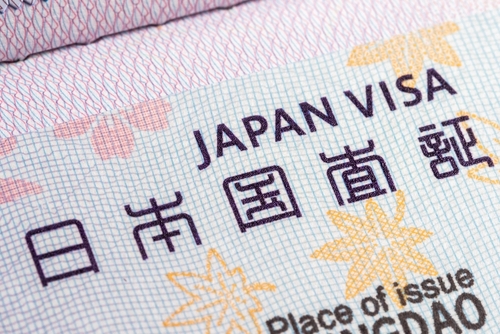
Japan’s visa is a subtle celebration of beauty and balance. Its background features soft pastel tones, notably pale pinks and muted blues, which echo the iconic cherry blossom (sakura). There’s also a faint reference to Mount Fuji tucked into the design. This captures Japan’s love of nature and the idea that beauty can be found in fleeting moments.
It’s a document that quietly says: you’re heading somewhere thoughtful, somewhere beautiful.
New Zealand: a tribute to land and legend
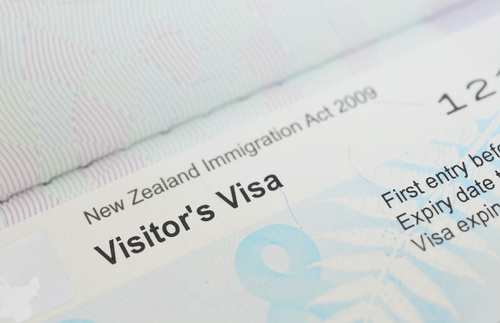
New Zealand’s visa celebrates its roots through design. The silver fern and koru spiral, both symbols of Māori culture, both feature. The echoes of the koru spiral are based on the shape of an unfurling fern frond and represent new beginnings and peace.
The colors shift between greens and blues, remembering the country’s forests, mountains, and coastline. This visa reflects New Zealand’s strong cultural connection to the land, and the people who call it home.
China: history engraved in every line
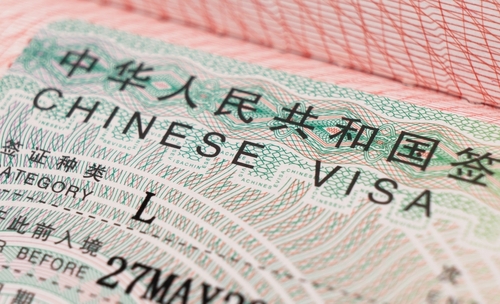
Despite being modernized with the bearer’s photograph in 2025, China’s visa design feels timeless. The background features a detailed illustration of the Great Wall, one of the most recognizable symbols of Chinese heritage.
Its intricate linework gives it depth and makes the design much harder to counterfeit, despite looking more like art than security. It’s a perfect blend of history and high-tech precision.
Schengen area: unity in design, diversity in detail
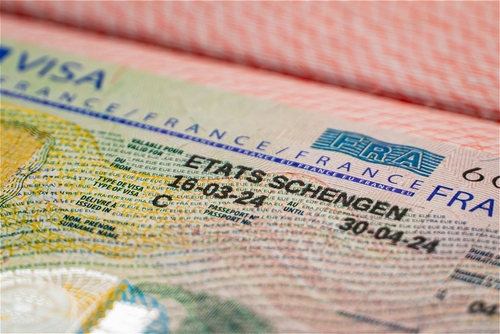
The Schengen visa, used across much of Europe, is a fascinating mix of shared design and localization. The core layout is the same across 29 member countries, featuring detailed guilloché patterns: the swirling lines you’d also find on euro banknotes.
Each country adds its own tiny details, like a national crest or subtle color variation, and some of them have a small bull emblem that represents Europa, the mythological figure who gave the continent its name. Together, it’s a design that feels unified but individual, much like Europe itself.
Australia: bright, bold, and full of energy
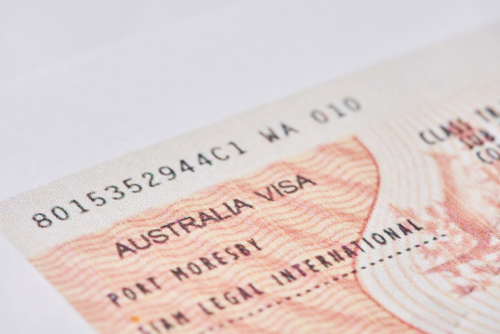
Australia’s visa was impossible to miss. Their printed visa has been phased out in the age of digitalization, but it was full of color: sunset oranges and deep reds, layered with images of kangaroos, emus, and native plants. It was cheerful, dynamic, and perfectly fit the country’s laid-back personality.
Its security design featured tiny lettering hidden within the artwork, a clever way to make safety stylish.
India: tradition with a modern twist
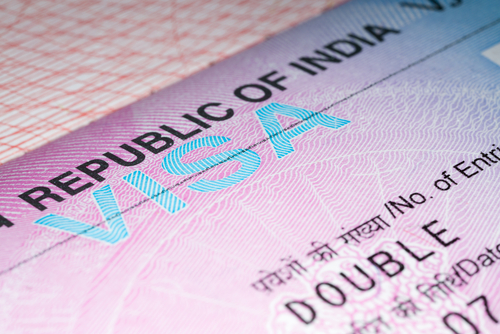
India’s visa is a vibrant and charming reflection of the country itself. The design features warm shades of orange and gold, with delicate guilloché patterns that add texture and depth. At the top sits the Lion Capital of Ashoka, India’s national emblem, which represents courage, peace, and progress.
The fine linework that almost feels hand-drawn, a subtle nod to India’s long tradition of craftsmanship. Even the typefaces give the visa a timeless feel. The design carries a quiet artistic pride, turning a simple sticker into a celebration of heritage and modern identity.
Iceland: minimalism with magic
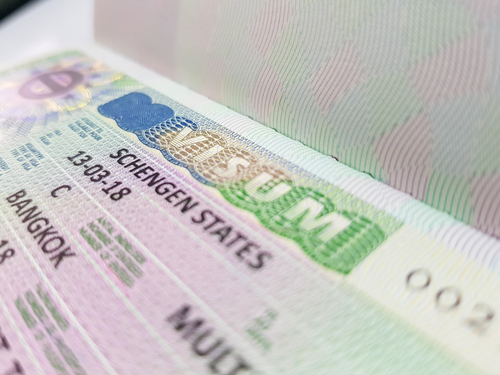
Iceland’s visa may follow the standard Schengen layout, but it still manages to feel distinctly Icelandic. The background shimmers in cool shades of blue and grey, a quiet nod to the country’s glaciers, waterfalls, and icy landscapes.
This is another visa design that uses the guilloché lines with subtle holographic effects that catch the light like frost. It’s minimal, refined, and perfectly balanced, which reminds us of Iceland’s design philosophy itself.
South Korea: old meets new in perfect balance
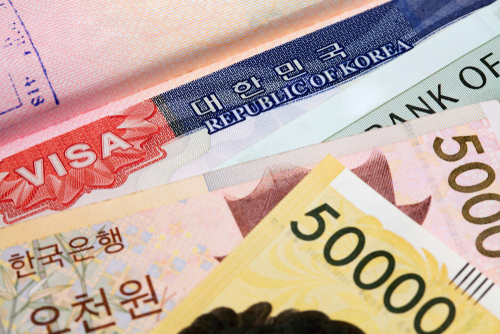
South Korea’s visa felt futuristic even when it was only available on paper, but grounded in history at the same time. If you look hard enough, you’ll see that the background features elegant Hangul characters, the Korean alphabet, woven into subtle metallic designs. You might also notice motifs from the Joseon dynasty, like geometric royal patterns.
Through its modern and confident design, it reflects national pride and Korea’s seamless blend of technology and tradition. And talking of tech, South Korea is another country that’s phasing out printed visas altogether: after December 2025, they’ll be no more.
Mexico: color, craft, and cultural pride
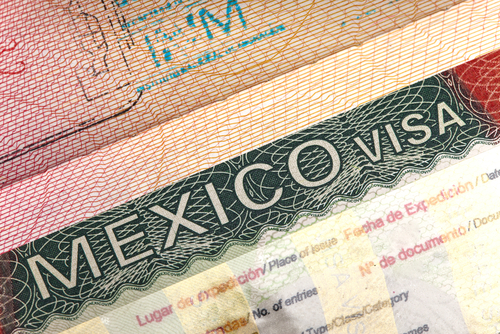
Mexico’s printed visa is slowly being phased out at time of writing, too. The printed version, which you may still see while the country makes the transition, reflects Mexican energy and warmth through its national colors.
The design features Aztec-inspired patterns and shades of red and green, a clear nod to the national flag. If you look closely you’ll see fine guilloché patterns. These aren’t just there to make it more aesthetically pleasing: like most countries’ visas, they’re also a key part of the document’s security measures.
In the background, very subtly represented, is the country’s iconic coat of arms, an eagle perched on a cactus holding a serpent, representing Mexico’s history and spirit. Some versions of Mexico’s temporary resident visa include UV-ink motifs of national symbols, visible only under special light.
Morocco: patterns, poetry, and desert hues
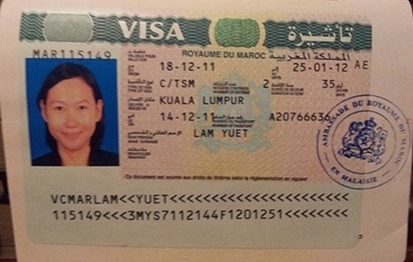
Morocco’s visa keeps things simple yet unmistakably elegant. Its design features soft shades of green and beige, overlaid with fine guilloché patterns. Across the top, Royaume du Maroc (Kingdom of Morocco) appears in both Arabic and French, and the national coat of arms in the background serves as a reminder of Morocco’s royal heritage and cultural depth.
If you look a little closer, you’ll spot intricate linework and microtext woven into the background, subtle enough to miss at first glance yet undeniably beautiful once noticed. It’s official but also quietly poetic. The design captures Morocco’s calm, timeless and understated charm perfectly.
The future of visa art: from physical to virtual
It’s unfortunate that so many of the visas we’ve featured are gone, or going, but perhaps inevitable in the modern world. Digital technology carries layers of security that paper can’t match, and there’s an environmental upside, too: fewer stickers and printed pages mean less waste and less ink.
Why visa design mattered
Printed visas might have looked like just another document, but for anyone who’s ever packed their life into a suitcase, they can have meant a lot more as symbols of opportunity, adventure, and sometimes, a new beginning.
For many travelers and immigrants alike, getting that prized first visa sticker was an emotional experience. It was proof that change was not only possible, but happening. It represented patience, perhaps trepidation, and hope—and certainly paperwork—all squeezed into one tiny page.
Beauty on every page
From cherry blossoms in Japan to holograms in Europe, each visa design told a story of culture, pride, and connection to go with your own travel storyline. They were proof that even the most practical things can hold a little magic, and that your journey is a work of art in itself.
So next time you’ve got your passport in your hand, take a closer look. Behind those accumulated stamps and security marks, you might just find a little creativity, a little personal history, and a quiet reminder of how far you’ve come.
FAQs
Why did some countries put so much effort into visa design?
Because it’s more than decoration, it’s a first impression. But more importantly from the authorities’ point of view, it made the documents much harder to forge.
Are digital visas replacing traditional stickers?
Yes, many countries are moving toward eVisas. Some have already used digital versions exclusively for several years, while others are still in the process. These little works of art are slowly disappearing.
Can I keep my old visas as souvenirs?
Absolutely. Many travelers hold onto expired passports because each visa tells part of their story, a record of memories, milestones, and moments of bravery.
What’s the difference between a passport and a visa?
Your passport represents where you’re from; your visas show where you’ve been welcomed. Together, they tell the story of your life across borders.