

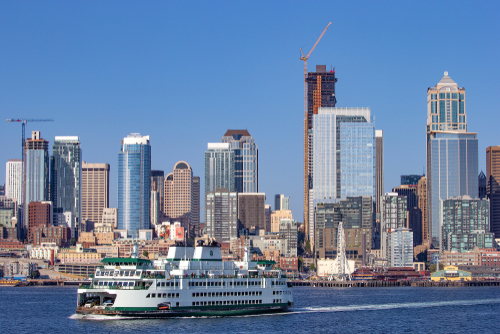
Seattle has a reputation for constant rain. Many first-time visitors picture gray skies, nonstop downpours, and streets full of umbrellas. But here’s the truth: Seattle receives less total annual rainfall than New York City or Miami.
According to NOAA climate data, Seattle averages 39.3 inches of precipitation per year, while New York gets 49.5 inches and Miami sees 67.4 inches. The difference lies in how the rain falls. Seattle experiences frequent light drizzle spread across many days, particularly from October through April. Summer months are typically dry and sunny, with July averaging just 0.67 inches of precipitation.
Understanding Seattle’s weather patterns helps you pack smarter and enjoy your trip more. This guide breaks down what to expect throughout the year and how to prepare for it.
Understanding Seattle’s Climate
Seattle has a temperate marine climate, which means mild winters, dry summers, and very few temperature extremes. Winter temperatures rarely drop below freezing for long, and summer heat waves are uncommon.
The city’s greenery stays lush year-round thanks to steady seasonal moisture and moderate temperatures. But that doesn’t mean constant heavy rain. Most precipitation arrives as light mist or drizzle rather than thunderstorms. Gray skies appear more often than downpours, especially during fall and winter.
The wettest months run from October through April. During this period, you can expect overcast conditions and frequent light rain. Summer months from June through September are reliably dry, with long stretches of sunny weather.
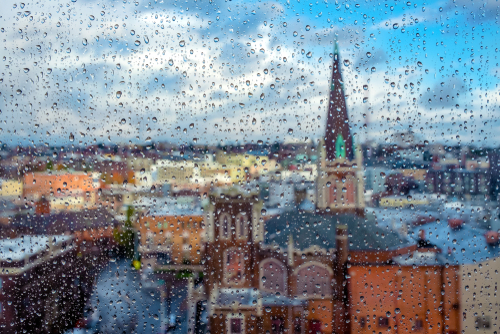
Microclimates: Weather Changes by Neighborhood
Seattle’s weather varies significantly from one neighborhood to another. These localized differences are called microclimates, and they’re caused by the city’s geography.
Areas near water tend to stay cooler and cloudier. Neighborhoods farther inland may be several degrees warmer. North Seattle often sees different conditions than South Seattle, even on the same day. The Olympic Mountains create a rain shadow effect on their eastern side, which means areas downwind of the mountains receive less precipitation. According to the University of Washington’s Washington State Climate Office, locations like Sequim—just 56 miles from the rainier western slopes—average only 23.98 inches of annual precipitation compared to 151.45 inches on the windward side.
What this means for visitors: One part of the city might be sunny while another is cloudy. Always carry a light layer, even if the morning forecast looks clear.
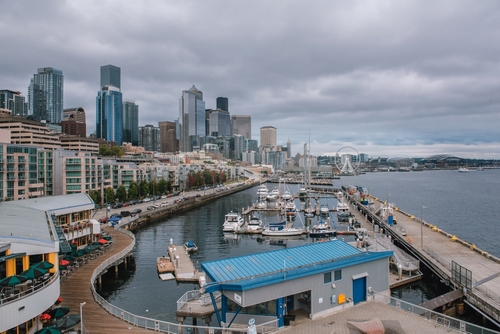
Summer in Seattle: What Visitors Get Wrong
Summer is the best-kept secret about Seattle weather. From June through September, the city is mostly dry and pleasant. July and August are the driest months, with weeks passing between rainstorms.
Daytime temperatures are warm but rarely humid. You’ll find comfortable conditions for outdoor activities, with highs typically ranging from the low 70s to mid-70s Fahrenheit. Evenings cool off quickly, especially near the waterfront where breezes keep temperatures lower.
One surprise for many visitors: how late the sun stays up. In late June, sunset occurs around 9:00 to 9:10 PM, with extended twilight lasting even longer. This extended daylight is wonderful for sightseeing but can disrupt sleep if you’re sensitive to light.
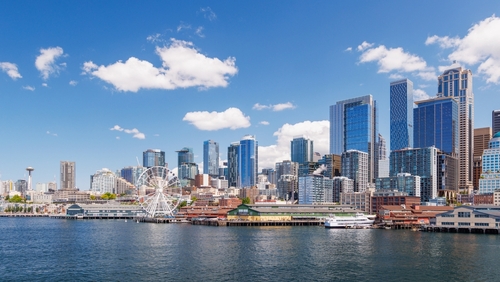
The Smart Layering Strategy
Layers work better than heavy jackets in Seattle because temperatures shift throughout the day. Mornings can be cool, afternoons warm up, and evenings drop back down again. Indoor spaces like museums and restaurants often run air conditioning in summer.
For summer visits, use this layering formula:
- Base layer: Breathable T-shirt or light top
- Mid-layer: Light sweater or hoodie
- Outer layer: Lightweight, packable rain shell or windbreaker
In spring and fall, add a slightly heavier jacket and prioritize waterproof outerwear. Winter visitors should bring an insulated jacket, gloves for chilly mornings, and waterproof footwear.
The key is versatility. You want to add or remove layers easily as conditions change.
Comfortable Walking Shoes Are Non-Negotiable
Seattle is hillier than most visitors expect. Downtown streets have noticeable inclines. Capitol Hill lives up to its name with steep climbs. Queen Anne’s hills challenge even regular walkers.
Wet pavement becomes slippery during rainy months. Good traction matters for safety and comfort. Look for shoes with cushioned support, solid grip, and weather resistance if you’re visiting in fall or winter.
Avoid brand-new shoes that haven’t been broken in—blisters will ruin your sightseeing plans. Skip slick-soled shoes and heels for days when you’ll be walking extensively.
Why You Rarely See Locals Using Umbrellas
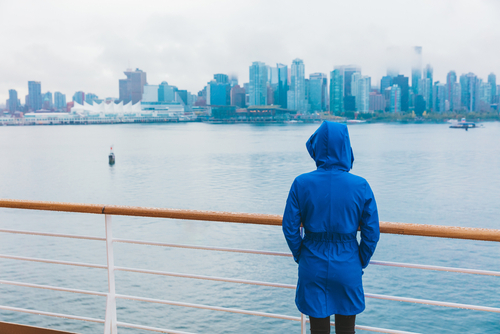
Walk through Seattle during a drizzle and you’ll notice most locals aren’t carrying umbrellas. This isn’t just a cultural quirk—it’s practical.
Seattle’s rain is usually light mist rather than heavy downpours. The drizzle comes and goes throughout the day, making umbrellas inconvenient to carry. Wind gusts on urban sidewalks can flip umbrellas inside out. On crowded streets, they take up space and create obstacles.
Most locals wear a waterproof jacket with a hood instead. Add a beanie or hat for extra protection. A water-resistant backpack keeps belongings dry without the hassle of managing an umbrella.
That said, if you prefer using an umbrella, bring a compact one for winter storms or days with heavier rain.
Long Summer Daylight Hours: Plan for It
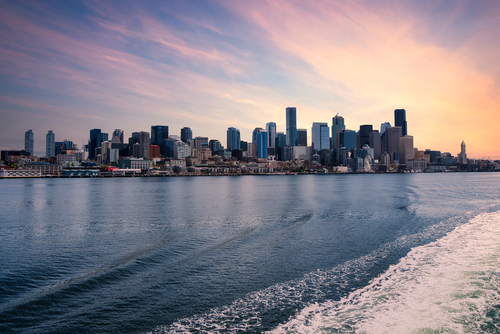
Seattle’s northern latitude means exceptionally long summer days. Sunset happens near 9:00 to 10:00 PM in late June, with twilight extending even later. This extra daylight is perfect for evening activities but requires some preparation.
Pack sunglasses—you’ll need them. Bring light layers for late-evening outings when it’s still bright outside. If you’re sensitive to light when sleeping, a sleep mask helps.
Winter brings the opposite effect. Daylight hours shrink significantly, with early sunsets starting in the afternoon.
Seasonal Packing Cheat Sheet
Summer (June–September)
- T-shirts and light tops
- Light sweater or hoodie
- Packable rain jacket
- Comfortable walking shoes
- Sunglasses
- Sunscreen
Fall (October–November)
- Waterproof jacket
- Multiple layers
- Water-resistant shoes
- Light gloves (optional)
Winter (December–February)
- Insulated coat
- Waterproof footwear
- Warm accessories (gloves, scarf, hat)
- Extra layers
Spring (March–May)
- Variable layers for changing conditions
- Light rain protection
- Comfortable walking shoes
- Mix of short and long sleeves
Common Packing Mistakes First-Time Visitors Make
Many visitors over-prepare for rain and under-prepare for everything else. Here are the most common missteps:
- Bringing a heavy winter coat in July: Summer temperatures are mild. A light jacket is plenty.
- Packing multiple umbrellas: One compact umbrella is enough if you want one at all. Locals rarely use them.
- Underestimating evening temperature drops: Even warm days cool off significantly after sunset, especially near water.
- Wearing fashion shoes for steep hills: Seattle’s terrain demands comfortable, supportive footwear.
- Forgetting sunglasses in summer: Long, bright days mean you’ll need sun protection.
How to Check the Forecast Without Overreacting
Weather apps are helpful, but understanding what the forecast actually means prevents unnecessary worry.
Use a reliable weather app and check hourly forecasts rather than just daily summaries. Pay attention to wind speed—it affects how comfortable you’ll feel outside. When you see “rain” in the forecast, it often means light drizzle rather than a storm.
A 60% chance of rain doesn’t mean all-day downpours. It might mean brief showers throughout the day with plenty of dry periods in between.
Frequently Asked Questions (FAQs)
Does it really rain all the time in Seattle?
No. Seattle gets less total rainfall than many major U.S. cities. Rain is frequent but usually light. Summer months are typically dry.
What’s the driest time to visit Seattle?
July and August see the least precipitation. June and September are also reliably dry.
Do I need waterproof boots?
Water-resistant shoes work well for most visits. Waterproof boots are helpful in winter or during extended rainy periods.
Is Seattle weather unpredictable?
Weather can change between neighborhoods due to microclimates, but seasonal patterns are consistent. Summers are dry, winters are wet but mild.
Should I cancel outdoor plans if rain is forecasted?
Not necessarily. Light drizzle rarely disrupts activities. Check the hourly forecast and bring a rain jacket.
What’s the coldest it gets?
Winter temperatures rarely drop below freezing for extended periods. Snow is uncommon in the city itself.
Do I need sunscreen in Seattle?
Yes, especially in summer. UV rays are strong even on overcast days.
Pack for Comfort, Not the Myth
Seattle isn’t constantly rainy. Summer offers some of the most pleasant weather in the United States, with dry conditions and comfortable temperatures. The key to enjoying your visit is packing layers instead of bulky clothing and choosing comfortable shoes over fashion.
Skip the heavy raincoat and umbrella collection. Focus on versatile layers, waterproof outerwear, and footwear that can handle hills. Check the forecast without overreacting to it. Most importantly, remember that Seattle’s reputation for rain is exaggerated—the reality is far more manageable.
Smart packing means more time enjoying the city and less time worrying about the weather.



