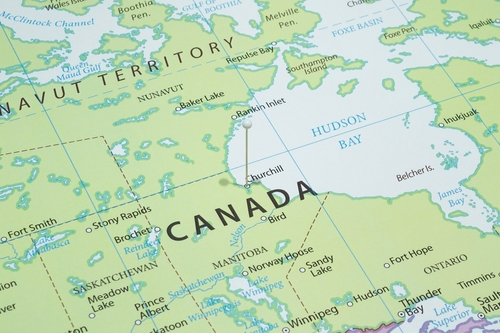

Canada is the second-largest country in the world by land area, stretching from the Atlantic Ocean to the Pacific and northward into the Arctic Ocean. Because of its massive size, the country is incredibly diverse. You will find distinct cultures, landscapes, and economies depending on where you look.
If you are planning to move to, visit, or do business in Canada, understanding how the country is organized is an essential first step. Canada is a federation composed of 10 provinces and 3 territories. Each one has its own capital city, unique geography, and specific cultural identity.
Knowing the difference between these regions can help you choose the best place to settle, understand local laws, or simply plan a coast-to-coast road trip. This guide breaks down everything you need to know about the provinces in Canada, the territories, and what makes each one special.
How Many Provinces Are in Canada?
The quick answer is that Canada has 10 provinces and 3 territories.
While they might look similar on a map, there is a legal difference between the two. Provinces derive their power and authority from the Constitution Act of 1867. This means they have a great deal of independence from the federal government. Territories, on the other hand, have powers delegated to them by the federal parliament.
Here is a quick breakdown of how they are categorized:
|
Type |
Number |
Examples |
|---|---|---|
|
Provinces |
10 |
Ontario, Quebec, Alberta, British Columbia |
|
Territories |
3 |
Yukon, Northwest Territories, Nunavut |
Map of Canada’s Provinces and Territories
When looking at a map of Canada provinces, it helps to understand the regional groupings. These regions are often used to describe cultural and economic zones.
- Atlantic Canada: The four provinces on the east coast (New Brunswick, Prince Edward Island, Nova Scotia, Newfoundland and Labrador).
- Central Canada: The two most populous provinces (Ontario and Quebec).
- Prairie Provinces: The flat, agricultural provinces in the middle (Manitoba, Saskatchewan, Alberta).
- West Coast: The province bordering the Pacific Ocean (British Columbia).
- Northern Canada: The three territories located in the Arctic region (Yukon, Northwest Territories, Nunavut).
The 10 Provinces of Canada
Let’s explore the unique characteristics of each province, moving generally from west to east.
British Columbia
- Capital: Victoria
- Largest City: Vancouver
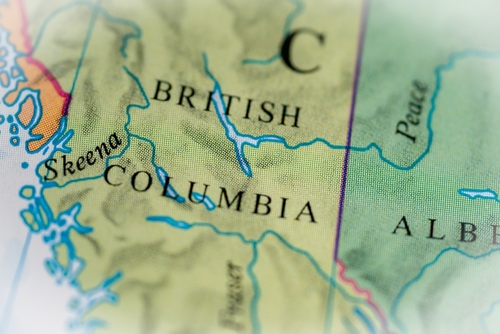
Located on the West Coast, British Columbia (B.C.) is famous for its stunning natural beauty. It is defined by the Rocky Mountains and the Pacific Ocean. Because of its mild coastal climate, it is the only region in Canada where you can often golf and ski in the same day. The economy relies heavily on forestry, mining, and a booming tech sector in Vancouver.
Alberta
- Capital: Edmonton
- Largest City: Calgary
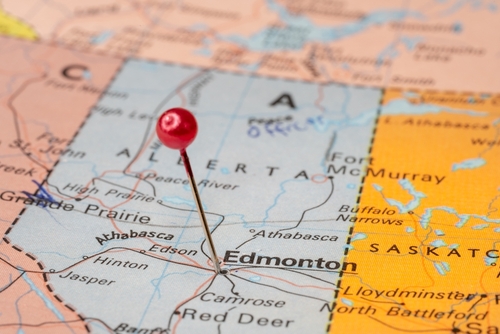
Alberta is the economic powerhouse of the Prairie provinces. It is best known for its energy industry, particularly the oil sands. However, it is also a major agricultural producer. Alberta is home to the stunning Banff and Jasper National Parks in the Rockies. It is also famous for the Calgary Stampede, a massive rodeo festival held every July.
Saskatchewan
- Capital: Regina
- Largest City: Saskatoon
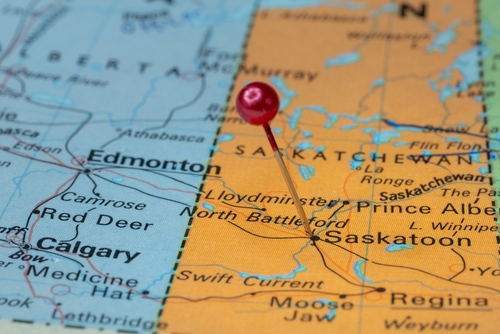
Saskatchewan is known as the “Breadbasket of Canada” because it produces a large percentage of the country’s grain. The landscape is largely flat prairie, which makes it ideal for agriculture. It is also the world’s largest producer of potash and a major supplier of uranium. The province is known for its spectacular sunsets and “living skies.”
Manitoba
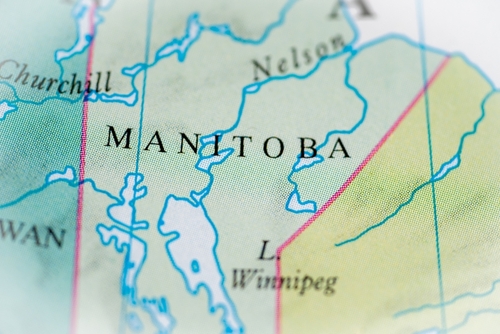
- Capital: Winnipeg
Manitoba is the longitudinal center of Canada. Its capital, Winnipeg, is a major cultural hub with festivals and museums, including the Canadian Museum for Human Rights. The northern part of the province is rugged and is known as the “Polar Bear Capital of the World” (Churchill), where visitors can see polar bears and beluga whales in the wild.
Ontario
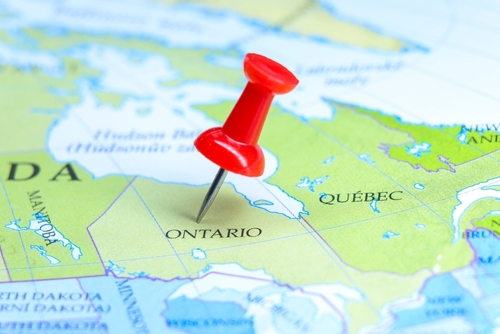
- Capital: Toronto
- National Capital: Ottawa
Ontario is the most populous province in Canada. It is the economic and political heart of the country. Toronto is Canada’s largest city and a global financial center, while Ottawa serves as the federal capital. Ontario is home to Niagara Falls and extensive manufacturing industries, particularly in the automotive sector.
Quebec
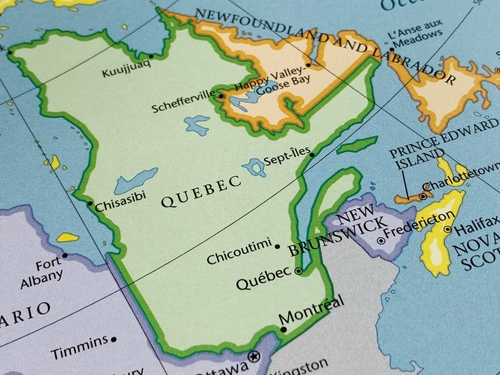
- Capital: Quebec City
- Largest City: Montreal
Quebec is unique because it is the only province where French is the sole official language. It has a distinct culture, legal system (civil law), and identity. Quebec City is one of the oldest cities in North America, famous for its historic architecture. Montreal is a vibrant, bilingual metropolis known for its arts, festivals, and aerospace industry.
New Brunswick
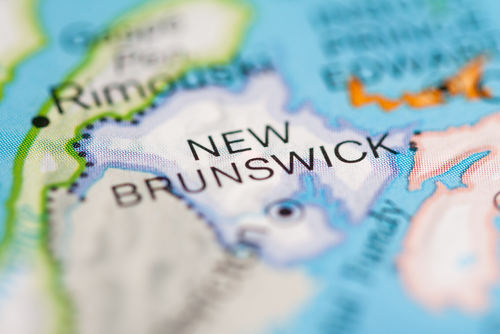
- Capital: Fredericton
- Largest City: Moncton
New Brunswick is the only officially bilingual province in Canada (English and French). It is part of the Maritime region and is famous for the Bay of Fundy, which has the highest tides in the world. The economy is driven by forestry, mining, and fishing.
Nova Scotia
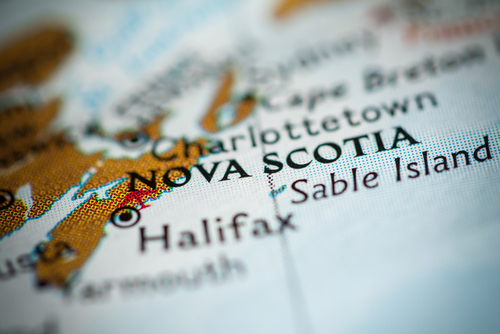
- Capital: Halifax
Nova Scotia is a peninsula surrounded by the Atlantic Ocean. No point in the province is more than 67 kilometers (42 miles) from the sea. Halifax is a major port city and a naval hub. The province is known for its rich Celtic and Gaelic heritage, seafood, and colorful coastal villages like Lunenburg.
Prince Edward Island
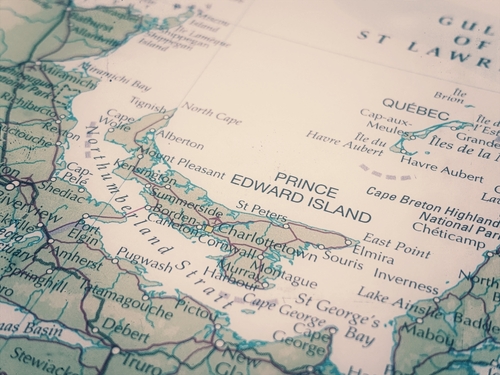
- Capital: Charlottetown
Prince Edward Island (P.E.I.) is the smallest province in both land area and population. It is famous for its red soil, potato farming, and sandy beaches. It is also the setting for the classic novel Anne of Green Gables. P.E.I. is often called the “Birthplace of Confederation” because the conference that led to Canada’s formation was held here in 1864.
Newfoundland and Labrador
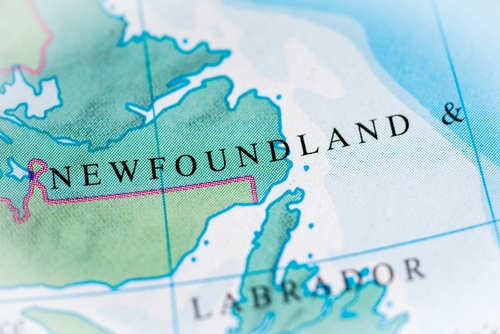
- Capital: St. John’s
The easternmost province consists of the island of Newfoundland and the mainland region of Labrador. It has a unique time zone (30 minutes ahead of Atlantic time) and a distinct dialect. Historically dependent on cod fishing, the province has diversified into offshore oil and hydroelectricity. St. John’s is known for its colorful row houses, known as “Jellybean Row.”
The 3 Territories of Canada
The territories cover the vast northern regions of Canada. While they account for 40% of the country’s land mass, they hold only about 3% of the population.
Yukon
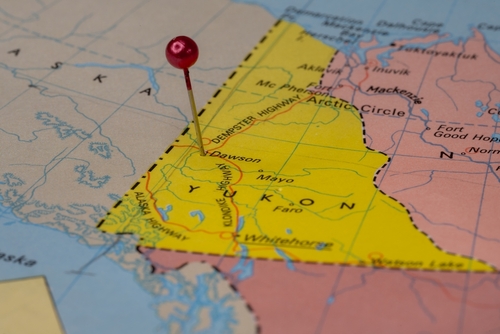
- Capital: Whitehorse
The Yukon is the smallest of the three territories and lies in the far west, bordering Alaska. It is famous for the Klondike Gold Rush of the late 1890s. Today, mining and tourism are key industries. It is home to Mount Logan, the highest mountain in Canada.
Northwest Territories
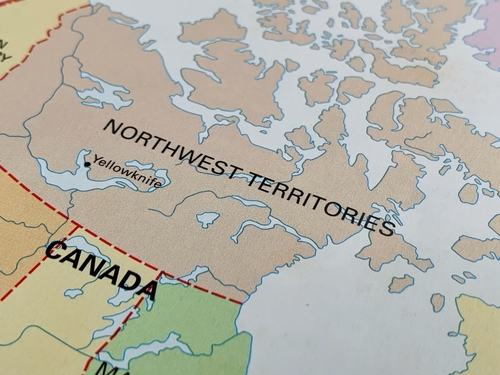
- Capital: Yellowknife
The Northwest Territories (N.W.T.) is known for its diamond mines and vast wilderness. It is a prime location for viewing the Aurora Borealis (Northern Lights). The Mackenzie River, the longest river system in Canada, flows through here.
Nunavut
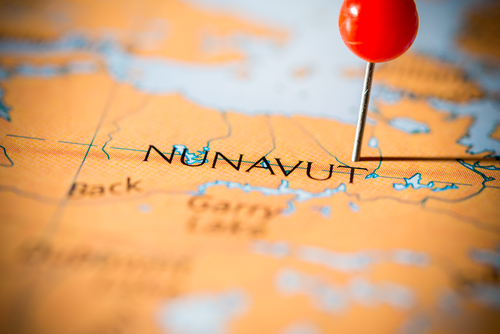
- Capital: Iqaluit
Nunavut is the newest and largest territory, separated from the Northwest Territories in 1999. It is the homeland of the Inuit people, and Inuktut is one of the primary languages. There are no roads connecting Nunavut to the rest of Canada; communities are accessible only by air or sea.
Key Differences Between Provinces and Territories
You might wonder why some regions are provinces and others are territories. The main difference lies in how they get their authority.
- Constitutional Authority: Provinces possess their own sovereign powers. The federal government cannot easily interfere with provincial laws regarding things like healthcare and education.
- Federal Oversight: Territories are created by federal law. The federal government in Ottawa has more direct control over them, although in practice, they have been granted more self-governing powers in recent years.
Largest and Smallest Provinces in Canada
When comparing Canadian provinces and territories, the scale can be surprising.
- Largest by Land Area: Nunavut is the largest territory. Quebec is the largest province.
- Smallest by Land Area: Prince Edward Island is the smallest province.
- Largest by Population: Ontario is home to nearly 40% of Canadians.
- Smallest by Population: Nunavut has the smallest population, with fewer than 40,000 residents.
Why Canada’s Provincial System Matters
Understanding this system is helpful for practical reasons:
- Immigration: Different provinces have their own immigration programs (Provincial Nominee Programs or PNPs) tailored to their specific labor needs.
- Health and Education: These systems are managed provincially. This means the school curriculum in Alberta might look different from the one in Ontario.
- Taxes: Sales tax rates vary across the country. Some provinces pay a Harmonized Sales Tax (HST), while others pay separate federal (GST) and provincial (PST) taxes.
Frequently Asked Questions
How many provinces are in Canada?
Canada has 10 provinces: Alberta, British Columbia, Manitoba, New Brunswick, Newfoundland and Labrador, Nova Scotia, Ontario, Prince Edward Island, Quebec, and Saskatchewan.
What is the difference between a province and a territory?
The main difference is constitutional power. Provinces have independent authority granted by the Constitution Act, while territories have authority delegated to them by the federal government.
What is the capital of Canada?
The capital of Canada is Ottawa, located in the province of Ontario.
Which is the largest province in Canada?
Quebec is the largest province by land area. However, the territory of Nunavut is larger than any province.
Which province is best to live in?
There is no single “best” province; it depends on your needs. Ontario and B.C. offer large cities and tech jobs but have higher costs of living. The Prairie provinces often have more affordable housing. Atlantic Canada offers a relaxed coastal lifestyle.
Summary: Understanding Canada at a Glance
Canada is a massive federation of 10 provinces and 3 territories, each contributing to the country’s diverse identity. From the mountains of British Columbia to the rocky shores of Newfoundland, and up to the icy peaks of Nunavut, every region offers something different.
Whether you are looking for economic opportunities in Ontario, cultural richness in Quebec, or adventure in the Yukon, knowing how these regions work is key to navigating life in the Great White North.