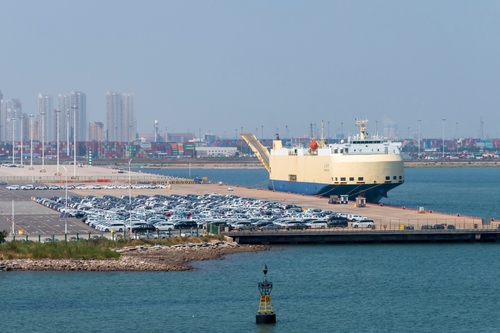

Key Highlights
- The Port of Tianjin is the biggest port in northern China. It is the main maritime gateway for people and goods going in and out of Beijing.
- The port sits on the west side of Bohai Bay. It is a huge man-made place that is important for international trade.
- The port takes care of many types of cargo. These include containers, cars, liquid chemicals, and general cargo.
- The port also has up-to-date cruise terminal areas for people coming in or going out internationally, and there are regular ferries.
- This port is a big hub because it links to over 600 other ports in the world. It is also a key part of the Eurasian Land Bridge for moving goods.
- The port area is an important economic zone. It also has a lot of history, as its roots go back to the 19th century.
Introduction
Welcome to your guide to the Port of Tianjin. If you want to visit or are interested in one of the world’s busiest places for ships, you are in the right spot. Tianjin Port is large and full of life. It is the main spot for ships and trade in Northern China. The port area is important for the country. This guide will help you get all the info you need for your 2026 trip. It does not matter if you travel by cruise or work in trade. You will get to know all about Tianjin Port. Get ready to see everything that this busy port area has to offer.
Overview of Port of Tianjin
The Port of Tianjin is huge when it comes to international trade. It means a lot to the economy in the region. You can find it on the coast of the Bohai Sea, which is a kind of bay by the Yellow Sea. It is the biggest port in North China. The port area is very large, and it stands as one of the biggest ports made by people in the world.
But it is not only big in size. The Port of Tianjin helps connect and move goods. It links Northern China with over 180 countries. This makes it important in shipping and moving items around the globe. Now, let’s take a closer look at where it is and why it is important in history.
Key Facts and Location
The Port of Tianjin sits on the west shore of Bohai Bay. It is about 170 km southeast of Beijing and 60 km east of Tianjin city. This port is the main sea entry for all of northern China. People used to call it the Port of Tanggu. The port is very big and is both a deep-water seaport and a riverport, built by people.
It covers 121 square kilometers of land. If you count all the space it looks after, it adds up to 470 square kilometers. Because there is so much space, the port can handle a lot of traffic and many types of work.
The port’s main channel has been made deeper and wider through dredging. Now, some of the world’s largest ships can get through. People keep working on this channel so the Port of Tianjin stays one of the top ports in the world and can handle even more goods in and out. That is why it is so important in this part of northern China.
Historical Significance and Global Importance
The area has a long history as a port, but the modern story started in 1860. The Port of Tanggu first opened then. This helped the region take part in more international trade. After World War II, people rebuilt the port. It opened again in 1952, making bigger growth possible.
Today, the Port of Tianjin is a key connection in the world’s supply chain. It plays an important part as the main stop on the Eurasian Land Bridge. This helps with the establishment of intermodal routes that join Asia and Europe. Because of this, goods from one part of the world can move faster and easier, which helps international trade grow.
This port is the main maritime gateway for the capital and many nearby factories. People everywhere know how important it is. The port keeps getting bigger and better. This shows how it is still a main part of China’s economic plans and a big force in smooth international trade.
Geographical Setting and Layout
The Port of Tianjin sits on the coast in Tianjin Municipality. It is right by the Bohai Sea, on the west side. The port is built around the estuary of the Haihe River. This spot by the river has helped shape how the port grew over the years. There are lots of mudflats and shallow water in the area. Because of this, building the port took a lot of work. Much of it was made by dredging and land reclamation.
The man-made parts here are split into the main port areas. The core activity of the port happens within these spots. The whole layout is made to do different kinds of work well. Next, we will look at the different terminal spaces and port zones that are part of this complex setup.
Terminal Areas and Port Zones
The Port of Tianjin has nine different port zones that help run all its jobs. Most activities take place in Beijiang, Nanjiang, and Dongjiang. Together, people call these main parts “Tianjin Xingang.” There are other important port area spots too. One is the Haihe area along the river. Another is the Dagukou port area, which sits where the Haihe River meets the sea.
A key place in the port is the Tianjin Port Container Logistics Center. You will find it in the north part of the Beijiang area. This large container logistics center sits on land that was made by filling in water. All the yard space in this port area covers 350 hectares. The warehouses take up 26 hectares. There is also the main office building for many logistics businesses.
Every terminal and port zone here is made to use time and space well. The zones are set up to process different things. Some focus on containers. Others are for bulk materials or for people traveling on ships. This set-up helps tianjin port work smoothly for all users.
Navigational Channels and Waterways
Getting around the Port of Tianjin needs a well-kept set of channels and waterways. The main way to go is the Tianjin Xingang Fairway. It is made up of the Main Shipping Channel, the Chuanzhadong Channel, and the Northern Branch Channel. These channels help guide big ships safe into and out of the port.
The water near the coast is not deep. Because of this, the port has to do a lot of dredging. This keeps the water clear and deep enough for ships. Tianjin has the largest dredging capacity in China. It needs this to welcome the huge ships you see today. Keeping up with dredging and land reclamation is a big reason the port has grown so much over the years.
Workers are always checking the main channel. They make sure it stays deep enough for all sizes of ships. Since the port works hard on managing its waterways, it can take care of some of the largest ships in the world. This keeps the Port of Tianjin as a top spot for ships and trade around the world.
Port Governance and Operating Companies
The Port of Tianjin uses a system where both government agencies and companies share the jobs. This place is run as a state-owned business, but it works a lot like a private company. The Tianjin Port (Group) Company, called TPG, is mainly in charge. It owns most of the land and it runs most things at the tianjin port.
The main organ of TPG looks after work in the port each day. At the same time, government agencies make sure that tianjin port follows all laws and is safe. The top people in TPG and these agencies talk and work together. This helps the port run smooth and keep things safe. Now, let’s look at the main operators and how the whole place is managed.
Major Operators and Management Structure
The Tianjin Port (Group) Company (TPG) serves as the main port operator and the effective holding company for most operational units. Since a merger in 2009, its main operating subsidiary is Tianjin Port Development (TPD), which is listed on the Hong Kong stock exchange. TPD, in turn, is the majority shareholder of the Shanghai-listed Tianjin Port Holdings (TPC).
This structure means that while TPG, as the full owner of the Tianjin Port on behalf of the government, retains control of strategic planning and port-wide services, the listed companies (TPD and TPC) manage terminal operations and cargo handling. This separation allows for commercial flexibility and access to foreign capital markets. TPG also oversees the management of the dry port network, extending its reach far inland.
| Company | Role | Ownership Status |
|---|---|---|
| Tianjin Port (Group) Co. (TPG) | Ultimate holding company, strategic planning, landowner | Fully state-owned |
| Tianjin Port Development (TPD) | Main operating subsidiary, controls terminals | TPG is the majority shareholder; listed in Hong Kong |
| Tianjin Port Holdings (TPC) | Operates cargo handling & terminals | TPD is the majority shareholder; listed in Shanghai |
Port Regulations and Security Measures
Strict port rules and strong security steps help keep the Port of Tianjin safe and working well. There are many government agencies, like the Tianjin Maritime Safety Administration (MSA) and China Customs, that watch over everything at the port. They make sure all national and local laws be followed, including those about taking care of the environment and handling cargo.
Key security steps and rules help keep things in order and stop illegal actions in north China. These include:
- Careful checks and approval for every ship, cargo, and person coming in.
- Strong rules to stop illegal dumping of ballast water, so the sea stays clean.
- Clear fire safety and safe ways to handle dangerous materials.
The port’s safety plan is a shared job for port workers and law officers. This keeps the busy port in north China safe and in line with world standards, so trade and trips can take place without worries.
Passenger Experience at Tianjin Port
The Port of Tianjin is for more than just moving goods. The port gives people a good way to travel, too. There is a modern cruise terminal at the port. Ferry services run often from here, which makes this a big center for people going to other places. Main regular ferry lines go from Tianjin to South Korea and Japan, plus some ports in China.
If you come by air, the Tianjin Binhai International Airport is close by. It is about 30 minutes to get from the airport to the port. This helps you get where you need to go fast. The port has passenger areas that are comfortable and easy to use. The design is made for people who like things to be fast and smooth. This helps all travelers, both old and new.
Cruise Terminal Facilities and Amenities
The Tianjin Cruise Homeport is at the heart of the passenger experience. It has top-notch facilities for everyone. This main terminal opened in 2010. It sits at the south end of the Dongjiang port zone. The building looks amazing and works really well too. Each year, it can take care of 500,000 passengers.
Inside the cruise terminal, you will find many things to help make your trip easier. There are simple check-in and customs areas. You can wait in lounges or grab something to eat or drink. The terminal has two places to park big ships. It can take cruise ships up to 220,000 gross tons. This means it is ready for the largest ships in the world.
The port is not just the terminal. There are other helpful places as well. These include:
- The International Seamen’s Club, where crew members can relax when they are not at sea.
- It gives easy access to the main ship repair facility so vessels can get fixed if needed.
- There is also quick access to different terminal sections, so you can see more of how the port works.
Services for International Travelers
International travelers who go through the Port of Tianjin can use many services that help make the trip easy. The port authority works with government agencies to help with border crossings and make things go faster. At the Tianjin International Trade and Shipping Service Center, there is a “one-stop” shop where travelers can clear customs, immigration, and any checks for health or goods at one place.
Being connected is important to the port. The port is joined with the Tianjin Binhai International Airport, so it is simple for people to move from planes to ships. You can get to the cruise terminal by taxi or ride a shuttle that you set up in advance. The trip takes about 30 minutes from the airport.
When you get off the ship, you can use many municipal services. There are good options for travel if you want to explore Tianjin or head to Beijing. The way the port works with the city helps international travelers feel welcome, and you will find it easy to get around.
Cargo Operations and Logistics
Cargo operations and logistics are at the center of what happens at the Port of Tianjin. The port has what it needs to handle all kinds of goods. This includes general cargo, bulk materials, liquid chemicals, and vehicles. There is a smart dispatch center that keeps track of how ships and goods move. This makes things run well at all times.
The port also has big areas for moving and storing goods, like the Tianjin Port Container Logistics Center. This place has a lot of places to store and process things. Here, let’s look at the most common types of cargo they work with. You can also see how to watch ship movements as they happen.
Common Types of Cargo Handled
The cargo operations at the Port of Tianjin are big and cover many kinds of services. That shows why it is a well-known global port. It works with almost every type of freight. That includes containerized goods and special materials. Each terminal at the port is made to handle different kinds of cargo so that work goes fast and smooth.
Some of the main kinds of cargo that get processed here are:
- General Cargo: This covers many finished goods, steel, and machines.
- Containers: It is one of the largest container ports in the world, working with millions of TEUs every year.
- Bulk Cargo: This group includes large amounts of iron ore, coal, and construction materials.
- Liquid Chemicals and Fuels: Special terminals here can handle liquid chemicals, crude oil, and other petroleum products safely. They work with millions of cubic meters in these facilities.
The port’s skill in dealing with so many different kinds of cargo comes from its good equipment and facilities. They have the right tools and trained people at each terminal to make sure everything moves safely and on time.
Real-Time Ship Arrival and Departure Information
If you need to watch vessel movements, the Port of Tianjin gives you real-time info about when ships arrive or leave. The port’s Vessel Traffic Service (VTS) Center keeps an eye on all ships within 20 nautical miles. This helps make sure the main channel and other waterways are safe for ships.
You can often look at this live data on many marine traffic websites and apps. They use AIS (Automatic Identification System) so you get up-to-the-minute details about a ship’s spot, where it is going, and when it might get in or go out. This is very helpful for shipping agents, people in logistics, and anyone who waits for a certain ship.
The port’s dispatch control center, run by Tianjin Port Group (TPG), uses this real-time data to plan the schedule and manage movements. Pilots and terminal operators like the listed tpd also work with them. The system lets tianjin port handle thousands of ship trips each year in a smooth and good way.
Transportation to and from Port of Tianjin
Getting to and from the Port of Tianjin is easy. The area has very good transportation options. There are lots of expressways and feeder roads. These connect the port with Beijing, Tianjin city, and many different cities near the port. Because of this, getting there by road is simple for both people and goods.
If you are coming from a far place, the Tianjin Binhai International Airport is the closest airport. You can get to the port from Beijing or take a local option. The roads and services you need are there for your trip. Now let’s see what travel and parking choices you have.
Access from Beijing and Local Transport Options
Travelers who want to get to the port area from Beijing have many easy ways to go. There are several expressways that link the capital to the port area. People often choose to drive or take a bus. The drive will take about two to three hours. This may change if there is heavy traffic.
The establishment of intermodal routes has made travel better for everyone. The rail tracks are mostly used for moving cargo. But, high-speed trains run between Beijing and Tianjin city. When you get to Tianjin, you can use a local taxi or a bus that goes straight to the main port areas. These ways help you get to the cruise or ferry terminal without any problem.
When moving around at the port area, you can try these options:
- Taxis: There are many at the port. They are a great way to get to your hotel or downtown.
- Buses: The local bus lines go from the port area to other parts of Binhai New Area and Tianjin city.
- Ride-Sharing Apps: Many people use these in this area. They are a handy way to travel, too.
Parking and Onsite Transportation Services
If you want to drive to the port, there are parking lots. These can fill up fast, most of all when the cruise time is busy. You will find places to park near the big passenger terminals. Some parking lots let you stay for a short time while others let you leave your car for a longer stay. It is a good plan to get there early so you can get a parking spot.
This port is a big commercial property. There are huge spaces with many hectares of warehouses and big storage yards. Sometimes, you can find shuttle buses that help move people and workers from one place to another inside the cruise area or to the parking lots. These services help you get around when the port is very big.
When you drive on roads inside, like Jingmen Road and Jishuanggang Road, traffic can be tough. You often see lots of trucks and the roads follow a broken grid pattern. They join each port area together. For most people, it’s best to take a taxi or use a ride you book before. This helps you get to the right spot inside the port and not get stuck in a jam.
Conclusion
To sum up, the Port of Tianjin is more than just a way into China. It is a place with a rich story and top-notch service for moving things and people. The port has a great spot and offers many useful facilities. It serves both travelers and cargo needs at the same time. You may be going for a cruise or doing business. No matter what, knowing about the port and how to get around can help make your time there better.
Be sure to see what this busy port has for you. If you need help or tips that fit your needs, you can ask for a free consultation. This will help you plan your visit to the Port of Tianjin.
Frequently Asked Questions
What is the port code for the Port of Tianjin and what are its details?
The main UN/LOCODE for the Port of Tianjin is CNTXG. This port is the largest one in northern China. It sits in Tianjin city on the Bohai Bay. The port acts as a key spot for international trade. It helps connect mainland China, including the provinces of Hebei, to countries around the world.
Why is the Port of Tianjin important for international shipping in China?
The Port of Tianjin is the main maritime gateway for Beijing and northern China. It moves a huge amount of cargo each year. The port works with more than 600 ports across the world, some of which are in the United States. This makes it very important for foreign vessels and helps global trade.
Where can I find general information about traveling through the Port of Tianjin?
For general travel details, visit the official websites of cruise lines or ferry operators that go to the port. You can also look at the Tianjin Binhai International Airport website for info on how to get there. When you are at the port, the passenger terminals have municipal services, and staff can help you find the main port areas.