
Key Highlights
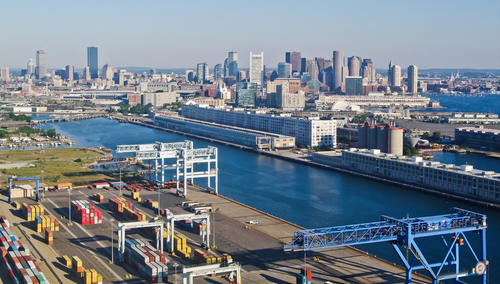
- The Port of Boston is a main center on Boston Harbor. It is run by the Massachusetts Port Authority.
- It has special places like Conley Terminal for containers and a cruise terminal in South Boston.
- The port moves all kinds of goods. This includes containers, cars, and big loads like cement.
- New changes help the port handle larger ships. Now, its capacity is higher.
- The port area is not just for business. It is full of attractions and good places to eat.
- This port is important for the local economy. It helps people get jobs and backs up local businesses.
Introduction
Welcome to your 2026 travel guide for the Port of Boston! The port sits right in the heart of Boston Harbor. It is a busy place where trade and travel meet in New England. People come here for many reasons. You might be leaving on a cruise, checking out the lively Seaport District, or just looking to learn more about this key spot. There is history everywhere. At the same time, there are many new things to see and do. This guide will help you get to know it all before you go. Get set to find out all you need, so you have a great time at one of the oldest and busiest ports around.
Overview of the Port of Boston
The Port of Boston is a big seaport found in Boston Harbor. It is one of the main ports on the East Coast of the United States. This port is the biggest one in the Commonwealth of Massachusetts. It is important for both the area around it and for the whole country. It helps connect New England to people and places all over the world.
The port has a long history that goes back to when this part of the country was first settled. It also has modern tools and strong ways to move goods and people. Right now, the Port of Boston is busy with both business shipping and travel. It helps with trade and brings visitors. In this section, we will look at what the port does and talk about the different kinds of goods that come into and go out of this port on the East Coast.
Key Functions and Significance
The Port of Boston is an important place in history and business. People know it well because of the Boston Tea Party, which helped start the American Revolution. This event is a big part of the port’s story. Today, the Port of Boston is still at the heart of trade by water. The port authority makes sure things happen smoothly every day.
The port does a lot of different jobs. It keeps goods moving at its container terminal. There are also other places like the Boston Autoport. Here, many cars come in and go out from all over the world. The port is not just for business; it also sends off cruise ships with people who want to travel and see new places.
Because of what it does, the Port of Boston helps the city and even the country. It makes trade with other countries easy, gives work to many people, and brings in tourists. It is a place where old times and now come together. The port is always finding new ways to grow and change, so it stays an important part of Boston and the United States.
Types of Ships and Cargo Handled
Boston Harbor has many kinds of ships moving in its waters. Each one is there for a different reason. The port has the right things in place to handle big container ships at Conley Terminal, along with nice cruise ships at the cruise terminal. The port shows it can do many jobs.
The cargo coming in and going out is also varied. Most of it is cargo in containers, but the port also works with bulk and special cargo. This helps keep lots of different goods coming into and leaving New England.
Some usual cargo and ships you will find are:
- Container ships that bring things people buy, like furniture and electronics
- Cruise ships that head off to places like Bermuda, Canada, and the Caribbean
- Bulk carriers that bring salt and metric tons of cement
- Roll-on/roll-off vessels that move cars
Administration and Management of the Port
The Port of Boston is run by the Massachusetts Port Authority, which people call Massport. Massport is an independent public authority. It takes care of growing, promoting, and managing the port and all its buildings. The goal is to keep things safe, smooth, and working well across its places by the water.
Massport teams up with state agencies and federal groups. They work together to keep the port safe, protect the environment, and follow all rules. This helps the port meet the economic needs of the area. Let’s take a closer look at which authorities are involved and what has been happening lately.
Managing Authorities and Regulations
The Massachusetts Port Authority, also called Massport, is the main group in charge of the Port of Boston. As the port authority, they manage all large terminals and ports, and also Logan International Airport. Massport works to help the port stay strong, safe, and helpful for the state’s economy.
Security and rules are managed by Massport, along with other state agencies. The Massachusetts State Police are often at the site and help keep people safe and enforce the law all around the port. The US Coast Guard is also important here. They make sure everyone follows the law on the water and take care of the security zone in the harbor to keep ships and the area safe.
With this way of working together, all parts of the port follow tough safety and operation rules. The rules are about ship traffic, loading cargo, checking passengers, and keeping the environment safe. This care helps the Port of Boston be a safe and well-run place for ships and people.
Recent Developments and Future Plans
The Port of Boston has undergone significant modernization to enhance its capabilities. A major focus has been preparing Conley Terminal to accommodate larger ships. Following the Panama Canal expansion project, ports along the East Coast needed to adapt, and Boston has invested heavily in dredging and new crane technology to welcome these bigger vessels.
These upgrades have directly increased the port’s capacity and efficiency, allowing for more direct connections to global markets. Future plans include further enhancements to infrastructure, exploring sustainable energy sources like natural gas for port equipment, and improving landside logistics to reduce congestion and environmental impact.
These developments ensure the Port of Boston remains a competitive and modern maritime gateway.
| Project Phase | Description | Status |
|---|---|---|
| Harbor Deepening Project | Dredged the main channels to 47 feet to accommodate larger ships. | Completed |
| New Ship-to-Shore Cranes | Installed three new large cranes at Conley Terminal for bigger vessels. | Completed |
| Berth Expansion | Constructed a new deep-water berth to handle multiple large ships at once. | Completed |
| Sustainability Initiatives | Implementing eco-friendly equipment and exploring natural gas power. | Ongoing |
Getting to the Port of Boston
Getting to the Port of Boston is easy. It is close to big travel spots. The main cruise area is in South Boston. Logan International Airport (BOS) is in East Boston, near the port. If you fly into Logan International Airport, getting to the port is quick.
You can drive, call a taxi, or use public transit. There are many ways to travel between Logan Airport, downtown Boston, and the port. The next sections give step-by-step directions and show where to park. This helps you plan so you can start your trip smooth and relaxed.
Directions and Transportation Options
If you are at Logan International Airport, the fastest way to get to the cruise terminal is to use the Ted Williams Tunnel (I-90 West). Take Exit 25 for South Boston. Then, follow the signs for the cruise terminal. This way, you avoid traffic in the city center and reach the port in a few minutes.
If you are already in the city, you have a few ways to travel. Taxis and ride-share services are easy to find. They can take you right to the passenger drop-off areas. Public transportation is also a good pick, with buses going to the Seaport District near the port.
Here are some popular ways to get to the port:
- From Logan Airport: You can take a taxi or ride-share. It is a short 10-15 minute ride using the Ted Williams Tunnel.
- Driving: Put “Flynn Cruiseport Boston” into your GPS and follow the signs for passenger drop-off and parking.
- Water Taxi/Private Ferries: If you want a scenic way from places like Long Wharf, try a water taxi or private ferry service. You will get a nice view of the harbor.
Parking Facilities and Accessibility
For people driving to Flynn Cruiseport Boston, there is long-term parking right across from the cruise terminal. The South Boston Waterfront Transportation Center (EDIC garage) is a big, covered parking area. It is secure for all the time you are on your cruise. You pay for parking by the day, and most people pay when they drive in.
The whole process is made to be simple. It is best to stop at the Black Falcon Cruise Terminal first to drop off passengers and luggage before you park. Once you have dropped everyone off, you can drive your car to the EDIC garage nearby. The walk back to the cruise terminal is quick and easy.
At the cruise port, accessibility is important. The terminal has ramps and elevators, and there are porters to help with bags. The parking garage has parking spaces for people who need them. This makes sure all travelers in the south boston area have a good experience from the moment they get there until boarding.
Facilities at the Port
The Port of Boston has different places that each do a special job in the world of ships and boats. The Conley Terminal is made for container shipping. The Flynn Cruiseport Boston is the main spot where cruise ships dock. There is also the historic Boston Fish Pier. The Boston Autoport is part of the port too.
All these places work together. They help with international trade, commercial fishing, and tourism. In the next part, you will see how the container shipping area and the cruise terminal work. This will help you know more about what the port can do.
Conley Terminal Operations
Conley Terminal is the main spot for container shipping in New England. It is the only full-service container terminal in the area, and because of that, it is a key part of moving goods in and out of New England. You will find Conley Container Terminal in South Boston where it has up-to-date equipment needed for the world’s biggest container ships.
The work at the terminal is all about strong planning and teamwork. Tall ship-to-shore cranes pick up containers from big ships and put them on waiting trucks. These trucks then take the goods to a large area where containers are kept. Goods will either leave on trucks for their final stops nearby, or get placed on a train headed somewhere else across the country.
Key features of Conley Terminal’s operations include:
- State-of-the-art cranes that can move goods on and off very large ships.
- Deep-water spots where big ships, even post-Panamax ships, can dock safely.
- A well-run gate system that keeps trucks moving when they come in or go out of the container terminal.
- Direct shipping lines that connect South Boston with major ports in Asia, Europe, and Latin America.
Cruise Terminals and Passenger Services
The Port of Boston is a well-known spot where many cruise trips start. The main cruise terminal there is Flynn Cruiseport Boston. It is at the historic Black Falcon Cruise Terminal in South Boston. Every year, this place welcomes many cruise ship passengers.
The cruise terminal was made to be easy to use and give travelers a smooth trip. When you get there, helpful staff will meet you. They help with your bags and show you how to check in and pass through security. The terminal has new and clean waiting areas, restrooms, and clear signs so you can find your way to the ship.
Many big cruise lines leave from Boston. You can go to places like Bermuda, Canada/New England, or take longer trips down to the Caribbean. Flynn Cruiseport Boston is close to downtown and Logan Airport. This makes it a good choice for both cruise ships and the people who travel on them.
Things to Do Near the Port and in the Seaport District
The area around the Port of Boston is full of places to visit. The Seaport District and south boston waterfront stand out as lively parts of the city. This place used to be filled with factories, but now it’s busy and full of life. You will find history, food, fun things to do, and so much more here.
You can walk around castle island, check out new museums, or eat at great restaurants. There is something for everyone in south boston. You may have just a small amount of time before your cruise or a day to spend. No matter what, the Seaport has things that will give you a lasting, good memory of Boston. Here are some of the best spots and things that everyone can enjoy.
Top Attractions, Dining, and Entertainment
The Seaport District has a lot to offer. This part of Boston mixes its old history with new ideas. You can visit the Boston Tea Party Ships & Museum. Here, you will find fun displays that help you see this big event in American story up close. If you want a quiet spot, you can walk over to Castle Island. You get nice harbor views there, plus you can see Fort Independence.
There is plenty to eat in the Seaport. The neighborhood is known for fresh seafood. You can pick from simple places near the Boston Fish Pier, or try fancier restaurants with a harbor view. After you eat, there is still more fun to have. You can watch a show, hear music, or take a nice walk by the water. You may want to cross the Summer Street Bridge or check out Rowes Wharf when you are out.
Here are some spots you should see:
- Boston Tea Party Ships & Museum
- Institute of Contemporary Art (ICA)
- Harpoon Brewery & Beer Hall
- Castle Island and Fort Independence
- Legal Test Kitchen for new seafood ideas
- Del Frisco’s Double Eagle Steak House for a special steak dinner
- Faneuil Hall Marketplace for shopping and street shows
Upcoming Events and Visitor Information
The Seaport District is busy all year. There are many things to do for both locals and visitors. The area has seasonal festivals, outdoor concerts, farmers’ markets, and art displays. If you are one of the cruise ship passengers with some free time, these events are a good way to see the local culture.
To get the latest details, go online and check resources about the Seaport neighborhood. Sites like the official Seaport Boston site or local event calendars share up-to-date schedules, so you can plan what to do during your stay.
It does not matter if you want food festivals, live shows, or holiday fun; these resources help you see what is going on. The busy Port of Boston and the nearby Seaport District always have new things happening. Keep checking so you do not miss out.
The Economic and Community Impact of the Port
The Port of Boston helps drive the economy for the Commonwealth of Massachusetts and all of New England. The port brings in billions of dollars each year. It helps many kinds of businesses. Some of these are in logistics, manufacturing, retail, and hospitality.
A big part of the port’s impact comes from the jobs it helps create. Many people work at the port or with businesses that need the port. It helps give work to tens of thousands of people. In this section, we will talk about how the port boosts the local economy. We will also look at what it does to support green practices for the community and the environment.
Role in Local Economy and Job Creation
The Port of Boston is a key part of the local economy. It plays an important role in making jobs and helping the area grow. Many people work right at the port. They help with cargo, work in top office jobs, deal with moving things, and work in ship services. The shipbuilding industry was once a big source of jobs here, and today the port still helps keep many ship jobs going.
The port also helps even more people make a living in other parts of the economy. When one person has a job at the port, it helps create more jobs. These extra jobs are for truck drivers, people who work in warehouses, customs workers, and those in companies that make or sell things. Many businesses depend on the goods that come through the port.
The Port of Boston does a lot when it comes to making jobs. It is very important for the area’s money and growth. Because the port moves goods well, local businesses can do well and sell all over the world. This means more strong jobs for families and better business in the city.
Sustainable Practices and Environmental Initiatives
The Port of Boston works hard to balance making money and caring for the environment. The port knows that it is important to keep the harbor and its neighborhoods safe and healthy. So, there are many new steps being taken to support land reclamation and protect nature. These steps help to lower the amount of waste and pollution, save energy, and keep sea life healthy.
Trying to cut down the port’s carbon footprint is a big goal for them. They are switching to better equipment that uses less fuel. They also give shore power to ships that are parked here, so vessels do not need to keep their engines running. The port looks for cleaner energy choices, too. There have been some smart land reclamation projects that make new spots for parks and places where people can hang out.
Some of the port’s main sustainable actions include:
- Using shore power so ships do not pollute as much when they are parked.
- Buying hybrid and electric vehicles plus gear that moves cargo around.
- Joining plans to slow ships down so they do not hurt marine life.
- Taking dredged material and using it in a good way, like adding sand to beaches or making more parkland.
Real-Time Marine Traffic and Visiting Information
It is easy now to keep up with what happens at the Port of Boston. New technology makes this possible. Whether you are someone who loves boats, owns one, or waits for your travel ship, you can get marine traffic updates online. These websites let you see ships moving in real time. You can also check their schedules and find out what the weather is like in the harbor.
If you know where to look for this information, your visit can be much better. You can watch big container ships go through the channels. You can also check when your cruise ship will come in. The next parts will help you find these live updates. They will also give tips to help make your visit smooth.
Where to Access Live Updates and Schedules
If you want to keep up with what happens at the Port of Boston, there are some websites and apps that help you with live cruise ships and marine traffic data. You can use MarineTraffic, VesselFinder, and FleetMon. These sites show maps where you see the real-time location, route, and speed of ships in the water.
These services use AIS, which stands for Automatic Identification System. Ships give this live data as they move. You can look up certain cruise ships, check when they will come or go, and see photos and details about many of the ships. This helps people who like to watch ships, and anyone who wants to see what goes on in this busy port.
Also, the Massport website sometimes shares cruise ship schedules. There, you might find links to other marine traffic websites. It helps to look at these pages before you visit if you want to know what to expect at the Port of Boston. You can see how busy and active it is all the time.
Visitor Tips for a Smooth Experience
A little planning helps make your time at the Port of Boston easy and fun. If you are leaving from here on a cruise or want to see what is around, keeping some things in mind can help you move through the port without trouble.
If you are a cruise passenger, try to get to the cruise terminal within your check-in hours. This helps you skip long lines. You should have your travel papers ready. If you drive, drop off people and bags first, then go park your car. This saves time and keeps things simple.
Here are a few more tips for a great visit:
- Arrive Early: Get to the cruise terminal with plenty of time. You need to go through security and check-in, and it can get crowded.
- Check Schedules: Check your ship’s leave time and any changes before you go to the port.
- Plan for Traffic: Boston’s roads can be busy, mainly around the Seaport. Think about your way ahead and decide when you should leave.
- Accessibility: If you need help to get around, talk with your cruise line or the port ahead of time so they can set something up with you.
Conclusion
To sum up, the Port of Boston is much more than a spot for boat travel. It is a busy place that brings a lot to the local economy and helps the community. The port has a long history and many different places to visit. There are lots of things to see and do close by, so everyone can find something to enjoy.
You can walk around the cruise terminals, spend time in the Seaport District, or learn more about how they care for the environment. The port has something for every interest. It’s a good idea to plan your trip ahead of time and check for the latest in marine traffic and any special events. We hope this guide makes your trip easy, and helps you see everything the Port of Boston has for you.
Frequently Asked Questions
What cruise ships depart from the Port of Boston?
Several big cruise lines use the Flynn Cruiseport Boston at the Black Falcon Cruise Terminal. You will see cruise ships from Royal Caribbean, Norwegian Cruise Line, and Holland America Line at this cruise terminal. They leave from the Port of Boston and go to places like Bermuda, Canada, New England, and the Caribbean.
How do I find the latest Port updates and events?
For the newest news about Port of Boston, look to sites like MarineTraffic. These sites give live updates on ship times and marine traffic. If you want to know about events near the port, go to the official Seaport District website. You can also look at local Boston event calendars to get the latest event details.
What makes Conley Terminal unique within the Port?
Conley Terminal is the only full-service container terminal in New England. After spending millions and doing dredging work in Boston Harbor, it now has new cranes and deeper places for ships to dock. This makes it one of the few ports on the East Coast that can handle larger ships.