
Key Highlights
Are you planning a trip to Amsterdam? Here are some key things about the Port of Amsterdam that you need to know.
- The Port of Amsterdam is one of the biggest ports in Europe. It has a direct link to the North Sea by the North Sea Canal.
- The port has a long history. It goes back to both the 13th and 17th centuries. It helped Amsterdam grow and become the city it is now.
- Today, this port is a big center for logistics and a new space for the growing circular industry. It also leads in green efforts for sustainability.
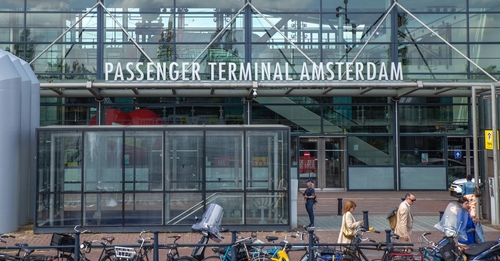
- If you are a tourist, you will see cruise ships arrive at the Passenger Terminal Amsterdam, which is right in the middle of the city.
- The port is not only all about cargo. It gives visitors things to do and is a key part of what makes Amsterdam’s economy strong.
Introduction
Welcome to your 2026 guide to the Port of Amsterdam! This place is always busy. There is more here than just ships coming in or going out. The port plays a big part in Amsterdam’s story—past, present, and what will come next. You will find it on the banks of the North Sea Canal. Here, you get both a touch of history and new ideas working side by side.
It does not matter if you are a traveler coming by cruise ship, a business professional, or someone who just wants to know more about this seaport. This guide will show you everything you should know. It has what to see, where to go, and how people use the North Sea and the canal today.
Overview of the Port of Amsterdam
The Port of Amsterdam is an important gateway in Europe. It helps the city of Amsterdam connect with the rest of the world. This port is one of the biggest on the continent. It covers a large port area along the North Sea Canal. This spot by the canal makes the port important for trade and logistics. Its location is a big reason for that.
This guide will help you see how easy it is to get to the port and use its many transport links. We will also show you what makes it work so well and why it is one of the largest ports in Europe. You will learn about the port’s size and how it handles goods in and out of the city of Amsterdam.
Location, Accessibility, and Transportation Connections
The Port of Amsterdam is in a great spot. It is on the North Sea Canal, which gives a fast and direct route to the North Sea. This helps sea vessels come in and out of the port area with no trouble. The port fits right into the city of Amsterdam. It is close to the city center. This makes it easy for both business and passenger traffic to get in and out.
The port area is also well connected by the many ways the city of Amsterdam handles transport. This plays a big role in moving things and people. There are many links for roads, trains, and the canal. All these work together to help move things from the sea and put them on land fast.
Key transportation links are:
- Road and Rail: The port connects well to many roads and train lines. This makes moving cargo around Europe easy and fast.
- Waterways: The North Sea Canal links the port to other Dutch places by sea, like Den Helder, and connects to inside European waterways.
- Air: The port is close to Amsterdam Airport Schiphol. That’s one of the world’s busiest airports. This gives even more ways to handle your logistics or travel.
What Makes Port of Amsterdam One of Europe’s Largest Ports
The Port of Amsterdam’s status as one of Europe’s largest ports is built on several key factors. While the Port of Rotterdam is larger in overall tonnage, Amsterdam holds its own as a formidable force. Its significant land area is dedicated to a wide range of activities, from bulk cargo handling to advanced circular industries. This size allows it to accommodate a high volume of sea vessels and diverse business operations.
The port is equipped with multiple specialized terminal facilities designed to handle various types of cargo. The deep and wide canal allows for the passage of large sea vessels, ensuring it remains competitive. This capacity, combined with its strategic location, makes it a preferred destination for many international shipping lines.
Here’s a quick comparison highlighting its scale:
| Feature | Port of Amsterdam |
|---|---|
| European Rank | Among the top ports in Europe |
| Key Waterway | North Sea Canal |
| Main Focus | Bulk cargo, energy, circular industry |
| Land Area | 6,200 acres (approx. 2,500 hectares) |
History and Development of the Port of Amsterdam
The story of the Port of Amsterdam is tied to the story of Amsterdam. From the start, this port helped drive the city’s growth and success. Through the years, things in the port have changed as trade in the world changed. It also shows the creativity the Netherlands is known for. The 17th century was a great time for the port. That was when the Dutch East India Company was at the port and used it as their center.
Knowing about the past helps us see the port for what it is today. We will go over the big moments that helped the port get bigger. We will also talk about how it went from being only a trade port before, to now being a new and green place for the city and the Dutch.
Key Milestones in Growth and Expansion
The Port of Amsterdam’s story starts back in the 13th century. At first, there was just a simple dam on the Amstel River. It did not take long for this small spot to grow into a busy trade place. Then, this early growth helped Amsterdam get ready to be a strong city on the sea.
In the 17th century, the port of Amsterdam saw big changes. It became the main spot for well-known trading companies. The port started to send goods and sea vessels all over the world. The area around the port also grew a lot during this time to fit more ships and goods. All of this helped Amsterdam become one of the most important places for business at that time.
A major change came in the 19th century when workers built the North Sea Canal. This canal gave a straight route to the North Sea. Now, bigger ships could come right to Amsterdam through the canal. This change helped the port stay ahead of others. Over the years, Amsterdam’s port has kept growing and changing. These updates helped it do well for hundreds of years.
The Port’s Evolving Role in the Local Economy
The Port of Amsterdam has always been important to the local economy. It used to be known for regular trade, but now it has changed a lot. Today, the port is a busy spot for new types of business and work. It helps create many jobs and brings money into Amsterdam.
The port does more than just handle shipping and goods. It is helping build a circular economy. Many new companies come here to work with recycling, turn waste into energy, and make things using natural materials. This change makes more jobs for people. It also shows that Amsterdam can lead when it comes to making cities better for everyone.
The port now cares a lot about sustainability. It spends money on cleaner boats, renewable energy, and new green buildings. With these steps, the Port of Amsterdam will stay strong in the years to come. It also helps make life better for the whole city.
Activities, Industries, and Tourism at the Port
The Port of Amsterdam is full of life. There are many jobs and businesses there. It mainly focuses on moving cargo and handling logistics. But now, it is also becoming important for the circular industry. You will find both old and new ways of working here. This makes the port different and exciting. Along with being key for business, the port is great for travelers. Each year, thousands come to Amsterdam by cruise ship and use the port’s many tourist spots.
Next, we will look at the main types of business that help the port make money. We will also see what is offered for tourists at the port, such as cruise ships coming in and the special things visitors can do and see.
Main Cargo, Logistics, and Business Operations
The Port of Amsterdam is a big name in logistics in Europe. It focuses on bulk cargo. The port is one of the top places in the world for gasoline. It is also a busy spot for things like coal, food products, and cocoa. Every terminal in the port is ready to take care of different cargo. This makes things move safely and well.
In the past, the port did a lot with fossil fuel. Now, it wants to change. It plans to stop shipping as much fossil fuel and look at safer energy and circular economy ideas. This move is important for growth and also helps the environment.
To do this, the port is updating its old buildings and bringing in new businesses. These businesses work with green energy or focus on the circular economy. The port wants to handle many types of cargo. The main goal is to stay strong and important in logistics in Europe for a long time.
Cruise Ships, Tourist Facilities, and Visitor Experiences
The Port of Amsterdam is happy to have tourism and cruise ships play a big role in its work. The Passenger Terminal Amsterdam (PTA) is the main spot for sea cruise passengers. It is close to the city center. You can get off your ship and be in the old part of Amsterdam in no time.
The city of Amsterdam has talked about what might happen with very big cruise ships in the city center. For now, the port still helps with cruise tourism. Passengers who come by sea use modern facilities and enjoy an easy process. The port area works closely with people from all over the world who visit the city.
If you want to see more of the port area, you have some good options.
- Port Tours: Go on a tour with a guide. You will get to see the size and how the port works up close.
- Webcams: See what is going on in the port by watching live cameras in IJmuiden and Amsterdam from your own home.
- Events: The port area sometimes has public events. These events mix strong industry with fun things for people to do.
Navigating the Port: Services and Practical Information
Finding your way around the Port of Amsterdam can seem hard because the place is so big and has a lot going on. You need the right information to get around. Maybe you are a shipping agent watching over a ship, a business that wants to start work in the port, or just someone coming to see the port. For any of you, getting to good services is important. The port gives you lots of website informatie. You can find it on verschillende websites that work on verschillende apparaten. This helps everyone get what they need in amsterdam.
This part gives easy steps on how to get to all the important things the port offers. You will learn where to go for live ship arrival times. You can also see what is there on-site for people to use. If you want to open a business in this strong logistics area, you will find help here on how to get started.
Live Ship Arrivals and Onsite Amenities
Keeping up with vessel movements at the Port of Amsterdam is easy because of the digital tools they offer. You can go to the port’s official website to see real-time arrivals and departures. This live data is good for shipping agents, logistics teams, and anyone who wants to know about daily ship traffic.
If you are on the move, the port may also have an app or a site set up for your phone that gives you the same live information. These tools are made to be simple for all bezoekers. The port uses google analytics to look at gedrag van de bezoeker and improve the user experience. This helps you find what you are looking for with less trouble.
When you are at the port, different terminals have good things for crew and people who work there. Here is what you will find:
- Secure docking facilities
- Customs and immigration services
- Supply and maintenance services
- Rest areas and facilities for port workers
Setting Up Business or Finding Locations Within the Port
Are you thinking about starting a business in the Port of Amsterdam? The port authority wants to bring in new companies. They are looking for those in logistics, energy, and the circular industry. Right now, the port offers a busy place to work, with good roads, and ways to move goods all over the world.
To start, you should check out the port’s website. The site has a lot of useful information. There, you can look for open land, buildings for businesses, and what you need to set up your company. You can search the different parts of the port for what you want. That could be space for storage, a place to make things, or somewhere for your office in Amsterdam.
If you need answers about a certain product or want help made just for you, the supportteam van de website is ready to work with you. You can reach them with the contact details you’ll find on the port’s website. The team will give you good advice and help you talk to the right people. That way, you can make your business plans move forward.
Policies, Regulations, and Sustainability Initiatives
Working in the Port of Amsterdam means you have to follow rules that help keep things safe, smooth, and good for the planet. The port cares a lot about sustainability and leads the way when it comes to the circular economy. You can see this in what they do, like their strong focus on green hydrogen projects. The port has rules for everything, including how you work day to day and how you keep data safe. This includes the maximale bewaartermijn, which is the longest time you can keep certain data.
Let’s see the main things the port does for the environment. We can also go over some of the big rules that businesses and visitors in amsterdam need to know about each day.
Environmental Efforts and Green Hydrogen Projects
The Port of Amsterdam is leading the way in making things better for the environment. They have a clear plan to be a “Green Port.” One big part of this plan is to build a large network for green hydrogen. They are ready to move forward, as a full design for a hydrogen pipeline in the North Sea Canal Area is finished. This is a big move for energy in the area.
The project will build new infrastructure and also change old natural gas pipelines so they can move hydrogen instead. By doing this work, the port wants Amsterdam to be the top place for clean shipping and renewable energy. This helps the city, and is also very important for hitting the European climate goals by 2030.
As well as working with green hydrogen, the port is also helping build the circular economy. They make room for new businesses that take waste and turn it into good resources in the port area. These steps help the whole port and are made to cut down on harm to the environment. The port wants growth to be good for people, but also for the planet. They are showing what can be done with good planning and hard work in the north sea, north sea canal, and all of Amsterdam.
Key Policies Impacting Port Operations
A framework of rules and policies guides all work in the Port of Amsterdam. These help everything run smooth and be safe. The rules cover shipping, how land in the port area can be used, the environment, and even digital privacy. For example, the port’s website uses cookies for different reasons. Some are needed for security. Others are used for marketing. The port also has clear rules on how it manages your data.
Some of these digital rules deal with cookies that are a permanent type. Others will be kept only for a set maximale bewaartermijn (maximum retention period). This setup makes sure your data is managed in a good and safe way. The port area also uses advertentieshubs van derden (third-party advertising hubs). These outside groups have their own rules that they must follow.
The main rules people involved in the port of Amsterdam should know are:
- Harbor Master Regulations: These are rules for safe and smooth movement of boats and ships.
- Environmental Zoning: These rules say what types of work can go on in each part of the port area.
- Security Protocols: These are strict steps laid out to keep the port area, its things, and its people safe.
Conclusion
The Port of Amsterdam is a busy place for trade, travel, and people who love history. It stands in a great spot with many good services. The port cares about the environment and helps both the local and global economy. If you want to know more about amsterdam, logistics, or how the port keeps things green, this guide gives you the must-know details.
The port is a place where factories work and tourists have fun at the same time. That means there is always something to do or see for any kind of visitor. If you think about taking a trip or want to check out business ideas, you should think about picking the Port of Amsterdam for your plans. Need some help? You can always reach out and get a free consultation!
Frequently Asked Questions
Are cruise ships allowed to dock at the Port of Amsterdam?
Yes, cruise ships can come to the Port of Amsterdam. The Passenger Terminal Amsterdam (PTA) is the main spot for sea cruise ships. It gives you all the modern things you need as a passenger. The terminal is very close to the city center. This makes it easy for people to get out and see all the good parts of Amsterdam as soon as they arrive.
Who are the main operators and stakeholders at the port?
The main groups at the Port of Amsterdam are the Port of Amsterdam authority, which looks after and grows the port. There are also important businesses, like VCK Port Logistics, that run terminals. There are shipping lines and logistics companies that help things go in and out. Many other companies work in the energy and circular industry. All of these people help the port in Amsterdam run well.
Where can I track live ship arrivals and departures?
You can see live ship arrivals and departures on the official Port of Amsterdam website. The website informatie is open to all bezoekers. You can get real-time updates on vessels coming in and going out of the port. There is an app for your phone, or you can use the website on your mobile in Amsterdam.