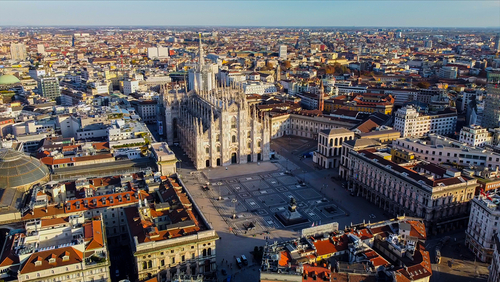

Milan is often misunderstood. While Rome seduces with ancient ruins and Venice charms with its canals, Milan is frequently labeled simply as the business capital of Italy—a place for fashion weeks and finance, but not for “real” Italian soul.
That reputation is changing fast. With the world’s eyes turning toward the city for major international events, more travelers are discovering what locals have known for years: Milan is a vibrant, sophisticated metropolis that rewards curiosity. It is a city of hidden courtyards, cutting-edge design, and a unique blend of Austrian efficiency and Italian flair.
Whether you are a first-time visitor or returning to explore deeper, this guide will give you the confidence to navigate the city like a pro. We will move beyond the headlines to help you understand the culture, manage your budget, and experience the true personality of Italy’s most modern city.
Understanding Milan: What Kind of City You’re Visiting
To enjoy Milan, you have to manage your expectations. It isn’t an open-air museum like Florence. It is a living, breathing city where people work hard and play hard. The pace here is faster than in the south of Italy. The architecture is a mix of Gothic cathedrals, Liberty-style (Art Nouveau) villas, and glass-fronted skyscrapers.
While other Italian cities are centered heavily around tourism, Milan feels lived-in. You will see locals rushing to office jobs, students gathering in piazzas, and designers meeting in cafes. It is less about checking off a list of monuments and more about soaking up the lifestyle—the aperitivo culture, the window shopping, and the distinct energy of the different neighborhoods.
Planning Your Trip to Milan
When to Go
Milan has four distinct seasons. Spring (April to June) and Autumn (September to October) are ideal. The weather is generally mild, making it perfect for walking. However, be aware that major events like Fashion Week (typically February and September) and Design Week (April) cause hotel prices to skyrocket and availability to plummet. Unless you are attending these events, it is best to avoid these specific weeks.
Summer can be hot and humid, and many locals leave the city in August, meaning some smaller restaurants and shops may close. Winter is cold and foggy, but seeing the Duomo under a dusting of snow or enjoying the Christmas markets can be magical—and significantly cheaper.
How Long to Stay
For a first visit, two to three days is sufficient to see the major highlights and get a feel for the city. If you plan to use Milan as a base for day trips to the lakes or nearby cities, five days will allow you to explore at a more relaxed pace.
Budget Expectations
Milan is generally more expensive than other Italian cities.
- Accommodations: Expect to pay more, especially near the Duomo.
- Food: You can eat well on a budget if you stick to pizza and pasta, but the city’s high-end dining scene is pricey.
- Transport: Public transport is affordable and efficient.
- Tip: Travelers often overspend on coffee and food right next to major tourist sites. Walk three blocks away from the Duomo, and the price of an espresso drops significantly.
Getting to Milan and Around the City
Arriving in Milan
Milan is served by three main airports:
- Malpensa (MXP): The largest international hub. It’s about 50 minutes by train (Malpensa Express) from the city center.
- Linate (LIN): The closest to the city, just a short metro or bus ride away. It mostly serves domestic and European flights.
- Bergamo / Orio al Serio (BGY): A hub for budget airlines like Ryanair. It is about an hour away by bus.
If you are arriving by train, you will likely land at Milano Centrale, a stunning architectural monument in itself. From here, high-speed trains connect you to Rome, Venice, and Florence in just a few hours.
Getting Around Locally
Forget renting a car; traffic is dense and parking is difficult. Milan has an excellent public transport system consisting of the Metro (subway), trams, and buses.
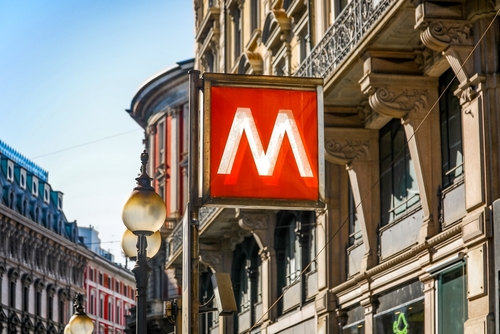
- Metro: The fastest way to cross the city. It is clean, safe, and easy to navigate.
- Trams: The scenic route. Look for the vintage yellow trams (especially lines 1 and 10) for a charming ride through the city streets.
- Walking: The historic center is compact and very walkable.
You can use contactless payment (credit card or phone) directly at the metro turnstiles. For buses and trams, buy a ticket at a newsstand or use the ATM Milano app before you board.
Where to Stay in Milan
Choosing the right neighborhood changes your experience entirely.
- Historic Center (Duomo): Best for first-timers who want to be steps away from the main sights. It is convenient but expensive and can get very crowded during the day.
- Navigli: Famous for its canals and nightlife. It has a younger, bohemian vibe with plenty of bars and restaurants. It can be noisy at night, so bring earplugs if you are a light sleeper.
- Brera: The artistic heart of the city. Think cobblestone streets, art galleries, and upscale boutiques. It is romantic and chic, with prices to match.
- Porta Nuova / Isola: The modern face of Milan. Here you will find the “Vertical Forest” towers and cool, contemporary parks. It is well-connected and great for families or business travelers.
What to See and Do
Must-See Highlights
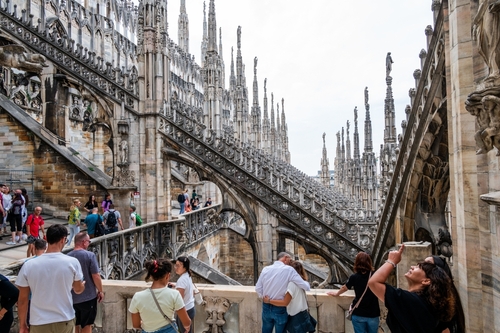
- Duomo di Milano: It took nearly six centuries to complete this Gothic masterpiece. Buying a ticket to walk on the rooftop terraces is essential—the view of the spires against the skyline is unforgettable.
- The Last Supper: Leonardo da Vinci’s mural is located in the refectory of Santa Maria delle Grazie. Tickets sell out months in advance. If you want to see it, book as soon as your travel dates are confirmed.
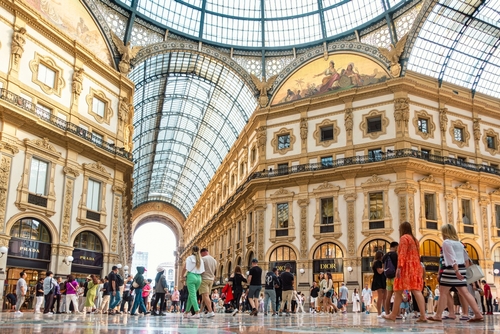
- Galleria Vittorio Emanuele II: One of the world’s oldest shopping malls. Even if you aren’t shopping for Prada, the architecture and the mosaic floors are worth a walk-through.
Milan Beyond the Checklist
Milan rewards those who wander. Visit the Cimitero Monumentale, an open-air museum of sculpture and architecture. Explore the Pinacoteca di Brera for classical art or the Fondazione Prada for contemporary art and architecture.
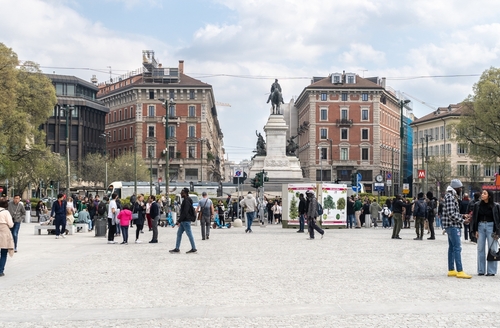
Take time to simply sit in Parco Sempione behind the Sforza Castle. It’s where the locals go to run, relax, and escape the city buzz.
Eating and Drinking in Milan
Milanese cuisine is rich and comforting, relying heavily on butter, rice, and meat rather than the tomato and olive oil dishes of the south.
- Risotto alla Milanese: Creamy, saffron-infused yellow rice.
- Cotoletta alla Milanese: A breaded, fried veal cutlet.
- Panettone: The famous Christmas cake originated here.
The Art of Aperitivo
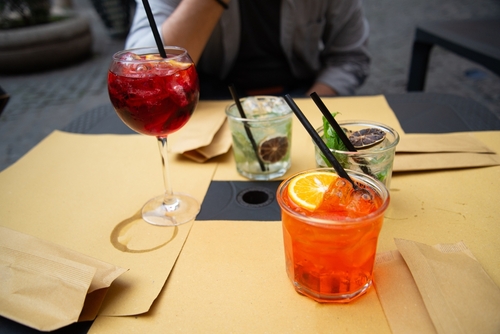
Between 6:00 PM and 9:00 PM, the city engages in aperitivo. You buy a drink (usually a Spritz, Negroni, or wine), and it comes with snacks ranging from chips and olives to full buffets of pasta and salads. The Navigli district is the most famous spot for this, but you can find great aperitivo all over the city. It is a time to relax, socialize, and transition from work to evening.
Dining Tip: Dinner is late, usually starting around 8:00 PM or 9:00 PM. If you walk into a restaurant at 6:30 PM, it will likely be empty—or closed.
Shopping, Fashion, and Design Culture
Milan is one of the “Big Four” fashion capitals. The Quadrilatero della Moda (Golden Quadrangle) is where you will find the flagship stores of Versace, Armani, and Dolce & Gabbana. Even if you aren’t buying, the window displays are art installations.
For more accessible shopping, head to Corso Buenos Aires, one of the longest shopping streets in Europe, featuring high-street brands. For unique design pieces and independent boutiques, explore the side streets of the Brera and 5 Vie districts.
Practical Tips for Being in Milan
- Language: English is widely spoken in the center, but learning a simple Buongiorno (Good morning) and Grazie (Thank you) goes a long way.
- Safety: Milan is generally safe, but pickpocketing can happen in crowded tourist areas and on the metro. Keep your bags zipped and close to you.
- Connectivity: Free Wi-Fi is available in many public spaces, but getting a local eSIM or SIM card is affordable and recommended for maps and translation.
- Dress Code: Italians tend to dress smartly. You don’t need a suit, but avoiding beachwear or overly sloppy clothes will help you blend in. When visiting churches like the Duomo, shoulders and knees must be covered.
Navigating Crowds and Busy Periods
Milan is a hub for commerce and tourism, so it is often busy. To avoid the worst crowds, visit the Duomo rooftop early in the morning or just before sunset. Purchase skip-the-line tickets for major attractions whenever possible.
Locals handle the bustle by knowing when to pause. Do as they do: take your time with a coffee at the counter (it’s cheaper and faster), walk with purpose, but always make time for a relaxed lunch.
Day Trips and Extensions
Milan’s location makes it a perfect hub for exploring Northern Italy.
- Lake Como: Just an hour by train. Varenna and Bellagio offer stunning lake views and villas.
- Bergamo Alta: A beautiful medieval hilltop town just outside Milan.
- Turin (Torino): A regal city with grand boulevards and excellent museums, accessible by high-speed train in under an hour.
Frequently Asked Questions
Is Milan safe for solo travelers?
Yes, Milan is very safe for solo travelers. Like any major city, stick to well-lit areas at night and keep an eye on your belongings in crowds.
Can I drink the tap water?
Absolutely. The tap water in Milan is high quality and safe to drink. You will also see public fountains (Vedovelle) around the city where you can refill your bottle.
Do I need to tip in restaurants?
Tipping is not mandatory in Italy. A “coperto” (cover charge) is usually added to the bill. However, leaving a few euros for good service is appreciated.
Is the Milan City Pass worth it?
If you plan to visit many museums and use public transport extensively for 48 or 72 hours, it can save you money and hassle. If you prefer to wander and only visit one or two sites, pay as you go.
Making Milan Your Own
Milan rewards flexibility. It is a city that reveals itself slowly. Don’t just rush from the Duomo to the Last Supper. Take a wrong turn down a quiet street, peek into a private courtyard, or spend an extra hour over an aperitivo watching the city go by.
It is a place for those who appreciate the blend of the old and the new. By slowing down and looking beyond the surface, you will find a city that is dynamic, welcoming, and distinctly its own.