
Sicily stands apart as one of Europe’s most captivating destinations for history lovers. The island’s medieval towns tell stories of conquest, coexistence, and cultural fusion. Each cobblestone street and fortified castle reflects centuries of Greek, Roman, Arab, Norman, and Spanish influence.
Many of Sicily’s medieval settlements were built on hilltops for strategic defense. Their elevated positions offered protection from invaders and pirates who threatened coastal areas. These towns became fortified strongholds, complete with watchtowers, defensive walls, and imposing castles.
What makes Sicilian medieval towns truly unique is their architectural diversity. You’ll find Norman-Arab designs featuring decorative arches alongside Gothic cloisters and Byzantine mosaics. Cathedral squares anchor town centers, while narrow stone streets wind through neighborhoods that have changed little over the centuries.
This guide explores Sicily’s best-preserved medieval villages. You’ll discover which towns deserve a place on your itinerary, learn about their historical significance, and get practical travel tips for visiting these enchanting destinations.
What Defines a Medieval Town in Sicily?
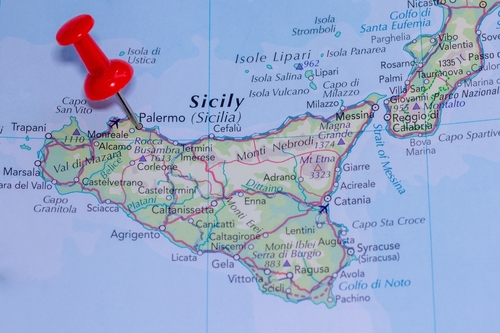
Sicilian medieval towns share distinct characteristics that set them apart from other historic settlements. Understanding these features helps you appreciate what you’re seeing as you explore.
Key Architectural Elements
Most medieval towns in Sicily follow a hilltop defensive layout. High elevation provided natural protection and allowed residents to spot approaching threats. Stone fortifications and castle walls added extra security.
Cathedral-centered piazzas form the heart of these communities. These open squares served as gathering places for religious ceremonies, markets, and civic life. Narrow cobbled streets radiate outward from central squares, creating maze-like networks that once confused invaders.
The architecture reflects multiple cultural influences. Norman conquerors built imposing cathedrals and castles. Arab craftsmen contributed intricate geometric patterns and decorative elements. Gothic arches and cloisters arrived with later European rulers.
Historical Timeline
Sicily’s medieval period began with Arab rule in the 9th century. The Arabs introduced advanced irrigation systems, new agricultural techniques, and distinctive architectural styles. Their influence remains visible in many towns today.
The Norman conquest in the 11th and 12th centuries marked a turning point. Norman rulers preserved Arab achievements while adding their own grand buildings. This Norman-Arab fusion created some of Sicily’s most remarkable structures.
Swabian and Aragonese periods followed, each adding new layers to Sicily’s architectural heritage. The devastating earthquake of 1693 forced many towns to rebuild, often blending medieval layouts with Baroque styling.
The Most Beautiful Medieval Towns in Sicily
1. Erice
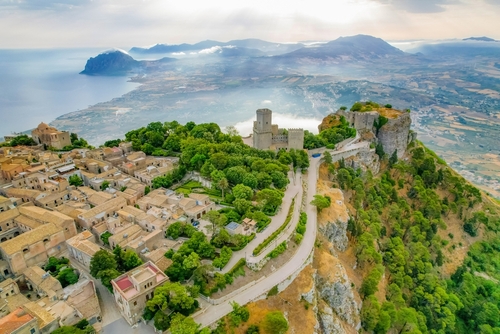
Erice commands dramatic views from its perch high above Trapani. This western Sicilian town feels like stepping into another era. Stone-paved streets wind past ancient buildings, leading to the Norman Castello di Venere.
The castle sits atop a cliff where a temple to Venus once stood. From its ramparts, you can see the Egadi Islands and the coast stretching toward Tunisia. On clear days, the panoramic views are breathtaking.
Medieval stone houses line Erice’s narrow lanes. The town’s elevated position means fog often rolls in, creating an atmospheric setting. Spring and autumn offer the best weather for exploring.
2. Cefalù
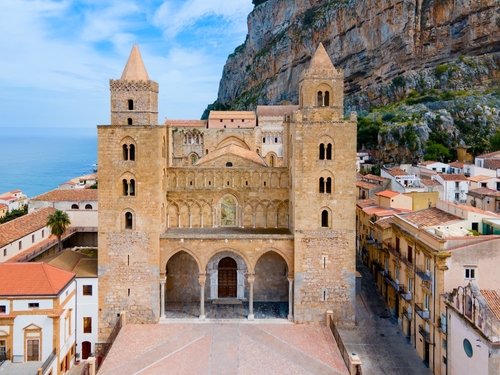
Cefalù combines coastal charm with medieval grandeur. The town’s Norman cathedral is a UNESCO World Heritage site, featuring stunning Byzantine mosaics inside. Its twin towers dominate the skyline.
Arab-Norman architecture appears throughout the old town. The medieval washhouse, built into natural rock formations, still holds water from mountain springs. Narrow streets filled with shops and restaurants connect historic landmarks.
Visit during spring or early autumn to avoid summer crowds. The beach below the medieval center makes Cefalù perfect for combining history with relaxation.
3. Taormina
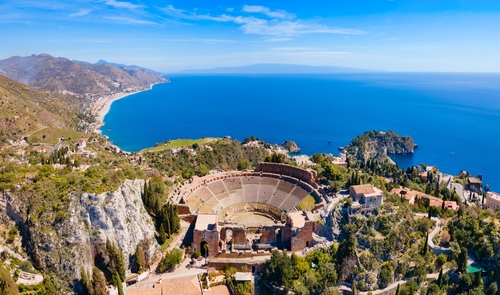
Taormina’s medieval Corso Umberto runs through the town center, lined with shops, cafes, and historic buildings. The Palazzo Corvaja dates to the 15th century and showcases Arab, Norman, and Gothic elements.
While Taormina is famous for its ancient Greek theatre, the town’s medieval heritage deserves equal attention. Stone archways, small piazzas, and hidden courtyards reveal centuries of continuous habitation.
Summer brings large crowds, so consider visiting in spring or autumn. Winter offers a quieter atmosphere, though some attractions may have reduced hours.
4. Ragusa Ibla
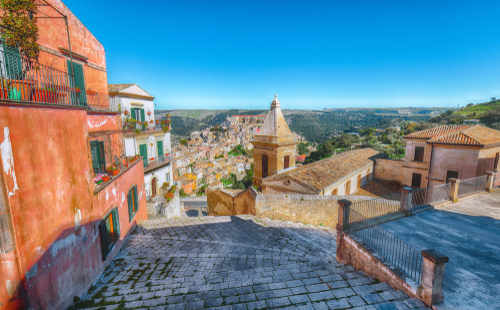
Ragusa Ibla forms part of the Val di Noto UNESCO site. The 1693 earthquake destroyed much of the original town, leading to a Baroque rebuild. However, the medieval street layout survived beneath the new architecture.
The town cascades down a hillside in layers. Stone staircases connect different levels, creating a three-dimensional maze. Churches and palaces emerge around every corner.
Ragusa Ibla works well as a base for exploring southeastern Sicily. The town has excellent restaurants serving traditional dishes in historic settings.
5. Modica
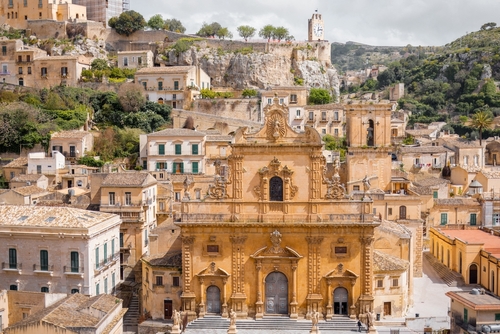
Modica spreads across two valleys and multiple hillsides. Medieval origins show through despite extensive Baroque rebuilding after 1693. Castle ruins crown the highest point, offering views over the layered town below.
The town’s famous chocolate tradition dates back centuries. Small shops still make chocolate using ancient methods. Narrow lanes wind between tall buildings, creating dramatic vertical streetscapes.
Spring brings comfortable temperatures for climbing Modica’s many staircases. The town lights up beautifully at night.
6. Castelbuono
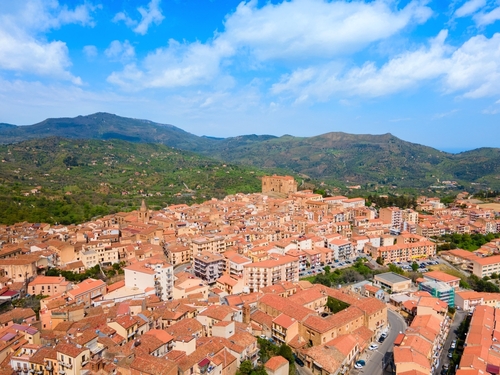
Castelbuono sits in the Madonie Mountains, surrounded by natural beauty. The Norman Castello dei Ventimiglia dominates the town center. This well-preserved fortress now houses a museum and hosts cultural events.
The town maintains an authentic village atmosphere. Locals gather in the central piazza, and traditional shops outnumber tourist-oriented businesses. Stone buildings line steep streets that climb toward the castle.
Castelbuono offers a quieter alternative to more famous destinations. Visit in spring to enjoy mountain wildflowers and pleasant hiking weather.
7. Savoca
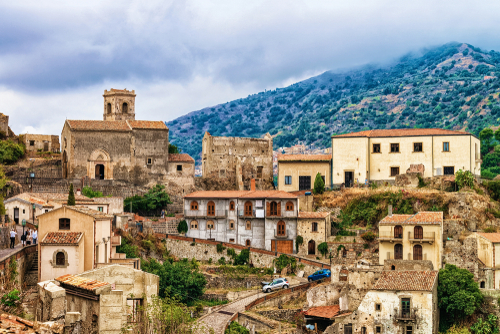
Savoca perches on a rocky outcrop with sweeping valley views. Medieval churches contain important artworks, and ancient catacombs hold mummified remains. Stone alleyways connect small piazzas.
The town gained fame as a filming location for The Godfather. Bar Vitelli, where Michael Corleone met Apollonia’s father, still serves visitors. Beyond movie connections, Savoca rewards exploration with authentic medieval character.
The town sees fewer tourists than coastal destinations. Summer can be hot, so spring and autumn offer more comfortable conditions.
8. Caccamo
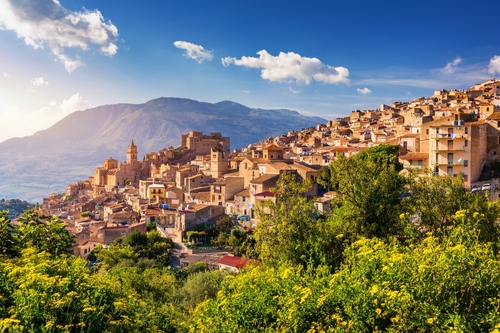
Caccamo boasts one of Sicily’s largest and best-preserved castles. The fortress rises dramatically above the countryside, visible from miles away. Inside, you can explore halls, towers, and defensive structures.
The medieval town below the castle retains authentic charm. Few international tourists make the journey, so Caccamo feels genuinely local. Stone houses crowd narrow streets that follow the hillside’s natural contours.
Visit any time of year, but spring offers the greenest landscapes. The castle provides shade during summer heat.
Architectural Influences in Sicilian Medieval Towns
Norman-Arab-Byzantine Fusion
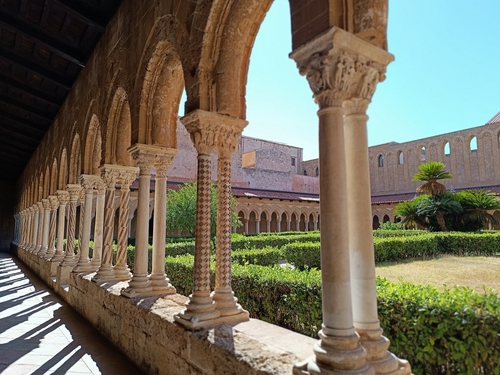
Sicily’s most distinctive architecture comes from the Norman period. Norman rulers employed Arab craftsmen and incorporated Byzantine traditions, creating a unique style.
Decorative arches feature geometric patterns and colorful stonework. Cathedral interiors display elaborate mosaics depicting religious scenes. Fortress-like churches combine defensive features with spiritual purpose.
Gothic and Catalan Influences
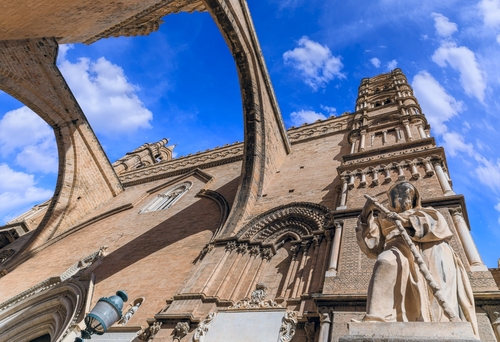
Later rulers introduced Gothic elements. Pointed arches, ribbed vaults, and rose windows appeared in churches and civic buildings. Stone carvings became more elaborate.
Catalan influences arrived with Aragonese rule. Cloisters with ornate columns and courtyard gardens became common in monasteries and noble residences.
Earthquake Rebuilding
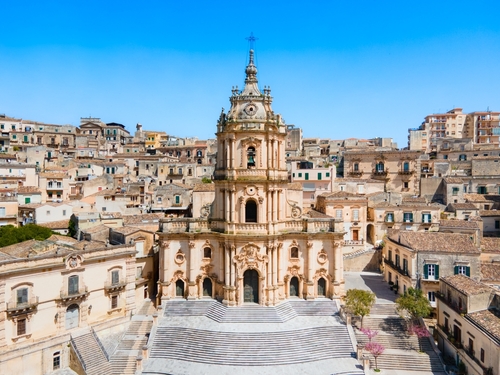
The 1693 earthquake devastated southeastern Sicily. Reconstruction introduced Baroque styling while often preserving medieval street layouts. This combination creates towns with multiple architectural layers.
Many medieval foundations support Baroque façades. Towns like Ragusa and Modica demonstrate how communities adapted while maintaining connections to their past.
Best Medieval Castles in Sicily
Castello di Caccamo
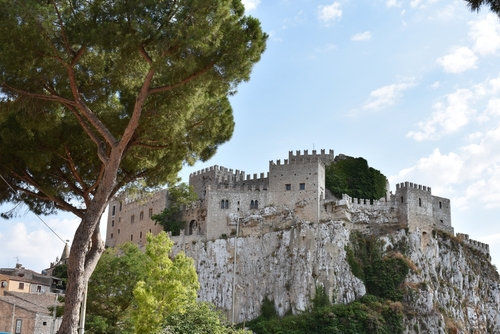
This massive fortress ranks among Sicily’s most impressive castles. Built in the 12th century, it served both military and residential purposes. Visitors can explore towers, courtyards, and halls that once housed Norman nobles.
The castle’s position provides strategic views over surrounding valleys. Defensive walls remain largely intact, showing medieval military architecture at its finest.
Castello di Erice
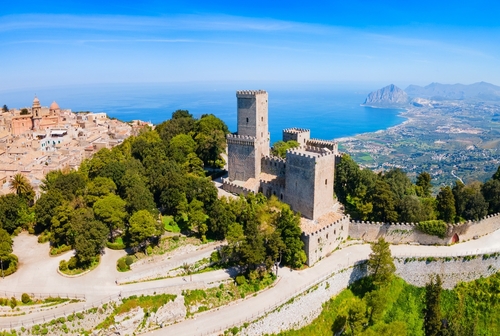
The Norman castle stands where ancient temples once honored Venus. Its location atop a sheer cliff made it nearly impregnable. Though partly ruined, the remaining structures convey medieval power.
The surrounding walls enclose gardens offering spectacular coastal views. On clear days, you can see Tunisia across the Mediterranean.
Castello Ursino (Catania)
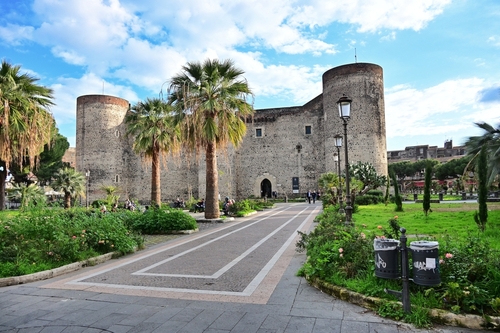
Built by Frederick II in the 13th century, this Swabian castle originally stood near the sea. Lava flows from Mount Etna changed the coastline, leaving the fortress inland. The castle now houses Catania’s civic museum.
Its square design with round corner towers represents advanced medieval military architecture. The building survived earthquakes that destroyed much of Catania.
Castello di Mussomeli
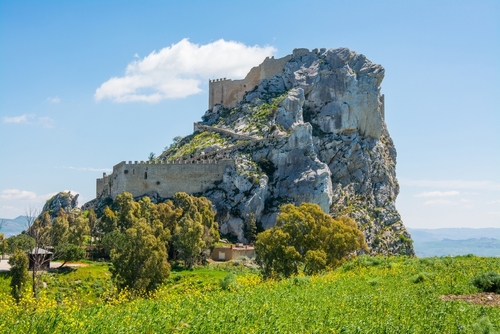
This dramatic castle perches on a rocky outcrop in central Sicily. Built in the 14th century, it features Gothic and Arab influences. The setting feels almost theatrical, with the fortress seemingly growing from the cliff.
Restoration work has made parts accessible to visitors. The interior includes a chapel, living quarters, and defensive positions. Views extend across the surrounding countryside.
Things to Do in Medieval Towns in Sicily
Exploring historic piazzas offers insights into daily life through centuries. These central squares host markets, festivals, and social gatherings. Observe local interactions while enjoying coffee at outdoor cafes.
Visit cathedrals and monasteries to see medieval religious art and architecture. Many contain treasures like Byzantine mosaics, carved altarpieces, and ancient frescoes. Respectful visitors are usually welcome during non-service hours.
Walk ancient defensive walls where possible. These elevated paths provide excellent views and help you understand each town’s strategic layout. Some towns offer guided tours explaining defensive systems.
Try traditional Sicilian cuisine in old stone trattorias. Many restaurants occupy medieval buildings, creating atmospheric dining experiences. Local dishes often follow recipes passed down through generations.
Attend local festivals if your timing allows. Medieval towns celebrate patron saints, historical events, and seasonal traditions. These festivals provide authentic cultural experiences.
When to Visit Sicily’s Medieval Towns
Spring (April through June) offers ideal conditions for exploring. Temperatures stay comfortable for walking steep streets. Wildflowers bloom in the countryside, and crowds remain manageable.
Autumn (September and October) provides similar advantages. Harvest season brings special foods to markets and restaurants. The light takes on a golden quality perfect for photography.
Summer heat can be intense, especially in inland hilltop towns. If visiting then, plan activities for morning and evening, resting during midday. Coastal medieval towns like Cefalù offer beach relief.
Winter brings quiet charm and occasional rain. Some attractions reduce hours, but you’ll find authentic local atmosphere. Christmas and Easter celebrations in medieval settings create memorable experiences.
Suggested Itineraries
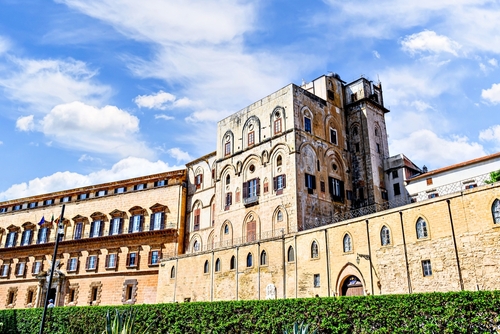
3-Day Western Sicily Medieval Route
Start in Palermo to see Norman heritage including the Palazzo dei Normanni and Cathedral. Drive to Erice on day two, spending the afternoon exploring its medieval streets and castle. Finish at Caccamo on day three, visiting the impressive fortress.
This route covers about 200 kilometers. Rent a car for flexibility, as public transport between smaller towns can be limited.
5-Day Eastern Sicily Route
Begin in Taormina, exploring medieval streets and the dramatic coastline. On day two, visit nearby Savoca and other small medieval villages. Days three and four focus on Ragusa Ibla and Modica, with time to appreciate their layered architecture. Spend day five exploring the baroque-medieval fusion of Noto or returning to favorite spots.
This itinerary covers Sicily’s southeastern corner, where multiple UNESCO sites cluster together. Distances are manageable, allowing leisurely exploration.
Hidden Medieval Gems (Less Crowded Options)
Petralia Soprana
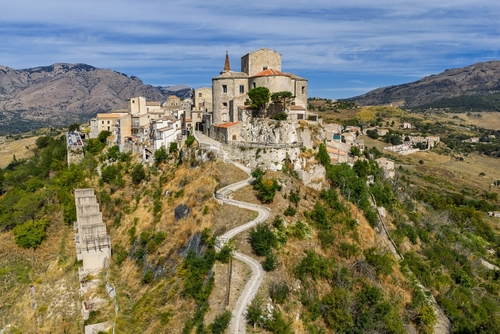
This Madonie Mountain village sits at high elevation, offering mountain views and cool summer temperatures. Medieval streets wind between stone houses, leading to a central piazza. The town sees few international visitors.
Gangi
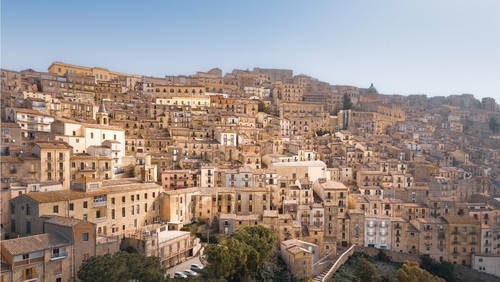
Recognized as one of Italy’s most beautiful villages, Gangi cascades down a hillside. Medieval character remains strong despite later additions. The town hosts traditional festivals that draw primarily Italian visitors.
Sperlinga
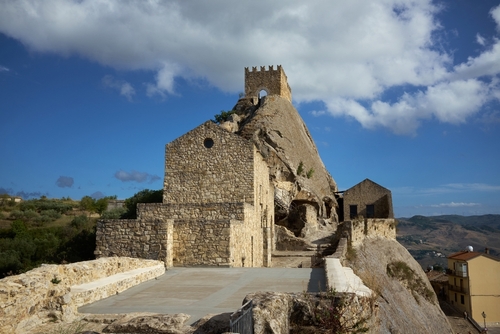
Sperlinga’s castle is carved partly into natural rock formations. This unusual medieval fortress creates a striking sight. The small town surrounding it maintains authentic village life.
Novara di Sicilia
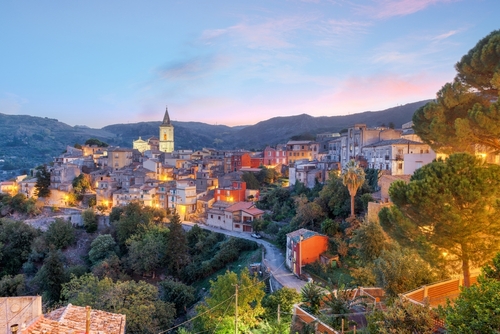
Perched in the Peloritani Mountains, Novara di Sicilia offers medieval architecture and mountain scenery. Stone streets, ancient churches, and fortress ruins reward visitors who make the journey.
Frequently Asked Questions (FAQs)
What is the most beautiful medieval town in Sicily?
Erice and Cefalù rank among the most beautiful, each offering distinct character. Erice impresses with dramatic hilltop positioning and fog-shrouded streets. Cefalù combines a stunning Norman cathedral with coastal setting. Personal preference depends on whether you prefer mountain or seaside medieval towns.
Are there still castles in Sicily?
Yes, Sicily has numerous well-preserved medieval castles. Notable examples include Castello di Caccamo, Castello di Erice, and Castello Ursino in Catania. Many are open to visitors and offer insights into medieval military architecture and noble life.
Which Sicilian towns are UNESCO-listed?
Several medieval towns hold UNESCO status. Cefalù’s cathedral is part of the Arab-Norman Palermo site. The Val di Noto towns including Ragusa, Modica, and Noto earned recognition for late Baroque architecture built on medieval foundations.
When were most medieval towns in Sicily built?
Most date primarily to the Norman period (11th-12th centuries), though many occupy sites with earlier settlements. Arab rulers (9th-11th centuries) established or expanded many locations. Later periods added to existing medieval cores rather than creating new towns.
Are medieval towns in Sicily walkable?
Yes, but expect steep streets and staircases in hilltop locations. Most historic centers ban cars, making walking the only option. Comfortable shoes are essential. Mobility-impaired visitors should research specific towns, as accessibility varies significantly.
Why Sicily’s Medieval Towns Remain Timeless
Sicily’s medieval towns offer something rare: authentic encounters with layered history. The unique blend of Arab, Norman, Byzantine, and European cultures created architecture and urban spaces found nowhere else.
Dramatic landscapes enhance the experience. Hilltop positions place these towns against stunning backdrops of mountains, valleys, or coastline. Sunset views from ancient ramparts create unforgettable moments.
These remain living communities, not open-air museums. Residents go about daily life in medieval settings, maintaining traditions while adapting to modern needs. This authenticity distinguishes Sicilian medieval towns from more touristed European destinations.
Exploring beyond major cities reveals Sicily’s true character. Small medieval villages preserve ways of life and architectural heritage that disappeared elsewhere. Each town tells distinct stories while contributing to Sicily’s rich historical tapestry.
Plan your journey to include several medieval destinations. The island’s compact size makes visiting multiple towns feasible, even on shorter trips. Each discovery deepens your appreciation for Sicily’s remarkable heritage.