
Seattle has a reputation for rainy skies and strong coffee, but once you’re here, getting around is surprisingly straightforward. You don’t need to rent a car if you’re sticking to the city center, and public transit connects most major attractions.
From the moment you land at Sea-Tac Airport, you’ll have several reliable options to reach downtown. Light rail trains depart frequently, buses cover every corner of the city, and ferries offer scenic routes across Puget Sound. Each option has its own advantages depending on where you’re headed and how much you want to spend.
This guide breaks down Seattle’s transportation system in plain terms. You’ll learn which options make sense for your trip, how much they cost, and how to avoid common mistakes that catch first-time visitors off guard.
Overview of Seattle’s Transportation System
Seattle’s public transit network is managed by several agencies, but they all work together to create a cohesive system.
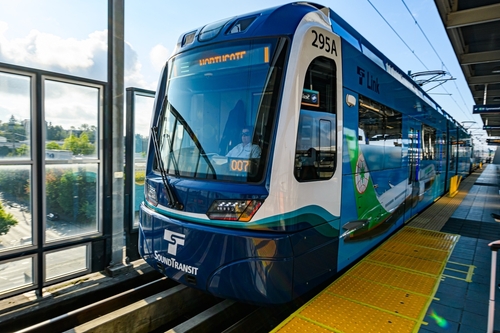
- Sound Transit operates the Link light rail, which connects Sea-Tac Airport to downtown Seattle and beyond. It also runs regional express buses and commuter trains for longer-distance trips.
- King County Metro manages the city’s extensive bus network. These buses cover neighborhoods that light rail doesn’t reach, making them essential for exploring areas like Ballard, Fremont, and West Seattle.
- Washington State Ferries provides passenger and vehicle service across Puget Sound. Ferries are both a practical way to reach nearby islands and a scenic experience worth taking even if you don’t need to go anywhere specific.
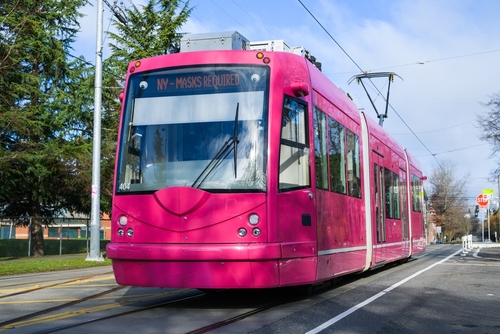
- Seattle Streetcar operates two separate lines—one through Capitol Hill and another along South Lake Union. While not as extensive as buses or light rail, streetcars can be convenient for short trips in those neighborhoods.
- Rideshare services like Uber and Lyft operate throughout the city. They’re widely available but can get expensive during peak hours or bad weather.
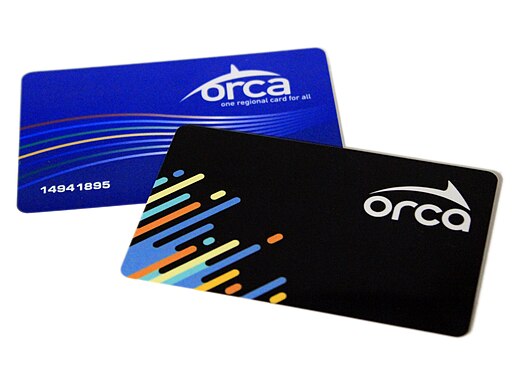
Most of these services accept the ORCA card, a regional transit pass that works across buses, trains, ferries, and streetcars. You can also pay with cash on buses (exact fare only) or buy single-ride tickets at light rail stations.
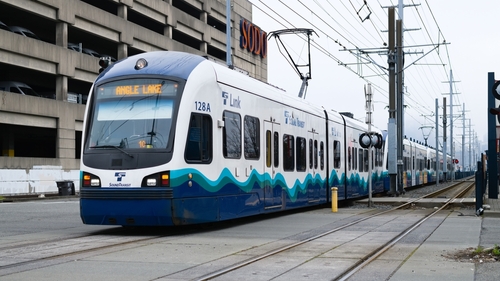
Link Light Rail: Sea-Tac Airport to Downtown & Beyond
The Link light rail is the most reliable way to get from Sea-Tac Airport to downtown Seattle. Trains depart every 8-10 minutes for most of the day, and the trip takes 38 minutes to reach Westlake Station in the heart of downtown.
The one-way adult fare is $3.00, regardless of how far you travel on the 1 Line. Seniors, people with disabilities, and youth 18 and under qualify for reduced fares or free rides.
Trains run from early morning to late night, though exact hours vary. Check the Sound Transit website for the current schedule before planning late-night or very early arrivals.
From Westlake Station, you can walk to Pike Place Market, the waterfront, and many downtown hotels. The light rail also stops at Capitol Hill, University District, and Northgate, making it useful for reaching neighborhoods beyond the city center.
When Light Rail Makes the Most Sense
Light rail is ideal if you’re staying near downtown or Capitol Hill and want to avoid the cost of a rideshare. It’s especially valuable during rush hour when traffic can turn a 20-minute drive into 45 minutes or more.
If you’re traveling with heavy luggage or a group, rideshare might be more convenient. But for solo travelers or couples with just a carry-on, light rail is hard to beat.
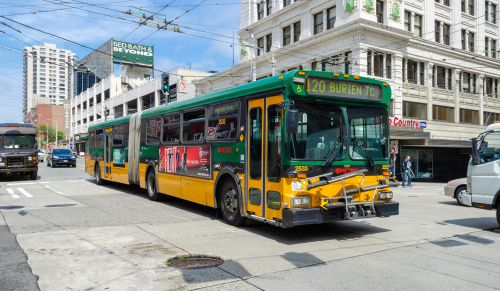
Seattle Buses: How They Work Without Overcomplicating It
King County Metro operates hundreds of bus routes across Seattle. Some run every 10 minutes; others come once an hour. The good news is that Google Maps and the Transit app provide real-time arrival information, so you don’t need to memorize schedules.
The adult fare for Metro buses is $3.00 per ride. You can pay with an ORCA card, exact cash (drivers don’t carry change), or the Transit GO Ticket app.
RapidRide routes offer faster service with limited stops. These buses come more frequently and have dedicated lanes in some areas. If you’re in a hurry, look for routes labeled RapidRide on your map app.
Buses cover neighborhoods that light rail doesn’t reach, including Ballard, Fremont, and West Seattle. They’re also useful for getting to popular spots like Gas Works Park or Alki Beach.
Visitor-Friendly Tips
- Use Google Maps or the Transit app to plan your route. Both show real-time bus locations.
- Check the route number and destination sign before boarding to make sure you’re on the right bus.
- If you’re paying with cash, have exact fare ready before you board.
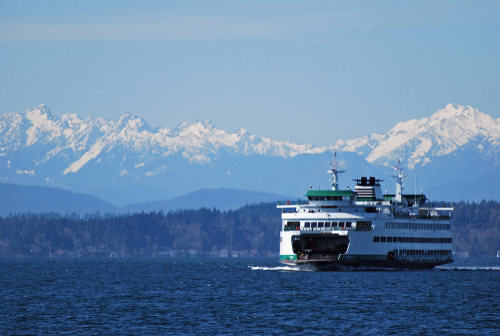
Ferries: A Scenic and Practical Option
Washington State Ferries operates routes across Puget Sound, connecting Seattle to Bainbridge Island, Bremerton, and other destinations. For many visitors, the Bainbridge Island ferry is the most popular option.
Walk-on passengers pay $11.05 for adults traveling from Seattle to Bainbridge Island. Youth 18 and under ride free. The ferry only collects fares in one direction—westbound from Seattle—so your return trip is included in the initial fare.
If you bring a bicycle, there’s an additional $1.00 surcharge.
The ferry ride takes about 35 minutes and offers views of the Seattle skyline, Elliott Bay, and the Olympic Mountains. Even if you don’t have plans on Bainbridge Island, the ferry itself is worth experiencing.
Cost & Boarding Basics
Arrive at the terminal at least five minutes before departure. Purchase your ticket at the terminal or use the Wave2Go app. When the ferry is ready to board, follow the signs and walk across the ramp to the boat.
Once onboard, you’re free to move around. There’s indoor and outdoor seating, and you can explore different levels of the ferry during the crossing.
ORCA Cards Explained (Simple & Clear)
The ORCA card is a reloadable transit pass that works on buses, light rail, ferries, and streetcars. You load money onto the card, and fares are automatically deducted each time you tap.
You can buy an ORCA card at Link light rail stations, the airport, or participating retail locations. A new adult card costs $3.00. The myORCA app lets you manage your balance and add funds from your phone, though you’ll still need to tap the physical card when boarding.
The ORCA regional day pass costs $6.00 for adults and covers unlimited rides on buses, trains, and streetcars for one day. It’s valid for trips with a fare value of $3.00 or less. The day pass does not include Washington State Ferries.
Is It Worth It for Short Trips?
If you’re only in Seattle for one or two days and plan to walk most places, you might not need an ORCA card. You can pay cash on buses or buy single-ride tickets at light rail stations.
For trips lasting three or more days, an ORCA card saves time and makes transfers easier. When you transfer between services within two hours, your original fare is credited toward the next leg of your journey. This means many transfers are free or heavily discounted.

Airport to Downtown: All Your Options Compared
|
Option |
Cost* |
Time* |
Best For |
|---|---|---|---|
|
Link Light Rail |
$3.00 |
~38 minutes |
Budget travelers, solo or couples |
|
Rideshare (Uber/Lyft) |
$30–$50+ |
20–45 minutes |
Groups, heavy luggage, late-night arrivals |
|
Taxi |
$40–$60 |
20–45 minutes |
Convenience, splitting cost with others |
|
Rental Car |
$50+/day |
Varies |
Regional exploration, multiple day trips |
For most first-time visitors, the Link light rail is the best choice. It’s affordable, reliable, and drops you directly in downtown Seattle. Rideshare makes sense if you’re traveling with a group or arriving very late at night when trains are less frequent.
*Exact cost and time of transportation in Seattle varies based on distance, service, and other factors.
Do You Need a Car in Seattle?
Most visitors don’t need a car if they’re staying in or near downtown. Public transit, rideshare, and walking cover the majority of tourist destinations.
You Probably Don’t Need a Car If:
- You’re staying in downtown, Capitol Hill, Belltown, or Queen Anne
- Your plans include Pike Place Market, the Space Needle, and the waterfront
- You’re comfortable using buses and light rail
You Might Want One If:
- You’re planning day trips to Mount Rainier or Olympic National Park
- You have small children or lots of gear
- You want flexibility to explore areas with limited transit
Parking Reality Check
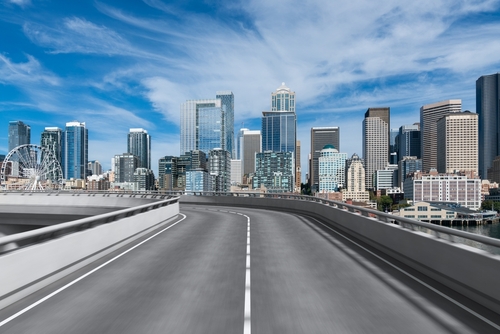
Parking in downtown Seattle is expensive. Street parking is limited, and many hotels charge daily parking fees. If you do rent a car, plan to park it at your accommodation and use public transit for getting around the city.
How Walkable Is Seattle?
Seattle is highly walkable in certain areas. Downtown, Pike Place Market, Capitol Hill, and the waterfront are all easy to explore on foot. You can walk from the Space Needle to Pike Place Market in about 20 minutes.
But Seattle is hillier than many people expect. Streets that look short on a map can involve steep climbs. Comfortable walking shoes are essential.
Safety in tourist zones is generally good, and walking at night is fine in well-lit, busy areas. Use normal city awareness—stay alert, keep valuables out of sight, and stick to main streets if you’re unfamiliar with a neighborhood.
Rideshare vs. Public Transit: What’s Actually Cheaper?
Let’s compare costs for a typical three-day trip:
Public Transit (Light Rail + Buses + One Ferry)
- Airport to downtown: $3.00
- Daily bus/light rail trips (2 per day x 3 days): $18.00
- Ferry to Bainbridge Island: $11.05
- Total: ~$32.00
Rideshare-Only*
- Airport to downtown: $35–$50
- Daily rideshare trips (2 per day x 3 days): $60–$90
- Trip to ferry terminal: $15–$20
- Total: ~$110–$160
Public transit saves significant money, especially for solo travelers. Rideshare makes more sense when splitting costs with others or traveling late at night when transit options are limited.
Surge pricing can drive rideshare costs much higher during rush hour, bad weather, or major events. If you rely exclusively on rideshare, budget for these spikes.
*Cost of using a rideshare varies based on distance, service, and surge pricing
Budgeting for Transportation in USD
Most visitors spend between $30 and $60* on transportation during a typical three-day trip. This includes:
- Airport transfer (light rail): $3.00
- Daily transit (buses, light rail): $15–$30
- One ferry trip: $11.05
- Occasional rideshare: $10–$20
Set aside a daily transit budget to avoid overspending. Cards are widely accepted across all transit services, and cash is rarely needed beyond exact bus fare.
Planning ahead helps you track small daily costs that add up over time. If you’re visiting from another country, knowing these amounts in U.S. dollars makes it easier to manage your budget and avoid surprises.
*This is a sample budget. Always check latest pricing before using public transportation
Sample 3-Day Transportation Plan
Day 1: Arrival + Downtown Exploration
- Take Link light rail from airport to downtown: $3.00
- Walk to Pike Place Market, waterfront, and Space Needle
- Daily Total: $3.00
Day 2: Ferry Day Trip + Neighborhood Exploration
- Take bus to ferry terminal: $3.00
- Ferry to Bainbridge Island (round-trip included): $11.05
- Bus to Capitol Hill in the evening: $3.00
- Daily Total: $17.05
Day 3: Rideshare for Convenience + Return to Airport
- Rideshare to distant restaurant or attraction: $15.00
- Link light rail back to airport: $3.00
- Daily Total: $18.00
Three-Day Total: ~$38.00
This plan balances cost and convenience. You save money using public transit for most trips but spend a bit more on rideshare when it makes sense.
Common Mistakes First-Time Visitors Make
- Renting a car unnecessarily. Most downtown attractions are within walking distance or a short bus ride. A rental car adds cost and parking headaches without much benefit.
- Not checking hills before walking. A route that looks short on a map might involve a steep climb. Check elevation changes before setting out on foot.
- Ignoring ferry schedules. Ferries run on a set schedule, and missing one means waiting 30 minutes to an hour for the next departure. Arrive early to avoid delays.
- Forgetting last train times. Link light rail doesn’t run 24 hours. Check the schedule before heading out late at night to avoid getting stranded.
- Overpaying for airport rideshare during surge. Rideshare prices spike during peak times. Light rail costs the same no matter when you travel.
Frequently Asked Questions (FAQs)
Do I need an ORCA card for just one or two days in Seattle?
Not necessarily. If you’re only taking a few trips, you can pay cash on buses or buy single-ride tickets at light rail stations. An ORCA card is more convenient for longer stays or frequent transit use.
Can I use the same ORCA card on ferries, buses, and light rail?
Yes. The ORCA card works on all Sound Transit and King County Metro services, as well as Washington State Ferries.
How early should I arrive at the ferry terminal?
Arrive at least five minutes before departure for walk-on passengers. If you’re bringing a vehicle, allow more time—especially during peak hours or weekends.
Is Seattle safe to walk around at night?
Tourist areas like downtown, Capitol Hill, and the waterfront are generally safe at night. Use normal city awareness, stay in well-lit areas, and avoid unfamiliar neighborhoods if you’re unsure.
What happens if I don’t have exact change for the bus?
Bus drivers don’t carry change, so you’ll lose any overpayment. Use an ORCA card or the Transit GO Ticket app to avoid this issue.
Can I take bikes on light rail and buses?
Yes, but space is limited. Light rail has bike hooks in each car, and buses have bike racks on the front. During peak hours, these can fill up quickly.