
Most commercial airlines don’t publish strict dress codes for passengers. However, they do reserve the right to deny boarding if your clothing is considered unsafe, offensive, or inappropriate. Understanding these policies can help you avoid unexpected issues at the gate.
You’ve probably seen viral stories about passengers removed from flights over their outfits. Maybe you’ve wondered whether leggings, flip-flops, or that T-shirt with a cheeky slogan could get you in trouble. The truth is more nuanced than a simple yes or no.
This guide explains what airlines actually require, when they can refuse boarding based on clothing, and how to choose travel outfits that keep you comfortable and compliant. You’ll learn the difference between official rules and unwritten expectations, plus get practical tips for avoiding wardrobe-related delays.
Do Airlines Have Official Dress Codes?
Short answer: No universal dress code exists for passengers on commercial flights. Airlines can refuse boarding for:
- Clothing with offensive or explicit language
- Attire that exposes private areas
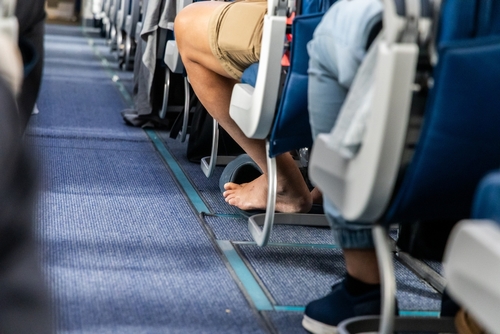
- Bare feet on most carriers
- Unsafe items like spiked accessories or excessive chains
These standards aren’t always written in detailed dress code policies. Instead, they’re covered under broader “Conditions of Carriage” that give airlines discretion over passenger conduct and appearance.
Who Sets the Clothing Rules?
Airline Conditions of Carriage
Every airline publishes a legal document called “Conditions of Carriage.” This contract gives them the right to refuse transport for safety, health, or comfort reasons. Most include language about “offensive clothing” or “inappropriate attire” without defining exact standards.
This means gate agents and crew members make judgment calls. What seems fine to you might cross the line for airline staff, especially if other passengers complain.
FAA and Aviation Authority Rules
The Federal Aviation Administration (FAA) in the United States doesn’t mandate passenger dress codes. Their focus is on safety regulations like seatbelts and carry-on restrictions. Other international aviation authorities follow similar approaches.
However, safety considerations do influence clothing guidelines. Airlines want passengers wearing clothes that won’t create hazards during emergencies or security screening.
International Differences
Dress expectations vary by region and carrier type:
- Middle Eastern airlines may have more conservative standards, especially on flights to and from countries with strict cultural norms
- Budget carriers tend to enforce rules more loosely than legacy airlines
- International routes through certain countries might require extra attention to local customs
When Can You Be Denied Boarding for Clothing?
Airlines have removed passengers for various clothing-related reasons. Here are the most common situations:
Offensive Language or Graphics
Shirts with profanity, sexual content, or drug references frequently trigger boarding denials. Even if the language seems mild to you, crew members can determine it violates their standards.
Excessive Exposure
Showing too much skin can result in denied boarding. This includes:
- Very short shorts or skirts
- See-through clothing without appropriate undergarments
- Extremely low-cut tops
- Clothing that doesn’t cover the torso
“No shirt, no shoes, no service” applies to most airlines. Some also prohibit bare midriffs or clothing that exposes underwear.
Political or Controversial Messages
While you have freedom of expression on the ground, airlines can restrict politically charged clothing if they believe it might cause disputes among passengers. This discretion has led to controversial removals that sometimes make headlines.
Safety Concerns
Certain accessories pose legitimate safety risks:
- Large spikes or chains that could injure others
- Excessively loose clothing that might catch on equipment
- Materials that could complicate emergency evacuations
These restrictions exist to protect all passengers, not to police fashion choices.
Special Dress Code Situations
Flying Standby or With Staff Travel Benefits
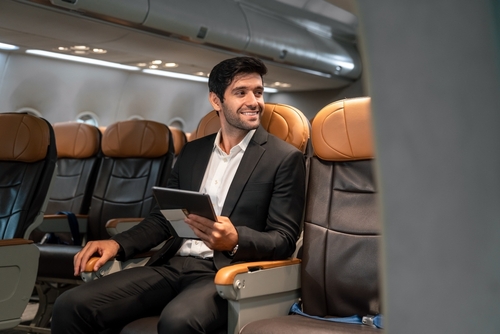
Airline employees and their guests face stricter expectations. If you’re using a buddy pass or traveling standby, business casual attire is typically required. This means:
- Collared shirts or blouses
- Long pants or appropriate-length skirts
- Closed-toe shoes
- No torn or heavily distressed clothing
These policies maintain the airline’s professional image when staff representatives travel.
First Class vs. Economy
Despite popular belief, airlines don’t enforce different dress codes by cabin class. First class passengers aren’t required to dress more formally than those in economy.
That said, premium cabins sometimes attract passengers who choose to dress more formally out of personal preference or business travel norms.
International Cultural Considerations
When flying to or transiting through certain countries, consider local cultural standards:
- Some Middle Eastern destinations expect modest clothing covering shoulders and knees
- Conservative countries may frown upon revealing attire even in airports
- Religious sites near your destination might have specific requirements
Respecting these norms avoids complications during your journey and shows consideration for local customs.
What Should You Wear on a Plane?
Comfort Factors
Long flights demand comfortable clothing. Consider:
- Breathable fabrics like cotton or moisture-wicking materials
- Layers you can add or remove as cabin temperature fluctuates
- Loose-fitting clothes that won’t restrict circulation during extended sitting
- Compression socks for longer flights to reduce swelling
Safety Considerations
Your outfit affects your safety during emergencies:
- Closed-toe shoes protect your feet during evacuations
- Natural fabrics are less likely to melt in fire situations than synthetics
- Minimal jewelry reduces snagging risks and speeds up movement
- Secure footwear stays on better than slip-ons if you need to evacuate quickly
Security Screening Tips
Make airport security easier with smart clothing choices:
- Avoid excessive metal buttons, zippers, or embellishments
- Wear easy-to-remove shoes instead of complicated boots
- Skip belts with large buckles
- Keep pockets empty to avoid extra screening
Can Airlines Legally Remove You From a Flight for Clothing?
Yes. Airlines have broad legal authority under their Conditions of Carriage. When you purchase a ticket, you agree to these terms, which include following crew instructions and meeting conduct standards.
Your Passenger Rights
If denied boarding for clothing reasons:
- Ask for specific policy clarification
- Request to speak with a supervisor
- Document the interaction if you believe it’s discriminatory
- Request a refund or rebooking options
Most airlines will offer alternatives like covering up with a jacket or changing into different clothes if available.
When to Challenge a Decision
If you believe you were treated unfairly:
- File a complaint with the airline’s customer service
- Contact the Department of Transportation (DOT) for U.S. flights
- Document everything, including photos of your outfit and witness statements
- Consider whether discrimination factors might be involved
Legitimate grievances deserve attention, but frivolous disputes rarely succeed.
Common Myths vs. Reality
|
Myth |
Reality |
|---|---|
|
Airlines have strict formal dress codes |
Most don’t publish formal policies for regular passengers |
|
You must dress business casual |
Not required for standard tickets |
|
Flip-flops are banned on all flights |
Generally allowed, though closed-toe shoes are safer |
|
First class requires formal attire |
No different standards by cabin class |
|
Airlines can remove you for any outfit they dislike |
Removal must relate to safety, offense, or disruption |
Frequently Asked Questions (FAQs)
Can you wear pajamas on a plane?
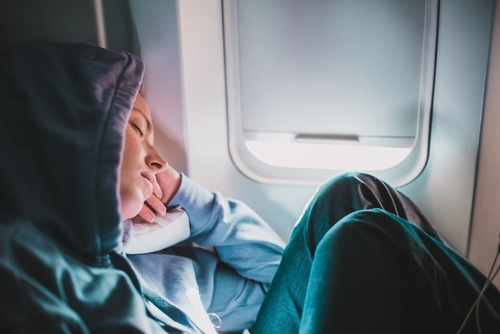
Yes, pajama-style clothing is generally allowed unless it’s revealing or inappropriate. Many passengers wear comfortable loungewear, especially on long-haul flights. Just ensure your outfit provides adequate coverage.
Can you fly barefoot?
Most airlines prohibit bare feet for safety and hygiene reasons. Wear socks, slippers, or shoes during your flight. This rule protects you during emergencies and respects fellow passengers’ comfort.
Can you wear political clothing on a plane?
It depends. While political messages aren’t automatically banned, airlines can deny boarding if they determine your clothing might cause disruption. Crew members have discretion to make these calls.
Can airlines deny boarding for leggings?
Standard leggings are typically fine for regular passengers. The viral incidents involving leggings occurred with passengers traveling on staff passes, which have stricter dress codes. Regular ticket holders rarely face issues with leggings.
What happens if I’m asked to change and refuse?
Refusing crew instructions can result in denied boarding with no refund. Airlines might also ban you from future flights. It’s usually better to comply and file a complaint later if you feel the request was unreasonable.
Do children have different dress code standards?
Generally, yes. Airlines apply more lenient standards to young children, recognizing that kids’ clothing choices differ from adults. However, parents should still ensure their children’s outfits provide appropriate coverage.