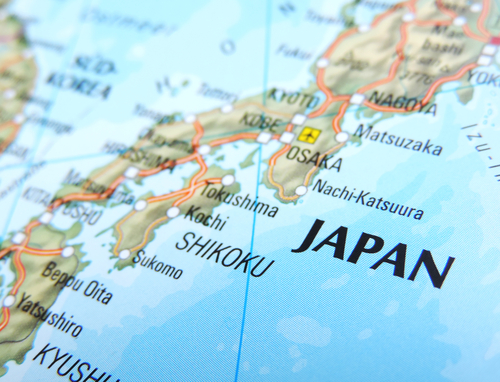

Japan is often defined by its neon-lit capital, Tokyo, or the ancient temples of Kyoto. However, the country offers so much more than just these two famous cities. Stretching from the snowy wilderness of the north to the tropical beaches of the south, Japan is a diverse archipelago divided into 47 distinct regions known as prefectures.
Each prefecture holds its own unique identity, dialect, culinary traditions, and history. For travelers, understanding these divisions is the key to unlocking a deeper, more authentic experience. Whether you want to ski world-class powder, hike through ancient cedar forests, or relax on white sand beaches, knowing your geography will help you plan the perfect itinerary.
This guide breaks down every prefecture by region, helping you understand what makes each one special.
What are Japan’s prefectures?
Japan has 47 prefectures, which are the primary administrative divisions of the country. These prefectures are grouped into eight traditional regions: Hokkaido, Tohoku, Kanto, Chubu, Kansai, Chugoku, Shikoku, and Kyushu (including Okinawa). Think of them similarly to states in the US or provinces in Canada, each with its own local government and capital city.
List of All 47 Prefectures of Japan by Region
To help you get your bearings, here is a quick reference guide to every prefecture, its capital, and what makes it famous.
|
Region |
Prefecture |
Capital |
Known For |
|---|---|---|---|
|
Hokkaido |
Hokkaido |
Sapporo |
Snow festivals, skiing, seafood, dairy |
|
Tohoku |
Aomori |
Aomori |
Nebuta Festival, apples, heavy snowfall |
|
Iwate |
Morioka |
Rugged coastlines, wanko soba noodles |
|
|
Miyagi |
Sendai |
Matsushima Bay, gyutan (beef tongue) |
|
|
Akita |
Akita |
Akita dogs, onsens, rice farming |
|
|
Yamagata |
Yamagata |
Cherries, Zao ski resort, mountains |
|
|
Fukushima |
Fukushima |
Aizu-Wakamatsu samurai history, fruit |
|
|
Kanto |
Ibaraki |
Mito |
Kairakuen Garden, natto (fermented beans) |
|
Tochigi |
Utsunomiya |
Nikko shrines, gyoza dumplings |
|
|
Gunma |
Maebashi |
Kusatsu Onsen, mountains, wheat |
|
|
Saitama |
Saitama |
Kawagoe (Little Edo), railway museum |
|
|
Chiba |
Chiba |
Narita Airport, Tokyo Disney Resort, peanuts |
|
|
Tokyo |
Tokyo (Shinjuku) |
Capital city, global business, pop culture |
|
|
Kanagawa |
Yokohama |
Yokohama Chinatown, Kamakura Buddha |
|
|
Chubu |
Niigata |
Niigata |
Premium rice, sake, ski resorts |
|
Toyama |
Toyama |
Tateyama Kurobe Alpine Route, seafood |
|
|
Ishikawa |
Kanazawa |
Kenrokuen Garden, gold leaf crafts |
|
|
Fukui |
Fukui |
Dinosaur museum, Eiheiji Temple |
|
|
Yamanashi |
Kofu |
Mt. Fuji views, grapes, wine |
|
|
Nagano |
Nagano |
1998 Olympics, Matsumoto Castle, alps |
|
|
Gifu |
Gifu |
Shirakawa-go historic village |
|
|
Shizuoka |
Shizuoka |
Mt. Fuji views, green tea, Izu Peninsula |
|
|
Aichi |
Nagoya |
Toyota HQ, Nagoya Castle, miso dishes |
|
|
Kansai |
Mie |
Tsu |
Ise Grand Shrine, pearls, Matsusaka beef |
|
Shiga |
Otsu |
Lake Biwa, Hikone Castle |
|
|
Kyoto |
Kyoto |
Ancient temples, geisha culture, history |
|
|
Osaka |
Osaka |
Street food (takoyaki), comedy, nightlife |
|
|
Hyogo |
Kobe |
Himeji Castle, Kobe beef, port city vibes |
|
|
Nara |
Nara |
Todaiji Temple, friendly bowing deer |
|
|
Wakayama |
Wakayama |
Kumano Kodo pilgrimage trails |
|
|
Chugoku |
Tottori |
Tottori |
Sand dunes, pears, manga artists |
|
Shimane |
Matsue |
Izumo Taisha Shrine, sunsets |
|
|
Okayama |
Okayama |
Korakuen Garden, peaches, denim |
|
|
Hiroshima |
Hiroshima |
Peace Memorial Park, Miyajima shrine |
|
|
Yamaguchi |
Yamaguchi |
Akiyoshidai cave, Kintaikyo Bridge |
|
|
Shikoku |
Tokushima |
Tokushima |
Awa Odori dance festival, whirlpools |
|
Kagawa |
Takamatsu |
Udon noodles, Ritsurin Garden |
|
|
Ehime |
Matsuyama |
Dogo Onsen, citrus fruits |
|
|
Kochi |
Kochi |
Katsurahama beach, Sakamoto Ryoma history |
|
|
Kyushu |
Fukuoka |
Fukuoka |
Ramen, nightlife, gateway to Asia |
|
Saga |
Saga |
Pottery (Arita/Imari), balloon festival |
|
|
Nagasaki |
Nagasaki |
Peace Park, European influence, islands |
|
|
Kumamoto |
Kumamoto |
Kumamoto Castle, Mt. Aso volcano |
|
|
Oita |
Oita |
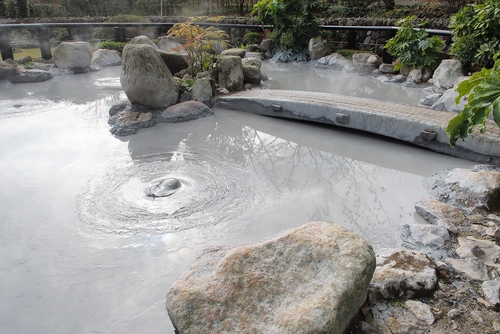
Beppu and Yufuin hot springs |
|
|
Miyazaki |
Miyazaki |
Mangoes, surfing, Takachiho Gorge |
|
|
Kagoshima |
Kagoshima |
Sakurajima volcano, Kurobuta pork |
|
|
Okinawa |
Okinawa |
Naha |
Tropical beaches, Ryukyu kingdom culture |
Japan’s 8 Traditional Regions
While the 47 prefectures are the official administrative bodies, they are geographically grouped into eight regions. These regions aren’t official political units, but they are used constantly in weather reports, travel guides, and cultural conversations. Understanding the regions helps you understand the climate and the “vibe” of the area you are visiting.
Hokkaido Region
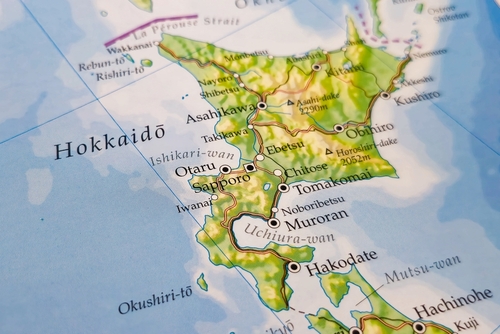
Hokkaido is unique because it is both a region and a single prefecture. It is Japan’s northernmost island, known for its vast, untamed wilderness.
Hokkaido Prefecture
- Capital: Sapporo
- Best Time to Visit: Winter for snow sports; Summer for flower fields and mild weather.
- Highlight: The Sapporo Snow Festival creates massive ice sculptures that take over the city every February.
- Travel Insight: Unlike the rest of Japan, Hokkaido has a frontier history and very few ancient temples. It is the place to go for road trips, camping, and fresh dairy products.
Tohoku Region
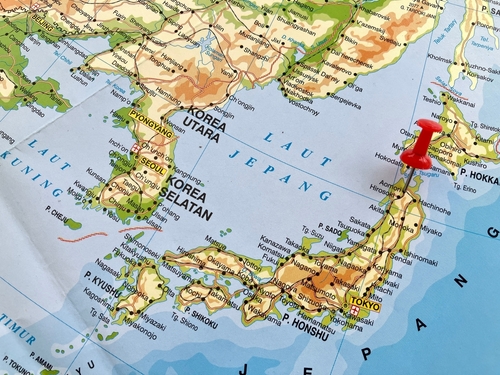
Located on the northern tip of Japan’s main island (Honshu), Tohoku is known for its deep winters, rustic hot springs, and warm hospitality.
Aomori
- Capital: Aomori
- Highlight: The Nebuta Matsuri, a summer festival featuring massive, illuminated paper floats.
- Travel Appeal: Incredible apple orchards and fresh seafood markets.
Iwate
- Capital: Morioka
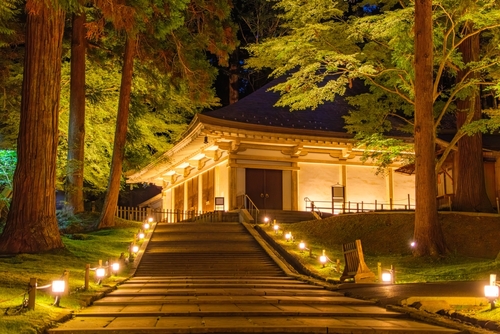
- Highlight: Chuson-ji Temple, a golden hall that rivals Kyoto’s Golden Pavilion.
- Fun Fact: Famous for “Wanko Soba,” a dining challenge where you eat endless small bowls of noodles.
Miyagi
- Capital: Sendai
- Highlight: Matsushima Bay, traditionally ranked as one of Japan’s three most scenic views.
- Cultural Note: The region is recovering beautifully from the 2011 earthquake and welcomes visitors warmly.
Akita
- Capital: Akita
- Highlight: The Namahage festival, where locals dress as demons to scare lazy children.
- Travel Appeal: Home to the deepest lake in Japan, Lake Tazawa.
Yamagata
- Capital: Yamagata
- Highlight: Ginzan Onsen, a hot spring town that looks like it came straight out of a Ghibli movie.
- Fun Fact: Known as the “Kingdom of Cherries” for its fruit production.
Fukushima
- Capital: Fukushima
- Highlight: Ouchi-juku, a preserved post town with thatched-roof buildings.
- Travel Appeal: Aizu-Wakamatsu castle and samurai history.
Kanto Region
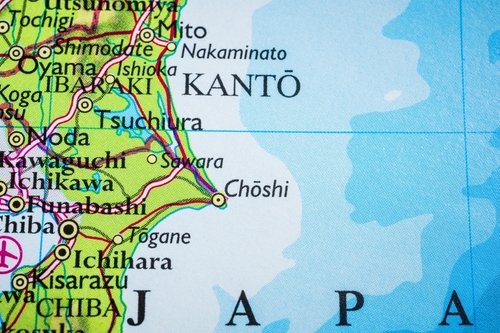
This is the most populous region, home to the Greater Tokyo Area. It is the engine of Japan’s economy and modern culture.
Tokyo
- Capital: Tokyo (Shinjuku)
- Highlight: Senso-ji Temple in Asakusa and the Shibuya Crossing.
- Travel Appeal: The perfect mix of ultra-modern neon streets and quiet, hidden shrines.
Kanagawa
- Capital: Yokohama
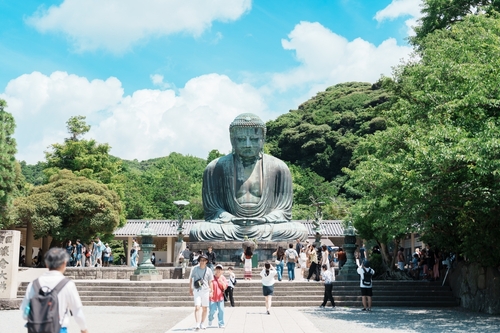
- Highlight: The Great Buddha of Kamakura and the Hakone hot springs.
- Cultural Note: Yokohama has a distinct international flair due to its history as a port city.
Chiba
- Capital: Chiba
- Highlight: Tokyo Disney Resort (yes, it’s actually in Chiba, not Tokyo!).
- Travel Appeal: Narita Airport is here, but the coastlines offer great surfing.
Saitama
- Capital: Saitama
- Highlight: Kawagoe, a town known as “Little Edo” for its preserved warehouse district.
- Fun Fact: One of the main settings for the anime My Neighbor Totoro.
Ibaraki
- Capital: Mito
- Highlight: Hitachi Seaside Park, famous for its blue nemophila flowers in spring.
- Cultural Note: Famous for Natto, a fermented soybean dish that divides opinions.
Tochigi
- Capital: Utsunomiya
- Highlight: Nikko Toshogu Shrine, the lavish mausoleum of the shogun Tokugawa Ieyasu.
- Travel Appeal: Spectacular autumn leaves and waterfalls.
Gunma
- Capital: Maebashi
- Highlight: Kusatsu Onsen, one of Japan’s most famous hot spring resorts.
- Fun Fact: The setting for the racing manga Initial D.
Chubu Region
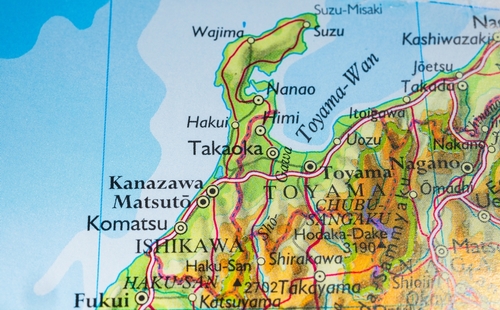
Located in central Japan, this region is dominated by the Japanese Alps. It features rugged mountains and historic post towns.
Niigata, Toyama, Ishikawa, Fukui (Hokuriku Area)
- Highlights: Kanazawa in Ishikawa is often called “Little Kyoto” for its geisha districts. Niigata produces some of the world’s best rice and sake. Fukui is home to one of the world’s best dinosaur museums.
Yamanashi, Nagano (Koshinetsu Area)
- Highlights: Yamanashi is the best place to view Mt. Fuji. Nagano hosted the Winter Olympics and is home to the famous snow monkeys that bathe in hot springs.
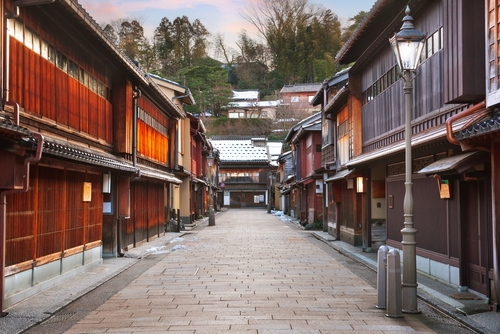
Gifu, Shizuoka, Aichi (Tokai Area)
- Highlights: Gifu features the Shirakawa-go thatched-roof village (UNESCO site). Shizuoka is the capital of green tea. Aichi is an industrial hub and home to Nagoya.
Kansai (Kinki) Region
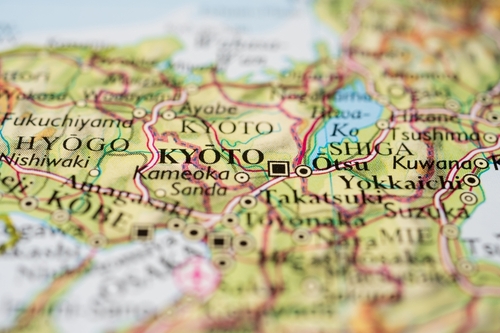
Kansai is the cultural and historical heart of Japan. The people here are known for being more outgoing and humorous than in Tokyo.
Kyoto
- Capital: Kyoto
- Highlight: Fushimi Inari Taisha (the 10,000 gates) and Kinkaku-ji (Golden Pavilion).
- Travel Appeal: The best place to experience traditional Japan, tea ceremonies, and temples.
Osaka
- Capital: Osaka
- Highlight: Dotonbori entertainment district and Universal Studios Japan.
- Cultural Note: The nation’s kitchen. You must try takoyaki (octopus balls) and okonomiyaki (savory pancakes).
Nara
- Capital: Nara
- Highlight: Todaiji Temple, housing a giant Buddha statue.
- Fun Fact: More than 1,000 wild deer roam Nara Park and will bow to you for crackers.
Hyogo
- Capital: Kobe
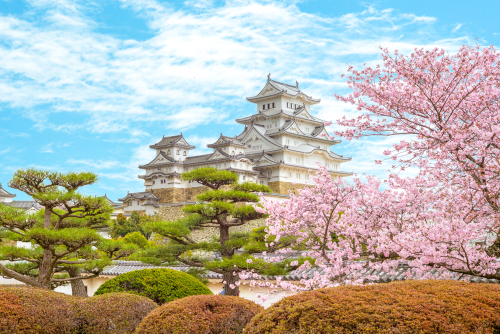
- Highlight: Himeji Castle, the finest surviving example of Japanese castle architecture.
- Travel Appeal: Famous for high-quality Kobe beef.
Shiga, Wakayama, Mie
- Highlights: Shiga holds Lake Biwa, Japan’s largest lake. Wakayama is a spiritual center with the Kumano Kodo pilgrimage trails. Mie is home to the Ise Grand Shrine, the most sacred Shinto shrine in Japan.
Chugoku Region
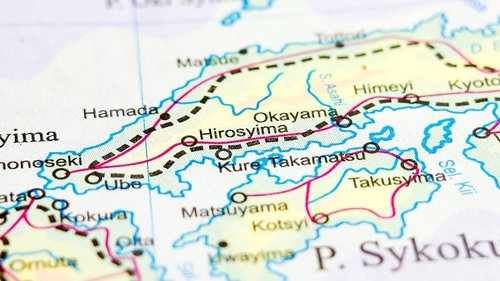
The western tip of Honshu, this region is quieter and filled with myths and history.
Hiroshima
- Capital: Hiroshima
- Highlight: The Peace Memorial Park and the floating torii gate of Miyajima.
- Travel Appeal: A city of peace with a vibrant food scene.
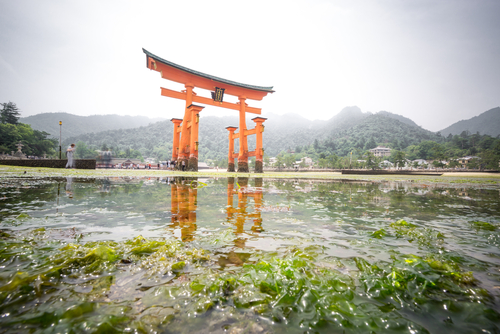
Okayama, Shimane, Tottori, Yamaguchi
- Highlights: Tottori is famous for its massive sand dunes. Shimane houses Izumo Taisha, one of the oldest shrines. Okayama is the “Land of Sunshine” and sweet fruits.
Shikoku Region
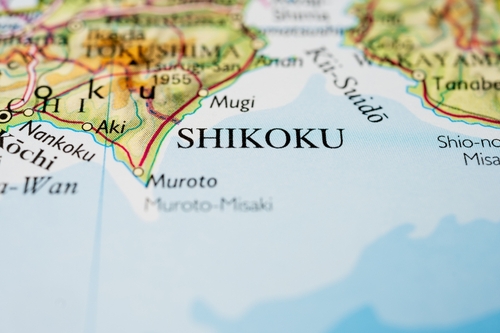
The smallest of the four main islands, Shikoku is famous for its 88-temple pilgrimage.
Tokushima, Kagawa, Ehime, Kochi
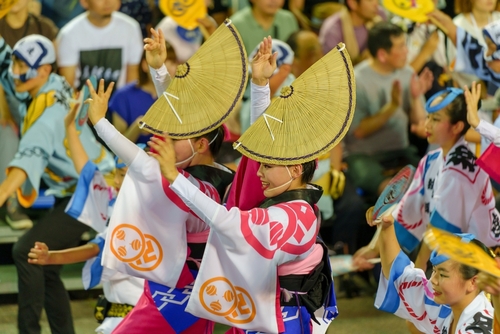
- Highlights: Kagawa is the “Udon Kingdom.” Ehime has Dogo Onsen, said to be the inspiration for Spirited Away. Tokushima hosts the Awa Odori, the biggest dance festival in Japan.
Kyushu Region (Including Okinawa)
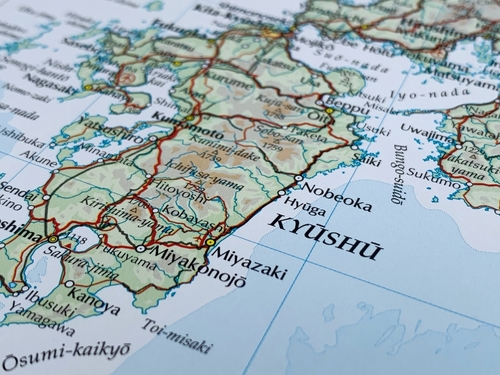
The southern region is known for active volcanoes, hot springs, and a distinct, warm culture.
Fukuoka
- Capital: Fukuoka
- Highlight: The Yatai (street food stalls) along the river.
- Travel Appeal: Famous for Tonkotsu (pork broth) ramen.
Saga, Nagasaki, Kumamoto, Oita, Miyazaki, Kagoshima
- Highlights: Nagasaki has a unique Dutch and Portuguese history. Oita is the hot spring capital of Japan (Beppu). Kagoshima is overlooked by the active volcano Sakurajima.
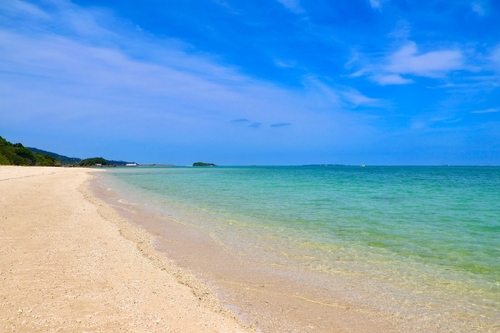
Okinawa Prefecture
- Capital: Naha
- Highlight: Stunning coral reefs and the Churaumi Aquarium.
- Cultural Note: Once an independent kingdom called Ryukyu, Okinawa has a culture, food, and architecture distinct from mainland Japan.
What Is a Prefecture in Japan?
You might notice that in Japanese, prefectures have different suffixes: To, Do, Fu, and Ken.
- To (Tokyo-to): Designated as a “metropolis.”
- Do (Hokkai-do): Designated as a “circuit” or “territory.”
- Fu (Osaka-fu and Kyoto-fu): Designated as “urban prefectures.”
- Ken (The other 43): Standard rural prefectures.
This system was established during the Meiji Restoration in the late 19th century to replace the old feudal domain system run by samurai lords. Today, it helps organize local government, police, and schools.
Top 10 Most Visited Prefectures
If you are a first-time visitor, you will likely spend time in these popular spots:
- Tokyo: The main entry point and cultural hub.
- Kyoto: The historical capital.
- Osaka: The food and entertainment capital.
- Hokkaido: For nature lovers and skiers.
- Okinawa: For beachgoers.
- Kanagawa: Easy day trips from Tokyo.
- Chiba: For Disney Resort.
- Fukuoka: The gateway to the south.
- Hiroshima: For history and peace tourism.
- Nara: For ancient history and deer.
Lesser-Known Prefectures Worth Visiting
Want to escape the crowds? Try these:
- Tottori: Visit the stunning sand dunes and ride camels.
- Shimane: Experience deep mythology and stunning sunsets at Lake Shinji.
- Kochi: Enjoy pristine rivers and the authentic Sunday markets.
- Akita: explore deep snow country and rustic hot springs.
Frequently Asked Questions About Japan’s Prefectures
How many prefectures are in Japan?
Japan has 47 prefectures.
What is the largest prefecture in Japan?
Hokkaido is the largest by land area, taking up a significant portion of the country’s total size.
What is the smallest prefecture?
Kagawa, located on Shikoku island, is the smallest prefecture by land area.
What is the most populated prefecture?
Tokyo is the most populated, serving as the center of the Greater Tokyo Area.
Are regions the same as prefectures?
No. Regions (like Kanto or Kansai) are cultural and geographical groupings, while prefectures are the official government administrative units.
Discover the Real Japan
Exploring Japan goes far beyond the city limits of Tokyo. From the drift ice of Hokkaido to the coral reefs of Okinawa, every one of the 47 prefectures offers a new adventure. We hope this guide helps you feel more confident in stepping off the beaten path and discovering the incredible diversity this country has to offer.