

Key Highlights
- Romance scams are getting more advanced. Scammers now use artificial intelligence to make fake profiles and even fake video calls.
- These scammers know how to manipulate people’s feelings. They often use tactics like love bombing and creating a sense of urgency to trick people.
- Always be careful with online profiles that seem too perfect, especially if they lack details or have strange inconsistencies.
- Be cautious when sharing personal information online. Never send money or gift cards to someone you have only met online.
- Learn about common red flags. Know how to check identities and how to report suspected scams. This will help keep you and others safe.
In today’s world, looking for love online is very popular. But this new way to meet people has also brought a big problem: romance scams. These scams happen on dating apps and social media. They target people who want to find a connection. It’s important to know the red flags to keep your heart and money safe.
Understanding Romance Scams in 2026
A romance scam is a type of scam where scammers make fake profiles to form online relationships with people. Their main goal is to steal money from their victims. These scams can happen not just on dating sites but also on social media, online games, and even professional networking sites.
Scammers are skilled at gaining trust and using their victims’ feelings against them. They often come up with detailed stories, use pictures from real profiles, and charm their victims to make them feel safe.
The Evolution of Romance Scams Over the Years
In recent years, romance scams have become very concerning. They are now more advanced than before. This change is mainly due to new technologies, especially artificial intelligence.
Generative AI helps scammers make very realistic fake profiles. They can create attractive pictures and perfect messages. This makes it tough for anyone to tell which profiles are real and which are fake. Also, deepfake technology has made video calls less dependable for verification.
Why Romance Scams are Increasingly Successful
Romance scams continue to be a significant concern. Several factors may contribute to their effectiveness, including the widespread use of social media. People share a lot of personal information online. This gives scammers a lot of data to create believable stories.
The search for love and companionship online also makes people more open to being tricked. Scammers take advantage of feelings like loneliness and the desire for connection. They play on the hope for a real relationship. Together, these factors help romance scams to thrive.

Identifying the Red Flags of Romance Scams
Knowing the common warning signs of romance scams is very important for keeping yourself safe in online dating. Scammers are getting smarter with their tricks, but there are still many red flags to watch for. By noticing these warning signs, you can help avoid heartbreak and losing money.
If something doesn’t feel right about an online chat, trust your gut. It’s best to be careful.
Too Good to Be True Profiles
One clear sign of a romance scam is a profile that seems too good to be true. Scammers make fake profiles with flashy photos and interesting bios to grab your attention fast. However, if you look carefully, you might spot inconsistencies or missing details.
Watch for differences between what their profile says and what they share. For example, their age, location, or job might not match what they said earlier.
If you see a profile that seems too perfect, try doing an image search of their photos. This can show if their pictures are stolen from someone else. Keep in mind, while an attractive profile might be real, too much flattery, grand claims, and missing personal details should act as red flags.
Love Bombing and Isolation
Romance scams often use a trick called “love bombing.” This is when someone showers you with too much love, compliments, and sweet words early in the relationship. It can feel nice to get this kind of attention, but be careful. This quick display of affection is meant to confuse you and make you feel close to them too soon.
Watch out for people who say they love you very fast, especially if you haven’t met in person. Scammers often want to hurry things along. They might suggest moving the chat from the dating app or social media platform to more personal methods, like text message or email.
Along with love bombing, scammers may try to isolate you. They might want to keep you away from friends and family who are worried about your relationship. They can also tell you not to talk to others about your bond, saying it’s something special that most people don’t get.
This isolation makes you depend more on the scammer for emotional support. This, in turn, makes you easier to manipulate. By knowing these tricks, you can stay more cautious. You can protect yourself from emotional manipulation.
Requests for Money or Financial Information
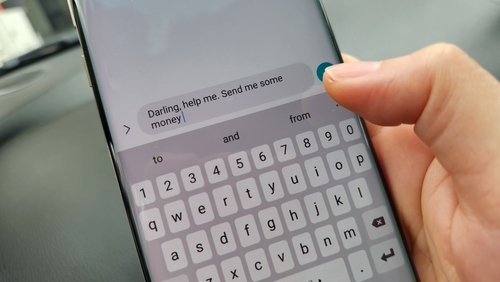
The main goal of romance scammers is to make money. Once they think they have gained your trust, they may create a story to ask for money or personal information. These requests can look believable at first.
Common tricks include:
- Claiming an urgent financial crisis: They might make up a story about a medical issue, legal problem, or business challenge that needs quick financial help.
- Asking for travel costs: They might say they want to meet you but can’t pay for the travel, so they ask for your support.
- Offering a great investment chance: They may try to attract you with an investment opportunity that sounds too good to be true and want you to invest right away.
Be very careful if someone you met online asks you to send money or gift cards. Never give out personal information like your bank account number, credit card details, or social security number to someone you haven’t met in person and don’t know well.
Be careful of any urgent requests, especially when it comes to money. A real person would understand that you need time to think it over. Always talk to a trusted friend, family member, or financial advisor before you decide on anything under pressure.
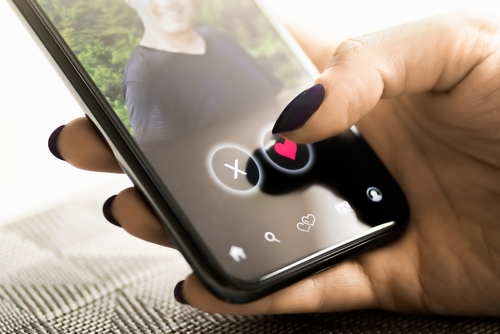
Protective Measures to Safeguard Your Heart and Wallet
While knowing common red flags is important for your safety, it’s also essential to take steps to protect yourself when dating online. Adding some safety strategies to your online dating plan can greatly lower your risk.
Keep in mind that online dating sites are meant to bring people together. Many honest individuals are looking for real connections. By using safety measures, you can feel more sure and calm as you explore the online dating world.
Verifying Identities and Online Profiles
Taking steps to check the identity of someone you meet online is very important. This is especially true if you have not met them in person. It can help protect you from romance scams. Scammers are getting smarter, but there are ways to reveal any trickery.
Here are some ways to check someone’s identity online:
- Do thorough research: Look up information using search engines, social media, and public records. If their information is inconsistent or too limited, this is a warning sign.
- Ask for a video call: While video calls are not completely safe because of deepfake videos, they can give you some visual clues. Watch for any odd changes in how they look or act.
- Reverse image search: Use search engines to do a reverse image search of their profile pictures. This can help you find out if their pictures come from another source.
If you feel unsure about someone you are talking to online, trust your instincts and be careful.
Setting Boundaries in Online Relationships
Setting clear boundaries is important when dating online, particularly to protect yourself from scams. Be cautious about how quickly a relationship progresses and what information is shared early on. Pressure to move fast or ignore your comfort level can be an early warning sign.
Be careful when sharing personal information, especially about your finances. Try to avoid discussing money matters, giving out your full name, or sharing any sensitive documents until you have met in person and discussed the new relationship with family and friends. Watch out for people who push you for this kind of information or try to gain control over your finances.A real person who wants a healthy relationship will honor your boundaries and understand why you are being careful.
Frequently Asked Questions (FAQs)
How do I report a suspected romance scam?
The Federal Trade Commission collects scam reports and partners with over 2,800 law enforcement groups to investigate scammers and help prevent future scams. You can report to the FTC by visiting ReportFraud.ftc.gov. It is also important to report the scam to the social media site, dating app, or online game where you met the scammer.
What should I do if I’ve already shared personal information with a scammer?
If you have shared personal information such as your credit card details, login information, or banking info, reach out to your bank and credit card companies right away. Let them know what happened. You can also visit our fraud and scam victim resource guide for additional guidance and next steps.