
English (US) – Page 80

What Is a Finfluencer? A Complete Guide to Financial Influencers

Learn what a finfluencer is, how they make money, and if you should trust their financial advice. A clear guide for everyday investors.

English (US)

Scrolling through social media often means seeing videos about budgeting, buying stocks, or trading cryptocurrency. Many creators on TikTok, YouTube, and Instagram now share daily tips on managing money. This trend makes financial advice highly accessible for younger investors and anyone looking to grow their savings or start a side hustle.

These creators are known as “finfluencers,” a simple combination of the words financial and influencer. They blend personal finance topics with engaging social media content.

Managing your money is an important responsibility. Relying on social media for financial guidance comes with helpful benefits and serious risks. This guide will explain exactly what a finfluencer is, how they earn money, and how you can safely evaluate their advice to protect your financial future.

What Is a Finfluencer?
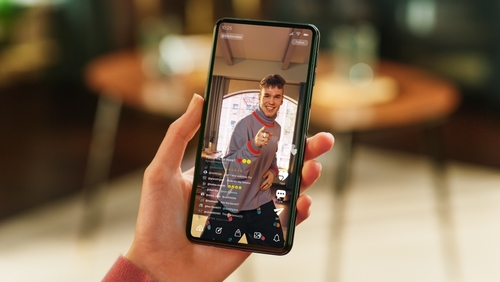
A finfluencer is a digital creator who uses social media platforms to share information and advice about money. They take complex financial topics and turn them into short, engaging posts or videos.

Finfluencers create a wide variety of content. Common topics include:

  • Budgeting tips: How to track spending and save money on daily expenses.
  • Investing advice: Guides on buying stocks, index funds, and retirement planning.
  • Debt payoff strategies: Methods for clearing credit card debt and student loans.
  • Crypto and trading insights: Updates on cryptocurrency markets and day trading techniques.

You will find these creators thriving on platforms like TikTok, YouTube, Instagram, and X (formerly Twitter). Many also share deeper insights through regular email newsletters.

The Rise of Finfluencers

People historically relied on traditional financial advisors or banks for money management strategies. That landscape shifted dramatically with the rise of digital creators.

Accessibility drives this change. Traditional financial advice often requires high minimum balances or expensive hourly fees. Finfluencer content is free and available directly on your phone.

A massive surge in retail investing occurred during the pandemic. Millions of people opened brokerage apps and looked online for guidance. Social media algorithms quickly amplified this financial content, connecting curious beginners with confident creators.

Types of Finfluencers

Different creators have different goals. You can generally group them into four distinct categories:

Educational Creators

These individuals focus strictly on financial literacy. They explain how taxes work, how to read a credit report, and the basics of compound interest. Their intent is to teach, and their credibility often comes from professional backgrounds in accounting or finance.

Lifestyle Finance Influencers

These creators share their personal money journeys. They focus on budgeting, aggressive saving, frugal living, or minimalism. They often share monthly budget breakdowns. Their content is highly relatable and practical for everyday living.

Investment-Focused Influencers

These finfluencers discuss building wealth through the stock market, exchange-traded funds (ETFs), and real estate. They analyze market trends and share their portfolio updates.

High-Risk Trading Personalities

Some creators focus on high-risk, high-reward strategies. They promote day trading, options trading, and cryptocurrency hype. This category requires the most caution, as the content often prioritizes entertainment and extreme wealth claims over safe financial planning.

How Finfluencers Make Money

Understanding how creators get paid is essential for trusting their content. Producing high-quality videos takes time, and most finfluencers monetize their platforms in several ways.

  • Sponsorships and brand deals: Financial companies pay creators to promote their apps, banks, or services.
  • Affiliate links: Creators provide a special link to a brokerage or credit card company. They earn a commission when you sign up using that link.
  • Selling courses or memberships: Many finfluencers sell digital courses teaching you how to budget or invest. They may also host paid private communities.
  • Ad revenue: Platforms like YouTube and personal blogs pay creators a share of the revenue generated by ads shown on their content.

These income streams can create potential conflicts of interest. A creator might recommend a specific investing app simply because it pays the highest affiliate commission, not because it is the best tool for you.

The Pros of Following Finfluencers

Finfluencers provide distinct advantages for everyday consumers. They make finance highly approachable and far less intimidating than traditional banking resources.

Their bite-sized, digestible content fits easily into your daily routine. Watching a 60-second video on budgeting is easier than reading a thick financial textbook.

This content is also deeply motivational. Seeing a normal person pay off massive student loan debt can inspire you to tackle your own financial hurdles. For beginners, finfluencers serve as a great introduction to building healthy financial habits.

The Risks and Downsides

Social media financial advice also carries significant risks. Misinformation spreads quickly online. Many complex topics are oversimplified to fit into short videos, leaving out crucial tax implications or risk factors.

A major concern is the lack of qualifications. Anyone can call themselves a finfluencer. Many lack formal financial education or regulatory oversight.

You should also watch out for “get rich quick” narratives. Building wealth takes time and discipline. Promises of guaranteed massive returns are often misleading. Additionally, a finfluencer provides one-size-fits-all advice. What works for a single person living in a low-cost city might be disastrous for a family of four with a mortgage.

Are Finfluencers Regulated?

Financial regulations exist to protect consumers. Agencies like the Securities and Exchange Commission (SEC) and the Federal Trade Commission (FTC) enforce strict rules regarding financial advice and advertising.

Finfluencers must follow FTC guidelines by clearly disclosing paid partnerships. You will often see tags like #ad or #sponsored on their posts.

However, a large gray area exists between “financial education” and “financial advice.” Providing specific, tailored investment advice requires a license. Most finfluencers protect themselves by stating their content is strictly for “educational and entertainment purposes.” This means you, the consumer, carry the risk if you act on their general guidance.

How to Evaluate a Finfluencer

Protect your money by thinking critically about the content you consume. Use this practical checklist to evaluate any financial creator:

  • Do they cite credible sources? Good creators back up their claims with data from reputable financial institutions or government agencies.
  • Are they transparent about sponsorships? Trustworthy influencers clearly state when they are being paid to talk about a product.
  • Do they explain risks? Reliable advice includes a clear discussion of what you could lose, not just what you could gain.
  • Do they have relevant credentials? Check if the creator holds any certifications, like a Certified Financial Planner (CFP) designation or a degree in finance.
  • Are their claims realistic? If a creator promises you will double your money in a week, walk away.

Finfluencer vs. Financial Advisor: What’s the Difference?

Understanding the difference between a social media creator and a professional advisor is crucial.

A licensed financial advisor often acts as a fiduciary. This means they are legally required to put your financial best interests ahead of their own profits. They look at your entire financial picture—income, debts, family size, and goals—to create a highly personalized plan.

A finfluencer provides general content designed to reach the widest audience possible. They do not know your personal risk tolerance or timeline.

Financial advisors cost money, either through a flat fee or a percentage of the assets they manage. Finfluencers provide free content. Use finfluencers to learn broad concepts, but consult a qualified professional when making major life decisions.

Should You Trust Finfluencers?

You can find value in financial social media content if you approach it with a balanced perspective. Finfluencers are not all good, and they are not all bad.

The best way to use them is as a starting point for learning. Let a finfluencer introduce you to the concept of an index fund or a high-yield savings account. Then, log off social media and do your own independent research using trusted financial websites. Never use a social media post as the sole reason to buy a stock or make a major financial move.

Frequently Asked Questions (FAQs)

Can finfluencers be held legally liable for bad advice?

It is very difficult to hold a finfluencer liable for financial losses. Because most creators state their content is for educational purposes only, they do not establish a formal advisor-client relationship with their viewers.

How do I know if a financial influencer is a licensed professional?

You can verify a professional’s credentials using free online tools. In the United States, you can use the SEC’s Investment Adviser Public Disclosure (IAPD) website or the FINRA BrokerCheck tool to look up an individual’s licensing status and background.

Why do so many finfluencers talk about the same products?

Many creators talk about the same apps or credit cards because those companies offer highly profitable affiliate programs. A creator might earn a substantial commission every time a viewer signs up using their link. Always verify if a product actually meets your needs before signing up.

Take Control of Your Financial Journey

Finfluencers have permanently changed how people learn about money. They provide an easy, engaging way to understand complex financial topics directly from your smartphone.

However, protecting your money requires careful thought. Evaluate the intent behind the content, check for proper disclosures, and understand the difference between educational videos and personalized advice. Focus on building your own financial literacy and maintaining strong critical thinking skills. Make sure you stay informed and empowered, rather than simply influenced, as you build your financial future.

Sending money to family or friends in South Korea should be a simple process. But when you open your banking app to start a transfer, you might hit a roadblock. The form asks you for a SWIFT code, a bank code, and a branch code. If you have never sent funds to South Korea before, these terms can be confusing.

You might wonder what the difference is between these identifiers. You also need to know exactly which ones apply to your specific transfer. Using the wrong number can cause frustrating delays or even canceled transactions. Knowing the right code guarantees your money arrives safely and on time.

This guide will clear up the confusion. We will explain exactly how the South Korean banking system organizes its codes. You will learn the difference between domestic identifiers and international routing numbers.

By the end of this article, you will know exactly what each code means, when you actually need it, and how to find it quickly.

Overview: The Different Bank Codes Used in South Korea

There is no single “Korean bank code” that applies to every situation. The South Korean financial system relies on a few different identifiers. The code you need depends entirely on where the money is coming from.

Here are the main types of codes you will encounter:

  • Bank code: A short numeric code used specifically for domestic transfers within South Korea.
  • Branch code: A number that identifies the exact local branch where the recipient opened their account.
  • SWIFT/BIC code: An international identifier used for cross-border payments coming into South Korea from another country.

These codes work together to route your funds accurately. Let us look at each one in more detail.

Korean Bank Code (Financial Institution Code)

A Korean bank code is a two- or three-digit number. It identifies a specific financial institution within the country. The Korean financial authorities manage these codes to keep the domestic clearing system organized.

You only use this code for domestic transfers. If you live in South Korea and want to send money from your local bank account to a friend’s local bank account, you will need this number.

Examples of Common Bank Codes

Every bank in South Korea has its own unique financial institution code. Here are a few well-known examples:

  • KB Kookmin Bank: 004
  • Shinhan Bank: 088
  • Woori Bank: 020
  • Hana Bank: 081

When a person makes a local transfer, they usually select the bank name from a dropdown menu. The banking app automatically applies the correct two- or three-digit code.

Branch Codes in South Korea

A branch code identifies the specific physical location of a bank. South Korean banks have hundreds of branches across the country.

Historically, you needed the branch code, the bank code, and the account number to complete a transfer. Today, modern digital banking has made the branch code less critical for everyday personal transfers. The recipient’s account number often contains the necessary routing information. However, some specific business transactions or older banking systems still require you to provide a branch code.

SWIFT/BIC Codes for South Korea

A SWIFT code is an international bank identifier. It is also known as a Bank Identifier Code (BIC). You need a SWIFT code when you send money from outside South Korea to a Korean bank account.

This code tells the global banking network exactly where to send your funds. It is a mandatory requirement for international wire transfers.

Format and Structure

A standard SWIFT code contains 8 to 11 characters. It consists of both letters and numbers. The structure always follows a specific pattern:

  • Bank code: The first four characters are letters identifying the bank.
  • Country code: The next two letters identify the country. For South Korea, this is always “KR”.
  • Location code: The next two characters (letters or numbers) identify the city or region.
  • Branch code (optional): The final three characters identify a specific branch. If the code is only 8 characters long, it refers to the bank’s main headquarters.

Examples

Let us break down a sample SWIFT code for Shinhan Bank in Seoul: SHBKKRSEXXX

  • SHBK: Stands for Shinhan Bank.
  • KR: Stands for South Korea.
  • SE: Stands for Seoul.
  • XXX: Indicates the main headquarters.

How Bank Transfers Work in South Korea

The transfer process changes based on the origin of the funds. Here is a simple breakdown of how the systems operate.

Domestic Transfers

Sending money within South Korea is fast and highly standardized. To complete a local transfer, you typically require:

  • The bank code (or simply selecting the bank’s name)
  • The recipient’s account number
  • The recipient’s full name

Domestic transfers usually process instantly. You can send funds 24 hours a day using online banking or mobile apps.

International Transfers

Sending money from abroad to South Korea involves the global SWIFT network. To complete an international transfer, you typically require:

  • The recipient’s SWIFT/BIC code
  • The recipient’s bank name and address
  • The recipient’s account number
  • The recipient’s full name and address

International transfers take a little longer. Depending on your provider, the funds may take a few hours to a few business days to arrive.

When Do You Need Each Code?

Knowing which code to use simplifies the transfer process. Here is a quick guide to help you decide.

Domestic transfer within Korea:
You need the recipient’s bank code and account number.

International transfer to Korea:
You need the recipient’s SWIFT code and account details. You do not need the domestic two- or three-digit bank code.

Business or payroll payments:
You may require additional identifiers, such as the specific branch code or a corporate registration number, depending on the invoicing requirements.

South Korea vs Other Banking Systems

Banking systems vary widely around the world. Comparing South Korea’s system to others can help clarify why certain codes are necessary.

Korea vs IBAN (Europe)

Many European countries use the International Bank Account Number (IBAN) system. An IBAN combines the country code, bank code, branch code, and account number into one long string of characters.

South Korea does not use the IBAN system. Instead, Korean banks keep the bank identifier and the account number separate.

Korea vs Routing Numbers (US)

In the United States, banks use a nine-digit routing number for domestic transfers. This number identifies the bank and its geographic region.

South Korea handles this differently. They use a short bank code for the institution, and the account number generally handles the rest of the routing.

Korea vs IFSC (India)

India uses the Indian Financial System Code (IFSC) for domestic transfers. This single alphanumeric code identifies both the bank and the specific branch.

South Korea uses multiple, distinct codes depending on whether the transfer is domestic or international.

How to Find South Korean Bank Codes

Finding the right banking code is easy. Here are the most reliable methods:

  • The bank’s official website: Most Korean banks list their SWIFT codes and domestic bank codes clearly on their websites.
  • Online banking platforms: Your recipient can log into their banking app to find their specific account details and routing codes.
  • Asking the recipient: The easiest method is to simply ask the person you are sending money to. They can verify their exact details.
  • SWIFT directory: You can use online SWIFT code lookup tools to verify international codes.
  • Customer support: Call the receiving bank’s customer service line to confirm the correct routing information.

Common Mistakes to Avoid

Errors can delay your transfer or cause it to fail entirely. Watch out for these common mistakes:

  • Using a domestic bank code for an international transfer: The short domestic code will not work for cross-border payments. Always use the SWIFT code.
  • Entering incorrect account numbers: Korean account numbers vary in length. Double-check every digit before sending.
  • Confusing branch codes with bank codes: Ensure you are putting the right number in the right field on your transfer form.
  • Missing required details: Cross-border payments require full names and sometimes addresses. Do not leave mandatory fields blank.

Is It Safe to Share Bank Codes?

You might worry about asking for or sharing banking information. Fortunately, bank codes and SWIFT codes are generally safe to share.

These numbers are strictly used for routing money to an account. They cannot be used to withdraw money or authenticate a login.

However, you must always protect your sensitive information. Never share your PINs, one-time passwords (OTPs), or online banking passwords with anyone.

Frequently Asked Questions

What is a Korean bank code?

A Korean bank code is a two- or three-digit number used to identify a specific financial institution for domestic transfers within South Korea.

Do Korean banks use IBAN?

No, South Korea does not participate in the IBAN system. They use a combination of SWIFT codes and standard account numbers for international transfers.

Is SWIFT required for transfers to Korea?

Yes. If you are sending money from a bank outside of South Korea to a bank inside South Korea, you must provide a valid SWIFT/BIC code.

How many digits is a Korean bank code?

A domestic Korean bank code is typically two or three digits long. A SWIFT code for international transfers is 8 to 11 characters long.

Can I send money without a SWIFT code?

If you use a traditional bank wire transfer, the SWIFT code is mandatory. However, some digital remittance services can deliver funds using just the recipient’s domestic bank code and account number.

Send Money to South Korea with Confidence

South Korea uses a few different banking codes depending on the type of transfer. The rule to remember is simple. Domestic transfers rely on short bank codes and account numbers. International payments require a SWIFT code.

Understanding these differences helps you avoid unnecessary delays. You can send funds securely when you know exactly what information to request from your recipient. Gather the correct details, double-check the numbers, and enjoy a smooth, reliable transfer process every time.

Setting up your life in a new country brings a unique set of challenges. Sending or receiving money in Japan is one of those early hurdles. You might go to pay your rent or receive your first paycheck, only to be asked for a “Zengin code.”

If you are accustomed to international banking, this request might cause some confusion. You probably expect to use a SWIFT code or an IBAN. Instead, you are faced with a completely different local system.

The good news is that Japan’s domestic payment system is highly efficient and secure. Once you understand the basics, managing your money becomes simple. A Zengin code is just a piece of that puzzle.

This guide will explain exactly what this code means and how it formats your banking details. You will learn how to find your code, how to use it for transfers, and how it keeps your money safe.

What Is a Zengin Code?

A Zengin code is a numeric identifier used to identify specific banks and branches in Japan. It acts like a routing number for your money.

This code operates exclusively within the Zengin System, which is Japan’s nationwide funds transfer network. It helps route domestic bank transfers accurately from one account to another. Without this code, local banks cannot process your transaction.

What Is the Zengin System?

The full name of this network is the Zengin Data Telecommunication System. It is operated by the Japanese Bankers Association (JBA).

This network forms the core infrastructure for domestic bank transfers in Japan. It is a highly reliable system that processes millions of transactions every day. The Zengin System handles a variety of everyday financial movements, including:

  • Interbank payments
  • Salary transfers
  • Business transactions
  • Bill payments

How Zengin Codes Are Structured

Understanding the structure of a Zengin code takes the guesswork out of filling out bank forms. The code is broken down into two main parts.

Bank Code (4 digits)

The first part is a four-digit number that identifies the specific financial institution. Every registered bank in Japan has its own unique four-digit code.

Branch Code (3 digits)

The second part is a three-digit number. This identifies the specific branch where the account is held. Even if you opened your account online, you will still be assigned a branch code.

Combined Format

These two codes are typically used together to form a complete Zengin code. The standard format looks like this: XXXX-XXX (Bank code + Branch code).

Example Breakdown

Let us look at a practical example. Suppose your bank code is 0005 (which belongs to Mitsubishi UFJ Bank) and your branch code is 001 (the head office). Your complete Zengin code would be 0005-001. You will enter these numbers when prompted during a transfer.

How Zengin Codes Work in Bank Transfers

Making a bank transfer in Japan is a straightforward process once you have the right details. Here is how the payment flows through the system.

Payment Flow

  1. The sender inputs the bank code, branch code, and account details into an ATM or online banking app.
  2. The Zengin system reads these codes to identify the exact destination bank and branch.
  3. The payment is securely routed through the nationwide network.
  4. The funds are credited to the recipient’s account, often almost instantly.

Required Details

To ensure your transfer goes smoothly, you must have the following information ready:

  • Bank code (4 digits)
  • Branch code (3 digits)
  • Account number (usually 7 digits)
  • Account name (often required in katakana format)

When Do You Need a Zengin Code?

You will use this code frequently while living and working in Japan. It is essential for managing your day-to-day finances. Common situations include:

  • Sending domestic bank transfers to friends or landlords.
  • Providing your details for payroll processing at a new job.
  • Paying local vendors or suppliers for services.
  • Setting up recurring payments for utility bills or gym memberships.

Zengin Code vs SWIFT Code

It is easy to mix up different banking terms. However, Zengin codes and SWIFT codes serve completely different purposes.

A Zengin code is strictly for domestic use within Japan. It identifies a local bank and its specific branch. You only use it for local transfers.

A SWIFT code is for international use. It identifies banks globally and is required for cross-border payments. If you are sending money home from Japan, you will need the recipient’s SWIFT code, not a Zengin code.

Zengin Code vs IBAN

Many European countries rely on the International Bank Account Number (IBAN) system. Japan does not use IBAN at all.

Instead, Zengin codes and account numbers fulfill a similar role domestically. While IBAN is standardized internationally to process global transfers, the Zengin system is country-specific.

How to Find a Zengin Code

Locating your code is easy and takes just a few minutes. You can find it through several reliable methods:

  • Bank’s official website: Most Japanese banks list their branch codes publicly online.
  • Online banking portal: Log into your account or check your banking app. Your branch code is usually displayed next to your account number.
  • Bank branch information pages: You can search a directory of branches for your specific bank.
  • Cash card or passbook: Your bank code and branch code are printed directly on your Japanese bank card and inside your physical passbook.
  • Asking the recipient: If you are sending money, simply ask the person or business for their bank and branch codes.

Common Mistakes to Avoid

A small error can delay your transfer or cause it to bounce back. Keep these common pitfalls in mind to ensure your money arrives on time:

  • Mixing up the four-digit bank code and the three-digit branch code.
  • Entering incorrect digits or missing a number.
  • Using outdated branch information if a bank has recently merged.
  • Confusing Zengin codes with international SWIFT codes.

Is It Safe to Share a Zengin Code?

Security is a common concern when sharing financial details. Sharing your Zengin code is generally very safe for receiving payments.

Providing your bank code, branch code, and account number does not grant anyone access to your money. People need this information to deposit funds into your account. However, it is still crucial to protect your sensitive details. Never share your PINs, online banking passwords, or the security code on the back of your debit card.

Limitations of Zengin Codes

While the system is highly efficient, it has clear boundaries. Zengin codes are only used within Japan. They are completely not applicable for international transfers. If you want to receive money from overseas, the sender will need your bank’s SWIFT code and your account number, not your Zengin code.

Essential Next Steps for Japanese Banking

Zengin codes are the backbone of domestic bank transfers in Japan. They identify specific banks and branches, ensuring your money reaches the right destination. By working alongside your account number, they make accurate routing possible.

Understanding how to find and use these codes helps you avoid failed transactions and delayed payments. Keep your bank card or passbook handy, double-check your numbers before sending, and you will navigate Japan’s banking system with confidence.

Frequently Asked Questions

What is a Zengin code used for?

It is used to route domestic bank transfers securely between different banks and branches within Japan.

How many digits is a Zengin code?

A complete Zengin code consists of seven digits. It includes a four-digit bank code and a three-digit branch code.

Is a Zengin code the same as a SWIFT code?

No. A Zengin code is used exclusively for domestic transfers within Japan. A SWIFT code is used for international wire transfers.

Can I transfer money to Japan without a Zengin code?

If you are sending money to Japan from another country, you do not use a Zengin code. You will use a SWIFT code. If you are sending money within Japan, you must use the Zengin code.

Sending money to family or friends in Mexico is a great way to show you care. But if you have recently tried to complete a transfer, you might have hit a small roadblock. The recipient or your bank may have asked you for a CLABE number.

This request often causes confusion. You might wonder if a CLABE is the same as a regular account number or a routing number. You might also worry about entering the wrong digits and sending your money to the wrong place. These are completely normal concerns when managing your finances across borders.

A CLABE is simply a standardized bank account identifier used throughout Mexico. It is designed to make electronic bank transfers secure and accurate. Once you understand what it is and where to find it, completing your transfer becomes a simple, stress-free process.

This guide covers exactly what you need to know about the CLABE number. You will learn its structure, its primary purpose, and exactly how to use it so your funds arrive safely.

What Is a CLABE?

CLABE stands for Clave Bancaria Estandarizada, which translates to Standardized Banking Cipher. It is an 18-digit bank account number used exclusively in Mexico.

The Mexican banking system uses this standardized format to process electronic payments securely. If you are making an interbank transfer—meaning a transfer from one bank to a different bank—a CLABE is required. It ensures your money goes exactly where it needs to go.

Why CLABE Was Created

Before the CLABE system was introduced, sending money between different Mexican banks was complicated. Banks used inconsistent account formats. Some account numbers were short, while others were long. This lack of standardization created a higher risk of transfer errors and delayed payments.

The Mexican government and the country’s banks introduced the CLABE to solve these problems. The primary goals were:

  • Creating standardization across all banks in Mexico.
  • Ensuring safer, more accurate payments for customers.
  • Making interbank transfers easier and faster.

How a CLABE Number Is Structured

Every CLABE number contains exactly 18 digits. There are no letters or special characters. If you are sending money, this is exactly what you need to enter.

The 18-Digit Format

The 18 digits are broken down into four specific sections. Each section provides the banking system with essential routing information:

  • First 3 digits: Bank code. This identifies the specific bank holding the account.
  • Next 3 digits: Branch (plaza) code. This identifies the city or region where the account is located.
  • Next 11 digits: Account number. This is the recipient’s unique bank account number.
  • Final digit: Check digit. This is a security number used to validate the entire CLABE and prevent errors.

Example Breakdown

Let’s look at a sample CLABE to see how this works in practice: 012 180 00123456789 0

  • 012 tells the system the money is going to BBVA Mexico.
  • 180 indicates the account is located in Mexico City.
  • 00123456789 is the recipient’s personal account number.
  • 0 is the check digit the banking system uses to verify the transfer details before moving the funds.

What the CLABE Is Used For

The CLABE is essential for moving money within Mexico. It handles a wide variety of financial transactions. Its main uses include:

  • Sending and receiving bank transfers in Mexico.
  • Processing payroll deposits for employees.
  • Paying utility bills and everyday services.
  • Managing regular business transactions.

How CLABE Works in Bank Transfers

When you initiate a transfer using a CLABE, the banking system handles the heavy lifting behind the scenes.

Payment Flow

Here is the step-by-step process of how your money moves:

  1. Sender enters CLABE: You input the 18-digit number into your transfer app or banking portal.
  2. System identifies bank and branch: The network reads the first 6 digits to locate the correct financial institution and city.
  3. Validation via check digit: An algorithm uses the final digit to ensure no numbers were mistyped.
  4. Funds routed and deposited: The money successfully lands in the recipient’s account.

CLABE vs Account Number

It is easy to confuse a CLABE with a standard bank account number, but they serve different purposes.

A CLABE is always standardized at 18 digits. It includes specific routing information and is strictly used for interbank transfers.

A regular account number is usually shorter. It is used internally by a single bank. If you try to send money from a US bank to a Mexican bank using only the short account number, the transfer will likely fail. You need the full 18-digit CLABE.

CLABE vs SWIFT Code

If you send money internationally, you might also hear about SWIFT codes.

A CLABE is domestic to Mexico. It identifies a specific person’s bank account within the Mexican banking system.

A SWIFT code is international. It identifies a specific bank globally, but it does not identify the individual account. When sending money to Mexico from abroad, you will often need both the bank’s SWIFT code and the recipient’s CLABE.

How to Find Your CLABE

If you need to receive money in Mexico, finding your CLABE is easy. You can locate it through several secure channels:

  • Bank statements: It is printed clearly on your monthly paper or digital statements.
  • Online banking portals: Log into your bank’s website and look at your account details.
  • Mobile apps: Most Mexican banking apps display the CLABE prominently on the main account screen.
  • Bank branch or customer service: You can ask a teller or call your bank directly.
  • ATMs: Some banks allow you to print your CLABE on an ATM receipt.

How to Verify a CLABE Number

Before you hit send, it is important to double-check the recipient’s information.

First, count the digits. Ensure there are exactly 18 numbers. The banking system will automatically validate the check digit when you enter it. Confirm the recipient’s name, bank name, and account details. Many transfer services will display the bank name automatically once you type in the CLABE.

Common Mistakes to Avoid

A simple typo can delay your transfer. Keep your money safe by avoiding these common errors:

  • Entering incorrect digits: Always double-check the 18 numbers before confirming the transfer.
  • Confusing CLABE with a debit card number: A debit card number is 16 digits. A CLABE is 18 digits. They are not interchangeable.
  • Using incomplete account details: Ensure you have the recipient’s full legal name as it appears on their bank account.
  • Copying errors when sharing: If someone sends you their CLABE via text, verify it verbally to ensure no digits were cut off.

Is It Safe to Share a CLABE?

Yes, it is generally safe to share a CLABE for the purpose of receiving payments.

A CLABE does not allow anyone to withdraw funds from your account. It is simply an address for money to arrive. However, you should always protect your sensitive banking information. Never share your passwords, PINs, or the security codes on the back of your debit card.

Key Takeaways

Sending money should be safe, transparent, and simple. Understanding the CLABE system gives you the confidence to manage your cross-border transfers effectively.

  • The CLABE is an 18-digit standardized bank account number used in Mexico.
  • It ensures accurate and secure interbank transfers.
  • It includes the specific bank, branch, and personal account information.
  • It is essential for sending and receiving electronic payments in Mexico safely.

Frequently Asked Questions (FAQs)

What is a CLABE number used for?

A CLABE number is used to send and receive electronic bank transfers securely between different banks in Mexico.

How many digits are in a CLABE?

A valid CLABE number always contains exactly 18 digits.

Is CLABE the same as an account number?

No. An account number is a shorter number used internally by a bank. A CLABE includes the account number, plus routing details needed for transfers between different banks.

Can I send money to Mexico without a CLABE?

If you are sending funds to a Mexican bank account, you typically need the CLABE. For cash pickup services, you do not need a CLABE.

Where can I find my CLABE?

You can find it on your bank statement, in your mobile banking app, through your online banking portal, or by asking a bank teller.

Transfer Money with Confidence

Now that you understand how a CLABE works, you are ready to send funds to Mexico securely. Always double-check your 18-digit number, confirm your recipient’s details, and choose a trusted transfer provider. Knowing your money will arrive on time provides total peace of mind.

You are preparing to send money to family, friends, or a business partner in China. You open your banking app or money transfer service, expecting to enter a standard SWIFT code or IBAN. Instead, the form asks you to provide a CNAPS code. This unexpected request can cause stress, especially if you have never heard of this requirement before.

Many people rely on standard international routing numbers when sending funds abroad. Encountering an unfamiliar banking term mid-transaction can be frustrating. You want your money to arrive securely and on time, and missing a required code feels like a major roadblock. Sending money internationally should be straightforward, and understanding the destination country’s banking rules is a big part of that.

A CNAPS code is a normal part of China’s domestic payment network. It simply helps banks route your money to the exact local branch of the person receiving the funds. This guide covers exactly what this code is, how the system works, and how you can find the correct number to complete your transfer safely and confidently.

What Is a CNAPS Code?

CNAPS stands for China National Advanced Payment System. A CNAPS code is a unique numeric identifier assigned to specific bank branches across China.

Banks use this code to route domestic and some cross-border RMB (Renminbi) payments accurately. Think of it as a specific address for a bank branch. When you include this code in your transfer details, you ensure the funds go to the exact location where your recipient opened their account.

What Is CNAPS (The System Behind the Code)?

The People’s Bank of China (PBOC) operates the CNAPS network. It serves as the national clearing system for interbank payments within the country.

The system supports a wide range of financial activities. It handles high-value, real-time payments between major financial institutions. It also processes bulk and retail transactions for everyday consumers and small businesses. You can compare it to the ACH system used in the United States or the SEPA network used in Europe. The main difference is that CNAPS is designed specifically for China’s financial infrastructure.
Why CNAPS Codes Are Important

Providing the correct routing information is crucial for a successful money transfer. The CNAPS code ensures your payment reaches the correct local bank branch without unnecessary delays.

This code is strictly required for most domestic transfers within China. Furthermore, international senders often need it for cross-border payments into Chinese bank accounts, particularly when sending Chinese Yuan (RMB). By standardizing how branches are identified, the system streamlines payment processing and reduces the chances of lost or returned funds.

What Does a CNAPS Code Look Like?

Understanding the format of the code makes it easier to spot errors before you hit send.

Standard Format

A standard CNAPS code is typically a 12-digit numeric code. It contains no letters. Each segment of these 12 digits represents specific information about the destination:

  • Bank identifier: The first few digits identify the specific banking institution.
  • Location/region: The middle digits pinpoint the city or province.
  • Branch identifier: The final digits specify the exact local branch of that bank.

Example Breakdown

Consider a sample 12-digit code like 102100099996.

  • The first three digits (102) might represent the Industrial and Commercial Bank of China (ICBC).
  • The next set of digits (1000) could represent the city of Beijing.
  • The final digits (99996) identify the specific neighborhood branch where the account is held.

How CNAPS Codes Work in Payments

The system works quietly in the background to move your money from one place to another.

Payment Flow

The payment process follows a few simple steps:

  1. The sender inputs the recipient’s bank details, including the CNAPS code.
  2. The payment network scans the code to identify the exact receiving branch.
  3. The CNAPS system routes the transaction through the central clearing house.
  4. The funds are safely credited to the recipient’s account.

Where It Fits in the System

The CNAPS code works alongside other standard banking details. You still need to provide the recipient’s exact account number and account name. For international transfers originating outside of China, your bank might ask for both a SWIFT code and a CNAPS code to ensure the money crosses the border and then navigates the local Chinese network successfully.

When Do You Need a CNAPS Code?

You will typically need to provide this code in a few specific scenarios. The most common is when you are sending money directly to a Chinese bank account, especially if the transaction is processed in RMB.

Business owners use these codes when paying suppliers, vendors, or remote employees located in China. It is also required for almost all standard domestic transfers moving between different banks within China.

CNAPS Code vs SWIFT Code

It is easy to confuse different banking codes. They serve similar purposes but operate on different levels.

CNAPS code:

  • Used primarily within China.
  • Identifies specific local bank branches.
  • Required for domestic clearing and local routing.

SWIFT code:

  • Used internationally across the globe.
  • Identifies the main banking institution, often at a national or headquarter level.
  • Often used alongside CNAPS for inbound international transfers.

CNAPS Code vs IBAN

European senders might wonder why they cannot just use an IBAN.

CNAPS:

  • Specific to China’s banking system.
  • A purely numeric branch identifier (usually 12 digits).

IBAN:

  • Stands for International Bank Account Number.
  • Used heavily in Europe and several other regions.
  • A standardized format that includes letters and numbers to identify both the bank and the individual account. China does not use the IBAN system.

How to Find a CNAPS Code

Finding the correct code is usually straightforward. The easiest method is to ask the recipient directly. They can log into their online banking portal or check their bank statements to find their specific branch code.

If the recipient is unsure, they can contact their local bank branch via phone or visit in person to request the 12-digit routing number. You can also rely on trusted financial service providers or your money transfer service’s customer support team, as they often maintain directories of common international bank codes.

Common Mistakes to Avoid

A few simple checks can prevent delayed transfers.

  • Do not confuse the CNAPS code with the SWIFT code. They are completely different numbers.
  • Avoid using incorrect or outdated branch codes. Bank branches occasionally merge or close.
  • Double-check your typing. Missing digits or formatting errors will cause the payment to fail.
  • Never assume the code is optional for transfers to China. If the form asks for it, providing it ensures a smooth delivery.

Is It Safe to Share a CNAPS Code?

Yes, it is generally safe to share this code for the purpose of receiving payments. A CNAPS code operates like a public routing number. It tells the money where to go, but it does not grant anyone access to withdraw funds from the account.

However, you should always protect your full banking details. Only share your account number and personal information with trusted senders and secure financial platforms.

Limitations of CNAPS

While highly efficient, the system has a few limitations. It is primarily designed for domestic Chinese payments, meaning it is not widely understood by bank tellers outside of China. This lack of global familiarity can cause confusion. Additionally, international transfers may still require additional details, such as a SWIFT code, which can create slight friction for global businesses unfamiliar with the two-step routing process.

Key Takeaways

Sending money to China is easy once you have the right information. The CNAPS code is a simple 12-digit number that identifies specific bank branches in China. It is absolutely essential for accurate payment routing within the country. You will often need it for both domestic and cross-border RMB transfers. Taking the time to get the correct code from your recipient helps avoid delays, ensuring your funds arrive safely and exactly when expected.

Frequently Asked Questions

What is a CNAPS code used for?

It is used to route money securely to a specific local bank branch within China.

Is CNAPS the same as SWIFT?

No. SWIFT identifies banks on a global scale for international transfers. CNAPS identifies specific local branches inside China for domestic routing.

How many digits is a CNAPS code?

A standard code is exactly 12 digits long.

Do all Chinese banks use CNAPS codes?

Yes, all banks operating within the domestic Chinese banking network use this system to clear interbank payments.

Can I send money to China without a CNAPS code?

It depends on the service you use. Some international wire transfers require only a SWIFT code, but the transfer might take longer or face routing issues. For direct-to-bank RMB transfers, a CNAPS code is almost always required.

You want to send money online to family in India. You open your banking app, enter the account number, and suddenly you hit a roadblock. The app asks for an “IFSC code.” What exactly is this code, and why do you need it?

Many people encounter this term during bank transfers. However, they do not fully understand what it does. Simply put, an IFSC code is a unique string of characters used to identify specific bank branches in India. It guarantees your money reaches the right destination safely and without delay.

In this guide, we will explain everything you need to know about IFSC codes. We will cover their meaning, format, common use cases, and how to find one easily. You will have all the information you need to send money confidently.

What Is an IFSC Code?

IFSC stands for Indian Financial System Code. It is an alphanumeric code assigned to every bank branch that participates in electronic payment systems in India.

The Reserve Bank of India (RBI) assigns these codes to help route digital transactions accurately between different banks and branches. Think of it as a precise digital address for a specific local bank branch.

Why Is an IFSC Code Important?

Sending money should be safe and simple. The IFSC code plays a vital role in making that happen. First, it ensures your funds are sent to the correct bank branch. Every branch has its own code, preventing your money from going to the wrong location.

Second, it reduces errors in online transfers. The banking network uses this code to instantly verify the destination before the money leaves your account. Finally, it supports secure and efficient payment processing. You need this code for nearly all electronic fund transfer methods in India. It gives you peace of mind that your transfer is handled correctly.

Where Is an IFSC Code Used?

You will need an IFSC code for various types of digital transactions.

NEFT Transfers

National Electronic Funds Transfer (NEFT) is a popular way to send money across India. IFSC codes are used to process these payments between different bank accounts securely.

RTGS Transfers

Real-Time Gross Settlement (RTGS) transfers are typically used for large-value transactions. In these cases, IFSC codes help the banking system identify the exact receiving branch instantly so the funds clear without delay.

IMPS and Other Digital Payments

Immediate Payment Service (IMPS) allows for instant money transfers. The IFSC code is often required to register a beneficiary and ensure the funds reach the right person safely.

What Does an IFSC Code Look Like?

Standard Format

An IFSC code always contains exactly 11 characters. It uses a mix of letters and numbers. The structure is standard across all banks in India.

The first four characters represent the bank code. The fifth character is always a zero. The last six characters represent the specific branch code.

Example Breakdown

Let us look at a sample code: SBIN0001234.
The letters “SBIN” identify the State Bank of India. The fifth character is “0”. The final numbers “001234” identify a specific branch of that bank.

What Each Part of an IFSC Code Means

Understanding the parts of the code can help you verify your transfer details.

  • Bank identifier: The first four letters show which bank holds the account.
  • Reserved zero: The fifth character is always a zero. It is reserved for future use by the RBI as a control character.
  • Branch identifier: The final six characters point directly to the exact local branch of the bank.

How IFSC Codes Work in Bank Transfers

Completing a bank transfer involves a few simple steps happening behind the scenes. First, you enter the beneficiary’s account details and IFSC code into your banking app. The IFSC code instantly identifies the exact receiving bank branch. Next, the payment network routes the transaction directly to that branch. Finally, the funds are safely credited to the correct account. This automated process makes digital banking fast and reliable.

How to Find an IFSC Code

Finding an IFSC code is easy. You can locate it through several trusted sources:

  • On a cheque book: The code is usually printed at the top or bottom of a cheque leaf.
  • On a bank passbook: You will find it on the first page containing the account details.
  • In online banking portals: Log in to your account and check your profile or account summary.
  • In mobile banking apps: Navigate to the account details section of your app.
  • On the bank’s official website: Most banks have a branch locator tool that displays the code.
  • Through the RBI lookup tools: The Reserve Bank of India website offers an official search tool for all bank branches.

IFSC Code vs MICR Code: What’s the Difference?

You might see both IFSC and MICR codes on your banking documents. They serve entirely different purposes.

The IFSC code is used exclusively for electronic transfers. It identifies the exact bank branch for digital payments.

The MICR code stands for Magnetic Ink Character Recognition. It is mainly used for physical cheque processing. It is printed in magnetic ink at the bottom of a cheque to help banking machines clear cheques faster.

IFSC Code vs SWIFT Code

If you are sending money internationally, you might be asked for a SWIFT code instead of an IFSC code.

The IFSC code is used within India. It is required for domestic electronic fund transfers between Indian bank accounts.

The SWIFT code is used for international transfers. It identifies specific banks globally, allowing money to move safely across international borders.

Common Use Cases for IFSC Codes

You will use an IFSC code in many everyday financial situations. You need it when adding a new beneficiary for online banking. You use it when sending money through NEFT, RTGS, or IMPS. Businesses rely on it when receiving or sending salary payments. You will also need it when setting up direct payments for vendors or suppliers.

Common Mistakes to Avoid

Small errors can cause transfer delays. Always double-check your details. Avoid entering the wrong branch code. Make sure you do not confuse the IFSC code with your actual account number. Update your saved bank details if your local branch undergoes a merger or changes its code. Finally, never copy the code from unofficial online sources without verifying it first.

Is It Safe to Share an IFSC Code?

Yes, it is generally safe to share your IFSC code for receiving payments. An IFSC code alone does not allow someone to withdraw money from your account. It only provides the routing information needed to deposit funds securely.

However, you must protect your other sensitive information. Never share details like PINs, OTPs, passwords, or full login credentials with anyone.

How to Verify an IFSC Code Before Sending Money

Protect your transfer by verifying the code before you hit send. Confirm the code directly with the recipient. Check the code using the official bank website. Make sure the bank and branch name match the recipient’s location. A few seconds of verification guarantees a smooth and secure transaction.

Frequently Asked Questions

What is an IFSC code used for?

It is used to accurately identify a specific bank branch during electronic funds transfers in India.

Is an IFSC code the same as a branch code?

No. The branch code makes up the last six characters of the IFSC code, but the full IFSC code also includes the bank identifier and a reserved zero.

Can I transfer money without an IFSC code?

For most domestic electronic transfers like NEFT or RTGS, the code is mandatory. While some modern payment apps let you send money using just a phone number or UPI ID, the underlying banking network still relies on IFSC codes to process the movement of funds securely.

How many digits are in an IFSC code?

An IFSC code is always 11 characters long. It contains a specific mix of letters and numbers.

Where can I find my bank’s IFSC code?

You can find it easily on your cheque book, bank passbook, mobile banking app, or the bank’s official website.

Send Money Securely and Confidently

An IFSC code is a unique identifier for bank branches in India. It is an essential tool for accurate electronic fund transfers. By using this code, you help ensure your money reaches the correct destination quickly and safely.

You can find your code easily on official bank documents and digital platforms. Understanding how it works gives you the confidence and reassurance to manage your daily bank transfers securely.

Sending money to loved ones in Brazil should be simple and stress-free. Sometimes, however, you might hit a roadblock when a transfer form asks you for an “ISPB code.”

You are probably very familiar with your standard bank account numbers. You might also use a PIX key to send money instantly. Suddenly, you are asked for an unfamiliar acronym. It can feel confusing and frustrating.

An ISPB code is simply a unique identifier used in Brazil’s financial system. You actually use it all the time without even realizing it. It operates quietly in the background to ensure your money arrives safely.

In this guide, we will explain what this code means and how it works. We will also clarify exactly when you need to care about an ISPB code, so you can send money with total confidence.

What Is an ISPB Code?

ISPB stands for Identificador do Sistema de Pagamentos Brasileiro.

It is a unique numeric code assigned to each financial institution in Brazil. This includes traditional banks, credit unions, and modern fintech companies. Think of it as a secure digital address. It is used to correctly identify banks and payment institutions within the Brazilian Payment System (SPB).

What Is the Brazilian Payment System (SPB)?

The Sistema de Pagamentos Brasileiro (SPB) is the massive digital infrastructure that keeps Brazil’s economy moving.

The Central Bank of Brazil (Banco Central do Brasil) regulates this system to ensure every transaction is secure. The SPB supports several vital financial activities, including:

  • Interbank transfers between different financial institutions.
  • Real-time instant payments, widely known as PIX.
  • Financial clearing and settlement services.

ISPB codes act as the precise identifiers within this system. They ensure that money moves from the correct sender bank to the exact right receiver bank.

What Does an ISPB Code Look Like?

Format and Structure

An ISPB code is typically an 8-digit numeric code. There are no letters or special characters. Each 8-digit sequence uniquely identifies one specific financial institution.

Example

Let’s look at a few examples. Banco do Brasil uses the ISPB code 00000000. Nu Pagamentos (Nubank), a popular fintech, uses the ISPB code 18236120. These exact numbers map directly to those specific institutions.

How ISPB Codes Work in Payments

Payment Flow

Sending money using an ISPB code follows a very secure, step-by-step process:

  1. The sender initiates a money transfer.
  2. The system uses the ISPB code to identify the exact receiving institution.
  3. The payment is safely routed through the SPB infrastructure.
  4. The funds are securely credited to the recipient’s bank account.

Where It’s Used

For most people, this entire process happens behind the scenes in everyday transactions. You rarely see the code yourself. However, it is sometimes explicitly required in business software or specific financial system integrations.

ISPB vs Bank Code (Código do Banco)

People often confuse the ISPB code with the standard bank code. They relate to each other, but they serve different purposes.
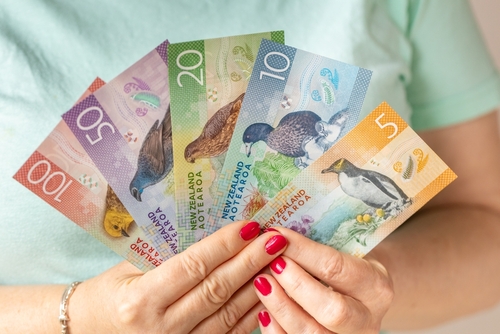
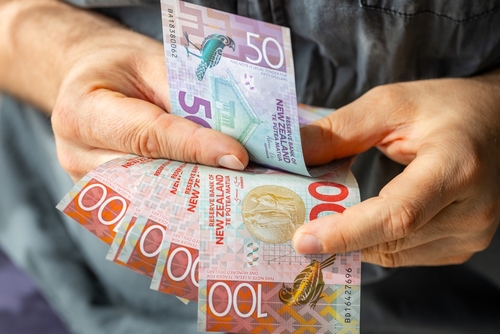
The bank code (código do banco) is a 3-digit number commonly used by everyday consumers. For example, the bank code for Banco do Brasil is 001. The bank code for Bradesco is 237. You usually enter this 3-digit number when setting up a standard wire transfer.

The ISPB code is the 8-digit identifier used deeply within the payment system. It is much more precise and is primarily used at the technical infrastructure level.

ISPB and PIX: What’s the Relationship?

PIX is Brazil’s incredibly popular instant payment network. PIX uses ISPB codes heavily behind the scenes.

Everyday users typically interact with PIX keys. A PIX key might be a CPF (tax ID number), an email address, a phone number, or a random string of characters. When you enter your friend’s PIX key to send them money, the system automatically looks up their bank’s ISPB code.

The ISPB ensures the PIX payment is routed to the correct institution instantly. This makes the ISPB code incredibly important for developers and financial integrations, even if the consumer never types it.

When Do You Need an ISPB Code?

The real value of understanding the ISPB code is knowing when you actually need it. Most everyday users rarely need it. You will primarily need an ISPB code for:

  • Integrating software with Brazilian payment systems.
  • Running business or fintech operations that process bulk payments.
  • Executing certain types of institutional or corporate bank transfers.

If you are just sending money to family for a birthday, you usually only need their PIX key, or their 3-digit bank code and account number.

How to Find an ISPB Code

If you do find yourself needing an ISPB code, they are public and easy to find. You can locate an institution’s ISPB code through:

  • The Central Bank of Brazil’s official website.
  • The official documentation of the specific bank or fintech.
  • Payment service providers and customer support.
  • Developer or API documentation for financial software.

Common Mistakes to Avoid

To ensure your money transfers go smoothly, avoid these common errors:

  • Confusing the 8-digit ISPB with the 3-digit bank code.
  • Using outdated institution data from unofficial websites.
  • Entering incorrect digits, which will cause the transfer system to reject the payment.
  • Assuming an ISPB is always required for basic consumer transfers.

Is It Safe to Share an ISPB Code?

Yes, it is completely safe. An ISPB code only identifies the financial institution itself. It does not identify your individual, personal bank account.

It is perfectly safe for general use in payments and software integrations. You still need to protect your sensitive personal account details, passwords, and PIX keys.

Limitations of ISPB Codes

While powerful, ISPB codes have a few limitations. They are not commonly used directly by everyday consumers, which can cause confusion when forms ask for them. The overlap with the 3-digit bank code can also frustrate users. Ultimately, they remain primarily relevant in backend systems and financial infrastructure.

Key Takeaways

Understanding the financial system helps you send money with confidence. Here is a quick summary of what we learned:

  • An ISPB is an 8-digit code identifying financial institutions in Brazil.
  • It plays a key role in keeping the Brazilian Payment System (SPB) secure and organized.
  • It works reliably behind the scenes in modern systems like PIX.
  • Most consumers do not need it often, but businesses and developers rely on it daily.

Frequently Asked Questions (FAQs)

What is an ISPB code used for?

An ISPB code is used to uniquely identify financial institutions within the Brazilian Payment System (SPB). It ensures money is routed to the correct bank during interbank transfers and PIX transactions.

Is ISPB the same as a bank code in Brazil?

No. A bank code is a 3-digit number used frequently by consumers for standard transfers. An ISPB code is an 8-digit number used mostly by the backend financial infrastructure.

Do I need an ISPB code for PIX?

As a consumer, you do not need an ISPB code to use PIX. You only need the recipient’s PIX key. The banking system uses the ISPB code automatically in the background to complete the PIX transfer safely.

How many digits is an ISPB code?

An ISPB code is exactly 8 digits long. It consists only of numbers.

Where can I find a bank’s ISPB code?

You can easily find any bank’s ISPB code on the official website of the Central Bank of Brazil. You can also find it in the official help documentation of your bank or fintech provider.

Send Money to Brazil Safely and Easily

Sending money internationally does not have to be a hassle. Knowing how the banking system works provides great reassurance. Whether your recipient’s bank uses a 3-digit bank code or an 8-digit ISPB securely in the background, your focus should simply be on supporting your loved ones.

You sit down to make an electronic payment to a bank account in South Africa. You have the recipient’s name, bank, and account number ready to go. Then, a prompt stops you in your tracks: please enter a 6-digit branch code.

This simple request often leads to a common question. Do you need the specific code for the exact bank branch where the account was opened, or can you just use a general universal code? Sending money should be straightforward, and knowing the right code to use can ease your concerns and prevent payment delays.

We created this guide to explain exactly how South African branch codes work. You will learn the clear differences between standard and universal codes, where to find them, and when to use each type. Understanding these details will give you the confidence to transfer funds securely and easily.

What Is a South African Branch Code?

A South African branch code is a unique 6-digit number used to identify a specific bank branch within the country. Financial institutions use these codes to route domestic electronic payments securely. Every physical bank branch in South Africa has its own assigned code.

When you send money, the branch code tells the banking network exactly where the funds need to go. It acts like a postal code for your money. Using the correct code ensures that your transaction reaches the right destination without unnecessary delays.

How Branch Codes Work in South Africa

Branch codes are a critical part of the South African payment routing system. They do not work alone. To process a transaction successfully, the banking system requires a combination of details.

You generally need the bank name, the account number, and the branch code. When you submit a payment, the banking network reads the 6-digit code to direct the funds to the correct institution and location. The account number then places the money into the specific individual’s or business’s account. This structured process guarantees that electronic funds transfers are processed accurately and securely.

Standard Branch Code vs Universal Branch Code

When you set up a payment, you will typically encounter two types of branch codes. Understanding the difference helps you make the right choice for a seamless transfer.

Standard Branch Code

A standard branch code identifies a specific, physical bank branch. In the past, you had to know exactly which local branch the recipient used to open their account. If your friend opened an account at a specific mall in Cape Town, you needed that exact branch’s code. Some older legacy banking systems still require standard branch codes to process payments properly.

Universal Branch Code

A universal branch code is a single, generic 6-digit number that applies to an entire bank. Instead of routing a payment to a local physical branch, a universal code routes the payment centrally through the bank’s main system. Today, universal codes are widely accepted across South Africa. Most modern banking apps and payment portals actually prefer them.

Why Universal Codes Exist

Banks introduced universal codes to make everyday banking much simpler. Remembering a specific local branch code was often frustrating for customers. A single code for the whole bank reduces human error and speeds up the payment process. It also reflects a modern shift in banking. People open and manage accounts online more than ever, meaning ties to a physical, local branch are less important.

Common Universal Branch Codes

Most major South African banks use a standard universal branch code for electronic payments. Here are a few examples of the codes for the country’s largest financial institutions:

  • ABSA: 632005
  • Capitec Bank: 470010
  • FNB (First National Bank): 250655
  • Nedbank: 198765
  • Standard Bank: 051001

While these universal codes are highly reliable, you should always verify the correct code directly with your recipient or the bank before authorizing a large transfer.

When Do You Need a Branch Code?

You will need a branch code for almost any domestic banking transaction in South Africa. The most common scenarios include:

  • Making an Electronic Funds Transfer (EFT) to a friend or family member.
  • Setting up a recurring debit order for subscriptions or loan repayments.
  • Receiving your monthly salary from an employer.
  • Paying bills to utility companies or service providers.

Having the correct code ready makes these financial tasks quick and hassle-free.

Can You Use a Universal Branch Code for Everything?

In most situations, yes. Universal branch codes are accepted by nearly all modern banks and payment systems in South Africa. Using one is the easiest way to ensure your payment goes through smoothly.

There are only a few rare exceptions. Certain government institutions, specialized corporate accounts, or very old legacy payment systems might still request a standard, branch-specific code. If a universal code is rejected, simply contact the recipient to ask for their specific local branch code.

How to Find Your Branch Code

If someone needs to pay you, finding your own branch code is easy. You have several secure options to locate it quickly:

  • Bank statements: Look at the top of your recent electronic or printed bank statements.
  • Online banking platforms: Log into your web banking portal and check your account details page.
  • Mobile apps: Open your bank’s official mobile app and navigate to your account profile.
  • Bank websites: Search the official website of your bank for their listed universal code.
  • Ask directly: Call your bank’s customer service line or visit a local branch for help.

South African Branch Codes vs Other Banking Codes

When sending money internationally, the terminology can get confusing. It helps to know how a South African branch code compares to other global banking identifiers.

Branch Code vs SWIFT Code

A branch code is strictly for domestic use within South Africa. It identifies a branch or bank for local transfers. A SWIFT code, on the other hand, is used for international wire transfers. It identifies a specific bank on a global scale. If you are sending money to South Africa from another country, you will usually need the bank’s SWIFT code in addition to the account number.

Branch Code vs IBAN

Many European countries use an International Bank Account Number (IBAN) to process transfers. South Africa does not use the IBAN system. Instead, South African banks rely on the combination of a regular account number and a 6-digit branch code to route funds accurately.

Common Mistakes to Avoid

Transferring money should be stress-free. Avoid these common errors to ensure your funds reach their destination safely:

  • Using the wrong code: Typing in a code for a different bank will cause your payment to bounce back.
  • Entering the wrong number of digits: A valid South African branch code is exactly 6 digits long. Double-check your entry before hitting send.
  • Assuming it is optional: Even if you know the account number perfectly, omitting the branch code will usually block the transaction from processing.

Is It Safe to Share a Branch Code?

Yes, it is completely safe to share your branch code with someone who needs to send you money. A branch code is public information. Providing it to an employer or a friend does not give them access to your account. It only allows them to deposit money securely. However, you should always protect your secret PINs, passwords, and online banking login details.

How to Verify a Branch Code

Taking an extra moment to verify details provides peace of mind. Before you send a large sum of money, confirm the branch code with the recipient. You can also check the bank’s official website or use trusted financial service tools to ensure the 6-digit number matches the institution. Double-checking protects your money and guarantees a timely delivery.

Frequently Asked Questions

What is a branch code in South Africa?

A branch code is a 6-digit number used by South African banks to identify a specific branch or the bank as a whole. It is required to route domestic electronic payments to the correct destination.

What is a universal branch code?

A universal branch code is a single 6-digit number that applies to an entire bank, rather than a specific physical branch. It simplifies electronic transfers by allowing all payments to route through a central system.

Can I use a universal branch code instead of a specific one?

Yes. Most modern payment platforms and banks in South Africa accept and prefer universal branch codes for Electronic Funds Transfers (EFTs).

How many digits is a South African branch code?

Every South African branch code, whether standard or universal, is exactly 6 digits long.

Do I need a branch code for international transfers?

For international transfers into South Africa, you generally need a SWIFT code and the recipient’s account number. Some international money transfer services may also ask for the 6-digit routing branch code to finalize the local deposit.

Make Your Next Payment with Confidence

South African branch codes are simple 6-digit identifiers that keep the domestic banking system running smoothly. Universal branch codes have made everyday transactions faster, reducing errors and simplifying the payment process.

Understanding the difference between standard and universal codes helps you avoid unnecessary delays. Always verify your recipient’s details, use the correct 6-digit number, and enjoy the peace of mind that comes with knowing your money is safe.

You sit down to set up a new payment, arrange a direct deposit for your salary, or transfer money to a friend. Suddenly, the form asks you for a “branch number.” If you find yourself pausing and wondering what exactly that means, you are not alone.

Many people feel confused when asked for specific banking codes. Banking terminology can seem overly complicated, especially if you are new to the country or setting up an account for the first time. You might wonder where to find this number and if it is safe to share.

In New Zealand, the branch number is simply a specific part of your overall bank account number. It is a vital piece of information that ensures your money goes exactly where it needs to go.

This guide will explain exactly what a bank branch number is, where you can find it, and how it is used. We will break down the standard New Zealand bank account format so you can manage your finances with confidence and ease.

What Is a Bank Branch Number?

A bank branch number is a specific code that identifies the exact physical or digital branch where you opened your bank account.

In New Zealand, you do not usually have a separate, standalone branch number. Instead, it is securely embedded directly within your full bank account number. When you give someone your complete bank account number, you are automatically giving them your branch number at the same time.

This number plays a critical role in the domestic banking system. It helps banks route payments correctly. Think of it as a sorting code for your money. It tells the banking network exactly which institution and which specific branch should receive the funds.

How Bank Account Numbers Work in New Zealand

To understand the branch number, you need to understand the full structure of a New Zealand bank account number. New Zealand uses a standardized format for all domestic bank accounts.

Standard NZ Account Format

A standard New Zealand bank account number consists of 15 or 16 digits. It is typically written in a format that looks like this: BB-BBBB-AAAAAAA-SSS (or SS).

Here is what each part of that sequence means:

  • BB (Bank Code): The first two digits identify your specific bank. For example, ANZ, ASB, BNZ, and Westpac all have unique two-digit codes.
  • BBBB (Branch Number): The next four digits represent your specific branch.
  • AAAAAAA (Account Number): The next seven digits are your unique, individual account identifier.
  • SSS (Suffix): The final two or three digits represent the specific type of account you hold, such as a checking, savings, or business account.

Example Breakdown

Let us look at a hypothetical New Zealand bank account number: 01-1234-5678901-00.

  • 01 is the bank code.
  • 1234 is the branch number.
  • 5678901 is the unique account number.
  • 00 is the account suffix indicating the account type.

When a form asks for your branch number, you only need to provide those specific four digits (in this example, 1234).

What Does the Branch Number Actually Do?

Historically, the branch number identified the exact brick-and-mortar building where a customer walked in to open their account.

Today, banking is highly digital. The branch number is less about a physical location and more about system identification. It helps banks maintain organized internal records and ensures that every transaction is routed smoothly and securely through the domestic network. It provides assurance that your money will reach the correct destination on time.

Where to Find Your Branch Number

Finding your branch number is simple. Because it is part of your main account number, you can find it anywhere your full account details are listed.

Look for your branch number in these common places:

  • Bank statements: Your full account number is printed at the top of your monthly digital or paper statements.
  • Online banking dashboards: Log in to your secure online banking portal. Your account number is usually displayed right on the home screen.
  • Mobile banking apps: Tap on your specific account within your banking app to view the full account details.
  • Debit cards: Some New Zealand banks print your partial or full account number directly on the back of your debit card.
  • Customer support: You can always call your bank directly or visit a local branch for help.

Do You Still Need a Branch Number Today?

Modern banking relies heavily on digital systems and mobile apps. Because of this, you might wonder if physical branch numbers even matter anymore.

The short answer is yes. You still need your branch number.

While you might not physically visit a branch to do your banking, the domestic payment network in New Zealand still requires this four-digit code to process transfers. You will frequently use it when filling out forms, setting up your payroll details with a new employer, or establishing direct debits for your monthly bills. It remains an essential part of keeping your finances secure and organized.

Branch Number vs Other Banking Codes

Banking involves many different codes. It is easy to get them mixed up. Here is a simple breakdown of how the branch number differs from other common banking terms.

Branch Number vs Bank Code

The bank code (the first two digits of your account number) identifies the overarching financial institution. The branch number (the next four digits) identifies the specific branch within that institution.

Branch Number vs SWIFT/BIC

A SWIFT code (or BIC) is used strictly for international money transfers. It helps banks route money across borders securely. A branch number is only used for domestic routing within New Zealand. If you are receiving money from overseas, the sender will need your bank’s SWIFT code in addition to your account number.

Branch Number vs IBAN

An International Bank Account Number (IBAN) is a highly structured code used primarily in Europe and the Middle East to process international payments. New Zealand does not use the IBAN system. Instead, New Zealand relies on the standard domestic account structure and SWIFT codes for international transactions.

Common Use Cases

You will need to provide your branch number in several everyday situations. Being prepared makes these processes fast and hassle-free.

Common times you will need your branch number include:

  • Setting up direct deposits: Your employer needs this to pay your salary securely.
  • Paying bills: Setting up a direct debit for your electricity or internet bill requires your full account details.
  • Transferring money: Sending funds to a friend’s account at a different bank requires their full account number, including their branch code.
  • Receiving government benefits: Government agencies require accurate routing details to deposit funds safely into your account.

Common Mistakes to Avoid

Entering incorrect banking details can delay your payments. Avoid these common errors to ensure your money moves smoothly.

  • Confusing the branch number with the account number: Remember that the branch number is only the four-digit segment following the two-digit bank code.
  • Entering incorrect digit groupings: Always follow the BB-BBBB-AAAAAAA-SSS format to avoid confusing automated forms.
  • Using outdated account details: If you recently switched banks, make sure you update your payroll and billing providers with your new branch and account numbers.
  • Assuming the branch number is optional: If a form specifically asks for a branch number, leaving it blank will likely cause your transaction to fail.

Is Your Branch Number Sensitive Information?

Security is always a top priority when handling money. You might hesitate before handing over your banking details.

Generally, your branch number and account number are safe to share with trusted individuals and businesses for the purpose of receiving payments. An employer or a friend needs this information to send you money.

However, you should still handle this information carefully. Never share your bank account numbers on public forums or social media. Most importantly, never share your full banking credentials, such as your PIN, online banking passwords, or security questions. Your branch number alone cannot be used to log into your account, but protecting your overall privacy is a smart financial habit.

How to Verify a Branch Number

Before you send a large amount of money to someone else, it is crucial to verify their details. This gives you peace of mind that your funds will arrive safely.

  • Double-check with the recipient: Read the account number back to them to confirm the branch digits are correct.
  • Use official bank tools: Some online banking platforms automatically display the name of the bank and branch when you type in the code.
  • Confirm the account name: Always ensure the account name matches the person or business you intend to pay.

Frequently Asked Questions (FAQs)

What is a branch number in NZ?

A branch number is a four-digit code that forms the second part of a standard New Zealand bank account number. It identifies the specific branch where the account is registered.

Can I send money without a branch number?

No. To send a domestic bank transfer in New Zealand, you must enter the recipient’s full 15 or 16-digit account number, which inherently includes their branch number.

Is the branch number the same as a sort code?

Yes, they serve the exact same purpose. “Sort code” is the term commonly used in the United Kingdom, while “branch number” is the preferred terminology in New Zealand.

How many digits is a NZ branch number?

A standard New Zealand branch number is exactly four digits long.

Navigating Your Finances with Confidence

Understanding how your bank account number works gives you greater control over your money. The branch number is a core part of the New Zealand banking structure. While you may rarely visit a physical branch these days, those four digits work tirelessly behind the scenes to ensure your payments are routed securely and accurately.

Keep your account details stored safely, verify numbers before making large transfers, and you will be able to handle domestic payments with complete confidence.

Whether you’re planning on relocating to Australia, or you’ve already made the big move there, BSB codes will almost certainly come across your radar.

These play an integral part in making money transfers within the country, so it’s important for newcomers to Australia to be aware of how BSB codes work and when they’re required.

At Remitly, we know that adjusting to a new country and a new way of life can be complicated. That’s why we’ve kept things as simple with this guide to BSB codes, to help you get to grips with making and receiving money transfers in a Australia. 

What actually is a BSB code?

BSB stands for “Bank State Branch”. So, as you might imagine, the BSB code identifies which Australian bank you have an account with, and which particular branch of that bank is associated with your account. 

Each BSB code consists of six numbers, often presented with a hyphen in the middle. A typical BSB code would look like this: 673-876. 

The first two digits identify the bank itself – for example, Westpac or NAB. The third digit identifies the state where your branch is situated, for example Queensland or New South Wales. Finally, the remaining three digits refer to the address of the branch itself.

BSB codes are a vital component of the Australian financial system, as they are used alongside account numbers to correctly direct money transfers between accounts. 

Bear in mind that some Australian banks provide the same, universal BSB code to all their customers, no matter which branch was used to open a particular account. For example, the universal BSB code for all Bank of Queensland accounts is 124-001.

Why do I need a BSB code?

Knowing your BSB code is vital because you won’t be able to receive money into your bank account without it. Whether someone you know wants to send you funds, or you want to receive your salary from an employer, you’ll need to provide them with both your account number and your BSB code. You’ll also need your recipient’s account number and BSB code when sending money to another Australian bank account.

Another scenario requiring your BSB code is when you create a Direct Debit, which is a convenient way to stay on top of bills and other regular payments. Say you want to allow a utility company to automatically take the amount you owe them every month or quarter. You can set up a Direct Debit by giving them your account number and BSB code, and then rest easy knowing you’ll never forget a payment.

How do I find my BSB code?

Finding your BSB code is easy. You can: 

  • Log onto your bank account, either through the bank’s website or mobile app, and find the BSB code in your account details
  • Look for the BSB code in your last bank statement
  • Search for the bank branch where you opened your account using the branch locator tool on the bank’s website – the BSB code should come up alongside the address

Learn More

Often when sending money international you’ll also need to be able to find your recipient’s IBAN number. Find out how to do this here

Sending money across borders in Europe used to be a frustrating experience. It involved high fees, complex processes, and days of waiting for funds to arrive. If you needed to pay a freelancer in France from an account in Germany, it felt just as complicated as sending money to the other side of the world.

The Single Euro Payments Area (SEPA) changed all of that. It introduced a standardized system that makes euro payments across participating countries incredibly simple. By removing the traditional barriers between national banking systems, SEPA treats cross-border European transfers exactly like domestic ones.

Understanding how this system works can save you time and money. Whether you are an individual sending money to family or a business paying international suppliers, this guide will explain everything you need to know. You will learn how SEPA operates, the different types of transfers available, and how it compares to other global payment networks.

What Is SEPA?

SEPA stands for the Single Euro Payments Area. It is a payment integration initiative created by the European Union. Its primary goal is to simplify bank transfers denominated in euros. Thanks to SEPA, you can make electronic payments to any participating country as easily and safely as a local payment.

The system is governed by the European Payments Council (EPC). They set the standards and rules that all participating financial institutions must follow. While it is an EU initiative, the SEPA network extends beyond the European Union to include several non-EU countries that agree to its financial standards.

Why Was SEPA Created?

Before SEPA was introduced, European banking was highly fragmented. Every country had its own national payment system, which created massive inefficiencies for anyone trying to move money across borders.

Historically, cross-border payments came with major problems. Fees were notoriously high. Processing times were slow, often taking up to a week. The lack of standard formats meant banks had to manually process many transactions, increasing the risk of errors.

SEPA was created to solve these exact issues. The goals were clear: standardize the payment process, increase financial efficiency, and promote closer economic integration within Europe. By establishing a single set of rules, SEPA eliminated the differences between national and cross-border payments.

How SEPA Works

SEPA relies on standardized financial codes and a clear processing flow to move your money securely.

Key Components

To make a SEPA transfer, you use specific identifying codes. The most important is the International Bank Account Number (IBAN). The IBAN is a unique string of characters that identifies your specific bank account across international borders.

In the past, you also needed a Bank Identifier Code (BIC) to identify the recipient’s bank. Today, the BIC is generally no longer required for transfers within the SEPA zone. Behind the scenes, the system uses standardized ISO 20022 XML messaging. This technical standard ensures all banks communicate using the exact same financial language.

Payment Processing Flow

Sending a SEPA payment involves a simple, automated process:

  1. Payment initiation: You instruct your bank to send a specific amount of euros to a recipient’s IBAN.
  2. Bank processing: Your bank formats this request into the standard SEPA message.
  3. Clearing and settlement: The transaction passes through a clearing house, which settles the funds between your bank and the receiving bank.
  4. Funds received: The money is deposited into the recipient’s account.

Types of SEPA Payments

There are three main ways to move money within the SEPA network. Each serves a distinct purpose depending on how fast you need the money to arrive or whether the payment is recurring.

SEPA Credit Transfer (SCT)

The standard SEPA Credit Transfer is used for one-off payments. When you send money to a friend or pay a single invoice, you usually use an SCT. These transfers are reliable and typically process on the same day or the next business day.

SEPA Instant Credit Transfer (SCT Inst)

When you need money delivered immediately, you can use a SEPA Instant Credit Transfer. This system processes payments in real-time. The funds arrive in the recipient’s account within seconds, 24 hours a day, 365 days a year. While highly convenient, not all banks support instant transfers yet, and there is usually a maximum limit on the transfer amount.

SEPA Direct Debit (SDD)

SEPA Direct Debit is designed for recurring payments, like utility bills or software subscriptions. It allows a business to pull funds directly from your account, provided you have given them a signed mandate. There are two types of direct debits:

  • Core: Designed for everyday consumers. It includes strong refund rights if a payment is taken in error.
  • B2B: Designed strictly for business-to-business transactions. It has stricter rules and no refund rights once authorized.

Which Countries Are in SEPA?

The SEPA zone covers all 27 member states of the European Union. However, it also includes several non-EU countries that have adopted the SEPA standards.

Countries like the United Kingdom, Switzerland, Norway, Iceland, and Liechtenstein are all active participants. It is important to note that not all SEPA countries use the euro as their primary currency. If you send money to a non-euro country within the SEPA zone, the payment must still be denominated in euros, and the receiving bank will handle the currency conversion.

Benefits of SEPA

The SEPA system offers significant advantages for both individuals and organizations.

For Individuals

Sending money to loved ones across Europe is now stress-free. SEPA guarantees easy cross-border transfers with transparent, low fees. In many cases, standard SEPA transfers are completely free. You also benefit from faster payments and strong consumer protections, giving you peace of mind.

For Businesses

Businesses rely on predictable cash flow. SEPA simplifies payment processing by allowing companies to use a single bank account for all their European operations. It makes expanding across Europe much easier. With standardized formats, businesses can also automate their payroll and billing processes.

SEPA vs SWIFT: What’s the Difference?

When sending money internationally, you will often hear about SEPA and SWIFT. They serve different purposes.

SEPA is strictly focused on Europe and only supports euro payments. Because it is highly standardized, SEPA transfers are typically very cheap (often free) and process within one business day.

SWIFT is a global network. It connects banks worldwide and supports almost every major currency. Because SWIFT payments often pass through multiple intermediary banks, they usually carry higher fees and take several days to complete.

Common Use Cases

People and businesses use the SEPA network every day for a wide variety of tasks:

  • Paying freelancers: A company in Spain can easily pay a graphic designer in Germany.
  • Subscription billing: SaaS companies use SEPA Direct Debit to charge European customers automatically.
  • Cross-border payroll: Employers can deposit salaries directly into the bank accounts of remote workers across the continent.
  • E-commerce payments: Online shoppers can pay for goods using simple, direct bank transfers.

Limitations of SEPA

While SEPA is incredibly efficient, it does have a few limitations. The most obvious is that it only supports payments made in euros. If you want to send US Dollars or British Pounds, you have to use a different network. It is also not a truly global system; you cannot use SEPA to send money to Asia or the Americas. Finally, while instant payments are growing, they are not yet universally supported by all financial institutions in the network.

Is SEPA Safe?

Yes, SEPA is highly secure. The entire network operates under a strong regulatory framework enforced by European authorities.

Consumer protections are a major focus, especially regarding SEPA Direct Debits. If a company takes a direct debit payment in error, consumers have up to eight weeks to request a “no-questions-asked” refund from their bank. Furthermore, the standardized digital messaging used by SEPA incorporates modern fraud prevention standards, ensuring your financial data is protected during transit.

How to Make a SEPA Payment

Making a SEPA payment is simple and straightforward. You do not need any special software.

You only need two key pieces of information:

  1. The recipient’s IBAN.
  2. The exact name of the account holder.

Once you have these details, simply log into your online banking portal or your preferred fintech platform. Select the option to make a transfer, enter the required information and the amount in euros, and confirm the payment. The system will handle the rest.

Frequently Asked Questions (FAQ)

Is SEPA free?

In most cases, yes. EU regulations state that banks cannot charge more for a cross-border SEPA payment than they do for a domestic transfer. Since most domestic euro transfers are free, SEPA transfers are usually free as well.

How long do SEPA payments take?

Standard SEPA Credit Transfers typically take one business day. If your bank and the recipient’s bank support SEPA Instant, the money will arrive within seconds.

Can I use SEPA outside Europe?

No. SEPA is geographically limited to participating European countries. To send money to other parts of the world, you will need to use an international money transfer service or the SWIFT network.

Ready to Make Your Next SEPA Payment?

SEPA has fundamentally changed how money moves across Europe. By turning a fragmented, expensive process into a simple and standardized system, it has empowered consumers and businesses alike.

It reduces costs, speeds up transfers, and provides a secure environment for your money. Whether you are paying bills, collecting subscriptions, or sending funds to family, SEPA ensures your euros get exactly where they need to go.

You finally landed a new job or signed up for a new payment service. You have the paperwork ready to go, but then you see a blank box asking for a “transit number.” Suddenly, setting up a simple direct deposit feels confusing. You might wonder what this number means and where you can find it.

If this sounds familiar, you are not alone. The term “transit number” is used almost exclusively in Canada. It plays a crucial role in how Canadian banks process money. Without it, your bank cannot figure out exactly where to send or receive your funds.

This guide is designed for anyone navigating the Canadian banking system. It will help you if you are setting up direct deposit for a new job, arranging pre-authorized bill payments, or sending money to loved ones across the border. We will break down exactly what a transit number is, how it works with your other bank details, and where you can easily find it.

What Is a Transit Number?

A transit number is a five-digit code used by Canadian financial institutions to identify the specific bank branch where you opened your account. Every single bank branch in Canada has its own unique five-digit transit number.

You will often hear people refer to it as a “branch number.” These two terms mean the exact same thing. When a form asks for your branch number or your transit number, you will enter the same five digits.

In Canada, this five-digit code is usually part of a larger routing number. While the institution number tells the system which bank holds your money, the transit number narrows the location down to the exact local branch.

What Does a Transit Number Do?

A transit number directs funds to the correct bank branch. Canada has a massive banking network with thousands of local branches. This five-digit code acts as a digital map, ensuring your money arrives exactly where it needs to go without delays.

You will typically need to provide your transit number for three common types of transactions:

  • Direct deposits: Employers use this number to send paychecks directly to your bank account.
  • Pre-authorized debits: Utility companies and gyms use this information to automatically withdraw your monthly bill payments.
  • Electronic funds transfers (EFTs): You need this number to send or receive money electronically between different Canadian bank accounts.

Transit Number vs Institution Number vs Account Number

Canadian bank accounts rely on three distinct numbers to process transactions. Understanding the difference between them makes filling out financial forms much easier.

  • Transit number: This is the five-digit code that identifies your specific local bank branch.
  • Institution number: This is a three-digit code that identifies your bank. For example, CIBC is always 010, and TD Bank is always 004.
  • Account number: This is a seven-to-twelve-digit number that identifies your personal or business account.

Think of this system like a mailing address. The institution number is the country you live in. The transit number is your specific city. The account number is your exact house number. The banking system needs all three pieces of information to deliver your money accurately.

When you look at your account details online, you might see them formatted together like this: 12345-001-1234567. In this example, 12345 is the transit number, 001 is the institution number, and 1234567 is the account number.

Where Can You Find Your Transit Number?

Finding your transit number is easy once you know where to look. You can find it using a few simple methods.

On a Personal Cheque

If you have a chequebook, you can find all your banking numbers printed along the bottom edge.

  • The first set of numbers on the left is the cheque number.
  • The next set of five digits is your transit number.
  • The following three digits make up your institution number.
  • The final set of numbers on the right is your account number.

Online Banking Dashboard

You can log into your online banking portal to find your account details. Navigate to the account you want to use, and look for a link that says “Account Details,” “Direct Deposit Info,” or “Void Cheque.” Your five-digit transit number will be listed there.

Mobile Banking Apps

Most Canadian banking apps display your transit number. Tap on your specific checking or savings account. Then, look for an information icon or an “Account Info” tab to view your transit, institution, and account numbers.

Transit Number vs Routing Number (Canada vs U.S.)

Banking systems vary between countries. This can cause confusion if you are trying to send money across borders.

In Canada, a routing number is created by combining your transit number and your institution number. For electronic funds transfers, a Canadian routing number is formatted with a leading zero, followed by the three-digit institution number, and ending with the five-digit transit number (0-XXX-YYYYY).

In the United States, the system is different. U.S. banks use a single nine-digit code called an ABA routing number. It does not separate the branch and the institution in the same way. If a U.S. company asks for your nine-digit routing number, you will usually provide your combined Canadian routing number.

How Transit Numbers Work in Payments

Setting up a payment is a straightforward process. Let us look at a step-by-step example of setting up a direct deposit with a new employer.

First, your employer will hand you a direct deposit authorization form. You will enter your five-digit transit number, your three-digit institution number, and your account number.

Once you submit the form, your employer enters this data into their payroll system. On payday, the payroll software sends an electronic message to the banking network. The system reads the institution number to find your bank, reads the transit number to locate your branch, and deposits the funds directly into your specific account number. The entire process happens behind the scenes in a matter of seconds.

Are Transit Numbers Safe to Share?

Protecting your financial information is a top priority. Fortunately, sharing your transit number is generally safe when you are setting up standard deposits or payments.

Your transit number simply identifies a public bank branch. Anyone can look up the transit number for a specific branch online. However, your account number is private. You should only share your complete banking details—transit, institution, and account numbers—with trusted sources like your employer, your utility provider, or a secure money transfer service.

To keep your money safe, always verify the identity of the person or company requesting your banking details. Monitor your bank statements regularly to ensure you recognize every transaction.

Common Questions About Transit Numbers

Is a transit number the same as a branch number?

Yes. Banks use the terms transit number and branch number interchangeably. Both terms refer to the same five-digit code.

Can two branches have the same transit number?

No. Every physical bank branch in Canada has its own unique five-digit transit number. This ensures money is routed accurately.

What happens if you enter the wrong transit number?

If you enter the wrong transit number, the electronic funds transfer will likely fail. The bank will reject the transaction, and the money will eventually bounce back to the sender. This can cause frustrating delays. Always double-check your numbers before submitting a form.

Do transit numbers change if you move banks or branches?

If you move to a new city and transfer your home account to a new local branch, your transit number will change to match that new branch. If you completely switch to a different banking institution, all of your numbers will change.

Transit Numbers and International Transfers

A transit number is essential for moving money within Canada. However, it is not enough to process global payments.

If you are receiving money from outside North America, the sender will likely need your bank’s SWIFT or BIC code. This is an international identifier used by banks worldwide. Depending on the sender’s location, they may also ask for an IBAN (International Bank Account Number). Canada does not use the IBAN system, so you will provide your transit, institution, and account numbers alongside your bank’s SWIFT code.

Sending money internationally does not have to be complicated. Knowing what fees you will pay and understanding your delivery time provides excellent reassurance. Using a secure international transfer service can help simplify these cross-border transactions for you and your loved ones.

Keep Your Payments Moving Smoothly

Transit numbers ensure your money reaches the correct branch safely and efficiently. While Canadian banking numbers can look like a confusing string of digits at first glance, they are incredibly simple once you break them down.

Take a moment to locate your five-digit transit number today. Double-checking your banking details before filling out forms will help you avoid delays and keep your finances running smoothly. Armed with this knowledge, you can set up your next direct deposit or electronic transfer with complete confidence.