English (US) – Page 75

Colleges in Wisconsin: Study in the Badger State

Discover the top colleges in Wisconsin. Explore programs, campus life, and what makes studying in the Badger State unique!

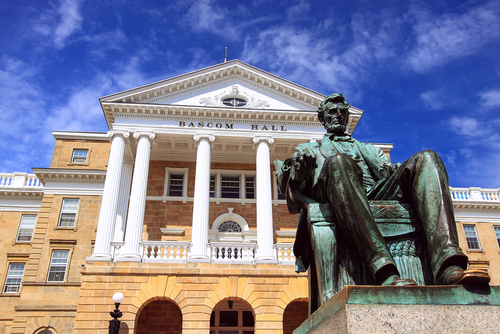
Bascom Hall at Wisconsin University with statue of Abraham Lincoln

English (US)

Key Highlights

Thinking about studying in Wisconsin? Here’s a quick look at what the Badger State offers for your higher education journey.

  • Wisconsin is home to some of the nation’s best colleges, including the globally recognized University of Wisconsin–Madison.
  • You can find a wide range of degree programs, from engineering and business to liberal arts and music.
  • The state offers a mix of large public universities and smaller private colleges to fit your preferences.
  • Many schools are centers for groundbreaking research and innovation.
  • Experience a vibrant student life with numerous clubs, activities, and welcoming campus communities.
  • Tuition fees vary greatly, with affordable options at public universities and generous financial aid at private schools.

Top Colleges in Wisconsin: Explore the Best Options for Students

Wisconsin is an excellent destination for higher education, boasting a diverse landscape of schools. The state features a strong system of public universities alongside highly-regarded private colleges, ensuring you can find the perfect environment for your studies. Whether you seek a large research-focused campus or an intimate liberal arts setting, the universities of Wisconsin deliver a top-tier college experience with strong graduation rates.

From the bustling campus of UW–Madison to the faith-based community at Marquette University and the creative hub at Lawrence University, your options are plentiful. Let’s explore some of the best colleges in the state to help you find your ideal match.

1. University of Wisconsin–Madison: Academic Excellence and Campus Life

The University of Wisconsin–Madison is a powerhouse in public education, consistently ranked among the best universities in the United States and the world. As a top-10 research institution in the country, it stands out for its commitment to groundbreaking research, spending over $1.4 billion annually on new discoveries. This focus on innovation directly benefits students and contributes to high graduation rates and student success.

You will find an impressive selection of over 450 programs in fields like engineering, business, and public policy. The university’s vast research enterprise provides unparalleled opportunities for hands-on learning, allowing you to work alongside leading experts and contribute to meaningful projects that shape people’s lives. This commitment to applying knowledge is a proud tradition known as the Wisconsin Idea.

Beyond academics, the campus life at UW–Madison is exceptionally vibrant. With more than 900 student clubs and organizations, there is something for everyone. The university is located in Madison, a city celebrated as one of America’s best college towns, offering a perfect blend of lakeside retreats and lively urban energy right beyond the boundaries of campus.

2. Marquette University: A Leading Private Catholic Institution

For those seeking an education rooted in faith and service, Marquette University is a premier private Catholic institution located in Milwaukee. Recognized for its academic excellence, Marquette is ranked among the top 90 universities in the U.S. and provides a welcoming community guided by Jesuit values. The university emphasizes a holistic approach to learning that fosters both intellectual and personal growth.

Marquette offers a robust catalog of programs for undergraduate students, with over 80 majors in high-demand fields such as nursing, business, engineering, and biomedical sciences. The university’s strong focus on career readiness is evident in its outcomes, as nearly 95% of graduates are employed or enrolled in graduate school within six months of graduation. Extensive financial aid options also make this private education more accessible.

Student life at Marquette is dynamic and engaging. You can join over 300 student organizations or cheer on the Golden Eagles, who compete in the NCAA Division I Big East Conference. This prominent collegiate athletic conference adds an exciting dimension to the campus experience, building a strong sense of community and school spirit among students.

3. Lawrence University: Premier Liberal Arts College Experience

If you are looking for a personalized and creative learning environment, Lawrence University in Appleton offers a premier college experience focused on the liberal arts. With a student body of just over 1,400, this small private college provides an intimate, tight-knit community where you receive individual attention from professors. Its excellent 8:1 student-faculty ratio ensures you are more than just a number.

A unique feature of Lawrence is its Conservatory of Music, which is fully integrated as part of the college—a rarity in the United States. This allows for unique cross-disciplinary studies. Popular majors include music, psychology, and biology, all taught within a framework that encourages hands-on learning. The university’s commitment to student financial health is clear, with an average financial aid award of around $42,000 per year.

Lawrence encourages students to learn by doing through senior capstone projects, internships, and study abroad programs. Over half of all students participate in off-campus study, gaining global perspectives. The university also has 22 varsity sports teams that compete in a Division III intercollegiate athletic conference, providing a well-rounded student experience.

Frequently Asked Questions

What are the most affordable colleges in Wisconsin for in-state students?

Public universities within the University of Wisconsin system typically offer the most affordable tuition fees for in-state students. For example, UW-Madison’s in-state tuition is approximately $11,603 annually. Various forms of financial aid and scholarships are also widely available across Wisconsin to help further reduce the overall cost of attendance.

What is the cheapest online college in Wisconsin?

Determining the absolute cheapest online college in Wisconsin depends on your program and residency status. However, many public universities offer competitive online tuition fees. Private institutions like Concordia University Wisconsin also provide over 50 online programs for undergraduate students, so it’s wise to compare costs across different schools to find the best value.

Which universities in Wisconsin offer scholarships or financial aid?

Nearly all universities in Wisconsin, including the entire University of Wisconsin System and private colleges, offer scholarships and financial aid. For instance, Beloit College and Lawrence University provide average aid packages exceeding $40,000. You can apply for institutional aid and federal student aid to make your education more affordable.


Citations:

Key Highlights

  • West Virginia offers a wide range of higher education opportunities, from large public research universities to smaller private colleges.
  • The state is home to some of the best colleges that provide diverse degree programs in high-demand fields like technology, healthcare, and engineering.
  • Many institutions, including West Virginia University and Marshall University, offer robust online learning options for added flexibility.
  • Choosing a college involves looking at factors like academic offerings, tuition costs, and campus student life to find the right fit for you.
  • Financial aid programs are available to help make higher education in West Virginia more accessible and affordable for students.

Introduction

When you think of West Virginia, its rich history in mining might come to mind, but the Mountain State’s future is branching out into exciting new industries. From aerospace to information technology, opportunities are growing, and the state’s higher education system is ready to meet the demand. Whether you’re interested in a large state university or a small private school, West Virginia has a collegiate home for you. Are you ready to explore the options for your academic journey?

Leading Colleges and Universities in West Virginia

West Virginia is home to a variety of excellent colleges and universities, each with unique strengths. Finding the best fit depends on your personal and professional goals. Recent rankings analyze schools based on objective factors like graduation rates and average graduate earnings rather than just subjective opinions. This data-driven approach helps you see which institutions provide a strong return on your educational investment.

To give you a better idea of what the state has to offer, we will explore some of the top-ranking colleges in West Virginia. These schools stand out for their academic quality, student outcomes, and overall reputation, providing a solid foundation for your future career.

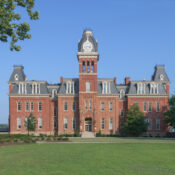
1. West Virginia University

West Virginia University (WVU), located in Morgantown, is a major public research university that serves as a cornerstone of higher education in the state. With nearly 30,000 students enrolled across its campuses, WVU offers a vibrant and comprehensive student life experience. As a land- and space-grant institution, it is renowned for its strong research programs and commitment to innovation.

The university provides a vast array of academic choices, including over 31 bachelor’s degree programs and hundreds of courses available online. This flexibility makes it one of the best online colleges in the state, allowing students to pursue their education in fields like business, nursing, and social work. Graduates with a bachelor’s degree from WVU earn an average salary of $55,939 in their early careers, reflecting the school’s strong reputation.

For prospective students, WVU stands out for its balance of traditional campus life and modern educational delivery. The school’s high retention rate of 79% shows that students are satisfied with their experience and well-supported throughout their academic journey.

2. Marshall University

Marshall University is another prominent public research university, with its main campus located in downtown Huntington. Serving over 10,000 students, Marshall has a strong reputation and a proud network of alumni. This state university is committed to providing accessible and high-quality education, which is reflected in its impressive 97% acceptance rate.

The university offers a wide range of degree programs, with many available in a flexible, asynchronous online format. These include bachelor’s completion programs, master’s degrees, and graduate certificates in fields such as journalism, counseling, and mathematics. This makes it an excellent choice for students who need to balance their studies with other commitments.

What truly sets Marshall apart is its commitment to student success. The university reports a very low student loan default rate of just 1.0%, indicating that its graduates are well-prepared for the workforce. Alumni with a bachelor’s degree from Marshall University go on to earn an average early-career salary of $46,354.

3. University of Charleston

Nestled in the state capital, the University of Charleston (UC) is a private university known for its innovative approach to education. With an enrollment of over 3,000 undergraduate students, UC offers a personalized learning environment. Originally affiliated with the Methodist Church, it has been an independent institution since 1940, focusing on leadership and professional development.

UC has a strong emphasis on leadership studies, offering online programs ranging from an associate degree in frontline leadership to a doctorate in executive leadership. Other available programs include accounting, cybersecurity, and nursing. The university supports its online learners with academic advising and facilitated study groups, ensuring a connected experience.

While private education can seem costly, UC offers the same tuition for both in-state and out-of-state students, and military students receive a discounted rate. Graduates with a bachelor’s degree from UC earn an impressive average early-career salary of $55,774, showcasing the value of its focused curriculum.

4. Shepherd University

Shepherd University is a public liberal arts university that consistently earns a high ranking among West Virginia’s colleges. It provides students with a quality education that prepares them for successful careers across a variety of disciplines. The university is recognized for providing a strong academic foundation and a supportive learning environment.

Students at Shepherd can choose from a diverse field of study options, ensuring they can pursue their passions while gaining valuable skills for the job market. The success of its programs is evident in the post-graduation outcomes of its students. Upon graduation, bachelor’s degree recipients from Shepherd University go on to earn an average early-career salary of $49,358.

While the compiled information doesn’t detail its athletics programs or campus life, the strong graduate earnings and positive ranking indicate that Shepherd University is a solid choice for students seeking a well-rounded and effective education in West Virginia.

Comparing Public and Private Colleges in West Virginia

When choosing a college in West Virginia, you’ll find great options among both public and private institutions. A major difference is often tuition, with a state university like West Virginia University having an average in-state undergraduate tuition of around $9,360, while a private college like the University of Charleston is around $21,000. Each type of school offers unique benefits that appeal to different students.

Public universities tend to be larger, offering a wider variety of programs for undergraduate and graduate students, whereas private colleges often provide a more tight-knit community and smaller class sizes. Your choice will depend on what you value most, whether it’s the expansive student life of a large campus or the personalized attention of a smaller one.

Academic Offerings and Popular Majors

Colleges in West Virginia offer a broad spectrum of degree programs designed to meet the demands of a changing economy. Beyond its traditional industries, the state is fostering growth in sectors like aerospace, information technology, and advanced manufacturing. As a result, universities are providing robust educational pathways to prepare students for these exciting careers. Whether you are seeking a bachelor’s degree or a graduate-level field of study, you can find a program that aligns with your goals.

Many schools cater to high-demand fields, ensuring that your education translates directly into valuable job opportunities. From healthcare to engineering, the curriculum is often designed to provide both theoretical knowledge and practical skills.

Some of the most popular and in-demand career paths you can prepare for at West Virginia colleges include:

  • Business Administration
  • Healthcare Administration
  • Nursing
  • Education
  • Mechanical and Electrical Engineering

Campus Facilities and Student Life

A great college experience goes beyond the classroom. The quality of a college campus, its facilities, and the overall student life play a huge role in your academic success and personal growth. Many universities in West Virginia are committed to providing supportive environments with resources like academic advising, career planning, and facilitated study groups for online learners. These services help you navigate your studies and prepare for the future.

Exploring what each college campus offers is a key part of making your decision. While one school might have state-of-the-art labs for graduate schools, another might boast a more vibrant arts scene or extensive athletics facilities. Looking at key data points can help you compare institutions.

Feature West Virginia University (WVU) Marshall University (MU) University of Charleston (UC)
Institution Type Public Public Private
Acceptance Rate 88% 97% 68%
Avg. Undergrad In-State Tuition $9,360 $8,604 $21,000
Student Enrollment 24,741 10,835 3,059

Conclusion

In summary, West Virginia boasts a vibrant array of colleges and universities, each offering unique opportunities for students. From the renowned West Virginia University to the intimate setting of Shepherd University, there’s something for everyone. By understanding the differences between public and private institutions, as well as their academic offerings and campus life, prospective students can make informed decisions that align with their personal goals. If you’re ready to explore your options further and find the perfect fit for your educational journey, don’t hesitate to reach out for a free consultation. Your future starts here!

Frequently Asked Questions

What financial aid options are available for students in West Virginia?

West Virginia offers several financial aid opportunities to help with tuition dollars. The “West Virginia Invests” grant can pay the full cost of tuition for undergraduate students in high-demand fields. Additionally, the Southern Regional Education Board offers in-state tuition rates to some out-of-state students, and other resources are available through the West Virginia Higher Education Policy Commission.

How do I choose the best college in West Virginia for my goals?

To choose the best colleges for you in the state of West Virginia, look beyond a school’s ranking. Consider your desired field of study, the school’s graduation rates, and the average earnings of its alumni. The right choice is a personal one that aligns with your academic and career ambitions.

Which colleges in West Virginia have the best campus facilities?

Determining the “best” campus facilities is subjective and depends on your needs. Major universities like WVU and Marshall offer extensive resources, but many other schools also earn high marks. Most institutions provide excellent student life support, including academic advising and career services, to ensure you have a successful college experience.

Key Highlights

  • Washington State offers a diverse higher education landscape, from major research institutions to intimate liberal arts colleges.
  • Find some of the best colleges in the nation here, including the University of Washington and Washington State University.
  • Explore top-tier private schools like Seattle University and Gonzaga, known for their academic excellence and unique programs.
  • Community colleges provide accessible pathways for career preparation and transfer to four-year degrees.
  • Whether you seek an urban campus or a scenic, small-town setting, Washington has a perfect fit for your academic goals.

Introduction

Are you looking for the perfect place to continue your education? Washington State is home to some of the best colleges and universities on the West Coast, offering incredible opportunities for every type of student. The Evergreen State’s higher education system is as diverse as its stunning landscape, with options ranging from bustling urban campuses to quiet colleges surrounded by lush forests. This guide will introduce you to the excellent academic opportunities waiting for you in Washington.

Noteworthy Colleges in Washington State

Washington is home to many nationally ranked institutions celebrated for their academic rigor and vibrant campus life. When people ask about the top-ranked colleges in Washington state, names like the University of Washington, Gonzaga University, and Seattle University often come to mind. These schools have a strong academic reputation and offer a wide range of programs for both undergraduate and graduate students.

Choosing the right school is a foundational step in shaping your future. Let’s look closer at some of the best colleges that define the state’s higher education landscape, each offering a unique path to success.

1. University of Washington (UW)

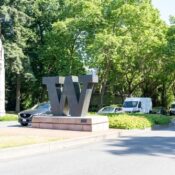
The University of Washington is consistently named one of the best schools in the state and the nation. Its Seattle campus boasts an impressive freshman retention rate of 94%, showing just how much students enjoy their experience there. This public university is a hub for groundbreaking work, including UW engineering research and advancements in global health.

If you’re considering UW, you’ll be joining a community dedicated to academic excellence. Graduates from the Seattle campus earn an average early-career salary of $78,466, reflecting the quality education they receive. The university provides a challenging curriculum and numerous opportunities for hands-on learning.

For both undergraduate and graduate students, UW offers a dynamic environment. While it is a large public institution, its focus on research and its urban Seattle setting are key differentiators from other state schools.

2. Washington State University (WSU)

Washington State University is another excellent public university to consider, offering a comprehensive academic experience across its campuses in Pullman, Spokane, the Tri-Cities, and Vancouver. WSU is known for its strong research programs and commitment to providing a quality education that prepares students for success.

The university provides a wide array of academic programs, from engineering and healthcare to business administration. Students benefit from hands-on learning experiences and state-of-the-art facilities that enhance their studies. WSU also has a very low student loan default rate, highlighting its value and the success of its graduates.

With a focus on innovation and student achievement, WSU equips you with the knowledge and skills needed for today’s competitive job market. Early-career graduates with a bachelor’s degree earn an average of $68,905, making it a strong investment in your future.

3. Western Washington University (WWU)

Located in the beautiful city of Bellingham, Western Washington University provides a vibrant campus community with a distinct focus. If you are passionate about environmental sustainability and social responsibility, WWU could be the perfect place to pursue your academic goals. The university empowers students to become engaged citizens and global leaders.

The incoming class at WWU joins a community committed to making a positive impact on the world. The school offers a wide range of academic programs designed to foster critical thinking and prepare students for leadership roles in their chosen fields.

The supportive learning environment at WWU ensures you have the resources needed to succeed. Upon graduation, bachelor’s degree recipients from Western Washington University go on to earn an average early-career salary of $62,569, demonstrating the value of their education.

4. Central Washington University (CWU)

For those interested in colleges in Central Washington, Central Washington University in Ellensburg is a top choice. CWU offers students a comprehensive education with a strong emphasis on practical skills, critical thinking, and a passion for lifelong learning. The university is dedicated to providing an excellent teaching and learning environment.

CWU prepares students for successful careers across a variety of fields. The campus provides a scenic backdrop for a well-rounded college experience, complete with numerous extracurricular activities to complement your academic pursuits. Graduates with a bachelor’s degree from CWU earn an average of $61,580 in their early careers.

The university is known for:

  • A wide range of academic programs.
  • Fostering personal growth alongside academic achievement.
  • Instilling a desire for lifelong learning in its students.

5. Gonzaga University

Nestled in Spokane, Gonzaga University is a private institution that blends academic excellence with a strong foundation in Jesuit values. The university has an outstanding academic reputation, supported by a remarkable 77% four-year graduation rate, which is significantly higher than the national average.

Gonzaga is renowned for its exceptional programs, including highly respected graduate programs in fields like business and engineering. The university is committed to preparing students to lead purposeful lives and make meaningful contributions to society. This is reflected in the high average early-career salary of its graduates, which stands at $78,892.

Whether you’re exploring options from the Department of Education or looking for a school with a strong sense of purpose, Gonzaga provides an environment that encourages intellectual inquiry and personal development, making it one of Washington’s leading universities.

6. Seattle University

Situated in the heart of Seattle, Seattle University is a dynamic private institution with a strong academic reputation. The university is celebrated for its commitment to social justice and community engagement, empowering students to create positive change. It offers a diverse array of programs, from law and nursing to business administration.

Seattle University is recognized for its academic excellence and supportive, inclusive environment. Graduates with a bachelor’s degree from Seattle U enter the workforce with a strong foundation, earning an average of $75,272 per year in their early careers. This reflects the high-quality education and valuable experiences the university provides.

If you are looking for a school that combines rigorous academics with a focus on making a difference, Seattle University is an excellent choice. Its urban location provides countless opportunities for internships and hands-on learning, further enhancing your educational journey.

7. Whitman College

Whitman College, located in the charming town of Walla Walla, is a private liberal arts college known for its rigorous academic programs and vibrant campus culture. If you thrive in a more personal educational setting, Whitman stands out for its small class sizes and commitment to providing a quality education.

The college has an excellent academic reputation, focusing on developing critical thinking, communication skills, and interdisciplinary learning. This approach equips students with the tools to succeed in an increasingly complex world. Faculty members are dedicated to providing personalized attention and mentorship to help you achieve your goals.

Whitman’s intimate learning environment fosters a strong sense of community and intellectual curiosity. It is an ideal choice for students seeking a transformative educational experience that prepares them for success both professionally and personally.

Exploring Public and Independent Colleges in Washington

Washington’s landscape of four-year universities is divided into two main categories: public universities and independent colleges. Public universities are state-funded and often larger, offering a vast range of programs and research opportunities. In contrast, independent colleges are privately funded and tend to offer more personalized educational experiences.

Whether you are drawn to the expansive resources of a public institution or the close-knit community of a private one like Pacific Lutheran University or the University of Puget Sound, you can find a perfect match. Let’s look at what makes each type unique.

Public Universities: Academic Excellence and Campus Life

Washington’s public universities are celebrated for their academic excellence and dynamic campus life. Institutions like the University of Washington and Washington State University are leaders in research and innovation. Another great option to consider is Eastern Washington University (EWU) in Cheney, which provides a supportive learning environment and prepares students for success with hands-on experiences.

These universities offer a rich campus life with countless student organizations, cultural events, and athletic programs. You can find a strong sense of community while having access to the resources of a large institution. This combination of quality academics and vibrant social opportunities makes public universities a popular choice.

Here is a quick comparison of a few public universities in Washington:

University Location Known For
University of Washington Seattle Top-ranked research, high graduate earnings
Washington State University Pullman, other campuses Comprehensive programs, low student loan default rate
Western Washington University Bellingham Environmental sustainability, social responsibility
Central Washington University Ellensburg Hands-on learning, lifelong learning focus

Independent Colleges: Unique Programs and Opportunities

Independent colleges in Washington offer a distinct educational experience often characterized by unique programs and personalized attention. Schools like Pacific Lutheran University (PLU) and the University of Puget Sound (UPS) are known for their strong commitment to holistic education and creating a close-knit community.

These colleges often feature smaller class sizes, which means you get more direct interaction with your professors. This can lead to valuable mentorship opportunities and a deeper engagement with your studies. You can find information about these colleges on their websites or through college search platforms.

Many independent colleges in Washington are known for:

  • Their focus on liberal arts and critical thinking.
  • Offering specialized or unique programs not found at larger universities.
  • A strong sense of community and service-oriented values.

Spotlight on Community Colleges Across Washington

While four-year universities get a lot of attention, community colleges play a vital role in Washington’s higher education system. They provide accessible, affordable, and high-quality education that prepares students for rewarding careers or transfer to a bachelor’s degree program. Exploring community colleges is a great way to start your educational journey.

Institutions like Bellevue College, Green River College, and Seattle Central College offer flexible pathways to success. Many have articulation agreements with four-year universities, ensuring a seamless transfer process. Let’s look at some of the leading community colleges for career preparation.

Leading Community Colleges for Career Preparation

Washington is home to some of the nation’s leading community colleges focused on career preparation and workforce development. Bellevue College, for example, offers a wide range of programs in high-demand fields like technology, business, and healthcare. These schools are an excellent option for gaining job-ready skills quickly.

Exploring these colleges is simple: you can visit their websites, attend virtual open houses, or speak with an advisor. Many students start at a community college like Tacoma Community College or South Seattle College before transferring to a four-year university to complete their bachelor’s degree, making it a smart and affordable pathway.

Some of the top community colleges for career readiness include:

  • Bellevue College: A leader in career-focused education.
  • Tacoma Community College: Prepares students for success in the South Puget Sound region.
  • Highline College: Known for its strong commitment to student success.
  • North Seattle College: Equips students with skills for in-demand careers.

Conclusion

In summary, Washington State boasts a diverse array of colleges and universities that cater to various academic interests and career paths. From the prestigious University of Washington to the unique programs offered by independent colleges, there’s something for everyone in the Evergreen State. Additionally, community colleges play a vital role in providing accessible education and career preparation. Whether you’re looking to pursue a degree or enhance your skills, the options are plentiful. If you’re ready to take the next step in your educational journey, consider exploring the many opportunities available in Washington’s higher education landscape. Don’t hesitate to reach out for a free consultation to help you choose the best path for your future!

Frequently Asked Questions

What is the difference between University of Washington and Washington State University?

The University of Washington is primarily based at its urban Seattle campus and is globally recognized for its research programs. Washington State University has its main campus in Pullman and several others across the state, offering comprehensive academic programs with a strong focus on agriculture, engineering, and veterinary medicine.

How do I explore community colleges in Washington?

To explore community colleges, start by visiting the websites of schools like Bellevue College or Green River College. Look into their specific programs for career preparation and check their transfer agreements with four-year universities. This will help you find the best educational opportunities for your goals.

Where can I find official resources for colleges in Washington?

For official resources, look to state-level organizations. The U.S. Department of Education provides broad information, while state programs like the Washington College Grant offer specific financial aid opportunities. College websites are the best place for details on degree programs and admission requirements.

Key Highlights

  • The state of Vermont is home to some of the nation’s best colleges, from renowned liberal arts colleges to major research universities.
  • You can find a unique blend of academic excellence and outdoor adventure in the scenic Green Mountains.
  • Institutions like the University of Vermont and Middlebury College are nationally recognized for their academics and student outcomes.
  • Vermont offers diverse educational paths, with strong programs in sustainability, technology, and experiential learning.
  • Tuition costs vary widely, with affordable options available at state schools and generous financial aid at private institutions.

Introduction

When you think of Vermont, images of maple syrup, amazing ski slopes, and the beautiful Green Mountains likely come to mind. But beyond its natural charm, Vermont is also a hub for exceptional higher education. The colleges in Vermont offer a unique opportunity to learn and grow in an inspiring environment. Whether you are searching for a small, intimate campus or a large, dynamic university, you will find institutions committed to academic quality and student success.

Top Colleges in Vermont: Experience Learning in the Green Mountains

The Green Mountain State hosts an impressive array of Vermont colleges, each with its own distinct character and strengths. From highly selective private schools with small enrollment numbers to accessible public universities, the best colleges here consistently appear in national rankings for their quality and value. These accredited institutions provide an education that prepares you for the future while being surrounded by unmatched natural beauty.

Are you wondering which schools lead the pack? Below, we explore some of the top-ranked colleges and universities that make Vermont a premier destination for students.

1. Middlebury College

As one of the best liberal arts schools in the United States, Middlebury College has a reputation for academic excellence. Founded in 1800, it is renowned for its immersive language programs and strong focus on international studies and environmental science. The college’s commitment to global perspectives is clear in its extensive study abroad opportunities.

The small class sizes at Middlebury ensure that you receive personalized attention from world-class faculty. This supportive environment contributes to a high graduation rate and a network of successful alumni. The college also hosts the famous Breadloaf Conference, one of the oldest and most respected writers’ conferences in the world.

With core values centered on diversity, sustainability, and pedagogical excellence, Middlebury College fosters skills for lifelong learning. Its unique programs and traditions make it a standout institution for students seeking a rigorous and engaging liberal arts education.

2. University of Vermont

The University of Vermont (UVM), chartered in 1791, stands as a premier public research university. Located in the vibrant city of Burlington, UVM offers a comprehensive educational experience with over 100 bachelor’s programs, dozens of master’s and doctoral degrees, and a medical school. The university has a long history of promoting diversity, having been one of the first to admit female students in 1871.

Unlike the newer Vermont State University system, UVM is a historic “Public Ivy” known for its extensive research and a large, dynamic campus life near Lake Champlain. Students at UVM have access to robust financial aid options, competitive athletics, and a nationally recognized debate team. The campus provides the energy of an urban setting combined with easy access to Vermont’s natural landscapes.

The success of its graduates is a testament to the quality of a UVM education, with 93% of recent graduates employed or in graduate school within six months of graduation. This strong outcome places UVM favorably in comparisons with institutions in other states.

3. Bennington College

Bennington College offers a truly distinct and progressive approach to higher education. Here, you are the architect of your own learning journey. The college’s core philosophy centers on flexibility and creativity, allowing you to design your own program of study, known as “the Plan,” in close collaboration with faculty advisors. This graduate-style mentorship ensures you can pursue your passions deeply.

A key component of a Bennington education is its emphasis on experiential learning. It is the only college in the country that requires students to complete an annual internship, giving you real-world experience at an organization of your choosing anywhere in the world. This hands-on approach prepares a diverse group of alumni for impactful careers.

Located in southern Vermont, the campus provides a tranquil and inspiring backdrop for your academic pursuits. While private college tuition can be a consideration, Bennington’s focus on individualized education and practical experience offers a unique value proposition.

4. Norwich University

Norwich University holds a distinguished place in American history as the oldest private senior military college in the country. Founded in 1819, it is celebrated as the birthplace of the Reserve Officers’ Training Corps (ROTC), cementing its legacy of leadership and service. The university was also a pioneer in teaching engineering and was among the first military colleges to admit women and international students.

Located in Northfield, Norwich provides a disciplined yet diverse academic environment across its five colleges. While it isn’t a state university, it serves a broad student body with a curriculum that blends professional studies, liberal arts, and leadership training. Students can participate in a range of activities, including competitive athletics.

Today, Norwich continues its tradition of innovation by offering exceptional online programs alongside its traditional on-campus education. This commitment to both military and civilian leadership makes Norwich a standout choice for students seeking a structured and purpose-driven education.

5. Saint Michael’s College

Situated in the town of Colchester, just outside of Burlington, Saint Michael’s College is a Catholic liberal arts institution that warmly welcomes students from all backgrounds and faiths. The college’s motto, “faith in action,” is demonstrated through its students’ extensive involvement in community service, internships, and study abroad programs. With an enrollment that fosters a close-knit community, you are more than just a number here.

Saint Michael’s offers over 40 majors and minors, from Pre-Pharmacy to Art & Design, all grounded in a strong liberal arts core. This approach ensures you receive a well-rounded education that extends beyond your chosen field. The college is dedicated to student success, providing ample academic resources like free tutoring and personalized advising.

While private education costs are a factor, the college provides significant financial aid opportunities to make its education accessible. The combination of academic rigor, compassionate community, and a commitment to service makes Saint Michael’s a valuable and enriching choice.

6. Vermont State University

Vermont State University represents a new and exciting direction for public higher education in the state of Vermont. This recently formed state university is the result of merging Castleton University, Northern Vermont University, and Vermont Technical College into one cohesive institution. This system is designed to provide affordable and accessible education with campuses in Castleton, Lyndon, Randolph, and other locations.

The main difference between Vermont State University and the University of Vermont is its structure and mission. VTSU focuses on regional accessibility, career-oriented programs, and flexible learning, including robust online options. It offers a wide program of study options designed to meet the needs of the modern workforce across Vermont.

With a commitment to keeping tuition costs down for in-state students, Vermont State University is an excellent choice for those seeking a high-quality, practical education without a hefty price tag. It effectively functions as the state’s comprehensive college system, serving students across the region.

7. Champlain College

Nestled in the heart of Burlington, Champlain College has earned a reputation as one of the “Most Innovative Schools” in the North. This distinction comes from its unique and career-focused approach to education. Champlain is particularly known for its top-tier programs in fields like computer science and game design, where students engage in hands-on projects from day one.

What makes Champlain stand out is its “Upside-Down Curriculum.” This model allows you to take major-specific courses in your first year, preparing you for valuable internships and real-world challenges much earlier than at traditional colleges. The curriculum combines professional studies with a liberal arts core, ensuring you graduate with both job-ready skills and critical thinking abilities.

Champlain offers a range of bachelor’s degrees, certificates, and online programs designed for flexibility and relevance. With a strong emphasis on experiential learning and personal guidance from faculty, the college equips you for immediate success in your chosen career.

8. Landmark College

Landmark College offers a truly one-of-a-kind educational experience. As one of the few accredited colleges in the U.S. designed exclusively for students who learn differently, it serves those with learning disabilities such as dyslexia, ADHD, and autism. The college’s mission is to provide a supportive and understanding environment where every student can thrive.

The key to Landmark’s success is its personalized approach. With an incredibly low student-to-faculty ratio of 6:1, you receive individualized attention and academic support tailored to your needs. Strong mentoring from experienced advisors helps you navigate your academic journey and prepare for personal and professional goals, making the admissions process a supportive first step.

Originally an associate degree-granting institution, Landmark now offers both bachelor’s and associate’s degrees. It is an ideal choice for high school students seeking a transition to higher education that is built around accessible learning strategies and a close-knit campus community.

9. Sterling College

If you are passionate about the environment and our relationship with the natural world, Sterling College is the place for you. This unique institution focuses entirely on ecologically-centered education and sustainability. Accredited by the New England Commission of Higher Education, Sterling offers bachelor’s degrees in areas like Ecology, Environmental Humanities, and Sustainable Agriculture & Food Systems.

The learning experience at Sterling is intimate and hands-on, thanks to very small class sizes and a curriculum rooted in practical application. You also have the option to design your own program of study, allowing you to focus on specific areas of environmental studies that inspire you most.

As one of just nine federally recognized Work Colleges, Sterling offers a distinctive financial model. You can offset your tuition by working part-time on campus, contributing to the community while gaining valuable skills. This focus on community, work, and ecology makes Sterling a leading institution for sustainability education.

What Makes Vermont Colleges Unique?

What truly sets Vermont’s higher education landscape apart? It is the powerful combination of academic rigor and an unparalleled natural setting. Many of the state’s institutions, including its highly-regarded liberal arts colleges, are accredited by the New England Commission of Higher Education, ensuring a standard of quality that competes with schools nationwide.

While the cost of attendance varies, the value of an education here is consistently high. You will find a strong emphasis on community, experiential learning, and sustainability that is woven into the fabric of campus life. The sections below explore these unique qualities in more detail.

Emphasis on Liberal Arts and Sustainability

Many of Vermont’s most respected colleges place a strong emphasis on the liberal arts. This educational philosophy provides you with a broad foundation of knowledge and develops critical thinking skills that are valuable in any career. Schools like Middlebury and Bennington are prime examples of highly ranked liberal arts colleges that challenge students to think deeply and creatively.

This focus is often paired with a deep commitment to sustainability. Vermont’s colleges use their natural surroundings as a living laboratory, integrating environmental principles into their curriculum. Through experiential learning opportunities, you can apply classroom concepts to real-world challenges, from ecological research to sustainable agriculture.

This combination of a well-rounded education, robust academic support, and hands-on experience contributes to a high graduation rate and prepares students to become thoughtful, engaged citizens ready to tackle global issues.

Campus Life Surrounded by Nature

Imagine studying for an exam and then taking a break to hike a scenic trail in the Green Mountains. This is the reality for students at many Vermont colleges. The campus life here is uniquely shaped by the state’s stunning natural beauty, offering a perfect balance between academic pursuits and outdoor recreation.

Whether you’re at a bustling campus in Burlington or a quiet college in a small town, you are never far from opportunities for skiing, hiking, and exploring. This environment fosters a healthy, active lifestyle and a strong sense of community among students. The close-knit nature of these schools also encourages strong mentorship relationships with faculty.

Beyond the outdoors, you’ll find a vibrant campus life with diverse clubs, activities, and athletics programs. This blend of academic community and natural playground is what makes the student experience at Vermont colleges so memorable and distinct.

Conclusion

In summary, Vermont’s colleges offer a unique blend of academic excellence and natural beauty, making them an attractive choice for students seeking a transformative educational experience. With a focus on liberal arts and sustainability, institutions like Middlebury College and the University of Vermont stand out not only for their rigorous programs but also for their picturesque campuses nestled in the Green Mountains. Embracing a lifestyle that values both education and the environment, students can thrive in a supportive community surrounded by nature. If you’re considering furthering your education in a vibrant and scenic location, explore the possibilities that Vermont has to offer. Don’t hesitate to reach out and discover which college might be the perfect fit for you!

Frequently Asked Questions

Which Vermont colleges are best for environmental studies?

Sterling College is a top choice, as its entire curriculum focuses on environmental studies and sustainability. Additionally, Middlebury College and the University of Vermont have highly-regarded programs that leverage the natural laboratory of the Green Mountains, blending liberal arts education with ecological science.

Are there community colleges in Vermont?

Yes, the Community College of Vermont (CCV) serves the entire state of Vermont with multiple locations and online programs. It offers associate degree pathways and workforce training, providing an affordable and accessible entry point to higher education and a seamless transfer to four-year schools like Vermont State University.

Which Vermont colleges offer the lowest tuition fees?

Generally, public institutions like Vermont State University offer the lowest tuition, especially for in-state residents. However, the final cost of attendance at private Vermont colleges can be significantly reduced with generous financial aid packages, so it is always wise to explore all your options.

Is there a state college system in Vermont and how does it work?

Yes, Vermont State University now functions as the state’s unified public college system. Formed by merging three former colleges, this state university offers a wide range of degrees, from certificates to bachelor’s programs, across multiple campuses and online to provide accessible and affordable education throughout Vermont.

Key Highlights

  • Utah offers a diverse range of higher education options, from large public research institutions to specialized private colleges.
  • Top schools like the University of Utah and Brigham Young University are recognized for their robust academic programs and research opportunities.
  • Institutions such as Utah State University and Weber State University provide career-focused degrees with a strong sense of community.
  • Many of the best colleges in the state are known for being affordable, with numerous financial aid options available to students.
  • Whether you seek a two-year associate degree or a doctoral program, Utah’s schools cater to various educational paths.

Colleges in Utah: Exploring the State’s Academic Options

When you think of Utah, stunning national parks and world-class ski slopes might come to mind, but the state is also a fantastic place to pursue higher education. The Beehive State is home to some of the nation’s top-ranked colleges, each standing out for its unique blend of innovative academic programs, vibrant campus life, and affordability. Are you ready to find the perfect fit for your educational journey?

From Salt Lake City to Cedar City, the state of Utah boasts a wide array of institutions. You can find everything from major research universities to intimate liberal arts colleges and career-oriented technical schools. Let’s explore some of the best colleges in Utah to help you discover the right path for your future.

1. University of Utah

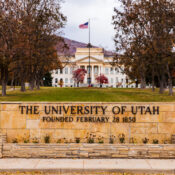
Located in the bustling heart of Salt Lake City, the University of Utah is the state’s flagship public research university. Founded in 1850, it has a long history of academic excellence and innovation. The university is home to 18 colleges and schools, offering nearly 100 different departments and a vast array of degree programs for undergraduate and graduate students.

A key difference from other state schools is its strong emphasis on research and healthcare. It was recognized as #2 for Innovation Impact Productivity by the George W. Bush Institute, highlighting its commitment to groundbreaking discoveries [Source: https://attheu.utah.edu/facultystaff/milken-and-bush-institute-rankings-recognize-u-for-tech-transfer/]. Student life is dynamic, with a strong school spirit, diverse clubs, and opportunities for interdisciplinary studies that connect students with Utah’s growing tech sector.

Whether you’re interested in the arts, sciences, or business, the U, as it’s affectionately known, provides a world-class education. Its urban setting gives you access to internships, cultural events, and outdoor adventures, creating a well-rounded college experience.

2. Brigham Young University (BYU)

As the flagship university of The Church of Jesus Christ of Latter-day Saints, Brigham Young University in Provo offers a unique educational environment that is “spiritually strengthening” and “intellectually enlarging.” The campus culture is deeply influenced by its faith tradition, which is integrated into its academic programs and student life.

BYU is renowned for its impressive range of over 200 undergraduate majors and 128 graduate programs. It stands out nationally for its foreign language degrees and has a highly-ranked business administration program through its Marriott School of Business. The admission process is holistic, considering academic achievement alongside personal essays and ecclesiastical endorsements.

The university fosters a close-knit community where character-building is as important as academic learning. Students at BYU find a supportive atmosphere with a distinct culture that encourages both personal growth and scholarly pursuit in a variety of fields.

3. Utah State University

Utah State University, located in Logan, began as an agricultural college in 1888 and has grown into a leading public research university. Unlike the more urban University of Utah, USU offers a classic college-town experience with a strong sense of community. The university is known for its career-driven degree programs and high graduation rates.

One of its distinguishing features is its commitment to hands-on learning, offering over 8,300 on-campus jobs to its students. Utah State also provides a range of academic options, including associate degrees, making higher education accessible to more students. The university prides itself on its award-winning faculty and internationally recognized research facilities.

Despite its large size, USU maintains a welcoming environment with excellent campus housing and an active Inclusion Center. Student life is vibrant, with numerous clubs and activities that foster a strong community spirit, making it a great place to learn and grow.

4. Weber State University

Weber State University in Ogden stands out as an affordable public university dedicated to providing quality education. With an open admissions policy, WSU makes college accessible to a broad range of students. The university offers over 225 degree programs, including 20 graduate degrees, ensuring you can find a path that aligns with your career goals.

What makes Weber State special? The university is renowned for its exceptional art facilities and high-caliber programs in the arts, with frequent concerts and galleries open to the public. It’s also a great choice for those who love the outdoors, as the university runs numerous outdoor programs that take advantage of the nearby mountains.

Furthermore, WSU is committed to affordability and offers various financial aid options to help you fund your education. Its supportive environment and career-focused learning make it a top choice for students seeking a valuable and practical degree.

5. Southern Utah University

Nestled in Cedar City, Southern Utah University is often called the “University of the Parks” due to its proximity to stunning natural landscapes. SUU provides a caring campus community focused on a quality education through hands-on experience and small class sizes. This public university offers over 140 undergraduate and 21 graduate degree programs across seven colleges.

SUU is particularly noted for its excellence in liberal arts and its commitment to career-focused learning. The student life on campus is enhanced by Cedar City’s famous festivals, including SUU’s own Tony Award-winning Utah Shakespeare Festival. This creates a unique small-town camaraderie and a culturally rich environment for students.

The university has been recognized as a Best Regional University in the West for having the lowest student debt, making it an attractive option for those seeking an affordable, high-quality education. With its focus on experiential learning, SUU prepares you for a successful future.

Types of Colleges and Universities in Utah

Utah’s higher education system is incredibly diverse, offering a wide spectrum of college options to fit every student’s needs. You can choose from large public universities, smaller private institutions, and specialized technical colleges. This variety ensures that whether you’re seeking a four-year bachelor’s degree or a two-year associate degree, you’ll find a program that’s right for you.

Many of the best colleges in the state provide unique learning environments, from the research-intensive setting of the University of Utah to the project-based curriculum at technology-focused schools. In the following sections, we’ll look closer at the different types of Utah colleges available.

Public Universities and Their Unique Offerings

Utah’s public universities are the backbone of its higher education system, offering affordable tuition and a wide range of academic programs. These institutions often have large student bodies, leading to diverse extracurricular activities and a spirited campus life. Because they receive government funding, in-state tuition is typically much lower than at private schools.

These universities are known for their reputable degree programs and flourishing student communities. You can find robust research opportunities, thriving athletic departments, and extensive alumni networks that provide valuable career connections after graduation. Student life at these major colleges is often dynamic, with countless clubs, events, and traditions that build a strong sense of belonging.

Here are some of the key public universities in Utah:

  • University of Utah: A top-tier research university in Salt Lake City.
  • Utah State University: A land-grant institution in Logan with strong community ties.
  • Weber State University: An accessible university in Ogden with a focus on arts and outdoor programs.
  • Southern Utah University: Known for its hands-on learning and location near national parks.

Private Colleges and Specialized Institutions

Private colleges in Utah provide a distinct alternative to public universities, often featuring smaller class sizes and a more personalized academic experience. These institutions are funded through endowments and tuition, and they don’t differentiate between in-state and out-of-state tuition costs, which can be an advantage for non-resident students.

Many private schools offer a focused range of academic majors, such as Westminster College’s liberal arts curriculum or the industry-driven programs at specialized schools. Are you looking for technology-focused colleges? Utah has those too. For example, Neumont College of Computer Science offers accelerated degrees in fields like software engineering and web development.

These institutions provide unique environments for learning and growth.

  • Brigham Young University: The flagship university of The Church of Jesus Christ of Latter-day Saints.
  • Westminster College: A private liberal arts college in Salt Lake City.
  • Neumont College of Computer Science: A career-focused college for technology degrees.
  • Ensign College: A skills-based institution sponsored by The Church of Jesus Christ of Latter-day Saints.

Community and Technical Colleges in Utah

For students seeking specialized skills, practical training, or an affordable start to their higher education, Utah’s community and technical colleges are an excellent choice. These schools offer technical diplomas, certificates, and associate degrees that prepare you for promising careers in trade industries, often in two years or less. Many students use these institutions as a stepping stone to a four-year university.

Schools like Salt Lake Community College and Snow College offer quality education with small class sizes, allowing for more personalized attention from instructors. Technical colleges, including Bridgerland Technical College and Mountainland Technical College, focus on hands-on training for specific careers. These institutions provide a cost-effective path to a rewarding job.

Here is a look at some of Utah’s community and technical colleges:

College Name Key Feature
Salt Lake Community College Offers over 120 programs with an average class size of 20.
Snow College A top two-year college known for its transfer programs and music school.
Bridgerland Technical College Provides competency-based education for technical careers.
Southwest Technical College Focuses on hands-on learning for high-demand jobs.

Conclusion

Utah’s academic landscape is diverse and vibrant, offering a wealth of opportunities for students seeking higher education. From the renowned University of Utah to specialized institutions and community colleges, there’s something for everyone. As you explore your options, consider the unique programs and campuses that align with your personal and professional goals. Whether you’re looking for a robust technology program or a supportive community college environment, Utah’s colleges cater to various needs and aspirations. Start your journey today and discover how the Beehive State can be the perfect place for your educational endeavors. For more personalized guidance, don’t hesitate to reach out for assistance!

Frequently Asked Questions

Which Utah colleges have strong technology programs?

Several Utah colleges offer excellent technology programs. The University of Utah has a top-tier engineering college, while Utah Valley University provides various tech-focused degrees. For a specialized experience, Neumont College of Computer Science offers accelerated, project-based degrees in areas like software engineering and computer science.

How do I find a comprehensive list or directory of Utah colleges?

A great resource for finding a complete directory of Utah colleges is the National Center for Education Statistics (NCES). Its College Navigator tool allows you to search for Utah schools by program, location, and other criteria, providing a comprehensive list to help you explore your options.

Which public universities are available in Utah?

Utah is home to several excellent public universities. The largest and most well-known include the University of Utah in Salt Lake City, Utah State University in Logan, Weber State University in Ogden, and Southern Utah University in Cedar City, each offering a wide range of degree programs.

What is the cheapest 4 year college in Utah?

While tuition can vary, Snow College is highly regarded for its affordability and offers several bachelor’s degree programs, making it a contender for the cheapest 4-year option. It is known for its low cost of attendance and provides an accessible path to a four-year degree in Utah.

How much do Utah colleges cost?

The cost of attendance for Utah colleges varies widely depending on the institution and whether it’s public or private. When comparing costs, look at the total cost of attendance, not just tuition. Abundant financial aid is available, so be sure to explore scholarships, grants, and loans.

Key Highlights

  • Tennessee offers a diverse range of higher education options, from large public universities to prestigious private institutions.
  • Discover some of the best colleges in the state, recognized for academic excellence and vibrant campus life.
  • The University of Tennessee system provides robust research opportunities and community engagement across its campuses.
  • Financial aid is a key focus, with programs like the Tennessee Promise offering tuition-free access to community and technical colleges.
  • Graduates benefit from a dynamic job market in industries like healthcare, technology, and manufacturing, ensuring strong student success.

Exploring the Diverse Colleges of Tennessee

The state of Tennessee is home to a rich and varied landscape of higher education institutions. For prospective students, the choices range from sprawling public universities to intimate private institutions, each offering a unique path to academic excellence. Whether you are drawn to the bustling heart of Nashville or the serene setting of the Cumberland Plateau, there is a campus that fits your aspirations.

Deciding on a college is a major step, and Tennessee provides a wealth of options. Schools like the University of the South, Belmont University, and Rhodes College contribute to the state’s impressive rankings. This guide will help you navigate the best colleges, explore their student life, and find the perfect fit for your educational journey among Tennessee’s top-tier national universities and local community campuses.

Major Public Universities and Their Campus Communities

Tennessee’s public university system is a cornerstone of its educational offerings, preparing undergraduate students for success in the state’s workforce and beyond. These institutions are known for their commitment to academic rigor, research, and providing an excellent quality of life for their campus communities. Are you looking for a large-scale university experience with deep community ties?

One of the most prominent is The University of Tennessee, Knoxville, which emphasizes research opportunities and community engagement, encouraging students to apply their learning outside the classroom. Similarly, East Tennessee State University boasts a wide array of programs in fields like Health Sciences and Business. Tennessee Tech University, located in Cookeville, is renowned for its focus on STEM education and valuable hands-on learning experiences that prepare graduates for technical careers.

These universities, including Middle Tennessee State University and Tennessee State University, offer more than just degrees; they cultivate vibrant campus life and foster student success. By connecting students with local industries and communities, they ensure graduates are not only knowledgeable but also ready to make a meaningful impact.

Esteemed Private Institutions Across the State

Beyond the public system, Tennessee is home to several esteemed private institutions that are celebrated for their academic excellence and distinctive campus cultures. These colleges often provide smaller class sizes, specialized programs, and tight-knit communities that many students find appealing. From Vanderbilt University to Rhodes College and Union University, the private options are some of the best value schools in the nation.

Vanderbilt University, situated in Nashville, is a leading research university with global recognition. According to U.S. News & World Report, it consistently ranks as one of the top universities in the country.

  • Academic Excellence: Vanderbilt is ranked #1 among the best colleges in Tennessee and #18 among national universities.
  • Research Opportunities: It is a premier research institution with significant contributions across many fields.
  • Community Involvement: The university encourages students to engage with the Nashville community through service-learning.

Other notable private colleges include Rhodes College in Memphis, which offers a strong liberal arts education, and the University of the South (Sewanee), known for its stunning campus and rich literary tradition. Institutions like Lipscomb University, Belmont University, and Lincoln Memorial University also provide unique educational pathways for their undergraduate students, building on strong alumni networks and a commitment to academic achievement.

Community Colleges and Colleges of Applied Technology in Tennessee

For many Tennesseans, the path to a rewarding career begins at one of the state’s community colleges or Tennessee Colleges of Applied Technology (TCATs). These institutions are focused on workforce development, offering programs of study that provide practical experience and lead directly to high-demand jobs. They are an accessible entry point into higher education for students just out of high school and for adults seeking continuing education.

With a diverse student body, these colleges offer certificates and associate degrees that enhance career prospects and improve quality of life. They emphasize hands-on training and community engagement, ensuring students gain the technical skills needed in today’s competitive job market. The following sections will explore their specific locations and the career pathways they open up.

Locations and Unique Offerings

With 36 community and technical colleges spread across the state, access to quality training is never far away. Tennessee has 13 community colleges and 23 Colleges of Applied Technology, each serving its local population with tailored programs. For example, Dyersburg State Community College is known for its flexible schedules and online learning options, making education accessible for working adults. Meanwhile, the TCAT system is a leader in providing technical certificates for work-ready skills in fields from healthcare to IT.

These institutions are strategically located to serve communities from Memphis to the Appalachian Mountains. Whether you are in a major city or a rural area, you can find a campus nearby. This widespread presence is crucial for developing the state’s workforce and providing practical experience close to home. Their focus on career prospects ensures that the programs of study align with the needs of local employers.

Here are a few examples of community colleges and their primary locations:

Institution Name Main Campus Location
Chattanooga State Community College Chattanooga, TN
Nashville State Community College Nashville, TN
Pellissippi State Community College Knoxville, TN
Southwest Tennessee Community College Memphis, TN

Pathways to Careers and Continuing Education

The primary goal of Tennessee’s community and technical colleges is to create clear pathways to student success. With more than 400 programs of study available, students can earn valuable certificates or associate degrees that prepare them for immediate entry into the workforce. These programs are designed to provide the practical experience employers are looking for, boosting career prospects right after graduation.

For those planning to continue their education, these colleges offer a seamless transition. Many students complete their first two years at a community college before transferring to a four-year university to complete a bachelor’s degree. This pathway is an affordable and effective route for continuing education. Additionally, with over 500 online degree and certificate options available through TN eCampus, students have incredible flexibility.

This focus on both immediate employment and long-term educational goals makes community colleges a vital part of Tennessee’s higher education system. Through community engagement and hands-on training, they empower a diverse range of students to achieve their dreams and contribute to the state’s workforce.

Frequently Asked Questions

Is Vanderbilt University considered one of the best colleges in Tennessee?

Yes, Vanderbilt University is widely considered one of the best colleges in Tennessee and the nation. Recognized for its exceptional academic excellence, the U.S. News & World Report ranks it as the #1 university in the state and #18 nationally. [1] Its rigorous programs attract a talented and diverse student body.

What financial aid options are available for Tennessee college students?

Tennessee offers several financial aid options to make college more affordable. The Tennessee Promise program provides tuition-free community or technical college for eligible high school graduates. The Tennessee Hope Scholarship supports students at four-year institutions. Many universities also offer their own merit-based scholarships and need-based aid to promote student success.

What are the admission requirements at Tennessee State University?

Admission requirements for undergraduate students at Tennessee State University typically include submitting high school transcripts, standardized test scores (like the ACT or SAT), and a completed application. However, requirements can change, so prospective students should always check the official TSU admissions website for the most current and detailed information.

Key Highlights

  • South Dakota offers a diverse range of higher education options, from large public institutions to small private colleges.
  • The state is home to top-rated schools like the University of South Dakota and South Dakota State University.
  • You can find specialized degree programs in technology and engineering at Dakota State University and the South Dakota School of Mines.
  • Students have a choice between two-year technical colleges and four-year universities offering a variety of majors.
  • The best colleges in the state provide robust academic programs and excellent student outcomes for your future career.

Introduction

Welcome to the heart of the Midwest! South Dakota, often called the Mount Rushmore State, is more than just stunning landscapes and national monuments. It is also a fantastic destination for your higher education journey. Whether you are seeking a large research university, a specialized technical school, or a close-knit liberal arts college, you will find excellent options here. The state provides a unique blend of quality academics and a welcoming environment, making it an ideal place to pursue your degree and prepare for your future.

Top Colleges in South Dakota to Consider for Your Studies

When you begin your search for the best colleges in South Dakota for undergraduate programs, you will discover a variety of outstanding institutions. Each school offers unique strengths, from comprehensive research opportunities to specialized, career-focused training.

Key institutions to explore include the University of South Dakota, South Dakota State University, Augustana University, and Dakota State University. These schools represent the diverse landscape of higher education in the state. Let’s look closer at what makes some of these top colleges stand out.

1. University of South Dakota

The University of South Dakota (USD), located in Vermillion, is a cornerstone of public education in the state. As the designated liberal arts university, it provides a broad and enriching academic experience. You can choose from 202 undergraduate programs, including popular fields like journalism, clinical psychology, and neuroscience.

What makes the University of South Dakota unique is that it hosts the state’s only medical and law schools. The Sanford School of Medicine and the School of Law offer professional degree programs that draw students from across the region. This distinction makes USD a hub for aspiring doctors and lawyers.

Beyond academics, the university has a vibrant student body. The USD Coyotes compete in NCAA Division I athletics as part of the Summit League, creating an exciting campus atmosphere. With a wide array of programs and a dynamic student life, USD offers a comprehensive college experience.

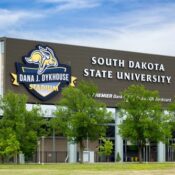
2. South Dakota State University

If you’re wondering where South Dakota State University is located, you will find it in the city of Brookings. As the state’s land-grant university, South Dakota State has a long history of excellence in education and research since its founding in 1881. It is the state’s largest university, offering a vast array of academic programs.

With over 200 majors available, you can explore fields ranging from agriculture and engineering to nursing and the arts. The university is known for its strong programs in animal sciences, mechanical engineering, and pharmacy. This variety ensures you can find a path that aligns with your career goals.

The student body at South Dakota State University is diverse, with students from 47 states and 66 countries. Campus life is energetic, with 19 Division I sports teams, known as the Jackrabbits, competing in the Summit League. This combination of robust academics and an active community makes SDSU a top choice.

3. Augustana University

Situated in Sioux Falls, Augustana University is a private liberal arts institution affiliated with the Lutheran Church. It was founded on traditions of thoughtfulness and service, which continue to shape its campus culture today. The university provides a personalized educational experience with a focus on undergraduate studies.

You can select from over 100 bachelor’s degree programs, with popular choices including business administration, nursing, and psychology. Augustana is particularly well-recognized for its undergraduate research program, which encourages students to explore new concepts and work closely with faculty mentors.

Outside the classroom, Augustana offers a lively campus environment with more than 100 student organizations and activities. Students can get involved in everything from specialized clubs to 19 NCAA Division II athletic teams. This supportive community and strong academic focus make it a leading private university.

4. South Dakota School of Mines and Technology

Yes, South Dakota has specialized technology colleges, and the South Dakota School of Mines and Technology is a prime example. Located in Rapid City, this public university is dedicated to STEM-focused education. “South Dakota Mines,” as it’s often called, was established in 1885 to support the region’s mining industry and has since become a top science and engineering school.

The curriculum at South Dakota Mines is centered on engineering, computer science, mathematics, and environmental science. You can pursue professional degree programs in high-demand fields like mechanical engineering, civil engineering, and chemical engineering. The school equips you with the problem-solving skills needed for a successful career in technology.

With its strong focus on hands-on learning and research, the university prepares the next generation of leaders and innovators. Its commitment to science and technology, including emerging areas related to artificial intelligence, provides a cutting-edge educational experience.

5. Dakota State University

Another one of South Dakota’s specialized technology colleges is Dakota State University in Madison. While it started as a teacher’s college in 1881, DSU has evolved into one of the most technologically advanced campuses in the Midwest. It is nationally recognized for its focus on computer science and information systems.

Dakota State has been designated as a Center of Academic Excellence in cyber defense and cyber operations by the National Security Agency. This makes it a premier institution for students interested in fields like computer information systems, cyber operations, and digital arts. The university also offers a number of its degree programs as online programs, providing flexibility for learners.

Even with its tech focus, DSU remains committed to its roots in education, offering degrees in elementary and special education. This blend of tradition and innovation allows you to pursue a degree that is both cutting-edge and grounded in proven educational principles.

Comparing Public and Private Colleges in South Dakota

When choosing a college, you might wonder about the main differences between South Dakota’s public and private colleges. Public universities are funded by the state and overseen by the South Dakota Board of Regents. This generally leads to larger student populations, a wider range of degree programs, and more affordable tuition for residents.

Private colleges, on the other hand, operate independently and are funded through tuition, endowments, and donations. They often feature smaller class sizes, specialized missions, and distinct campus cultures. Let’s examine the unique features of both public and private institutions.

Key Features of Public Universities

Public universities in South Dakota are known for their size, diversity, and comprehensive academic offerings. Governed by the South Dakota Board of Regents, these institutions provide a vast array of undergraduate programs and research opportunities. As a student at a state university, you’ll be part of a large and dynamic community with access to extensive resources.

These schools are designed to serve the educational needs of the entire state, resulting in strong student outcomes across many disciplines. Below is a list of the public four-year universities in South Dakota.

University Name Location
Black Hills State University Spearfish & Rapid City
Dakota State University Madison
Northern State University Aberdeen
South Dakota State University Brookings
South Dakota School of Mines & Technology Rapid City
University of South Dakota Vermillion & Sioux Falls

The variety among these public universities ensures that you can find a program and campus environment that fits your goals, whether you are interested in liberal arts, engineering, or education.

Advantages of Private Colleges

Private colleges in South Dakota offer a different kind of higher education experience, often characterized by a more intimate and specialized environment. Schools like Augustana University and the University of Sioux Falls provide an alternative to the larger public university system. One of the main differences between South Dakota’s public and private colleges is the smaller scale, which can lead to more personalized attention.

The advantages of attending a private college often include:

  • Smaller Student Body: With fewer students, you can benefit from smaller class sizes and a lower student-to-faculty ratio.
  • Unique Campus Culture: Many private colleges have a specific mission, such as a liberal arts focus or a religious affiliation, that shapes the community.
  • Specialized Degree Programs: Some private institutions offer unique or niche degree programs not found at larger universities.

These colleges foster close-knit communities where students can easily connect with their peers and professors. If you are looking for a supportive and focused academic setting, a private college in South Dakota might be the perfect fit for you.

Conclusion

In summary, South Dakota offers a range of excellent educational opportunities for students seeking a unique and fulfilling college experience. With top institutions like the University of South Dakota and South Dakota State University, you can find programs that cater to various interests and career goals. Whether you prefer a public university’s diverse offerings or the personalized attention of a private college, South Dakota provides an environment conducive to both academic and personal growth. As you consider your options, embrace the chance to study in the heart of the Midwest, where community and education go hand in hand. If you’re ready to take the next step in your academic journey, reach out to us for a free consultation on finding the right college for you!

Frequently Asked Questions

What majors are most popular at South Dakota colleges?

Across South Dakota colleges, some of the most popular majors include fields that lead to high-demand careers. Health sciences, particularly nursing, are very common. Other popular choices are business administration, elementary education, biology, psychology, and general studies, reflecting the state’s diverse academic and professional opportunities.

Does South Dakota have any specialized technology colleges?

Yes, South Dakota is home to excellent specialized technology institutions. Dakota State University is a leader in computer science, cyber defense, and information systems. The South Dakota School of Mines and Technology is a top-tier technical college focused on engineering, science, and fields related to artificial intelligence.

How do I find colleges in South Dakota by major or field of study?

You can use online tools like SDMyLife or Mapping Your Future’s College Explorer to search for degree programs. Visiting the websites of individual institutions like the University of South Dakota is also a great way to explore their specific professional degree programs, online courses, and other academic offerings.

Key Highlights

Thinking about pursuing higher education in South Carolina? It’s a top choice for many students, and for good reason. Here’s a quick look at what makes the state’s colleges so special:

  • South Carolina offers a unique blend of academic excellence and welcoming Southern charm.
  • Institutions like Clemson University and the University of South Carolina are at the forefront of research and innovation.
  • Students are empowered to develop transformative solutions for a more resilient future.
  • The state provides a diverse range of public, private, and technical colleges to fit your unique goals.
  • Graduates are well-prepared to enter a growing job market and achieve their professional ambitions.
  • You’ll find vibrant campus communities dedicated to supporting student success and personal growth.

Top Colleges in South Carolina for Academic Excellence and Southern Charm

Choosing a college is a major decision, and South Carolina presents some of the most compelling options in the nation. The state is home to institutions that perfectly balance academic rigor with that famous Southern charm, making it a top choice for students from all over the world. Whether you’re interested in a large public university or a smaller, more intimate campus, you’ll find a place with a vibrant community of dedicated students.

These colleges aren’t just about beautiful campuses; they are powerhouses of learning and research. From historic schools in Charleston to major research institutions, you can find the perfect environment to challenge yourself and grow. Let’s explore a few of the leading institutions that define higher education in the Palmetto State.

1. Clemson University – Innovation Meets Tradition

As one of the nation’s top public research universities, Clemson University is driven by a powerful mission: to change lives, change perception, and ultimately, change the world. The university fosters a culture of hard work and collaboration, where students and faculty work together on projects that have a real-world impact. This commitment to purpose-driven education makes Clemson a leader in developing transformative solutions.

The focus on innovation is clear in the work happening across campus. Researchers at Clemson are making significant strides in various fields. For example, teams are:

  • Creating novel testing methods to improve helmet performance and athlete safety.
  • Developing new organic crops that create beneficial harvest options for South Carolina farmers.
  • Finding unique paths to improve the future of health care through community-based initiatives.

Beyond academics, the spirit of the Clemson Tigers creates a bond that lasts a lifetime. The vibrant community welcomes everyone, and as many Clemson alumni will tell you, the sound of the campus carillon bells always feels like coming home. You can find more about their programs on their official website. [1]

2. University of South Carolina – A Hub for Research and Diversity

The University of South Carolina stands as a premier public research institution, attracting students who are eager to make a difference. It’s a place where artists, scientists, and future leaders begin the work that will define their careers and shape our culture. The university offers a vast array of academic paths for students to pursue their passions and prepare for the future.

With a strong emphasis on comprehensive education, the university provides numerous opportunities at both the undergraduate and graduate levels. This allows students to tailor their education to their specific career goals.

Program Level Number of Programs Offered
Undergraduate Majors Over 80
Graduate Degree Programs Over 130

This extensive range of programs, combined with a focus on research, helps build a vibrant community of dedicated students. Here, you can collaborate on projects that have a tangible impact, particularly in areas like shaping the future of health care and strengthening communities across the state. Explore more at the University of South Carolina’s official site. [2]

3. College of Charleston – Historic Campus, Modern Programs

Nestled in the heart of one of America’s most beautiful cities, the College of Charleston offers an experience unlike any other. It masterfully combines a stunningly historic campus with modern programs designed to prepare you for today’s world. If you’re looking for an inspiring environment to pursue your professional ambitions, this could be the perfect place for you.

The college empowers students to forge their own way forward, providing the resources and support needed to succeed. Here, you are encouraged to:

  • Create a unique path toward your academic and career goals.
  • Explore new ideas and challenge traditional boundaries.
  • Engage with a close-knit community that values collaboration and creativity.

This unique combination of place and purpose helps students discover new perspectives and gain the confidence to pursue their dreams. The historic setting serves as a daily reminder of the college’s long legacy of academic excellence, while its forward-thinking approach ensures you’re ready for the future. You can learn more on the College of Charleston’s website. [3]

Frequently Asked Questions

Are there independent or private colleges in South Carolina?

Yes, South Carolina is home to many excellent independent colleges and private colleges. These schools offer diverse learning environments and specialized programs. Some notable institutions include Bob Jones University, North Greenville University, Allen University, and Southern Wesleyan University, each providing a unique educational experience for students.

What are the admission requirements for major universities in South Carolina?

Admission requirements for a public university in South Carolina typically vary by institution. Generally, schools like the University of South Carolina, Clemson University, and the College of Charleston will ask for your high school transcripts, letters of recommendation, and a personal essay. Standardized test scores (SAT/ACT) may be optional or recommended.

What’s the South Carolina job market outlook?

The South Carolina job market is growing, and a higher education from a state university positions you for success. Graduates are equipped with the skills to develop transformative solutions and build a more resilient future, allowing them to confidently pursue their professional ambitions in a variety of thriving industries.

Citations: [1] https://www.clemson.edu/ [2] https://sc.edu/ [3] https://cofc.edu/

Key Highlights

Thinking about higher education in Rhode Island? The Ocean State offers a diverse range of colleges to fit your goals. Here are a few key takeaways from our guide:

  • Rhode Island is home to some of the nation’s best colleges, including the prestigious Ivy League Brown University.
  • Institutions like the University of Rhode Island provide comprehensive undergraduate and graduate programs.
  • The state offers accessible education options, ensuring pathways to student success for everyone.
  • From liberal arts to professional studies, you can find a field of study that matches your passion.
  • Many schools focus on affordability, with options for financial aid to support your journey.

Leading Colleges in Rhode Island: Exploring Higher Education in the Ocean State

Rhode Island may be the smallest state, but it packs a big punch when it comes to higher education. You can find a whole world of possibilities here, from world-renowned research universities to accessible public colleges. Top-ranked institutions like the Ivy League Brown University, the comprehensive University of Rhode Island, and the career-focused Johnson & Wales University offer a wide array of programs for both undergraduate and graduate students.

Whether you’re looking for a bustling campus in Providence or a quieter setting, the Ocean State has an institution that can help you build the future of your dreams. Let’s explore some of the leading colleges in Rhode Island that are shaping the next generation of leaders and innovators.

1. Brown University – Ivy League Excellence and Distinctive Programs

As a prestigious member of the Ivy League, Brown University stands out for its commitment to academic freedom and student-led learning. Founded in 1764, it is known for its distinctive Open Curriculum, which allows students to design their own course of study without traditional core requirements. This emphasis on interdisciplinary education encourages you to explore diverse interests and craft a unique academic path.

The university’s reputation is built on its dedicated faculty members and a culture that fosters intellectual curiosity. While the school’s selectivity is high, with a very low acceptance rate, those who attend benefit from an environment that prioritizes student success and critical thinking. Graduates often go on to lead in their chosen field of study, equipped with a broader view of the world.

Key features of Brown University include:

  • Acceptance Rate: Approximately 5.4%
  • Median Starting Salary: $79,131
  • Unique History: The first North American school to accept students regardless of religious affiliation.
  • Notable Alumni: Founders of major companies like ZipRecruiter, CNN, and Cards Against Humanity.

2. University of Rhode Island – Comprehensive Undergraduate & Graduate Opportunities

For those seeking a large, public research university experience, the University of Rhode Island (URI) is an excellent choice. Located in Kingston, URI offers a vast range of programs for both undergraduate students and those pursuing graduate programs. This makes it a hub for academic and research opportunities across many disciplines, from engineering and health sciences to liberal arts and business.

One of URI’s unique features is its status as a land, sea, and urban grant institution, which connects its research and educational efforts directly to the needs of the state and the nation. According to the Integrated Postsecondary Education Data System, URI provides substantial grant aid to a high percentage of its students, making it a valuable and accessible option for higher learning. The university is a major contributor to the state’s education statistics and workforce.

University of Rhode Island Snapshot Details
Undergraduates 14,376
Acceptance Rate 72.2%
Average Net Price $20,964
Median Starting Salary $57,446

3. Rhode Island College – Accessible Education and Application Insights

Rhode Island College (RIC) is celebrated for providing accessible education to a diverse student body. As the second oldest institution of higher learning in the state, RIC has a long history of preparing students for successful careers, particularly in fields like nursing, education, and psychology. The college is committed to affordability, offering significant financial aid to help you manage costs.

The application process for Rhode Island College is designed to be straightforward. You can apply online, and the school has a high acceptance rate, welcoming a broad range of students. For those interested in seeing the campus, RIC and other colleges typically offer campus tours and open house events, which are great resources for getting a feel for student life and academic facilities. The school’s 14-to-1 student-to-faculty ratio ensures you receive personalized attention.

Here are some quick facts about applying to RIC:

  • Acceptance Rate: 91.8%
  • Student-to-Faculty Ratio: 14 to 1
  • Popular Majors: Registered Nursing, Psychology, and General Studies.
  • Yield Rate: 23% of accepted students choose to enroll.

Frequently Asked Questions

What makes Brown University stand out among Rhode Island colleges?

Brown University stands out primarily because of its Ivy League status and its unique Open Curriculum, which allows students unparalleled freedom to design their own field of study. This approach, combined with its extremely high student success metrics and graduation rate, makes it one of the most prestigious and distinctive institutions in the United States.

Are there community colleges in Rhode Island?

Yes, the Community College of Rhode Island (CCRI) is the state’s primary community college, with multiple campuses. It offers over 200 degree and certificate programs in areas like professional studies, health sciences, and technology. CCRI is a key part of Rhode Island’s education statistics, providing an affordable and accessible pathway to four-year universities or high-demand careers.

Which Rhode Island colleges are well-known for business programs?

Several Rhode Island colleges have strong business programs. Bryant University is highly ranked for its business-focused curriculum. The University of Rhode Island and Rhode Island College also offer robust business degrees. Additionally, Johnson & Wales University is well-regarded for its career-oriented programs, including those in business and hospitality.

Key Highlights

  • Oklahoma offers a diverse range of higher education options, from large research universities to specialized institutions.
  • The University of Oklahoma is a leading research institution with comprehensive academic campuses and strong health sciences programs.
  • Oklahoma State University provides a vibrant campus life and a supportive environment for students to thrive.
  • Many colleges in the state, including the University of Central Oklahoma, are recognized for excellent undergraduate and graduate programs.
  • You can find schools with a strong focus on specific fields, such as the health sciences at Southwestern Oklahoma State University.
  • Institutions across the Sooner State are committed to providing the best value and educational excellence for a brighter future.

Introduction

Are you considering your options for higher education? The Sooner State might just be the perfect choice for your academic journey. Oklahoma is home to a wide array of colleges and universities, each offering unique opportunities, programs, and campus cultures. Whether you are looking for a bustling state university environment or a smaller, specialized campus, the colleges in Oklahoma provide a strong foundation for your future success. This guide will explore some of the top academic options available to you.

Exploring Colleges in Oklahoma: Academic Options Across the Sooner State

The state of Oklahoma boasts a rich landscape for higher education, giving you plenty of choices to find the right fit. From major research hubs like the University of Oklahoma and Oklahoma State University to regional powerhouses like the University of Tulsa, there is an institution to match every ambition. These schools offer a wide range of programs designed to prepare you for the challenges of tomorrow.

As you explore your options, you will discover that each university has its own distinct strengths and community spirit. Let’s take a closer look at a few of the state’s prominent institutions to help you understand what makes each one special.

1. University of Oklahoma – Flagship Campus and Leading Research Institution

The University of Oklahoma (OU) stands as the flagship university and a premier research institution in the state. Designated by the Carnegie Foundation with the highest level of research activity, OU is a center for innovation and educational excellence. The university’s commitment to research is evident in centers like the OU Health Harold Hamm Diabetes Center, which honors top scientists for their work in biomedical research. Professor Dr. Anette-Gabriele Ziegler, Director of the Institute of Diabetes Research, is a recent recipient of the prestigious Harold Hamm International Prize for her work on Type 1 diabetes. [1]

With three distinct campuses in Norman, Oklahoma City, and Tulsa, OU offers over 170 academic programs. The Norman campus, where the flagship university flourishes, is a progressive college town that provides a dynamic backdrop for student life. This environment fosters a shared determination among its more than 31,000 students to push boundaries and achieve their greatest potential.

OU’s renewed strategic plan reinforces its dedication to student success and service to the state. This relentless drive for improvement has helped it become the No. 1 university in Oklahoma, according to U.S. News & World Report’s Best Colleges list. If you’re seeking an institution with a strong research focus and a legacy of academic achievement, OU offers an unrivaled chance to grow.

2. Oklahoma State University – Comprehensive Programs and Vibrant Campus Life

Oklahoma State University (OSU) is another cornerstone of higher education in the state, known for its comprehensive programs and incredibly strong sense of community. The spirit of the “Cowboy Family” is a defining feature of the campus, creating a supportive network where OSU support students in every aspect of their college experience. This welcoming environment helps students feel at home from day one. [2]

Campus life at OSU is full of energy and opportunity. A nationally recognized athletics program is an outstanding facet of a vibrant campus life, bringing students and alumni together with immense pride. Beyond sports, the university is a hub of research innovation, encouraging students to engage with new ideas and contribute to a better future. The combination of rigorous academics and a lively social scene makes for a well-rounded college experience.

If you are searching for a large state university that prioritizes both academic excellence and a close-knit community, Oklahoma State University could be the ideal place for you. It offers the resources of a major institution while fostering a personal and supportive atmosphere.

3. University of Central Oklahoma – Known for Innovative Undergraduate Education

The University of Central Oklahoma (UCO) has carved out a reputation for its strong focus on innovative undergraduate education. This institution is dedicated to providing students with transformative learning experiences that prepare them for the modern workforce. UCO is committed to developing innovative solutions that enhance student learning and success, making it a top choice for those beginning their higher education journey. [3]

The university prides itself on its welcoming campus environment, where students from all backgrounds can feel a sense of belonging. This supportive atmosphere is a key part of UCO’s identity, ensuring that you have the resources and encouragement needed to thrive both academically and personally. The emphasis is on creating a student-centered experience from enrollment to graduation.

For prospective students who value a hands-on approach to learning and a campus culture that is both inclusive and forward-thinking, the University of Central Oklahoma stands out. Its dedication to undergraduate education makes it a powerful launchpad for your career and future academic pursuits.

4. Southwestern Oklahoma State University – Strong Professional and Health Sciences Focus

Southwestern Oklahoma State University (SWOSU) is a key institution in the state, particularly for students interested in professional and health-focused careers. The university has developed a strong reputation for its programs in the health sciences, offering curricula that equip students with the skills and knowledge needed for these demanding fields. If you have a passion for healthcare, SWOSU’s specialized programs are worth exploring. [4]

The university operates on comprehensive academic campuses that provide students with innumerable resources to support their studies. From modern labs to dedicated faculty, SWOSU ensures that you have everything you need to succeed. This focus on providing practical tools and a supportive learning environment helps students transition smoothly from the classroom to their professional careers.

Ultimately, Southwestern Oklahoma State University is a great school for those with clear career goals, especially in healthcare and other professional sectors. Its blend of focused academics and robust campus resources makes it a strong contender for students seeking a practical and career-oriented education.

Conclusion

In conclusion, Oklahoma offers a diverse array of academic institutions that cater to different interests and career paths. From the University of Oklahoma’s esteemed research programs to Oklahoma State University’s vibrant campus life, students have many options to explore. Each college brings unique strengths, whether it be a focus on professional and health sciences at Southwestern Oklahoma State University or innovative undergraduate education at the University of Central Oklahoma. As you consider your educational journey, take the time to research each option thoroughly. If you need more personalized guidance, don’t hesitate to reach out for a free consultation to help you find the right fit for your aspirations in the Sooner State!

Frequently Asked Questions

How many colleges are in the Oklahoma state system?

The Oklahoma State System of Higher Education is extensive, comprising 25 colleges and universities. [5] This network includes major research institutions, regional universities, and community colleges. These comprehensive academic campuses are located throughout the state, ensuring broad access to quality higher education for all Oklahomans.

What is the cheapest 4-year college in Oklahoma?

While tuition costs vary annually, several of Oklahoma’s regional state universities are often cited for offering the best value. To find the most affordable option for you, it is important to research current tuition rates and explore the financial aid packages offered by each institution. Many schools provide significant aid, which can greatly reduce the overall cost. [6]

Which colleges in Oklahoma are best for undergraduate programs?

Several Oklahoma colleges are excellent for undergraduate programs. The University of Oklahoma offers research-intensive studies, Oklahoma State University provides a comprehensive experience, and the University of Central Oklahoma is specifically recognized for its innovative focus on undergraduate education. The best choice depends on your academic and career goals.

Citations: [1] “Laureate Announced for Hamm International Prize for Diabetes Research.” The University of Oklahoma, www.ou.edu/news/articles/2023/may/laureate-announced-for-hamm-international-prize-for-diabetes-research. Accessed 19 October 2023. [2] “About OSU.” Oklahoma State University, go.okstate.edu/about/. Accessed 19 October 2023. [3] “About UCO.” University of Central Oklahoma, www.uco.edu/about. Accessed 19 October 2023. [4] “About SWOSU.” Southwestern Oklahoma State University, www.swosu.edu/about/index.php. Accessed 19 October 2023. [5] “Oklahoma Colleges & Universities.” Oklahoma State Regents for Higher Education, okhighered.org/state-system/colleges-universities/. Accessed 19 October 2023. [6] “Your Future. Our Purpose.” Oklahoma College Assistance Program (OCAP), www.ocap.org/. Accessed 19 October 2023.

Key Highlights

Here is a quick overview of what you will find in our guide to colleges in Oregon:

  • The state of Oregon offers a diverse landscape for higher education, from major research institutions to urban campuses.
  • Oregon State University is a leading land-grant institution known for its research in climate science, robotics, and clean energy.
  • The University of Oregon provides a classic college town experience with a strong focus on experiential learning.
  • Institutions are spread across the state, offering unique learning environments from the Pacific coast to the high desert of Central Oregon.
  • Many Oregon colleges emphasize hands-on learning and connect students with the state’s beautiful natural resources.

Exploring Colleges in Oregon: Leading Institutions in the Pacific Northwest

Are you considering your options for higher education in the Pacific Northwest? The state of Oregon is home to a fantastic array of colleges and universities, each with its own unique character and strengths. From the bustling city of Portland to charming college towns, you will find institutions with years of institutional excellence. The Western United States is known for its innovation, and Oregon’s schools are no exception.

Whether you are looking for a large public research university or a smaller campus with a tight-knit community, the Oregon colleges have something to offer. These schools provide a gateway to incredible career paths and personal growth. Let’s look at some of the leading institutions that define the educational landscape in this beautiful state.

1. University of Oregon – Academics, Campus Life & Student Experience

The University of Oregon offers a vibrant and engaging student experience in a setting often celebrated as one of America’s best college towns. The university is known for providing a comprehensive education where you can find the right program of study to match your passions and career goals. It emphasizes a supportive learning environment with opportunities for direct interaction with faculty.

Student life is a core part of the experience, with a wide range of clubs, organizations, and events that create a dynamic campus community. The focus is on a well-rounded education, combining rigorous academics with personal growth. You’ll find that experiential learning is encouraged, allowing you to apply classroom knowledge to real-world situations.

What can you expect from the student experience?

  • A diverse academic catalog with numerous majors and minors.
  • An active campus life with endless opportunities to get involved.
  • Small classes in many programs, fostering closer connections with professors.

2. Oregon State University – Research Excellence & Popular Programs

Founded over 150 years ago, Oregon State University stands out as a premier land grant institution dedicated to accessible and extraordinary education. As the state’s most innovative university according to U.S. News & World Report, it is a hub for groundbreaking research. OSU excels in finding solutions to pressing environmental issues through studies in climate science, clean energy, and biotechnology. This strong academic reputation attracts students from all over.

The university’s reach extends across the state through the OSU Extension Service, which supports communities in all 36 counties. Oregon State programs are designed to equip you with the skills needed to succeed in the workforce. From its main campus in Corvallis to its coastal research center, OSU provides diverse learning environments.

OSU Location Focus
Corvallis Historic main campus in a top-rated college town.
OSU-Cascades Offers over 20 majors and small classes in Central Oregon.
Oregon State Ecampus Top-ranked online education with 150+ years of institutional excellence.
Hatfield Marine Science Center Hands-on learning and research on the Pacific coast.
OSU Portland Center A hub for hybrid MBA, pharmacy programs, and professional courses.

3. Portland State University – Urban Learning & Diverse Opportunities

For those seeking an education in the heart of a vibrant city, Portland State University provides a unique model of urban learning. Located in Oregon’s largest city, the campus is deeply integrated with its eclectic downtown surroundings. This setting gives you direct access to a wealth of internships, cultural events, and professional opportunities that complement your academic journey.

The university serves as a dynamic center for the community, acting as a premier conference venue and a provider of professional development courses. This connection to the city’s professional landscape allows you to build a network and gain practical experience while you study. Student life is intertwined with the energy of Portland, from its famous local cuisine to its bustling arts and music scenes.

What makes an urban university in Portland stand out?

  • Opportunities for professional development courses alongside your degree.
  • A campus that serves as a meeting and conference venue for the city.
  • Immediate access to the diverse culture and career opportunities of an eclectic downtown area.

Frequently Asked Questions

Which Oregon colleges are known for their research and academic reputation?

Oregon State University and the University of Oregon are both highly regarded for their research and academic excellence. OSU, in particular, is a leader in the state of Oregon, advancing research through facilities like its Forest Research Laboratory and demonstrating years of institutional excellence in science and technology.

Where can I find information about tuition and financial aid for Oregon colleges?

The best place to find details on tuition and financial aid is on the official websites of the Oregon colleges you are interested in. Each institution’s admissions or financial aid office provides comprehensive information on costs, scholarships, and grants available for their specific public higher education degree programs.

What programs or majors are popular at colleges in Oregon?

Given Oregon’s unique environment, many popular programs of study are related to natural resources, climate science, and clean energy. Other sought-after majors at Oregon colleges include business, engineering, and health sciences. Specialized offerings like pharmacy programs are also available at certain institutions, reflecting the diverse academic landscape.

Key Highlights

  • Pennsylvania offers a diverse higher education landscape, from Ivy League universities to affordable state schools.
  • The state is home to top-ranked institutions like the University of Pennsylvania and Carnegie Mellon University.
  • Many of the best colleges in Pennsylvania provide robust financial aid options, including grants and scholarships.
  • You can find leading programs in technology and engineering, liberal arts, and business across the state.
  • With almost 300 institutions, Pennsylvania provides a wide range of choices for your academic journey.

Notable Colleges in Pennsylvania: From Ivy League to State Universities

Are you exploring your options for higher education? The Keystone State has an impressive array of schools, whether you’re looking for a bustling urban campus or a quiet college town. From world-renowned private institutions to large public university systems, you are sure to find a perfect fit.

Pennsylvania is home to some of the nation’s most prestigious schools. You’ll find the University of Pennsylvania, an esteemed Ivy League institution, the massive and spirited Pennsylvania State University, and the tech-focused powerhouse, Carnegie Mellon University. Let’s take a closer look at what makes some of these colleges stand out.

1. University of Pennsylvania (Ivy League)

As Pennsylvania’s only Ivy League university, the University of Pennsylvania holds a special place in American higher education. Founded in 1740, this Philadelphia-based institution, often called Penn, is one of the oldest and most respected in the country. It combines rich history with cutting-edge research and academics.

Gaining admission to Penn is a significant achievement. The university is one of the most selective in the state, with a fall 2022 admission rate of just 7%. How does the University of Pennsylvania compare to other colleges in the state? Its status as an Ivy League member sets it apart, offering a unique blend of prestige, resources, and a powerful global alumni network.

Students have a wealth of options, with undergraduate programs in the College of Arts and Sciences, the famous Wharton School for business, and the School of Engineering and Applied Sciences. With its top-tier programs and distinguished reputation, Penn is consistently ranked among the best colleges not just in Pennsylvania, but in the world.

2. Pennsylvania State University (State University)

If you’re looking for big-school spirit and endless academic opportunities, Pennsylvania State University is a top contender. As a major public university, Penn State is the largest in the state, with around 100,000 students enrolled across its many campuses, including the Commonwealth and online programs. The main campus at University Park is a vibrant hub of activity.

The difference between private and public colleges in Pennsylvania often comes down to size, mission, and cost. Penn State exemplifies the public model by providing broad access to high-quality education with over 275 majors. Whether you’re interested in agriculture, engineering, business, or the arts, you’ll find a program that fits your goals.

Beyond its main campus, the university extends its reach through the Penn State World Campus, which offers more than 175 degrees and certificates online. This flexibility allows students from all over to earn a respected degree, making Penn State a cornerstone of higher education in Pennsylvania and beyond.

3. Carnegie Mellon University (Technology & Engineering Focus)

Are there any colleges in Pennsylvania known for engineering or technology? Absolutely, and Carnegie Mellon University (CMU) is at the top of that list. Originally founded in Pittsburgh as a technical school, CMU has evolved into a world-class private university celebrated for its innovation in research and its interdisciplinary approach to learning.

The university is a leader in fields like computer science, robotics, and engineering. The School of Engineering is particularly renowned, but CMU also offers strong programs in business, social sciences, and the humanities. This blend of arts and technology creates a unique and dynamic educational environment for its students.

This focus on experiential learning gives students incredible opportunities for internships and future employment. Top companies like Google, Pixar, and Deloitte actively recruit on campus, seeking out CMU graduates for their advanced skills and problem-solving abilities. Its strong industry connections and high rankings make it a premier destination for aspiring tech professionals.

Frequently Asked Questions

What are some popular state universities in Pennsylvania?

Beyond the well-known Pennsylvania State University, the state has several other popular public schools. Temple University in Philadelphia and the University of Pittsburgh are both major public research institutions with a wide variety of programs. These state universities offer an excellent education at a more affordable tuition rate for residents.

What majors or programs are unique to colleges in Pennsylvania?

While many majors are widely available, Pennsylvania schools host some truly world-class programs. You’ll find top-tier computer science and applied science at Carnegie Mellon, an elite College of Business at the University of Pennsylvania, and robust social sciences and College of Education programs at large public universities across the state.

What’s the cheapest college in PA?

If you’re looking for an affordable price, Peirce College reported the lowest average annual net price for a four-year school at $9,621 in 2022. Many public institutions also have a lower cost of attendance, with schools like Slippery Rock University offering competitive tuition rates that make a degree more accessible.

How many colleges are in Pennsylvania?

Pennsylvania’s higher education system is extensive, with nearly 300 colleges, universities, and technical schools. This complete list of colleges includes almost 100 four-year nonprofit public institutions and private national universities, giving prospective students in PA a vast number of excellent options to consider for their future education.