
English (US) – Page 68

How to Pay Independent Contractors and Freelancers in the Philippines from the U.S.

Hiring Filipino contractors? Learn how to pay them correctly from the U.S. — including tax forms, payment methods, and tips for a smooth first transfer.

English (US)

The Philippines is a major hub for freelance talent. Virtual assistants, developers, designers, customer support agents, and marketing specialists are commonly hired by U.S. businesses working with international contractors. For many business owners, though, sending a first international payment can still feel unfamiliar.

The good news is that cross-border payments are routine for many businesses, and the process is typically manageable when you know what documentation to collect, which payment method to use, and what to expect along the way. With the right preparation, paying a contractor in the Philippines can become a consistent part of running your business.

This article is for informational purposes only and does not constitute tax or legal advice. Consult a qualified professional for guidance specific to your situation.

Step 1: Confirm Independent Contractor Status

Before sending a payment, confirm that the person you’re hiring is genuinely an independent contractor — not an employee.

Contractor vs. Employee

An independent contractor generally controls how and when they complete their work. They often use their own tools, set their own hours, and may work with multiple clients. An employee, by contrast, typically works under your direction and control.

This distinction matters. Misclassifying a worker may create tax and legal complications. Define the scope of work clearly, agree on deliverables and payment terms, and avoid managing the day-to-day details of how the work gets done. When in doubt, consult a qualified professional.

Step 2: Collect Proper U.S. Tax Documentation

This is an important step — and one that is sometimes missed.

Collect Form W-8BEN or W-8BEN-E

Before issuing a payment to a Filipino contractor, request a completed Form W-8BEN (for individuals) or W-8BEN-E (for entities). This form certifies that the contractor is a non-U.S. person and documents their foreign tax status. Keeping it on file can help support your records.

A common question is whether you need to issue a Form 1099-NEC. In many cases, no. If the contractor is a non-U.S. person performing services entirely outside the United States, a 1099-NEC is often not required. The W-8BEN or W-8BEN-E is generally the key document to collect. That said, tax rules can depend on the specifics, so working with an accountant familiar with international contractor payments is a good idea.

Step 3: Agree on Payment Terms and Currency

Unclear payment terms can create confusion. Getting key details in writing before work begins can help prevent misunderstandings.

Confirm Payment Amount and Frequency

Agree on how much you’ll pay and how often — weekly, bi-weekly, or monthly — and include it in a written contract or service agreement.

Decide on USD vs. Philippine Peso (PHP)

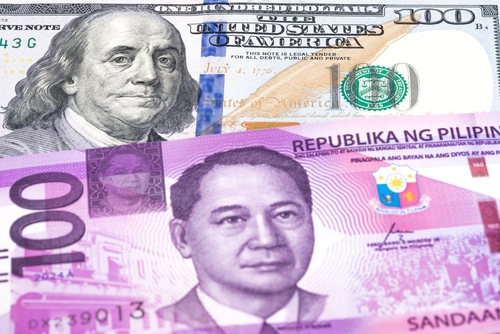
You can pay in U.S. dollars or in PHP. Some Filipino contractors prefer receiving PHP because it can reduce exchange-rate uncertainty on their end. Confirm the preferred currency upfront and reflect it in your agreement.

Clarify Responsibility for Transfer Fees

International transfers often involve fees on one or both sides. Agree in advance on who will cover these costs — you, your contractor, or a shared arrangement.

Establish an Invoice and Approval Process

Ask your contractor to submit invoices before each payment. This helps keep records organized and supports your accounting workflow.

Step 4: Choose a Payment Method

Several options are available for sending money from the U.S. to the Philippines. Each comes with trade-offs in cost, speed, and convenience.

International Bank Wire

Bank wires are widely used. Transfers often take around 2–5 business days, though timing can vary. Both sending and receiving banks may charge fees, and exchange rates may differ depending on the bank or intermediary.

Local Bank Deposit in PHP

Depositing into a Philippine bank account in PHP is a common preference for contractors. It can reduce the need for the contractor to convert currency and may simplify reconciliation.

Cross-Border Payment Platforms

Dedicated payment platforms often offer more transparent pricing than traditional banks. Many deposit funds directly into a contractor’s local bank account. Delivery timelines and fees vary by provider, so compare options before committing.

Remitly Business, for example, is a licensed and regulated provider that displays pricing and estimated delivery time upfront — before you confirm the transfer. Payments go directly from your existing bank account, with no need to open a new account or wallet.

Step 5: Understand Delivery Timelines

Setting expectations on both sides can reduce follow-ups and stress.

Bank Cutoff Times

Banks typically process transfers during business hours. Payments initiated late in the day or on weekends may not begin processing until the next business day.

Time Zone Differences

The Philippines is about 12–15 hours ahead of U.S. time zones depending on daylight saving time. A payment sent on a Friday afternoon in the U.S. may not be received until the following business day in the Philippines.

Philippine Banking Holidays

The Philippines has public holidays when banks may not process transfers. If your contractor has a billing deadline, it helps to factor those dates in.

First-Time Payment Reviews

Some first-time international transfers can take longer due to verification procedures. Building in extra time for the initial payment may help. Once details are established, later transfers are often more predictable.

Step 6: Maintain Proper Records

Good recordkeeping is standard business practice and can help if questions arise later.

Keep the following on file for each contractor:

  • Contractor Agreement: Signed scope of work, payment terms, and duration
  • W-8BEN Form: Collected before the first payment
  • Invoices: One per payment cycle
  • Payment Confirmations: Receipts or transaction records from your bank or payment platform
  • Exchange Rate Documentation: Especially relevant if paying in PHP

Organized records can support accounting processes and help simplify compliance work.

Common First-Time Mistakes to Avoid

Many payment issues can be avoided with a little planning. Here are common pitfalls:

Forgetting to Collect a W-8BEN

This is a common documentation gap. Request it before the first payment rather than after.

Confusing Contractor with Employee Classification

If the arrangement starts to resemble employment, consider getting professional guidance before moving forward.

Not Confirming Currency Upfront

Assuming your contractor wants USD when they prefer PHP — or vice versa — can create confusion.

Ignoring FX and Bank Fees

Fees can reduce the amount your contractor receives. Make sure both parties understand who is responsible for covering costs.

Sending Payment Too Close to Deadline

International transfers can take time. Sending payment on the due date may increase the chance of delays. Building in a buffer helps, especially for the first transfer.

What to Expect After the First Payment

The first international payment often involves the most setup. After that, the process is usually easier: your bank or payment provider may keep the contractor’s details on file, and timing may become more consistent. With a clear invoice and approval routine, payments can become simpler to manage over time.

Paying Filipino Contractors Can Be a Standard Global Workflow

Hiring freelance talent in the Philippines is common, and there are established ways to pay international contractors. U.S. compliance requirements are often documentation-focused — collect a W-8BEN, keep clean records, and follow a repeatable process that works for your business.

Clear payment terms help prevent misunderstandings. Over time, many businesses find that a repeatable workflow makes international payments feel more predictable and routine.

If you’re looking for a simple, transparent way to pay Filipino contractors, Remitly Business lets you send payments directly from the bank account you already use — clear pricing, and no hidden fees. Explore how Remitly Business simplifies global contractor payments for small businesses.

Frequently Asked Questions (FAQs)

Do I need to issue a 1099 to a freelancer in the Philippines?

Often, no. If the contractor is a non-U.S. person and services are performed outside the United States, a Form 1099-NEC is frequently not required. Consult your accountant to confirm based on your situation.

What tax form should I collect from a Filipino contractor?

Collect Form W-8BEN or W-8BEN-E before issuing any payment. It documents the contractor’s foreign status for your records.

Can I pay contractors in USD instead of PHP?

Yes. Both currencies are used. Some contractors prefer receiving PHP to reduce exchange-rate uncertainty. Confirm the preferred currency before the first payment.

How long does it take to send money from the U.S. to the Philippines?

It often ranges from 1–5 business days depending on the method, banks involved, and when the transfer is initiated. First-time transfers may take longer.

Do I need to withhold U.S. taxes from payments to a Filipino contractor?

In many cases, no — provided services are performed outside the United States and you have a completed W-8BEN on file. Because details matter, confirm with a qualified tax professional.


Many U.S. businesses source products and services from India each year — from software development and manufacturing to marketing and consulting. Cross-border payments are a common part of global commerce. Yet for many small businesses making their first international payment, the process can feel unfamiliar.

With clear documentation, verified banking details, and an organized payment workflow, paying an Indian business can be a straightforward and compliant process. This step-by-step guide outlines key considerations — from reviewing your vendor agreement to maintaining proper records — to help your first payment go smoothly.

This article is for informational purposes only and does not constitute tax or legal advice. Consult a qualified professional for guidance specific to your situation.

Is It Legal to Pay a Business in India?

In general, paying an Indian business for legitimate goods or services is lawful for U.S. companies, provided applicable regulations are followed. Cross-border business payments are routinely conducted between companies in many countries.

U.S. businesses are typically permitted to pay foreign vendors as long as they meet documentation and reporting requirements. This often includes keeping proper invoices and contracts, recording payments accurately, and collecting appropriate tax forms from the vendor. A tax professional can help clarify any obligations specific to your situation.

Step 1: Confirm the Business Relationship and Terms

Before sending any payment, review the fundamentals of your arrangement.

Review the Vendor Agreement or Purchase Order

Ensure you have a written agreement or purchase order outlining the scope of work or goods, payment amount, and payment schedule. Clear documentation helps reduce the risk of misunderstandings.

Confirm Invoice Details

Verify that the invoice includes the vendor’s full legal business name, address, banking details, and any tax identification number provided. Confirm the agreed currency — USD or INR — and clarify responsibility for transfer fees.

Clarify Payment Terms

Confirm whether payment is due in advance, upon milestones, or on net terms. Documenting this in writing before initiating the first transfer can help prevent disputes.

Step 2: Verify Banking Information

Incorrect banking details are a frequent cause of delayed or returned international payments.

Confirm Account Name

The account name should match the legal business name listed on the invoice. Discrepancies may result in processing delays.

Obtain the SWIFT/BIC Code

International wire transfers generally require a SWIFT or BIC code. Confirm this directly with your vendor to reduce the risk of routing errors.

Double-Check Account and Branch Information

Ask the vendor to confirm account number and branch details in writing. For an initial transfer, a brief call or video confirmation may provide additional reassurance before funds are sent.

Step 3: Understand U.S. Documentation Requirements

Collect Form W-8BEN-E or W-8BEN

In many cases, when a foreign business provides services outside the United States, a completed Form W-8BEN-E (for entities) or W-8BEN (for individuals) is collected to certify foreign status. This documentation may support the position that U.S. withholding does not apply.

Requirements can vary based on the nature of services and other factors, so consult a tax advisor regarding your specific circumstances.

Keep the W-8BEN-E or W-8BEN on file as part of your compliance records; it is generally not submitted to the IRS unless requested.

Step 4: Choose a Payment Method

Several payment options may be available when sending funds from the U.S. to India.

International Bank Wire

Traditional wire transfers are widely used for cross-border business payments. Processing times often range from 2–5 business days, though timing can vary. Banks may charge flat fees and apply a foreign exchange (FX) spread, and intermediary institutions may also deduct fees.

Letter of Credit

For higher-value import/export transactions, a letter of credit may offer additional protection for both parties. This option typically involves more formal coordination with your bank.

Cross-Border Payment Platforms

Platforms built specifically for international business payments often provide more transparent pricing, clearer delivery timelines, and direct local deposit in INR.

Step 5: Decide on Currency — USD or INR

Currency selection can affect accounting and cash flow predictability.

Paying in USD

This may simplify U.S. bookkeeping. The vendor would typically handle currency conversion, which may expose them to exchange rate fluctuations.

Paying in INR

Paying in Indian rupees may provide greater certainty for the vendor regarding the amount received. The exchange rate applied at the time of transfer would affect your final cost in USD.

Whichever option you choose, confirm it in writing before initiating payment.

Step 6: Plan for Processing Time

Avoid initiating payment on the due date, particularly for a first transfer.

Bank cutoff times, holidays in either country, time zone differences, and potential compliance reviews can affect processing. For an initial international payment, allowing an additional 3–5 business days beyond expected timelines may help reduce the risk of late delivery.

Step 7: Maintain Clear Records

Organized documentation supports accounting accuracy and compliance.

Maintain records such as:

  • Vendor agreement or purchase order
  • Form W-8BEN-E or W-8BEN
  • Invoices
  • Payment confirmations
  • Exchange rate applied at the time of transfer

Good recordkeeping can simplify tax reporting and support your position in the event of an audit.

Common First-Time Mistakes to Avoid

Businesses new to international payments sometimes encounter avoidable issues, including:

  • Collecting Form W-8BEN-E or W-8BEN after payment instead of beforehand
  • Failing to confirm the agreed currency
  • Overlooking potential bank or FX fees
  • Initiating payment too close to the due date
  • Not verifying banking details directly with the vendor

Planning ahead and confirming details early can help reduce these risks.

What Happens After the First Payment?

The first international transfer may involve additional verification steps. Once the process is completed successfully, future payments often become more predictable as banking details and workflows are established.

With clear communication and documentation, ongoing cross-border payments can become a routine part of your vendor relationship.

A New Way to Pay Businesses in India

If you’re paying overseas suppliers and want a simple, transparent, and compliant way to send international payments, Remitly Business lets you pay directly from the bank account you already use — with clear pricing shown upfront and no need to open new accounts or wallets. Explore how Remitly Business simplifies global supplier payments for small businesses.

Frequently Asked Questions (FAQs)

Do I need to issue a 1099 to an Indian business?

In many situations, a Form 1099 is not required when paying a foreign business entity for services performed outside the United States. However, reporting obligations can vary depending on the facts and circumstances. Consult a qualified tax advisor to determine what applies to your business.

What tax form should I collect from an Indian vendor?

Businesses often collect Form W-8BEN-E from foreign entities to document their foreign status for U.S. tax purposes. The appropriate documentation may depend on the structure of the vendor and the nature of the services provided, so confirm requirements with your tax professional.

How long does it take to send money from the U.S. to India?

Processing times commonly range from 1–5 business days, depending on the payment method, financial institutions involved, and timing of submission. Initial transfers may take longer due to additional verification or compliance review.

Should I pay in USD or INR?

The appropriate currency depends on your agreement with the vendor and your respective risk preferences. Paying in INR may provide greater predictability for the vendor, while paying in USD may simplify accounting for a U.S.-based business. Confirm the agreed currency in writing before initiating payment.

Are there U.S. withholding requirements for Indian vendors?

In many cases, payments to foreign businesses for services performed outside the United States are not subject to U.S. withholding. However, tax treatment depends on the specific facts of the transaction. Consult a tax professional to determine whether withholding applies.

How can I reduce errors on my first international payment?

Consider verifying banking details directly with your vendor, collecting required documentation before sending funds, and allowing extra processing time for the first transfer. Building in a timing buffer may help reduce the risk of delays.

Hiring a developer, designer, or consultant in India is common for U.S. businesses—and making the first payment doesn’t have to be complicated. With a few up-front decisions and a consistent process, international contractor payments can become a normal part of running a distributed team.

This article is for general informational purposes only and is not tax, legal, or financial advice. Consider consulting qualified professionals for guidance specific to your business and location.

Step 1: Put the Working Relationship in Writing

Before you send a payment, align on the basics in a written agreement so expectations are clear for both sides. Common items to document include:

  • Scope of work and deliverables
  • Timeline and milestones (if applicable)
  • Payment amount, schedule, and invoicing process
  • Communication norms and handoff expectations

Clear documentation reduces confusion later—especially across time zones.

Step 2: Confirm Your Internal Vendor Setup Requirements

Many companies have a standard onboarding process for any new vendor or contractor. Before the first payment, confirm what your business needs on file for accounting and operational purposes, such as:

  • Contractor’s legal name and preferred payout details
  • A completed invoice template or required invoice fields
  • Any internal vendor onboarding forms your company uses
  • A point of contact for payment questions

If you’re unsure what’s required in your situation, your finance or accounting team (or an external advisor) can help you define a simple checklist.

Step 3: Agree on Payment Terms and Currency Up Front

To avoid back-and-forth later, align on these details before work begins:

Payment amount and frequency

  • Hourly, fixed project fee, milestone-based, or monthly retainer
  • When invoices are due and when payments are sent

Currency preference

  • Some contractors prefer USD, others prefer INR
  • If the contractor is paid in a different currency than they use day-to-day, exchange rates may affect the final amount received

Who covers fees

  • International transfers can include fees from the sender, the receiving bank, or the payment provider
  • Decide whether fees are included in the rate or handled separately

Step 4: Choose a Payment Method That Fits Your Workflow

There are multiple ways to pay contractors in India. The “best” option depends on your priorities—speed, cost, convenience, and how you prefer to manage payouts.

International bank transfer

  • Widely available through many banks
  • May include fees and exchange rate markups depending on the bank and route
  • Timing can vary by institution

Cross-border payment platforms

  • Often provide upfront visibility into total cost and delivery timing
  • Some support local payout options so contractors can receive funds in INR
  • May reduce manual steps depending on how contractor details are collected and stored

When comparing options, look for clear pricing, transparent delivery timelines, and an experience that fits your team’s accounting workflow.

Remitly Business is one option worth considering. It allows you to pay directly from your existing U.S. bank account, with pricing and delivery timing shown upfront before you confirm.

Step 5: Plan for Timing (Especially the First Payment)

Even when you initiate payment quickly, delivery timing can vary. Factors that commonly affect timing include:

  • Cutoff times for processing
  • Time zone differences between the U.S. and India
  • Bank and regional holidays
  • Additional verification checks for first-time transfers

For the first payment, it helps to initiate earlier than you think you need—especially if the payment is time-sensitive.

Step 6: Keep Clean Records for Accounting

Good recordkeeping helps with reconciliation and reduces stress during audits or year-end close. Consider keeping a dedicated folder (digital is fine) for each contractor, including:

  • Signed agreement or statement of work
  • Invoices and supporting notes (hours, milestones, deliverables)
  • Payment confirmations/receipts
  • Currency conversion details (if relevant)

A consistent documentation habit makes recurring payments easier and helps your internal reporting stay accurate.

Common First-Time Mistakes to Avoid

A few small steps can prevent most issues:

  • Waiting until the due date: Cross-border transfers aren’t always instant.
  • Not confirming payout details: Verify account information before sending.
  • Skipping alignment on fees/currency: Decide these up front to avoid surprises.
  • Inconsistent invoicing: Standardize what each invoice must include.

After the First Payment

Once payout details are confirmed and your workflow is set, future payments are usually more routine. A repeatable process also helps build trust—contractors tend to value consistency and predictability.

A New Way to Pay Overseas Contractors

If you’re looking for a simple, transparent way to pay overseas contractors, Remitly Business lets you send payments directly from your existing U.S. bank account—with upfront pricing and secure supplier payout options. No new accounts or wallets required.

Frequently Asked Questions (FAQs)

Can I pay an Indian contractor in U.S. dollars?

Often, yes—depending on the method you use and the contractor’s preferences. Some contractors prefer INR for predictability. Align on currency early.

How long does it take to send money from the U.S. to India?

Timing varies by method, provider, and verification checks. The first transfer can sometimes take longer than later ones.

What should I keep on file for accounting?

At a minimum: agreements, invoices, and payment confirmations. Your accounting team or advisor can recommend what’s appropriate for your business.

World Oceans Day is a global event dedicated to celebrating and protecting our shared ocean. Observed every year on June 8, this day serves as a powerful reminder of the vital role the ocean plays in our daily lives. In 2026, the urgency to protect marine environments is clearer than ever.

The oceans cover over 70% of the Earth’s surface. They are the lungs of our planet, producing a significant portion of the oxygen we breathe. They regulate the global climate, support complex food systems, and provide a home for millions of species. Furthermore, healthy oceans drive local economies by supporting fisheries, tourism, and global shipping networks.

Our marine ecosystems face serious challenges. Plastic pollution, rising temperatures, and overfishing threaten the delicate balance of underwater life. World Oceans Day 2026 focuses on turning awareness into meaningful action. By understanding these issues, you can make confident, informed choices that help protect the ocean for future generations.

What Is World Oceans Day?

World Oceans Day is an annual observance dedicated to honoring the ocean and advancing marine conservation. It brings people together to celebrate our connection to the sea and learn how to protect it.

The Purpose of World Oceans Day

The primary goal of World Oceans Day is raising awareness about ocean conservation. It informs the public about the impact of human actions on the ocean. The event encourages sustainable practices and inspires environmental action on a global scale. By highlighting the importance of marine ecosystems, the day motivates individuals and organizations to safeguard our waters.

When World Oceans Day Is Celebrated

World Oceans Day is observed annually on June 8. It features global participation through educational campaigns, community events, and policy discussions. People from all over the world join forces to clean up beaches, host seminars, and share important information.

The History of World Oceans Day

The movement to protect our oceans has grown significantly over the decades. Understanding its history helps us appreciate the progress made in marine conservation.

How World Oceans Day Began

The concept of a global ocean day originated from international environmental discussions. It was first proposed in 1992 at the Earth Summit in Rio de Janeiro. Environmental leaders wanted a specific day to celebrate our shared ocean and raise awareness about its critical role in our lives.

Official Recognition by the United Nations

The United Nations officially recognized World Oceans Day in 2008. This formal endorsement helped elevate the event on the global stage. It provided a unified platform for countries to collaborate on marine conservation strategies.

Growth Into a Global Environmental Movement

Since its official recognition, World Oceans Day has grown into a massive global movement. You will now see participation from schools, nonprofits, governments, and everyday citizens. Thousands of organizations host events worldwide, proving that collective action can drive real change.

Annual Themes and Ocean Awareness Campaigns

Every year, the United Nations assigns a specific theme to World Oceans Day. These themes focus on yearly conservation priorities, such as plastic pollution or gender in ocean science. This messaging helps guide educational efforts and keeps the public focused on the most pressing issues.

Why Oceans Are Important

The health of our oceans directly impacts human survival. They provide essential services that make life on Earth possible.
Oceans and Climate Regulation

Oceans act as a massive climate regulator. They absorb a large amount of carbon dioxide from the atmosphere, which helps reduce the impacts of global warming. The ocean also absorbs excess heat, regulating global temperatures and weather patterns.

Marine Biodiversity and Ecosystems

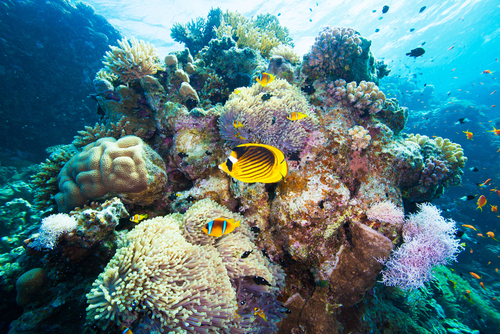
Our oceans support incredible biodiversity. Coral reefs, kelp forests, and deep-sea trenches provide habitats for countless marine species. Protecting these ecosystems is essential for maintaining the balance of life underwater.

Oceans and the Global Economy

The global economy relies heavily on healthy oceans. Industries such as fishing, tourism, and shipping depend on safe and clean marine environments. Coastal communities, in particular, rely on the ocean for jobs and economic stability.

Oceans as a Food and Resource Source

The ocean is a primary source of protein for billions of people. Sustainable fishing practices are vital for global nutrition and food security. Protecting marine habitats ensures that communities worldwide can maintain their livelihoods.

Major Threats Facing the Oceans in 2026

Despite their importance, oceans face unprecedented threats. Understanding these challenges is the first step toward finding solutions.

Plastic Pollution and Marine Debris

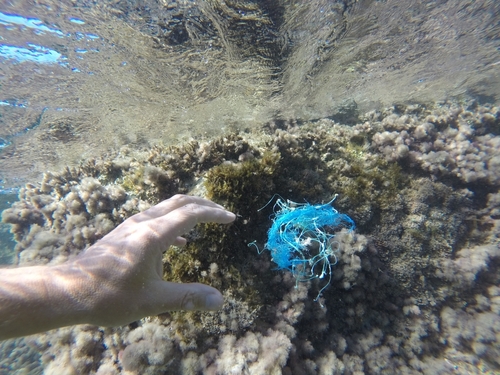
Plastic pollution is a severe threat to marine life. Single-use plastics and improperly discarded waste easily make their way into the ocean. This debris harms marine animals through ingestion and entanglement.

Climate Change and Ocean Warming

Climate change causes sea temperatures to rise. Warmer waters lead to extreme weather events and disrupt marine habitats. Many species struggle to adapt to these rapid temperature changes, threatening their survival.
Overfishing and Habitat Destruction

Overfishing depletes fish populations faster than they can reproduce. This practice leads to a severe ecosystem imbalance. Additionally, destructive fishing methods damage vulnerable habitats like coral reefs and the sea floor.

Ocean Acidification

As the ocean absorbs more carbon dioxide, its water becomes more acidic. Ocean acidification makes it difficult for organisms like corals and shellfish to build their shells. This process weakens entire marine food webs.

How World Oceans Day Is Celebrated

People celebrate World Oceans Day through various impactful activities. These events make it easy to get involved and show your support.

Beach and Coastal Cleanup Events

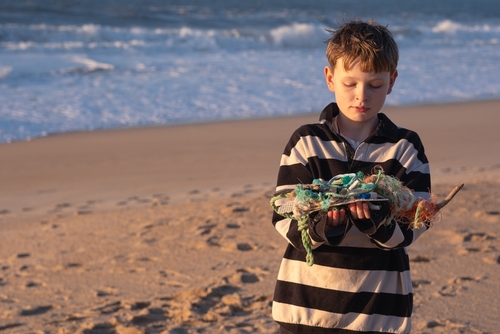
Community volunteer opportunities are highly popular on World Oceans Day. Local groups organize beach and coastal cleanups to remove trash and plastics. These events provide a direct way to improve the health of local shorelines.

Educational Programs and Awareness Campaigns

Schools, aquariums, and environmental organizations host special educational programs. These campaigns teach people about marine biology and conservation. Learning about the ocean builds a stronger connection to protecting it.

Social Media and Digital Advocacy

Online conservation movements play a huge role in spreading the word. People use social media to share ocean education, sign petitions, and raise funds. Digital advocacy allows anyone, anywhere, to participate in World Oceans Day.

Sustainable Seafood and Environmental Initiatives

Many restaurants and markets use the day to promote sustainable seafood. These conversations around responsible consumption guide consumers to make better choices. Choosing sustainable seafood directly supports healthier fishing practices.

Ways to Help Protect the Oceans

You have the power to protect the ocean every day. Simple changes in your daily routine make a significant difference.

Reduce Plastic Use

Adopt waste reduction habits to keep plastic out of the sea. Switch to reusable products like water bottles, shopping bags, and straws. Reducing your reliance on single-use plastics is a straightforward way to help.

Support Sustainable Seafood Choices

Understanding sustainable fishing practices empowers you as a consumer. Look for certifications on seafood packaging that guarantee the fish was caught responsibly.

Conserve Water and Energy

Everyday sustainability actions help the ocean. Conserving water reduces the runoff and wastewater that flow into the sea. Using less energy lowers your carbon footprint, which helps combat ocean warming.

Participate in Local Conservation Efforts

Volunteering with environmental organizations connects you with like-minded individuals. You can join local beach cleanups or support marine advocacy groups. Every local action contributes to global conservation.

Learn More About Marine Ecosystems

Education is a powerful tool for change. Watch documentaries, visit museums, or explore aquariums to learn about marine life. Sharing this knowledge with your friends and family amplifies your impact.

Ocean Conservation Trends and Conversations in 2026

Marine conservation strategies continue to evolve. In 2026, several key trends are shaping how we protect the ocean.

Growth of Renewable Ocean Energy

The development of offshore wind and clean energy projects is expanding. These renewable energy sources reduce our reliance on fossil fuels. Transitioning to clean energy is a critical step in slowing climate change.

Increased Focus on Plastic Reduction Policies

Government and corporate sustainability initiatives are targeting plastic waste. New policies restrict single-use plastics and improve recycling infrastructure. Holding corporations accountable is driving systemic change.

Technology and Marine Research

Innovative technology is transforming marine research. Scientists use artificial intelligence, underwater drones, and ocean monitoring systems to study marine environments. These tools provide accurate data to guide conservation efforts.

Eco-Tourism and Sustainable Travel

Responsible coastal and marine tourism practices are gaining popularity. Eco-tourism encourages travelers to respect marine habitats while supporting local economies. It ensures that tourism benefits the ocean rather than harming it.

Teaching Ocean Conservation to Children and Families

Instilling a love for the ocean in the next generation is vital. Families can learn and practice conservation together.

Ocean Education Activities for Kids

Engage children with fun ocean education activities. Crafts, books, and science projects teach kids about marine life in an accessible way. Making learning fun encourages lifelong environmental stewardship.

Family-Friendly Conservation Habits

Establish sustainable routines at home. Teach your family to recycle properly, conserve water, and reduce energy use. Working together makes these habits stick.

Outdoor Learning Opportunities

Take advantage of outdoor learning opportunities. Visit local beaches, aquariums, and marine science centers. Experiencing the ocean firsthand builds a deep, lasting respect for nature.

A Shared Responsibility for a Sustainable Future

World Oceans Day reminds us that protecting the ocean is a continuous commitment. The actions we take today define the health of our planet tomorrow.

Protecting Marine Life and Ecosystems

The long-term importance of conservation cannot be overstated. By protecting marine life and ecosystems, we ensure the ocean remains resilient and vibrant. Healthy oceans are essential for a healthy Earth.

Encouraging Global Environmental Action

Ocean health is a shared global responsibility. Governments, businesses, and individuals must work together to enact meaningful change. Collaborative environmental action is the most effective way to address marine threats.

Supporting Future Generations

Preserving the oceans guarantees environmental and economic sustainability for the future. By making responsible choices today, we provide future generations with a thriving planet. You can start making a difference right now.

Frequently Asked Questions (FAQs)

When is World Oceans Day 2026?

World Oceans Day 2026 is observed on June 8.

What is World Oceans Day?

World Oceans Day is a global observance focused on ocean conservation, marine awareness, and protecting ocean ecosystems.

Who created World Oceans Day?

The United Nations officially recognized World Oceans Day in 2008 following earlier international environmental initiatives.

Why are oceans important?

Oceans regulate climate, support marine biodiversity, provide food and jobs, and produce much of the world’s oxygen.

What are the biggest threats to the oceans?

Major threats include plastic pollution, climate change, overfishing, habitat destruction, and ocean acidification.

How do people celebrate World Oceans Day?

People participate through beach cleanups, educational programs, sustainability campaigns, and marine conservation activities.

How can individuals help protect the oceans?

Individuals can reduce plastic waste, support sustainable seafood, conserve resources, and participate in conservation efforts.

Why is plastic pollution harmful to marine life?

Plastic pollution can injure marine animals, damage ecosystems, and introduce harmful materials into ocean food chains.

The Feast of the Sacred Heart of Jesus holds a deeply significant place in the Catholic Church. It is a time dedicated entirely to honoring the boundless love, mercy, and compassion of Jesus Christ. For centuries, Catholics have looked to the Sacred Heart as a powerful reminder of God’s forgiveness and grace.

In 2026, the global Catholic community will observe this special feast day within the liturgical calendar, continuing a long-standing tradition of prayer and reflection. Understanding the background and practices of this day can help you participate more fully.

This guide will explain the meaning of the Sacred Heart devotion. You will learn about its rich history, core symbols, and the many ways families and parishes celebrate. Knowing what to expect provides reassurance and deepens your connection to this important spiritual event.

What Is the Sacred Heart of Jesus?

The Sacred Heart is one of the most recognizable and beloved devotions in the Catholic faith. It centers on the physical heart of Jesus as the ultimate representation of his divine love for humanity.

Meaning of the Sacred Heart Devotion

The devotion highlights the union of Christ’s divine and human love. It teaches that his heart is full of unending mercy and compassion for all people. The devotion encourages believers to return that love through prayer, sacrifice, and caring for others. It is a straightforward message: God loves you, and you are called to share that love.

What the Feast Celebrates

The Feast of the Sacred Heart of Jesus officially celebrates this profound love. It provides a dedicated time for reflection on redemption and spiritual devotion. Believers use this day to give thanks for the sacrifices Jesus made. It is a comforting celebration that focuses entirely on forgiveness and grace.

When the Feast Is Celebrated in 2026

The Catholic Church observes the feast on the Friday directly following the Feast of Corpus Christi. Because the date of Easter changes each year, the exact date of the Sacred Heart feast also shifts. It typically falls in June, marking a highly anticipated moment in the Catholic liturgical year.

The History of the Sacred Heart Devotion

The history of the Sacred Heart spans centuries. It grew slowly from personal meditations into a globally recognized feast day.

Early Foundations of the Devotion

The devotion has strong biblical and theological roots. Early Christians often meditated on the open side of Christ on the cross. Over time, Church fathers and mystics wrote about the love flowing from the heart of Jesus. This foundational belief grew steadily through Christian history, providing comfort to the faithful.

Saint Margaret Mary Alacoque and the Sacred Heart

The modern devotion took shape in the 17th century. A French nun named Saint Margaret Mary Alacoque reported receiving visions of Jesus. She stated that Jesus revealed his heart to her, expressing his desire for people to honor his love and make amends for their sins. Her writings helped spread the devotion rapidly within the Church.

Official Recognition by the Catholic Church

The Church carefully reviewed these revelations and eventually recognized the devotion. The establishment of the official feast day followed later. This formal recognition deeply influenced Catholic spirituality and prayer life around the world. It assured believers that honoring the Sacred Heart was a true and protected Catholic practice.

Symbols Associated With the Sacred Heart of Jesus

The visual symbols of the Sacred Heart are very distinctive. Each element carries a specific meaning designed to teach and comfort the faithful.

The Heart Crowned With Thorns

The heart is typically shown encircled by a crown of thorns. This represents Christ’s suffering and the sacrifices made during the crucifixion. It is a visual reminder of the heavy price of redemption.

Flames and Light

Flames often emerge from the top of the heart, accompanied by glowing light. The fire symbolizes the intense, burning nature of divine love. It represents a love that purifies and transforms the human spirit.

The Cross and Wounded Heart

A small cross is usually planted at the top of the heart, and a wound is visible on the side. These elements connect the devotion directly to the crucifixion. They remind believers of the physical reality of Christ’s sacrifice.

Sacred Heart Artwork and Statues

Religious imagery plays a vital role in Catholic homes and churches. Artwork and statues of the Sacred Heart provide a focal point for prayer. Having these images nearby brings a sense of peace and reassurance to families.

Why the Sacred Heart Devotion Matters in 2026

The core messages of the Sacred Heart remain highly relevant. Believers continue to draw strength from this devotion year after year.

Focus on Compassion and Mercy

The devotion places a strong focus on Christ-centered love. Modern life can often feel overwhelming and disconnected. The Sacred Heart reminds believers to practice compassion and mercy in their daily interactions.

Spiritual Renewal and Reflection

The feast day encourages prayer, repentance, and sincere faith. It offers a structured time to pause and reflect on personal spiritual growth. This periodic renewal helps believers stay grounded in their core values.

Strengthening Personal and Community Faith

Shared devotion brings people together. Celebrating the Sacred Heart strengthens both personal faith and community bonds. Worshipping together fosters a supportive environment built on shared beliefs.

How Catholics Celebrate the Feast of the Sacred Heart

Catholics honor this feast day through a variety of meaningful practices. These traditions range from public worship to private family prayers.

Attending Mass and Special Liturgies

Many Catholics attend Mass on the feast day. Parishes often feature special liturgical readings, hymns, and prayers dedicated to the Sacred Heart. Participating in Mass is the primary way the Church celebrates this day.

Eucharistic Adoration and Prayer

Eucharistic adoration is highly encouraged. Believers spend quiet time in devotion before the Blessed Sacrament. This peaceful practice allows for deep, personal prayer and listening to God.

Sacred Heart Enthronement in the Home

Enthronement is a cherished family-centered tradition. Families dedicate their homes to the Sacred Heart of Jesus through a specific prayer service. They place an image of the Sacred Heart in a prominent spot, inviting Christ’s peace and protection into their household.

Acts of Charity and Compassion

Faith requires action. Many Catholics perform acts of charity and compassion to honor the feast. Helping those in need is a practical way to live out the values associated with Christ’s love.

Popular Prayers and Devotions to the Sacred Heart

Specific prayers help guide believers in their devotion. These traditional prayers provide structure and comfort.

The Sacred Heart Novena

A novena is a nine-day period of prayer. The Sacred Heart Novena is typically prayed in the days leading up to the feast. The purpose of this novena is to prepare the heart and ask for specific spiritual graces.

The Litany of the Sacred Heart

The Litany is a responsive prayer used during public and private worship. It highlights themes of mercy, love, and absolute trust in God. Repeating the litany brings a deep sense of calm and spiritual focus.

First Friday Devotions

First Friday devotions are monthly practices connected directly to the Sacred Heart. Catholics are encouraged to attend Mass and receive communion on the first Friday of every month. This consistent practice honors a specific request made by Jesus to Saint Margaret Mary.

Personal Prayer and Reflection

Many people incorporate the Sacred Heart into their personal prayer routines. Scripture reading and meditative prayer ideas help individuals connect with the message of divine love daily.

Sacred Heart Traditions Around the World

The devotion is celebrated globally, adapting to various cultural traditions while maintaining its core meaning.

Celebrations in Catholic Countries

In many Catholic majority countries, the feast day includes public processions and vibrant parish festivals. These large gatherings celebrate faith openly and joyfully.

Sacred Heart Devotion in the United States

In the United States, the devotion is widely observed through parish liturgies and family traditions. Many schools and hospitals are named after the Sacred Heart, showing its lasting cultural impact.

Religious Art and Cultural Influence

The Sacred Heart has profoundly influenced Catholic education, architecture, and artwork worldwide. Its recognizable imagery unites Catholics across different continents and languages.

The Sacred Heart and Catholic Spirituality

The devotion offers deep spiritual lessons that guide everyday behavior.

Understanding Christ’s Love and Mercy

The primary spiritual lesson is understanding the depth of Christ’s love. Believers learn that God’s mercy is always available. This assurance provides immense comfort during difficult times.

Forgiveness, Healing, and Hope

The devotion emphasizes forgiveness and healing. Themes of reconciliation encourage believers to seek forgiveness for their own mistakes and to forgive others. This fosters a lasting sense of hope.

Living the Message of the Sacred Heart Daily

Catholics are called to apply their faith through kindness and service. Living the message of the Sacred Heart means treating others with the same compassion that Christ shows humanity.

Why the Feast of the Sacred Heart Still Matters

The Feast of the Sacred Heart continues to offer vital support to the faithful.

Encouraging Faith in Challenging Times

The devotion provides comfort and spiritual encouragement when life is hard. Knowing that Christ loves unconditionally helps believers navigate challenges with confidence.

Promoting Compassion and Service

The world always needs more kindness. The feast promotes mercy-centered living, reminding people to care for the vulnerable.

Strengthening Catholic Identity and Tradition

Feast days play a crucial role in Catholic spiritual life. Observing the Sacred Heart strengthens Catholic identity and ensures these beautiful traditions are passed on to future generations.

Frequently Asked Questions

What is the Feast of the Sacred Heart of Jesus?

The Feast of the Sacred Heart of Jesus is a Catholic celebration honoring Christ’s love, mercy, and compassion for humanity.

When is the Sacred Heart feast celebrated in 2026?

The feast is celebrated on the Friday after Corpus Christi in the Catholic liturgical calendar.

What does the Sacred Heart symbolize?

The Sacred Heart symbolizes the love, sacrifice, mercy, and compassion of Jesus Christ.

Who helped spread devotion to the Sacred Heart?

Saint Margaret Mary Alacoque played a major role in spreading devotion to the Sacred Heart during the 17th century.

What are First Friday devotions?

First Friday devotions are monthly Catholic practices focused on prayer, Mass attendance, and devotion to the Sacred Heart of Jesus.

How do Catholics celebrate the Sacred Heart feast?

Catholics may attend Mass, participate in Eucharistic adoration, pray novenas, enthrone the Sacred Heart in their homes, and perform acts of charity.

Why is the Sacred Heart important in Catholicism?

The devotion emphasizes Christ’s love for humanity and encourages prayer, repentance, mercy, and spiritual renewal.

What is the Sacred Heart enthronement?

Sacred Heart enthronement is a Catholic tradition in which families dedicate their homes to the Sacred Heart of Jesus through prayer and devotion.

How to Embrace the Devotion Today

The Sacred Heart of Jesus offers a clear and reassuring message of unending love and mercy. As the 2026 feast approaches, consider how you can incorporate this devotion into your own life. You can start simply by attending a First Friday Mass, praying a novena, or placing an image of the Sacred Heart in your home. By taking these straightforward steps, you can experience the profound peace and spiritual confidence that this beautiful Catholic tradition provides.

Taking care of our planet is a shared responsibility, and every year, we have a global reminder of why it matters. World Environment Day is a worldwide event dedicated to protecting nature, reducing pollution, and promoting sustainable living. It brings together people, businesses, and governments to focus on the health of our environment.

Observed annually, this day highlights urgent environmental issues. In 2026, topics like climate change, plastic pollution, and biodiversity are more critical than ever. Whether you are planting a tree, reducing household waste, or supporting eco-friendly businesses, small actions add up to meaningful change.

In this guide, we will explore the history of World Environment Day, its ongoing importance in 2026, and straightforward ways you can get involved and help protect the planet.

What Is World Environment Day?

World Environment Day is a global event designed to inspire awareness and action for the protection of our environment. It serves as a call to action for individuals and communities to rethink their habits and make sustainable choices.

The Purpose of World Environment Day

The primary goal of this day is to encourage environmental protection and sustainability. It raises awareness about global environmental challenges and inspires action at local and global levels. By focusing on education and community involvement, the day helps people understand how their daily choices impact the earth.

When World Environment Day Is Celebrated

World Environment Day is observed annually on June 5. Around this date, communities worldwide host campaigns, educational programs, and events. These activities range from local park cleanups to international policy discussions.

The History of World Environment Day

Understanding the history of this observance helps us appreciate its global impact. It began as a coordinated effort to address growing environmental concerns.

How World Environment Day Began

World Environment Day was established by the United Nations in 1972. Its origins are connected to the Stockholm Conference on the Human Environment, which marked a turning point in international environmental politics. This conference established the United Nations Environment Programme (UNEP) and set the stage for coordinated global environmental action.

Growth Into a Global Movement

Since 1972, the event has seen participation from countries around the world. It has grown into a massive global movement. Today, the day sees expansion into schools, nonprofits, businesses, and communities, making it one of the largest platforms for environmental outreach.

Annual Themes and Host Countries

Every year, the United Nations selects a specific theme and a host country for the event. This highlights the importance of yearly environmental focus areas. Examples of past campaign themes include “Beat Plastic Pollution” and “Ecosystem Restoration,” bringing attention to different aspects of environmental health.

Major Environmental Issues in 2026

The world faces several critical environmental challenges in 2026. Addressing these issues requires awareness and coordinated effort.

Climate Change and Extreme Weather

Climate change continues to be a pressing issue. Rising temperatures and their environmental impact lead to more frequent extreme weather events. The importance of emissions reduction and building community resilience is a major focus for environmental advocates.

Plastic Pollution and Waste Management

Our oceans and landscapes are burdened by plastic waste. Single-use plastics and recycling challenges make waste management a significant concern. Community cleanup efforts and strict waste reduction practices are essential steps toward solving this problem.

Biodiversity and Wildlife Conservation

Healthy ecosystems rely on plant and animal diversity. Habitat protection and endangered species concerns are central to preserving biodiversity. Protecting these habitats ensures the survival of countless species and the stability of our natural resources.

Air and Water Quality

Clean air and water are fundamental to life. The importance of clean natural resources for public health cannot be overstated. Reducing industrial pollution and protecting waterways are vital for healthy communities.

Why Environmental Awareness Matters

Being aware of environmental issues is the first step toward positive change. It affects everything from our health to our economy.

Impact on Public Health

A clean environment directly supports human well-being. Air quality, clean water, and safe food systems are essential for public health. Reducing pollution helps prevent respiratory diseases and other health problems.

Economic and Community Effects

Environmental health is closely tied to economic stability. Sustainability and long-term economic stability depend on how we manage our resources. Environmental degradation has a severe impact on agriculture and infrastructure, making conservation a practical economic strategy.

Responsibility for Future Generations

We must leave a healthy planet for those who come after us. Conservation and sustainable living practices ensure that future generations have access to clean air, water, and resources.

How World Environment Day Is Celebrated

People celebrate this day in many different ways. Communities come together to make a visible impact.

Community Cleanup Events

One of the most common ways to participate is by joining local cleanups. Park, beach, and neighborhood cleanups help remove trash and restore local habitats.

Educational Campaigns and School Programs

Education is key to lasting change. Schools often host sustainability lessons and environmental workshops. These programs teach students the value of conservation early on.

Tree Planting and Conservation Projects

Restoring nature is a powerful way to celebrate. Local environmental restoration efforts, such as tree planting, help combat deforestation and improve local air quality.

Social Media and Digital Awareness Campaigns

The internet plays a big role in spreading the message. Online advocacy and eco-friendly challenges encourage people to share their sustainable habits and inspire others to do the same.

Ways to Participate in World Environment Day 2026

You do not need to make massive lifestyle changes to help the environment. Small, consistent actions make a difference.

Reduce Waste at Home

Start by looking at what you throw away. Recycling, composting, and using reusable products are simple ways to reduce your household waste.

Conserve Energy and Water

Being mindful of resource use is easy and effective. Practical sustainability habits for households include turning off lights when not in use, taking shorter showers, and fixing leaks promptly.

Support Environmentally Responsible Businesses

Where you spend your money matters. Sustainable shopping and ethical consumer choices encourage companies to adopt greener practices. Look for brands that use eco-friendly packaging and responsible sourcing.

Spend More Time Outdoors

Connecting with nature fosters a desire to protect it. Building appreciation for nature and conservation often begins with simply spending more time outside in parks and natural reserves.

Volunteer With Local Environmental Organizations

Consider giving your time to a good cause. Community action and advocacy opportunities allow you to work directly with groups dedicated to environmental protection.

Sustainability Trends and Environmental Conversations in 2026

The conversation around the environment is always evolving. Here are some key trends shaping the discussion in 2026.

Growth of Renewable Energy

The shift away from fossil fuels is accelerating. Solar, wind, and clean energy investments are growing rapidly, providing sustainable power alternatives.

Consumer Demand for Sustainable Products

Shoppers are asking for better options. Eco-friendly packaging and ethical sourcing are becoming standard expectations rather than niche preferences.

Corporate Sustainability Initiatives

Businesses are taking their environmental impact seriously. Environmental responsibility and transparent reporting help hold corporations accountable for their carbon footprints.

Technology and Environmental Innovation

New tools are helping us manage resources better. Smart agriculture, electric vehicles, and green technology are transforming how we interact with the environment.

Environmental Education for Families and Schools

Teaching the next generation about the environment is crucial. Schools and families play a vital role in building sustainable habits.

Teaching Children About Sustainability

Start conversations early. Teaching age-appropriate eco-friendly habits, like turning off the tap while brushing teeth or sorting recycling, helps kids understand their impact.

School Environmental Projects

Schools provide a great environment for hands-on learning. Recycling drives and conservation programs allow students to actively participate in protecting their surroundings.

Encouraging Community Involvement

Families can make a bigger impact together. Family volunteer opportunities and local engagement projects help reinforce the importance of environmental stewardship.

Why World Environment Day Still Matters

Decades after its creation, World Environment Day remains highly relevant.

Encouraging Global Cooperation

Environmental issues do not respect borders. The day promotes a shared responsibility for environmental protection, encouraging countries to work together.

Inspiring Everyday Action

Awareness leads to action. The observance highlights small habits that collectively create change, proving that individual choices matter.

Protecting Natural Resources for the Future

Ultimately, this day is about preservation. The long-term importance of conservation and sustainability ensures that the earth remains habitable and healthy for years to come.

Frequently Asked Questions (FAQs)

When is World Environment Day 2026?

World Environment Day 2026 is observed on June 5.

What is World Environment Day?

World Environment Day is a global event that promotes environmental awareness and encourages action to protect the planet.

Who created World Environment Day?

The United Nations established World Environment Day in 1972.

Why is World Environment Day important?

The observance raises awareness about environmental issues such as climate change, pollution, conservation, and sustainability.

How do people celebrate World Environment Day?

People participate through cleanups, tree planting, educational programs, recycling efforts, and sustainability campaigns.

What are some easy ways to help the environment?

Simple actions include reducing waste, recycling, conserving water and energy, and supporting sustainable products and businesses.

What is the theme for World Environment Day 2026?

The official annual theme is typically announced by the United Nations closer to the event date.

How can schools participate in World Environment Day?

Schools can organize environmental lessons, recycling drives, gardening projects, and community cleanup activities.

Corpus Christi stands as one of the most significant and spiritually rich feast days in the Catholic liturgical calendar. It is a day dedicated entirely to honoring the Real Presence of Jesus Christ in the Eucharist. For Catholics worldwide, this celebration provides a profound moment to reflect on the core of their faith.

In 2026, the observance of Corpus Christi will bring communities together for worship, prayer, and public devotion. Depending on where you live, you will celebrate this feast on June 4, or Sunday, June 7. This specific timing follows the traditional Catholic calendar, occurring shortly after Trinity Sunday.

Understanding Corpus Christi can help you participate more fully in your local parish events. This guide explains the history, meaning, and modern traditions of this important feast. You will learn what the Real Presence means, why the Eucharist sits at the center of Catholic worship, and how you can meaningfully observe Corpus Christi in 2026.

What Is Corpus Christi?

Corpus Christi is a dedicated time to focus on the gift of the Eucharist. It offers a moment for believers to express gratitude for Christ’s enduring presence.

Meaning of “Corpus Christi”

The term “Corpus Christi” translates from Latin directly as the “Body of Christ.” This name perfectly captures the essence of the feast. It highlights the deeply held Catholic tradition that Jesus is entirely present in the sacrament of Communion.

What the Feast Celebrates

This feast day specifically celebrates the belief in the Real Presence of Christ in the Eucharist. While Holy Thursday also remembers the Last Supper, that day carries the somber tone of Holy Week. Corpus Christi provides a purely joyful opportunity to celebrate the connection to Holy Communion and the Mass.

When Corpus Christi Is Celebrated in 2026

In the universal Catholic calendar, Corpus Christi is traditionally observed on the Thursday after Trinity Sunday. In 2026, this falls on June 4. However, in many countries, including the United States, bishops transfer the observance to the following Sunday. This means most American parishes will celebrate the feast on June 7 2026, allowing more people to attend Mass.

Understanding the Real Presence in Catholic Teaching

The Real Presence is a foundational teaching of the Catholic Church. It provides assurance to believers that they are intimately connected to Christ.

What Catholics Mean by the Real Presence

The Real Presence refers to the Catholic Eucharistic belief that Jesus Christ is truly, physically, and spiritually present in the consecrated bread and wine. It is not viewed as a mere symbol or metaphor. Instead, Catholics believe Christ’s presence is entirely real and substantial.

The Biblical Foundations of the Eucharist

This teaching comes directly from Scripture. During the Last Supper narratives in the Gospels, Jesus takes bread and says, “This is my body.” Additional biblical support comes from the Gospel of John, where Jesus calls himself the “Bread of Life,” and from Saint Paul’s letters, which instruct early Christians on the sacred nature of the Eucharistic meal.

Transubstantiation Explained

Transubstantiation is the specific term used to explain how the bread and wine become the Body and Blood of Christ. According to Catholic teaching, the “substance” or inner reality of the bread and wine changes entirely into Christ. Meanwhile, the “accidents” or outward appearances—such as taste, touch, and smell—remain the same.

Why the Eucharist Is Central to Catholic Worship

The Catholic Church describes the Eucharist as the “source and summit” of Catholic life. Every prayer and ministry flows from this sacrament and directs believers back to it. Spiritual communion and sacramental worship center around the Eucharist because it represents the closest possible union with God.

The History of Corpus Christi

The feast of Corpus Christi has a rich history that spans centuries. It grew from personal devotion into a worldwide celebration.

Origins of the Feast

The feast originated in the 13th century, largely due to the efforts of Saint Juliana of Liège. She had a deep devotion to the Eucharist and reported visions urging the Church to establish a specific feast day for it. Inspired by her dedication, Pope Urban IV officially established the feast of Corpus Christi for the universal Church in 1264.

Eucharistic Devotion Through the Centuries

Following its establishment, the feast quickly gained popularity. The tradition of Eucharistic processions grew, allowing communities to honor Christ publicly. Over the centuries, this devotion heavily influenced Catholic spirituality, inspiring countless works of art, music, and poetry.

Corpus Christi in the United States

In the United States, Corpus Christi maintains a strong presence. Parishes across the country host vibrant celebrations incorporating various cultural traditions. These events remain an important way for modern Catholic communities to connect with their heritage and express their faith openly.

How Corpus Christi Is Celebrated

Catholics observe this feast day through a variety of spiritual practices and community events. These celebrations bring the teachings of the Church to life.

Special Masses and Liturgical Celebrations

The center of the celebration is the Mass. Priests select specific Eucharistic readings and hymns that focus entirely on reverence and worship. The liturgy is often more elaborate, featuring special prayers composed specifically for the feast.

Eucharistic Processions

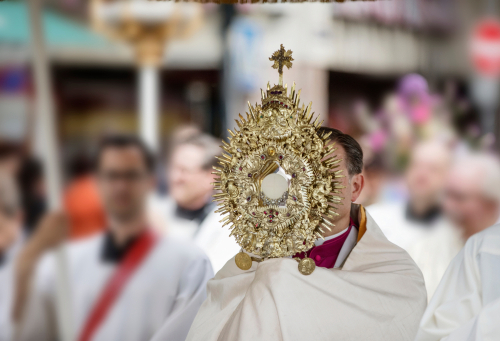
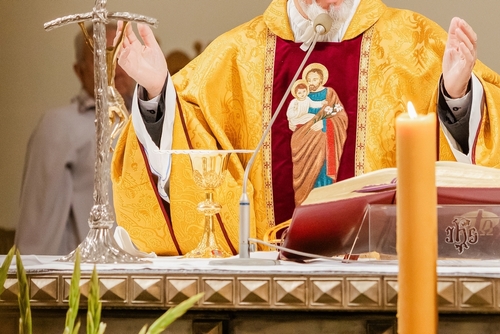
Public processions with the Blessed Sacrament are a hallmark of Corpus Christi. The priest carries the consecrated host in a special vessel through the streets surrounding the church. This practice symbolizes bringing Christ directly into the community and daily life.

Eucharistic Adoration and Prayer

Many parishes offer extended periods of Eucharistic adoration on this day. Believers spend quiet time in prayer before the Eucharist. This provides a peaceful environment for personal reflection and deep devotion.

Parish and Community Gatherings

After the spiritual observances, communities often gather for fellowship. Church festivals and family meals follow the processions. Many parishes also host educational and faith formation events to help members understand the sacrament better.

The Importance of Corpus Christi in 2026

The year 2026 arrives at a time of renewed focus on the Eucharist within the Church. The feast serves as a vital anchor for spiritual growth.

Renewed Interest in Eucharistic Devotion

In recent years, Catholic leaders have emphasized a return to Eucharistic understanding. Corpus Christi 2026 offers a timely opportunity for spiritual reflection and renewal. It encourages believers to deepen their appreciation for this core sacrament.

Strengthening Faith and Community

Shared worship creates parish unity. Participating in the sacramental life of the Church brings people together, fostering a strong, supportive community. This unity is especially important for building resilient local parishes.

Public Witness of Faith

Processions provide visibility for Catholic traditions. Walking through the streets with the Eucharist serves as a gentle, public witness of faith. It allows Catholics to share their joy and devotion with their broader neighborhoods.

Common Symbols Associated With Corpus Christi

Several traditional symbols help elevate the beauty and reverence of the celebration. Each item carries a specific meaning.

The Monstrance

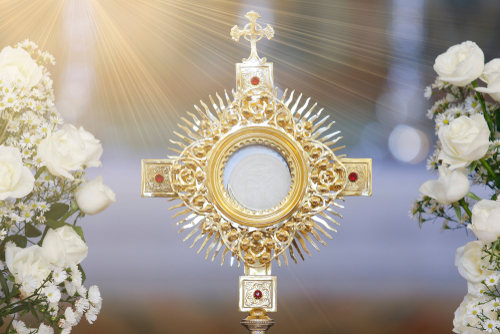
The monstrance is an ornate, often gold-plated vessel used to display the consecrated host. Its primary purpose is to hold the Eucharist safely during adoration and processions, directing everyone’s focus to the Blessed Sacrament.

Bread and Wine

Bread and wine are the central Eucharistic symbols in Christianity. They represent the everyday nourishment that, through the Mass, transforms into spiritual sustenance.

Incense, Bells, and Liturgical Music

During Corpus Christi, priests frequently use incense to signify prayers rising to heaven. Altar servers ring bells to draw attention to the most sacred moments of the liturgy. Traditional liturgical music adds a sense of majesty to the celebration.

Eucharistic Procession Decorations

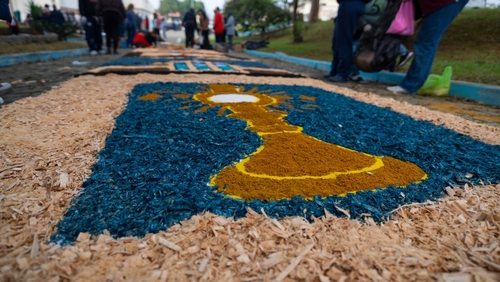
Communities often decorate the route of the procession beautifully. You will frequently see flower petals scattered on the ground, colorful banners hanging from buildings, and temporary outdoor altar displays set up for prayer.

How Catholics Can Observe Corpus Christi Meaningfully

You can actively participate in this feast day through several simple and impactful practices.

Attend Mass and Eucharistic Adoration

The best way to observe the day is by attending Mass. If your schedule allows, spend an hour in Eucharistic adoration. This quiet time can bring peace and clarity to your week.

Reflect on the Meaning of the Eucharist

Take time to read Scripture at home. Focus on chapters like John 6, which outline Jesus’ teachings on the Bread of Life. Prayer suggestions include reciting the Anima Christi or the Litany of the Holy Eucharist.

Participate in Parish Processions

Join your local community involvement by walking in the parish procession. It is a wonderful way to honor tradition and walk alongside your neighbors in faith.

Teach Children About the Feast

Corpus Christi is a great time for family-centered faith discussions. Explain the Real Presence to your children using simple, clear terms. You can also involve them by having them help create banners or sort flower petals for the procession.

Corpus Christi Traditions Around the World

Because the Catholic Church is universal, Corpus Christi celebrations incorporate many beautiful cultural elements from around the globe.

Celebrations in Europe and Latin America

In countries across Europe and Latin America, Corpus Christi is often a public holiday. Cities host massive public processions featuring intricate carpets made of colored sawdust or flowers laid out on the streets. These cultural customs draw thousands of participants.

Regional Traditions in the United States

In the United States, parish-specific observances reflect the country’s multicultural makeup. You might hear hymns sung in multiple languages or see traditional garments worn during the procession, reflecting the diverse heritage of the congregation.

Artistic and Musical Traditions

The feast has inspired centuries of religious artwork and sacred hymns. Famous pieces, such as the hymns composed by Saint Thomas Aquinas specifically for Corpus Christi, are still sung in churches today, connecting modern worshippers to the history of their faith.

Frequently Asked Questions

What is Corpus Christi?

Corpus Christi is a Catholic feast that honors the Real Presence of Jesus Christ in the Eucharist.

What does “Corpus Christi” mean?

“Corpus Christi” is Latin for “Body of Christ.”

When is Corpus Christi celebrated in 2026?

Corpus Christi is traditionally celebrated on Thursday June 4, though many US Catholic dioceses observe it on the following Sunday (June 7).

What is the Real Presence in Catholic teaching?

The Real Presence refers to the Catholic belief that Jesus Christ is truly present in the Eucharist after the consecration during Mass.

What is transubstantiation?

Transubstantiation is the Catholic teaching that the bread and wine become the Body and Blood of Christ while still appearing as bread and wine.

Why is the Eucharist important in Catholicism?

Catholics believe the Eucharist is central to worship and spiritual life because it represents communion with Jesus Christ.

How do Catholics celebrate Corpus Christi?

Celebrations often include Mass, Eucharistic processions, adoration, prayer services, and parish gatherings.

What is a Eucharistic procession?

A Eucharistic procession is a public religious event in which the Blessed Sacrament is carried through the community for prayer and devotion.

Embracing the Feast of the Real Presence

Corpus Christi provides a beautiful opportunity to pause, pray, and give thanks. The traditions surrounding this feast day help ground believers in the core teachings of their faith. By attending Mass, joining a procession, or simply spending time in quiet adoration, you can connect deeply with the Real Presence. Check your local parish schedule for specific times and events, and prepare to celebrate this rich tradition fully in 2026.

Taking that first step out the door can often feel like the hardest part of starting a new fitness routine. Global Running Day exists to make that step easier. Scheduled for the first Wednesday in June, this worldwide observance encourages people of all fitness levels to lace up their shoes and get moving.

Running enjoys massive popularity across the United States for fitness, recreation, and competitive sports. Millions of people hit local trails, neighborhood sidewalks, and track fields every day. They run to clear their minds, improve their physical health, and connect with their communities.

As we approach Global Running Day 2026, the event remains highly relevant. It provides a welcoming environment for beginners and a celebratory milestone for seasoned marathoners. Knowing the history, benefits, and local events associated with this day can provide the reassurance and motivation you need to participate safely and joyfully.

What Is Global Running Day?

Global Running Day is a worldwide celebration of running that encourages everyone to stay active. It provides a simple, shared goal for people across different countries and time zones.

The Purpose of Global Running Day

The main goal is promoting physical activity and healthy lifestyles. Organizers focus heavily on encouraging community participation and inclusivity. Celebrating running as an accessible form of exercise helps break down barriers for beginners. You do not need expensive memberships to participate. You only need a safe place to move.

When Global Running Day Is Celebrated

This event is observed annually on the first Wednesday in June. In 2026, people will engage in worldwide participation through local races, group runs, and digital events.

The History of Global Running Day

Understanding how this event started helps highlight its inclusive nature. It began as a localized effort and quickly transformed into a worldwide celebration.

How Global Running Day Began

The observance has origins from running awareness initiatives and community events based in the United States. It officially launched as a global fitness movement in 2016. Millions of people pledged to run, completely transforming the scale of the celebration.

Growth of Running Culture

The expansion of this event mirrors the overall rise of marathons, 5Ks, and recreational running. The heavy influence of social media and fitness communities has made it easier for people to find training plans and running buddies.

Why Running Remains Popular

Running requires low equipment requirements. You can do it almost anywhere. It also offers flexibility for different ages and fitness levels. A grandmother briskly walking around a park and a teenager sprinting on a track are both participating in the same core activity.

Health Benefits of Running

Physical activity yields high returns for your overall well-being. Regular running provides a straightforward way to maintain your health.

Cardiovascular and Physical Fitness Benefits

Running is highly effective at improving endurance and heart health. Consistent movement supports weight management and muscle strength. Your heart becomes more efficient at pumping blood, which lowers your resting heart rate over time.

Mental Health and Stress Relief

The physical perks are widely known, but the psychological benefits are equally important. Running offers significant mood improvement and stress reduction. Exploring the benefits of outdoor exercise and movement can help clear mental fog and reduce anxiety.

Long-Term Wellness Benefits

Building healthy routines and active lifestyles early on pays off later in life. Consistent exercise supports mobility and overall fitness as you age. It keeps your joints active and your bones strong.

How to Start Running Safely

Starting a new exercise routine requires a sensible approach. Protecting your body prevents injuries and makes the process more enjoyable.

Choosing the Right Running Shoes

Your feet need proper protection. The importance of proper fit and support cannot be overstated. Visit a specialized running store to find the right shape for your foot. Remember the necessity of replacing worn-out shoes regularly to maintain shock absorption.

Creating a Beginner-Friendly Running Plan

Start slow. Use walk-run intervals and gradual progression to build your stamina safely. Setting realistic fitness goals ensures you stay motivated without feeling overwhelmed.

Warming Up and Recovery

Preparation and rest are essential parts of your routine. Prioritize stretching, hydration, and rest days. Understanding the importance of recovery for injury prevention will keep you running consistently for years to come.

Common Running Mistakes to Avoid

Many new runners try to do too much too soon. Avoid overtraining and poor pacing. Listen to your body and avoid ignoring pain or recovery needs. Taking a few days off to heal a minor ache is always better than forcing a run and causing a major injury.

How Global Running Day Is Celebrated

People celebrate this day in many different formats. You can choose the participation style that feels most comfortable for you.

Community Runs and Charity Events

Many cities host local races, fun runs, and fundraising events. These gatherings provide family-friendly participation opportunities. They often feature music, food, and a highly supportive atmosphere.

Virtual Running Challenges

If you prefer running alone, you can still join the global community. Fitness tracking apps and online communities host digital participation for runners worldwide. You can log your miles and see how many people across the globe are running alongside you.

Workplace and School Wellness Programs

Many organizations recognize the value of healthy employees and students. Workplaces and schools often host group fitness activities and wellness initiatives on this day.

Social Media Running Campaigns

Digital platforms provide a space for encouragement. Runners spend the day sharing milestones, routes, and fitness goals online. Using the official event hashtags helps connect you with fellow participants.

Ways to Celebrate Global Running Day 2026

You have many simple ways to join the movement this year. Choose an activity that matches your current fitness level and interests.

Go for a Run or Walk

The easiest way to celebrate is to simply step outside. We encourage participation ideas for beginners and experienced runners alike. A ten-minute walk around your block perfectly honors the spirit of the day.

Join a Local Running Club

Connecting with others makes running easier. Local clubs offer community support and accountability benefits. They provide a safe group environment and often cater to various pacing speeds.

Explore New Running Trails or Parks

A change of scenery keeps your routine exciting. Take advantage of outdoor recreation opportunities across the US. Visit a state park or a nearby nature reserve for your Global Running Day workout.

Support Fitness and Youth Programs

You can celebrate without running. Consider encouraging healthy lifestyles in local communities by volunteering at a race. Donating to youth sports programs helps ensure the next generation has access to physical education.

Running Trends and Conversations in 2026

The running world continues to evolve. Several key trends will define the landscape of Global Running Day in 2026.

Growth of Inclusive Running Communities

The industry is seeing a massive expansion of running groups focused on accessibility and diversity. These groups ensure that people of all body types, backgrounds, and abilities feel safe and welcome on the road.

Technology and Fitness Tracking

Data provides clarity. The use of smartwatches, running apps, and performance metrics gives runners precise insights into their health. Tracking your heart rate and mileage helps you train smarter.

Interest in Mental Wellness Through Exercise

People increasingly view running as a mental health tool. Utilizing running as part of stress management and self-care routines is a major focus for modern athletes.

Sustainable Running Gear and Apparel

Environmental awareness is shaping consumer choices. There is a strong demand for eco-friendly athletic clothing and shoe innovations. Brands are using recycled materials to create high-performance gear.

Tips for Staying Motivated as a Runner

Motivation naturally fluctuates. Building a reliable system helps you maintain your running habit during difficult weeks.

Setting Achievable Goals

Clear objectives give your workouts a purpose. Focus on distance, consistency, and fitness milestones. Completing a 5K or running three times a week are excellent starting points.

Finding Accountability and Support

Knowing someone is waiting for you makes skipping a workout much harder. Running partners and community groups provide essential social support.

Keeping Running Enjoyable

Exercise should be fun. Incorporate music, scenic routes, and varied workouts into your schedule. Changing your routine prevents boredom.

Celebrating Progress Over Perfection

Some runs will feel difficult. That is completely normal. Focus on focusing on consistency and personal growth rather than speed. Every mile completed is an achievement.

Why Global Running Day Still Matters

The mission behind this global event remains incredibly important. It serves as a yearly reminder to prioritize our physical health.

Encouraging Active Lifestyles

The observance excels at making movement accessible for all fitness levels. It removes the intimidation factor from exercise and invites everyone to participate at their own pace.

Building Community Through Fitness

Running brings people together. Shared goals and supportive environments foster deep connections among neighbors, colleagues, and strangers.

Promoting Physical and Mental Wellness

Ultimately, the day highlights the long-term health benefits of regular activity. It inspires people to take control of their well-being, one step at a time.

Frequently Asked Questions (FAQs)

When is Global Running Day 2026?

Global Running Day 2026 takes place on the first Wednesday in June.

What is Global Running Day?

Global Running Day is an international event that encourages people of all fitness levels to participate in running and physical activity.

How do people celebrate Global Running Day?

People celebrate through community runs, races, virtual challenges, fitness events, and personal running goals.

Is Global Running Day only for experienced runners?

No. Global Running Day is designed for runners and walkers of all experience levels, including beginners.

What are the health benefits of running?

Running can improve cardiovascular health, endurance, mental wellness, stress management, and overall fitness.

What should beginners know before starting to run?

Beginners should start gradually, wear supportive running shoes, stay hydrated, and allow time for recovery.

Can walking count on Global Running Day?

Yes. Many people participate by walking, jogging, or combining walking and running.

How can I stay motivated to run regularly?

Setting realistic goals, joining running groups, tracking progress, and keeping workouts enjoyable can help maintain motivation.

Every year on June 3, communities around the globe come together to observe World Bicycle Day. This event highlights the bicycle as a simple, affordable, and reliable mode of transportation. Whether you use a bike to commute to work, stay fit, or simply enjoy the outdoors, cycling offers a practical way to navigate daily life.

The global significance of bicycles cannot be understated. Bicycles provide essential mobility for millions of people, helping them access education, healthcare, and economic opportunities. At the same time, cycling promotes physical and mental well-being while protecting the environment from harmful emissions.

Cycling continues to grow in popularity across the United States and worldwide. Cities are building better infrastructure, and more people are discovering the joy of riding. Observing World Bicycle Day in 2026 remains an important way to recognize these benefits. It reminds us that a simple, two-wheeled vehicle can drive positive change in our communities.

What Is World Bicycle Day?

World Bicycle Day is a global event that recognizes the versatility and longevity of the bicycle. It brings people together to celebrate cycling and advocate for safer riding conditions.

The Purpose of World Bicycle Day

The primary goal of this day is to promote the bicycle as an affordable and sustainable form of transportation. Bicycles require no fuel, produce no emissions, and cost very little to maintain. The observance also encourages healthier lifestyles by promoting outdoor activity. Furthermore, it raises awareness about the environmental benefits of choosing a bike over a car.

When World Bicycle Day Is Celebrated

World Bicycle Day is observed annually on June 3. On this day, international participation takes many forms. Communities organize group rides, launch safety campaigns, and host educational events to encourage more people to start riding.

The History of World Bicycle Day

The bicycle has been a vital part of human transportation for over two centuries. Recognizing its impact took a united global effort.

How World Bicycle Day Began

The United Nations officially recognized the bicycle’s global impact by declaring World Bicycle Day in 2018. This declaration followed years of advocacy efforts from cycling enthusiasts, environmentalists, and social advocates. They worked hard to ensure the world acknowledged the bicycle as a tool for sustainable development.

Why Bicycles Matter Globally

Bicycles offer unmatched accessibility and affordability. In many parts of the world, a bicycle is the only viable means of transportation. This simple machine plays a critical role in providing access to education and economic opportunities. It empowers individuals by giving them the freedom to travel safely and efficiently.

Growth of Cycling Culture in the US

The United States has seen a steady expansion of bike-friendly cities and trails. Local governments are investing in infrastructure to make riding safer. Because of these changes, there is an increased interest in commuting by bike and participating in recreational cycling.

Health Benefits of Riding a Bicycle

Cycling is an excellent way to improve your physical and mental health. It is accessible to people of almost all fitness levels.

Cardiovascular and Physical Fitness Benefits

Riding a bike provides a strong cardiovascular workout. It improves endurance, builds muscle strength, and increases joint mobility. Because it is a low-impact exercise, cycling is suitable for different age groups and minimizes the risk of joint injuries.

Mental Health and Stress Reduction

Physical activity directly impacts how you feel. Cycling outdoors can significantly improve your mood and reduce stress. Engaging in an active lifestyle helps clear the mind and offers a healthy escape from daily pressures.

Cycling as Part of Daily Wellness

Integrating cycling into your routine is easy. You can ride your bike while commuting to work, running local errands, or spending time with family. Building these habits encourages long-term health and wellness.

Environmental Benefits of Cycling

Choosing to ride a bike is one of the most effective ways to reduce your environmental footprint.

Reducing Carbon Emissions

Bicycles are an excellent alternative to gas-powered transportation. Every mile you ride instead of driving keeps harmful carbon emissions out of the atmosphere. This translates to a significantly lower environmental impact.

Supporting Sustainable Cities

More bicycles on the road mean fewer cars, which leads to reduced traffic congestion. Supporting sustainable cities requires a focus on bike lanes and dedicated cycling infrastructure. Safe paths encourage more people to leave their cars at home.

Promoting Cleaner Communities

When communities prioritize cycling, air quality improves. Fewer exhaust fumes lead to cleaner air and better respiratory health for everyone. These urban sustainability benefits make cities more livable and enjoyable.

How World Bicycle Day Is Celebrated

People all over the world celebrate World Bicycle Day in creative and meaningful ways.

Community Bike Rides and Events

Many cities host charity rides, group rides, and local festivals. These events often feature family-friendly cycling activities, making it easy for riders of all ages to participate.

Educational Campaigns and Safety Programs

Education is a key component of the observance. Organizations run bicycle safety awareness programs and emphasize the importance of helmet education. School and community initiatives help teach new riders how to navigate roads safely.

Social Media and Online Participation

Digital celebrations are just as important. People share their personal cycling stories and support advocacy campaigns online. Social media is a great place to promote biking challenges and track personal fitness goals.

Bike Advocacy and Infrastructure Discussions

World Bicycle Day sparks vital conversations around safer streets. Advocates use this time to push for improved accessibility and better infrastructure in their communities.

Bicycle Safety Tips for Riders

Safety should always be your top priority when riding a bicycle. Following basic safety rules ensures you get to your destination securely.

Wearing Proper Safety Gear

Always wear a properly fitted helmet to protect your head. Visibility equipment, such as bright clothing and reflective vests, ensures that drivers can see you clearly.

Following Traffic Laws and Signals

Bicycles are considered vehicles on the road. You must obey all traffic laws, including stop signs and red lights. Sharing the road safely requires mutual respect between cyclists, drivers, and pedestrians.

Maintaining Your Bicycle

A well-maintained bike is a safe bike. Before you ride, check your tire pressure and test your brakes. Ensure your lights are working properly and perform regular maintenance checks to prevent accidents.

Safe Riding Practices for Children and Families

Children need proper supervision when learning to ride. Provide age-appropriate safety education so they understand how to navigate their surroundings securely.

Ways to Celebrate World Bicycle Day 2026

You can easily participate in World Bicycle Day 2026. Here are a few ways to get involved.

Ride Your Bike More Often

Commit to commuting to work by bike or simply enjoy a recreational ride around your neighborhood. Every pedal stroke counts.

Explore Local Bike Trails and Parks

Take advantage of outdoor recreation opportunities in your community. Exploring local bike trails is a great way to discover new areas and enjoy nature.

Support Bicycle Advocacy Organizations

Consider donating to local nonprofits or volunteering for cycling initiatives. These groups work tirelessly to make cycling safer and more accessible for everyone.

Donate or Recycle Used Bicycles

If you have an old bike you no longer use, donate it. Recycling used bicycles supports access to transportation for underserved communities and gives a bike a second life.

Cycling Trends and Conversations in 2026

The world of cycling is constantly evolving. In 2026, several key trends are shaping the future of mobility.

Growth of E-Bikes and Urban Mobility

Electric bicycles continue to surge in popularity. E-bikes make commuting easier and expand accessibility for people who may struggle with traditional pedaling.

Expansion of Bike-Friendly Cities

Urban planners are making significant investments in protected bike lanes. This focus on infrastructure makes cities safer and more welcoming for daily riders.

Sustainability and Climate Awareness

As climate awareness grows, more people view cycling as an essential part of an eco-conscious lifestyle. Riding a bike is a tangible way to take personal climate action.

Technology and Smart Cycling Gear

Technology is improving the riding experience. GPS tracking, smart helmets, and connected fitness apps help cyclists stay safe, track their progress, and navigate unfamiliar routes.

Why World Bicycle Day Still Matters

World Bicycle Day is more than just a date on the calendar. It is a call to action to improve our health, our cities, and our planet.

Encouraging Healthy and Active Communities

Cycling offers long-term wellness and recreation benefits. By prioritizing bicycles, we build healthier, more active communities where everyone has the opportunity to thrive.

Supporting Sustainable Transportation

Reducing our environmental impact starts with the choices we make every day. Choosing to ride a bike directly supports sustainable transportation and protects the environment.

Making Transportation More Accessible

Bicycles offer mobility and freedom. The affordability of cycling creates significant advantages worldwide, ensuring that transportation remains accessible to people from all walks of life. Consider grabbing your helmet, checking your tires, and taking a ride today.

Frequently Asked Questions (FAQs)

When is World Bicycle Day 2026?

World Bicycle Day 2026 is celebrated on June 3.

What is World Bicycle Day?

World Bicycle Day is an international observance that promotes the benefits of cycling for health, transportation, and sustainability.

Who created World Bicycle Day?

The United Nations officially recognized World Bicycle Day in 2018.

Why are bicycles important?

Bicycles provide affordable transportation, support physical fitness, reduce pollution, and promote sustainable communities.

How do people celebrate World Bicycle Day?

People celebrate through bike rides, community events, safety programs, advocacy campaigns, and outdoor activities.

What are the health benefits of cycling?

Cycling can improve cardiovascular health, strengthen muscles, reduce stress, and support overall wellness.

Are electric bikes included in World Bicycle Day celebrations?

Yes, e-bikes are often included as part of conversations about accessible and sustainable transportation.

How can communities become more bike-friendly?

Communities can invest in bike lanes, trails, safety education, bike parking, and infrastructure that supports cyclists.

Parents and caregivers form the foundation of our communities. They provide guidance, offer support, and nurture the next generation with endless dedication. Recognizing this vital role is essential for building strong, healthy societies. Global Day of Parents offers a dedicated moment to honor this commitment worldwide.

Understanding the history and meaning of this observance helps us appreciate the daily sacrifices parents make. It also highlights the ongoing need to support family units in all their diverse forms. As we look ahead to Global Day of Parents 2026, finding meaningful ways to celebrate can bring families closer together.

This guide explains everything you need to know about Global Day of Parents. You will learn about its origins, understand why family-focused observances remain crucial, and discover practical ideas to celebrate the parents and caregivers in your own life.

What Is Global Day of Parents?

Global Day of Parents is a special observance dedicated to recognizing the hard work and love of parents everywhere. It serves as a global reminder of the critical role parents play in raising children and shaping the future.

The Purpose of the Observance

The main purpose of this day is honoring the commitment and sacrifices of parents. Raising children requires immense time, energy, and resources. This observance provides an opportunity to pause and say thank you.

It also means recognizing the importance of family support systems. Families are the primary environment for the growth and well-being of children. Celebrating parenting across cultures and communities reminds us that while traditions may differ, the core values of love and protection remain the same everywhere.

When Global Day of Parents Is Celebrated

Global Day of Parents is observed annually on June 1. This date sees international recognition and participation from countries around the world. Communities organize events, schools host appreciation days, and families take time to connect.

The History of Global Day of Parents

Understanding how this day began gives us a deeper appreciation of its goals. The establishment of this observance highlights a global commitment to family well-being.

How the United Nations Established the Observance

The United Nations General Assembly officially declared the Global Day of Parents in 2012. The UN established this day to recognize the role of parents in child development. They understood that children need a safe and supportive family environment to thrive.

By creating this observance, the UN aimed at the promotion of family well-being and support. It serves as an annual call to action for governments and communities to implement policies that help families succeed.

Why Family-Focused Observances Matter

Family-focused observances are vital for encouraging healthy family relationships. Taking time to celebrate parents strengthens family bonds and promotes mutual respect.

These events are also crucial for raising awareness about parenting challenges and support needs. Parents face numerous obstacles, from financial stress to balancing work and home life. Highlighting these issues helps communities build better support networks.

Growth of Global Participation

Since its inception, the day has seen increasing recognition by schools, organizations, and communities worldwide. Local governments often host family-friendly events, while schools encourage students to express their gratitude. This global participation reinforces the universal importance of family.

The Importance of Parents and Caregivers

The influence of parents and caregivers extends far beyond the home. Their daily efforts shape the social and emotional landscape of our communities.

Supporting Emotional and Social Development

The role of parents in children’s well-being cannot be overstated. Parents provide the emotional security children need to explore the world. Through consistent guidance, encouragement, and stability, caregivers help children develop resilience and empathy.

Education and Life Skills

Parents are a child’s first teachers. Helping children learn responsibility and communication starts at home. The importance of family involvement in education is well-documented. Children with supportive parents tend to perform better academically and develop stronger problem-solving skills.

Building Strong Communities

Families act as foundational parts of society. Positive parenting has a direct and positive community impact. When parents are supported, they raise civic-minded, responsible individuals who contribute to the greater good.

How Global Day of Parents Is Celebrated

People honor this special day in many different ways. From quiet moments at home to large public events, the focus is always on gratitude.

Family Gatherings and Quality Time

Many families celebrate by organizing meals, outings, and family activities. Sharing a special dinner or taking a walk in the park allows families to connect. The importance of shared experiences lies in creating lasting memories and reinforcing a sense of belonging.

School and Community Events

Schools often lead student appreciation activities. Children might draw pictures, write poems, or perform songs for their parents. Community recognition programs also take place, highlighting local parents who have made significant contributions to their neighborhoods.

Social Media Tributes and Digital Celebrations

The digital age offers new ways to show appreciation. Sharing family memories and appreciation messages online has become incredibly popular. Online campaigns promoting family support help spread the message of gratitude to a global audience.

Acts of Appreciation for Parents and Caregivers

Sometimes the smallest gestures mean the most. Handmade gifts, letters, and thoughtful gestures show genuine appreciation. It is also a day for recognizing adoptive parents, grandparents, and guardians who step up to provide love and care.

Meaningful Ways to Celebrate Global Day of Parents 2026

If you want to make the 2026 observance special, consider these practical and meaningful ideas.

Spend Intentional Time Together

Start by unplugging from distractions. Put away the phones and turn off the television. Focus on planning family-centered activities that everyone enjoys. A simple board game night or a picnic can be incredibly rewarding.

Express Gratitude and Appreciation

Words hold immense power. Writing thank-you notes or sharing specific memories shows parents that their efforts are seen. Acknowledging everyday efforts and sacrifices, like cooking meals or helping with homework, makes caregivers feel truly valued.

Support Parents in Your Community

You can celebrate by offering help to new parents or caregivers in your neighborhood. Dropping off a meal or offering to babysit provides much-needed relief. Supporting family-focused nonprofits and local programs is another excellent way to make a broader impact.

Encourage Family Wellness

Healthy families prioritize communication, mental health, and work-life balance. Use this day to check in on each other’s well-being. Encourage open conversations about stress and ensure everyone feels supported.

Parenting Challenges and Conversations in 2026

Parenting is rewarding, but it is rarely easy. Acknowledging the hurdles parents face is a crucial part of this observance.

Balancing Work and Family Responsibilities

Many parents struggle to navigate flexible work environments and parenting demands. Managing schedules and family time requires constant adjustment. Open dialogues with employers about the need for flexibility are essential for family stability.

Mental Health and Parenting Support

Caregivers often put their own needs last. Stress management and emotional wellness must become a priority. The importance of support networks and community resources is clearer now than ever. Parents need safe spaces to discuss their mental health without judgment.

Technology and Modern Parenting

Navigating the digital world is a modern parenting hurdle. Screen time conversations are common in most households. Parents must constantly educate themselves on online safety and digital communication to protect their children.

Diverse Family Structures

Every family looks different. Recognizing single parents, blended families, adoptive families, and guardians is vital. All family structures provide love and support, and all deserve equal celebration and resources.

The Role of Communities and Employers in Supporting Families

Supporting parents is a collective responsibility. Workplaces and communities play a massive role in family success.

Family-Friendly Workplace Policies

Employers must prioritize parental leave and flexible scheduling. These policies allow parents to care for their children without sacrificing their livelihoods. Childcare support initiatives, such as on-site care or subsidies, dramatically reduce financial stress.

Educational and Community Resources

Local governments should invest in parenting workshops and family support programs. Providing easy access to these resources empowers parents with the tools they need to navigate difficult stages of child-rearing.

Encouraging Positive Family Relationships

Communities thrive when they foster the importance of inclusive and supportive environments. Safe parks, accessible healthcare, and strong school systems all contribute to positive family outcomes.

Frequently Asked Questions About Global Day of Parents

When is Global Day of Parents 2026?

Global Day of Parents 2026 is observed on June 1.

What is Global Day of Parents?

Global Day of Parents is an international observance that honors parents and caregivers for their role in raising and supporting children.

Who created Global Day of Parents?

The United Nations established Global Day of Parents to recognize the importance of parents worldwide.

Why is Global Day of Parents important?

The observance highlights the essential role parents play in children’s emotional, educational, and social development.

How do people celebrate Global Day of Parents?

People celebrate through family activities, appreciation messages, gifts, school events, and quality time together.

Is Global Day of Parents celebrated internationally?

Yes, Global Day of Parents is recognized and celebrated in many countries around the world.

Who can be recognized on Global Day of Parents?

The day can honor biological parents, adoptive parents, grandparents, guardians, foster parents, and caregivers.

What are some meaningful ways to support parents?

Supporting parents can include offering practical help, encouraging work-life balance, providing emotional support, and advocating for family-friendly policies.

Continuing to Support Families Every Day

Global Day of Parents provides a wonderful opportunity for celebrating the impact of parenting. Recognizing the long-term influence caregivers have on children and communities inspires us to do better. Encouraging gratitude and connection leads to strengthening family bonds through appreciation.

Ultimately, promoting family support worldwide is an ongoing mission. The importance of investing in families and caregivers does not end on June 2. Use the momentum of this day to advocate for better policies, support your neighbors, and show consistent love to the parents in your life. Take action today by reaching out to a parent you know to simply say thank you for everything they do.

Every June, Americans pause to recognize a symbol that represents their nation’s history, values, and shared identity. National Flag Week offers a dedicated time to honor the United States flag and reflect on what it means to be a citizen. It is a period marked by civic pride, educational events, and community gatherings.

Observing National Flag Week helps citizens connect with the country’s founding principles. The American flag is a constant presence in daily life, flying outside schools, post offices, and homes. Taking a week to focus on its significance ensures that the traditions and sacrifices associated with the flag are passed down to future generations.

By reading this guide, you will learn the history behind National Flag Week and discover the rules of proper flag etiquette. You will also find practical ways to participate in 2026, whether you plan to attend a local parade, teach your children about civic responsibility, or simply display the flag correctly at your home.

What Is National Flag Week?

National Flag Week is an annual observance dedicated to the United States flag. It encourages citizens to learn about the flag’s history and to display it proudly and correctly.

The Purpose of National Flag Week

The main goal of this week is to honor the American flag and its rich symbolism. It encourages patriotism and civic awareness among citizens of all ages. Recognizing the flag’s role in US history helps unite communities and fosters a shared sense of national pride.

When National Flag Week Takes Place

National Flag Week is always observed during the week that includes June 14, which is Flag Day. Each year, the President of the United States issues a proclamation urging citizens to fly the flag at their homes and businesses throughout the week.

The History of National Flag Week

The traditions we observe today have deep historical roots. Understanding where the flag came from helps explain why we celebrate it now.

Origins of the American Flag

The Continental Congress officially adopted the US flag on June 14, 1777. The original design featured 13 stars and 13 stripes to represent the first colonies. Over the years, the flag evolved as new states joined the Union, eventually resulting in the 50-star design we recognize today.

The Establishment of Flag Day

Efforts to recognize June 14 as a special day began in the 19th century. School teachers and civic groups organized early celebrations to teach children about the flag. Decades later, President Woodrow Wilson issued a proclamation establishing Flag Day nationwide, and Congress officially designated it in 1949.

How National Flag Week Began

National Flag Week expanded on the single day of recognition. In 1966, Congress requested that the President issue an annual proclamation designating the week encompassing June 14 as National Flag Week. This shift allowed for a broader range of civic and educational participation across the country.

What the American Flag Represents

The flag is much more than a piece of fabric. Its colors and design hold specific meanings that reflect the nation’s journey.

Meaning of the Stars and Stripes

The 50 stars on the blue canton represent the 50 states of the Union. The 13 alternating red and white stripes stand for the original 13 colonies that declared independence.

American Values and National Identity

The flag symbolizes freedom, unity, democracy, and resilience. During times of national change or hardship, the flag serves as a comforting and unifying emblem. It reminds citizens of the shared values that form the foundation of the country.

The Flag in Military and Civic Traditions

The American flag plays a central role in ceremonies, memorials, and public events. It drapes the caskets of fallen service members and flies high during military parades. For veterans and their families, the flag holds deep personal significance as a symbol of sacrifice and duty.

National Flag Week Traditions and Celebrations

Americans celebrate National Flag Week through a variety of community and personal activities. These traditions help bring neighborhoods together.

Flag Raising Ceremonies

Many cities kick off the week with official flag-raising ceremonies. Community leaders, veterans, and local citizens gather at civic centers or parks. Schools and local organizations often participate by leading the Pledge of Allegiance.

Educational Activities and Classroom Lessons

Schools use this week to teach students about flag history and proper etiquette. Teachers organize student art projects, patriotic programs, and lessons about the Constitution. These activities help younger generations understand their civic duties.

Community Parades and Patriotic Events

Local celebrations and historical reenactments are common during National Flag Week. Family-friendly public observances, such as parades and concerts, offer a fun and engaging way for communities to show their patriotism.

Displaying the American Flag at Home

Residential participation is a cornerstone of Flag Week. Millions of Americans display the flag on their porches or front lawns. Following respectful flag display practices ensures the symbol is treated with the dignity it deserves.

US Flag Etiquette and Proper Display Rules

There are specific guidelines for handling and displaying the American flag. Knowing these rules is an important part of civic respect.

Basic American Flag Etiquette

You should always raise the flag briskly and lower it ceremoniously. When displaying the flag outdoors or indoors, the blue section (the union) should be at the peak of the staff. If hung vertically on a wall, the union should be to the observer’s left.

When to Fly the Flag

The flag can be flown every day, but it is especially encouraged on federal holidays and national observances. The standard guideline is to display the flag from sunrise to sunset. If you choose to fly it at night, you must ensure it is properly illuminated.

Common Flag Etiquette Mistakes to Avoid

Treating the flag carelessly is considered disrespectful. Never allow the flag to touch the ground or the floor. Avoid storing a wet or crumpled flag, and never use the flag for advertising or as casual clothing.

How to Properly Retire an American Flag

When a flag becomes faded or torn, it should no longer be displayed. A worn flag should be retired respectfully, preferably by burning it in a dignified manner. Many local veterans groups and community organizations host official flag retirement ceremonies where you can drop off old flags.

Ways to Participate in National Flag Week 2026

You can easily get involved in National Flag Week this year. Here are a few practical ways to show your support.

Attend Local Events and Ceremonies

Check your local community calendar for public commemorations. Veterans groups, schools, and civic organizations often host events that are open to the public. Attending these gatherings is a great way to connect with neighbors.

Learn More About American History

Take time to explore the evolution of the US flag. You can visit local museums, watch historical documentaries, or read books about the American Revolution. Educating yourself deepens your appreciation for the country’s heritage.

Teach Children About Civic Responsibility

Have age-appropriate discussions about patriotism and citizenship with your children. Teach them how to handle the flag and explain what the colors represent. Encouraging respect for national symbols early on builds strong civic habits.

Support Veterans and Military Families

National Flag Week is an excellent time to give back. You can connect patriotic observances with community service by volunteering with organizations that support veterans and military families.

National Flag Week 2026 Trends and Conversations

As society changes, the way we observe national holidays evolves. Several trends are shaping how Americans experience Flag Week in 2026.

Renewed Interest in Civic Education

There is a growing focus on US history and citizenship education in schools. Educators are finding new ways to make civic responsibility engaging for students, ensuring they understand the weight of national symbols.

Social Media and Patriotic Observances

Online educational campaigns have made it easier to share historical storytelling. Many organizations use social media platforms to teach flag etiquette and share videos of local ceremonies, reaching a much wider audience.

Respectful Patriotism in Modern America

Conversations around unity, inclusion, and national identity remain prominent. National Flag Week provides a space for citizens from all backgrounds to discuss what the flag means to them and how the country can move forward together.

Why National Flag Week Still Matters

Observing this week offers lasting value for communities and individuals alike. It is a time for education, connection, and reflection.

Preserving Historical Awareness

Understanding the significance of national traditions keeps history alive. When we take time to learn about the flag’s origins, we honor the people who helped build the nation.

Encouraging Community Engagement

Shared observances bring communities together. Parades, flag-raising ceremonies, and public events provide opportunities for neighbors to connect over a shared sense of civic duty.

Reflecting on American Ideals

National Flag Week reminds us of the importance of civic participation. It is a moment for national reflection, encouraging all citizens to uphold the ideals of freedom and democracy that the flag represents.

Frequently Asked Questions (FAQs)

When is National Flag Week 2026?

National Flag Week 2026 takes place during the week that includes Flag Day on June 14.

What is National Flag Week?

National Flag Week is a US observance dedicated to honoring the American flag and encouraging patriotic and civic activities.

Why is Flag Day celebrated on June 14?

Flag Day commemorates June 14, 1777, when the Continental Congress adopted the official design of the US flag.

What do the stars and stripes on the American flag represent?

The 50 stars represent the 50 states, while the 13 stripes represent the original 13 colonies.

How should the American flag be displayed properly?

The flag should be displayed respectfully, raised briskly, lowered ceremoniously, and prevented from touching the ground.

Can the American flag be flown at night?

Yes, the flag may be flown at night if it is properly illuminated.

How do people celebrate National Flag Week?

People celebrate through flag displays, educational programs, ceremonies, parades, and community events.

What should I do with a damaged American flag?

A worn or damaged flag should be retired respectfully, often through official flag retirement ceremonies organized by veterans groups or community organizations.

Every June, communities across the United States observe National Foster a Pet Month. This important event highlights the critical role foster caregivers play in animal rescue. Shelters and rescue organizations face significant challenges with overcrowding. Because of this, the need for temporary homes has never been greater.

Opening your home to a foster pet provides immediate relief to local shelters. It also gives an animal a safe, comfortable environment to decompress. A shelter setting can be stressful for many dogs and cats. A quiet living room and a predictable routine offer a much better alternative.

Fostering is entirely temporary, but it is deeply life-changing for the animals involved. If you are curious about helping animals in need, this guide will explain exactly what pet fostering entails. You will learn how the process works, the benefits it offers, and how you can get involved in National Foster a Pet Month 2026.

What Is National Foster a Pet Month?

National Foster a Pet Month is a dedicated time to celebrate and promote pet fostering. It takes place throughout June every year.

The Purpose of the Observance

The primary goal is raising awareness about pet fostering. Many people want to help animals but cannot commit to a 10- or 15-year adoption. Fostering bridges this gap. The month encourages more families to temporarily care for shelter animals. This direct action helps reduce overcrowding in local shelters.

Why Fostering Matters in 2026

Shelters face immense capacity challenges today. Space is limited, and resources are stretched thin. There is a constant, increased need for temporary homes for dogs, cats, puppies, and kittens. Community involvement in animal welfare is essential to keep these organizations running smoothly.

What Does It Mean to Foster a Pet?

Fostering simply means bringing a shelter animal into your home for a set period. You provide care and love until the animal finds a permanent family.

How Pet Fostering Works

You provide temporary care through animal shelters or rescue organizations. Your typical responsibilities as a foster caregiver include feeding, walking, and socializing the pet. The main difference between fostering and adoption is the commitment level. Adoption is permanent. Fostering is a short-term arrangement.

Types of Pets That Need Foster Homes

Many different animals benefit from a foster environment.

  • Puppies and kittens: Young animals need round-the-clock care and socialization.
  • Senior pets: Older animals often struggle with the noise and stress of a kennel.
  • Medical recovery animals: Pets healing from surgery need a quiet space to rest.
  • Pregnant or nursing animals: Mothers need a safe, private place to raise their babies.
  • Pets needing socialization: Some animals need a patient person to help them overcome fear.

How Long Pet Fostering Usually Lasts

Foster periods vary widely. Short-term fostering might last just a weekend to give a dog a break from the shelter. Long-term fostering can last several months for an animal recovering from an injury. Emergency fostering situations arise during natural disasters or sudden shelter intakes, usually lasting a few weeks.

Benefits of Fostering a Pet

Fostering creates positive outcomes for everyone involved.

Benefits for Animals

A home environment means reduced stress outside shelter environments. Animals receive better socialization and training opportunities. This leads to much improved adoption outcomes, as the pet learns how to behave in a home.

Benefits for Shelters and Rescues

When you foster, you create more space for incoming animals. Shelters also gain better behavioral observations. A dog might act scared in a kennel but become playful in a living room. This information increases adoption readiness and helps match the pet with the right permanent family.

Benefits for Foster Families

You gain companionship without permanent commitment. Fostering offers a unique opportunity to help animals in need. It is also an excellent way of learning about pet care and training before you decide to adopt a pet of your own.

How to Become a Pet Foster Parent

Getting started is a straightforward process. Shelters want to help you succeed.

Finding a Local Shelter or Rescue Organization

Start by contacting humane societies and nonprofit rescues in your area. If you love a specific type of dog, you can also look for breed-specific rescue organizations.

Completing the Foster Application Process

You will need to fill out an application. This is usually followed by interviews and home checks. Rescue groups use this information for matching pets with suitable homes. They want to ensure your lifestyle fits the animal’s needs.

Preparing Your Home for a Foster Pet

Before you bring an animal home, you must prepare your space. Use pet-proofing tips like securing loose wires and putting away toxic plants. Gather supplies commonly needed, such as bowls, leashes, and beds. Focus on creating a safe and calm environment where the pet can relax.

Understanding Foster Support and Costs

Transparency is key when fostering. Ask what shelters typically provide. Many rescues cover veterinary care, food, and supplies. Always prepare a list of questions to ask before fostering to ensure you understand your financial responsibilities.

Common Challenges of Fostering Pets

Fostering is incredibly rewarding, but it does come with hurdles.

Managing Behavioral or Medical Needs

Some animals require extra patience and training. You may need to administer medication or work on basic obedience. You will spend time working with rescue coordinators and veterinarians to address these needs successfully.

Introducing Foster Pets to Existing Pets

If you own pets, you must handle safe introductions and supervision. Keep animals separated at first. Focus on managing stress and boundaries so everyone feels safe.

Saying Goodbye After Adoption

The emotional side of fostering is often the hardest part. Letting go can be difficult. However, celebrating successful placements makes the goodbye worthwhile. Knowing you saved a life provides great reassurance.

Tips for Successful Pet Fostering

A few simple strategies can make the experience better for you and the animal.

Establishing Routines

Pets thrive on predictability. Set strict feeding, walks, and rest schedules. A solid routine is essential for helping animals feel secure in a new environment.

Socialization and Positive Reinforcement

Focus on encouraging trust and confidence. Use reward-based training approaches. Give treats and praise when the animal shows good behavior.

Communication With Rescue Organizations

Keep your rescue group informed. Try sharing updates and behavioral observations regularly. Supporting adoption efforts with clear photos and information helps the pet find a home faster.

How Communities Can Support National Foster a Pet Month

You can still participate in this observance even if you cannot foster an animal right now.

Volunteering at Local Shelters

Shelters always need hands-on help. Look for non-foster volunteer opportunities. You can walk dogs, clean cages, or provide event and adoption support.

Donating Supplies or Funds

Animal rescues operate on tight budgets. You can drop off food, bedding, toys, and medical support. The importance of nonprofit donations cannot be overstated. Financial contributions keep these organizations alive.

Raising Awareness on Social Media

Your online network is a powerful tool. Start sharing adoptable pets on your social media accounts. You can also post content encouraging responsible pet ownership in your community.

National Foster a Pet Month 2026 Trends and Conversations

Animal welfare is always evolving. Several key trends are shaping pet rescue this year.

Growing Interest in Animal Rescue

There is increased public awareness around shelter overcrowding. This has sparked community-driven rescue efforts across the country. People are stepping up to help their local shelters directly.

Foster-to-Adopt Programs

Many shelters now offer trial adoption opportunities. These foster-to-adopt programs take the pressure off. They are highly effective at helping families find the right pet match without rushing the decision.

The Role of Social Media in Pet Adoption

Viral rescue stories capture the public’s attention. Online adoption campaigns and fundraising efforts help shelters reach a wider audience than ever before.

Why Pet Fostering Makes a Lasting Impact

Fostering a pet is a simple act with profound results.

Saving More Animal Lives

Fostering directly saves lives. It shows exactly how foster networks expand shelter capacity. Every animal in a foster home means one more open kennel at the shelter.

Strengthening Human-Animal Connections

The emotional and mental health benefits of caring for pets are well documented. Fostering brings joy and companionship into your daily routine.

Encouraging Compassion in Communities

When you foster, you set a positive example. Fostering is a powerful way of building awareness around responsible animal care. It shows your community that helping animals is accessible, safe, and deeply rewarding.

Frequently Asked Questions (FAQs)

When is National Foster a Pet Month 2026?

National Foster a Pet Month is observed throughout June 2026 in the United States.

What is pet fostering?

Pet fostering involves temporarily caring for an animal from a shelter or rescue organization until it is adopted.

Do foster pet parents pay for veterinary care?

Many shelters and rescue organizations cover veterinary care and may also provide food and supplies, though policies vary.

What types of animals need foster homes?

Dogs, cats, puppies, kittens, senior pets, injured animals, and pets recovering from illness commonly need foster homes.

How long does fostering a pet last?

Fostering can last anywhere from a few days to several months depending on the animal’s needs and adoption timeline.

Can I foster a pet if I already have pets at home?

Yes, many foster families already have pets. Shelters typically help match foster animals appropriately and provide guidance for introductions.

What is the difference between fostering and adopting?

Fostering is temporary care, while adoption is a permanent commitment to a pet.

How can I help if I cannot foster a pet?

You can volunteer, donate supplies, support local shelters financially, or help share adoptable pets on social media.