English (US) – Page 57

English (US)

Key Highlights

  • Explore the many Amtrak stations in Illinois. These stations link you to places all over the state and the country.

  • See Chicago Union Station. It is the big hub for travel in the Midwest. It also has train lines that go to other states. train stations near Indianapolis city provide convenient access for travelers heading to various destinations. These stations are well-connected, making it easy to explore the broader region. Whether you’re commuting for work or embarking on a weekend getaway, these transit points serve as crucial links in the Midwest’s transportation network.

  • Find out about main routes like the Illinois Zephyr and Lincoln Service. These trains go between Chicago and other big cities.

  • Learn about Metra commuter rail. Metra connects many Chicago suburbs to Union Station.

  • Get information on what the stations offer, how to get tickets, and ways to make your trip better for everyone.

  • You can travel easily between downstate cities like Springfield and Bloomington-Normal with good train service.

Introduction

Welcome to your guide for getting around the Illinois railway stations. Traveling by train lets you see the different parts of the Prairie State. You can visit busy cities and small towns. Illinois is called the Land of Lincoln. It is a big part of the nation’s rail system. This means the trains are easy to use and show you the state’s many views. No matter if you take the train each day or want a big trip, this guide is here to help you. You will get tips to make your time with Illinois railway stations go well.

Major Train Stations Across Illinois

Illinois is right in the middle of the rail network in the United States. There are 32 amtrak stations across the state. You can use these amtrak stations to travel around the Midwest and to other places. From the big hub in chicago to smaller cities, amtrak trains offer good and steady service to millions of people each year.

The best part of the rail system in illinois is union station in chicago. This spot is a key connection for both trips around the region and for longer trips. Let’s take a closer look at this marvel. We will also see other main amtrak stops that help people get where they need to go in Illinois.

Chicago Union Station – The Midwest’s Transportation Hub

Chicago Union Station is not just the place where you get the train. The building itself is a big part of the travel experience. The Great Hall inside is very well-known for its looks. It gives people a big welcome when they come in. The station is the main hub for Amtrak in the Midwest, so almost all train routes in Illinois come here. It connects people from many downstate cities right into the center of Chicago. When you arrive, you are not far from popular spots like the Magnificent Mile, so you can get there quickly.

If you want your trip to feel more special, there is the Metropolitan Lounge at union station. This is a quiet spot made for people who qualify. To use it, you have to be a Select Executive or Plus member in the Amtrak Guest Rewards program, have a ticket for a private room, or you can buy a one-day pass for a fee.

Managing your trips is easy. You can set up an online account with Amtrak. Sign up for Amtrak Guest Rewards using your email address. You earn points and you can track and change your travel plans. Just make sure you know your member number and password to get your benefits.

Springfield, Bloomington-Normal, and Other Key Amtrak Stops

Beyond Chicago, numerous downstate cities are conveniently connected by Amtrak. You can easily travel to Springfield, the state capital and a city rich with Abraham Lincoln history, via the popular Lincoln Service. Other routes, like the Illinois Zephyr, provide essential links for communities across the state, making train travel a practical choice for work or leisure.

These services ensure that even if you live far from Chicago, you have direct access to the state’s primary rail hub and the wider national network. Exploring the Land of Lincoln by train has never been easier.

Many cities throughout Illinois have Amtrak service. Here are some of the key stops you can travel to and from:

Key Amtrak City

Notable Routes

Chicago

Lincoln Service, Illinois Zephyr, National Network

Springfield

Lincoln Service

Bloomington-Normal

Lincoln Service

Champaign-Urbana

Illini/Saluki, City of New Orleans

Galesburg

Illinois Zephyr, Carl Sandburg, Southwest Chief

Metra and Regional Rail Connections

Along with Amtrak’s statewide service, the Chicago area also gets help from Metra. Metra is the commuter rail service for the region. There are 11 lines, and one is run by BNSF Railway. These lines link the city of Chicago to the nearby suburbs. With 241 stations, it is big and helps millions of people commute every day.

Metra is important because it ties into other transit systems, like the Chicago Transit Authority (CTA). This means together, they make a strong public transportation network. These connections are needed by people who commute each day, and also by people who are visiting. Now, let’s look at how Metra’s suburban stations and its links with Amtrak help make travel in and out of Chicago smooth and connected.

Suburban Metra Stations Serving the Greater Chicago Area

The Metra commuter rail service is a key way for people to get around in Chicago and the six counties nearby. It has 241 stations, so people who live out in the suburbs can get to the city without trouble. If you need to get downtown for work, or just want a day in the city, Metra gives you a good way to go without taking your car.

A lot of Metra lines end at Chicago Union Station. This makes it easy for people to get on Amtrak trains if they want to travel farther from Chicago. You can move from your commuter rail service to an Amtrak train with no problem. Some other Metra lines go to different stations downtown, but these spots are still close to union station. You can walk there or ride a CTA bus or train.

Key points about Metra service include:

  • Eleven different lines run all around Chicago.

  • There are 241 stations in the suburbs.

  • Metra lines take you right into main spots like Union Station.

  • You can get on CTA buses and trains to move around the city with ease.

Illinois Cities with Metra and Amtrak Linkages

The way Metra and Amtrak work together, with help from the Illinois Department of Transportation, builds a strong travel system in the state. Metra trains mostly help people get around the Chicago suburbs. The downtown train stations, like Union Station and Chicago Union Station, are a great spot to start any Amtrak trip to different big cities in Illinois and even farther away. Metra stations are not just in Chicago—they also go to many other counties nearby.

For instance, you can get on a Metra train in a suburb and head to Chicago Union Station. After you get there, you can change to an Amtrak train and ride to Springfield, St. Louis, or even all the way to the West Coast. Because of this, you can travel from a small town all the way across the country by train.

These travel links are useful for:

  • Daily commuters who work in Chicago.

  • Travelers coming in from suburbs who want to get on long-distance Amtrak trains.

  • People visiting the area who do not have a car.

  • Making sure smaller towns are part of the national train routes.

Amenities and Services at Illinois Train Stations

Illinois train stations have many things to make your travel experience better. Large hub stations such as Chicago Union Station have services for all people. You can get help with your baggage, or sit and relax in a comfortable waiting area. At Union Station, you can also marvel at the old building and enjoy some food at the Midwest Hub Cafe.

If you are a business class passenger, you will find special lounges. These quiet spots let you relax or work. Checked baggage service is also there, so you can handle your luggage easily and with less stress. The next parts will talk about other details like accessibility, where to park, and ticketing. This will help you plan your trip in or through chicago, union station, and other hubs in Illinois.

Accessibility, Parking, and Public Transit Connections

Making sure that everyone can travel easily is very important. Major stations in chicago and other places in illinois have things that help with this. There are wheelchair lifts, restrooms you can get to in a wheelchair, and ways to get from where you come in to the platform without any steps. The illinois department of transportation works to make sure people everywhere in illinois have transit systems they can use.

If you need to find parking at a station, you can look it up on the Amtrak or Metra website. Some bigger stations, like chicago union station, don’t have their own parking lot. But, there is good public transit and a lot of private parking garages close by. You can easily get to CTA buses and CTA trains at the big spots, like union station.

Key accessibility and transit features include:

  • Wheelchair lifts and help at stations with staff.

  • Easy connections to local public transit systems, so you can get around the city.

  • Waiting rooms, ticket offices, and restrooms you can use with no steps.

Ticketing Options and Passenger Facilities

Buying your train ticket in Illinois is easy. There are a few ways you can do it. You can get your ticket online by using your Amtrak Guest Rewards account. Just make sure you have your email and password when you log in. If you like to buy things in person, many train stations have kiosks where you can buy tickets. Some stations also have a ticket sales office with a person who can help you.

Once you have your ticket, you can sit back and relax at the station before your train leaves. If you are at a big station, you will find many food choices. Some places even sell that famous deep dish pizza. If you are in business class, you might be able to use special lounges with more features.

Here’s how you can get your tickets:

  • Online through the Amtrak or Metra websites.

  • At Quik-Trak kiosks located inside the station.

  • From a ticket agent at a staffed station office.

Conclusion

To sum up, checking out train stations in Illinois can give you a lot of choices for travel and fun times. You can see busy places like Chicago Union Station, or visit smaller stations in Springfield and Bloomington-Normal. Each one lets people get to know the local ways and enjoy how beautiful the state is. With Metra making travel easy and many good things to use at each station, riding the train is fast and fun. So, if you are looking for a weekend trip or need to travel every day, think about using the train and see what Illinois’ train stations can give you. If you want help with your plans, reach out anytime for a free chat!

Frequently Asked Questions

Which Illinois train stations are part of the Blue Line route?

The Blue Line is a route in the Chicago Transit Authority (CTA) rail system. It is not a part of Amtrak or Metra. The CTA Blue Line links with big Illinois railway stations in Chicago. You can change trains for Amtrak stations like Chicago Union Station. Most of the time, it is a short walk or you can use a bus to get to union station from the Blue Line. This makes it easy for people to get to Amtrak stations and other places on the Metra from the CTA Blue Line in Chicago, Illinois.

How do I find train schedules and buy tickets in Illinois?

You can check the schedule and buy a ticket for Amtrak trains on the official Amtrak website. You will need to log in with your email address. If you want to get on Metra, you should visit their website. Both Amtrak and Metra have mobile apps you can use. You can also buy your ticket at kiosks or ticket offices at big stations if you want to do it in person.

Are there historical train stations in Illinois open to visitors?

Yes, Illinois has many old train stations. One of the most well-known is Chicago Union Station. The Great Hall there is beautiful. You can visit and marvel at it. In the Land of Lincoln, the Springfield station is important too. It gives you a way to learn about the city’s history with Abraham Lincoln. Your trip here brings you close to the past in Chicago and all of Illinois.


Key Highlights

  • Montgomery Regional Airport (MGM) is the main airport in Montgomery, and it is just 10 miles from the city center.

  • American Airlines and Delta fly from Montgomery Regional, making travel easy.

  • You can get direct flights from Montgomery to big cities like Atlanta, Charlotte, and Dallas.

  • The closest airport is MGM, but you can also fly in or out of airports near Montgomery, like the ones in Birmingham and Atlanta.

  • It is simple to plan your trip—you can book your flights, cars, and hotels online.

Introduction

Are you thinking about taking a trip to Alabama? When you fly into Montgomery, your trip can start off the right way. The main airport in Montgomery is the Montgomery Regional Airport (MGM). It is easy to get to and simple to use for people who travel for work or fun. This guide shows you all you need to know about using Montgomery Regional and the other airports near Montgomery, AL. With this help, your travel plans will be simple and stress-free. Now, let’s get ready for your trip to the South!

Overview of Montgomery, Alabama Airports

When you fly to Montgomery, the Montgomery Regional Airport is the main airport you will use. It is in Montgomery County. This airport is the easiest way to get into Montgomery. It plays a big part in air travel for this area of the United States.

Still, you have other airports you can use. Based on your trip plans or what you want to spend, you might get a flight to a city near Montgomery and drive the rest of the way. We will talk about the Montgomery Regional Airport and also look at other airports close by. This will help you get a full idea of your options. If you decide to fly into the area, there are often affordable flights to montgomery regional airport that can save you time and hassle. The airport offers multiple daily connections to larger hub cities, making it a convenient choice for travelers. Additionally, it provides various amenities to ensure a comfortable experience before you start your journey.

Major Airport Serving Montgomery – Montgomery Regional Airport (MGM)

The main airport for your travel to Montgomery is the Montgomery Regional Airport, known by its code MGM. This airport is the closest big airport to the city. It is only about 10 miles from downtown Montgomery. So, you will get there fast when you land. Being so close is great because you do not need a long drive to reach your destination.

Montgomery Regional, or MGM, is used by both the public and the military. It shares its runway with the Alabama Air National Guard. Because of this, it helps meet both the flying needs of the people in Montgomery County and the military. The airport covers a large area. This means there is enough room for everything that happens here.

No matter if you travel for work or fun, MGM gives you the key services you need to reach Montgomery from across the country. For people who want to fly right into this old city in Alabama, the airport is a good and smart pick.

Other Nearby Airports and Their Locations

If you want more flight choices or maybe lower prices, it can help to look at other airports near Montgomery. Sometimes, a short drive can save you money on your flight. This is especially true if you want to get a rental car for your trip.

There are a few airports, both inside and outside the country, that are not far from Montgomery, Alabama. These places have more flights and places to go, so they may fit your travel plans better. The best airport for you will depend on how much more you have to pay for the flight and how much time you spend driving.

Here are a few airports close to Montgomery and where you can find them:

  • Birmingham-Shuttlesworth International Airport (BHM): This one is about 97 miles away in Birmingham, AL.

  • Columbus Metropolitan Airport (CSG): This is around 93 miles from Montgomery.

  • Sharpe Field (TGE): This is a smaller airport in Tuskegee, about 37 miles away.

Airlines, Destinations, and Flight Options

Montgomery Regional Airport (MGM) lets you travel to many places around the world with trusted airlines. Even though it is the regional airport for Montgomery, it gives you good and steady service to some big airports. This makes it easy for you to plan trips from most places. The FAA makes sure the airport runs safely, so you can have a smooth time when you fly.

At Montgomery Regional, you can book direct flights to some of the busiest airports in the United States. This makes your trip much simpler. These flights help open the door to lots of other places, both in our country and other countries too. Here are the airlines that work from Montgomery Regional Airport and the main places you can fly to without stopping.

Airlines Operating from Montgomery Regional Airport

Wondering what airlines fly into Montgomery? The Montgomery Regional Airport is served by major national carriers, ensuring you have reliable options for your travel plans. These airlines provide daily flights, connecting Montgomery to key hubs across the country.

The primary commercial airlines you will find at MGM are Delta Air Lines and American Airlines. These carriers are known for their extensive networks, allowing for seamless connections to destinations worldwide. In addition to commercial travel, the airport also hosts the 187th Fighter Wing of the Alabama Air National Guard, highlighting its dual role in the community.

Here’s a quick look at the main airlines operating from the airport:

Airline

Hub Connections

American Airlines

Connects passengers through its major hubs.

Delta Air Lines

Offers flights to its primary hub in Atlanta.

Direct Flights, Connections, and Top Destinations

One of the best things about flying out of Montgomery Regional Airport is that there are direct flights to big airports. You may ask, are there any direct flights from MGM? Yes, there are. These flights save you time and help you avoid layovers right at the start of your trip.

These nonstop routes can take you straight to some of the busiest hubs in the United States. From there, it’s easy to catch another flight and go almost anywhere in the world. This makes Montgomery Regional easy to get to for both people coming in and going out.

The top places you can reach directly from Montgomery Regional Airport are:

  • Atlanta (ATL)

  • Charlotte (CLT)

  • Dallas/Fort Worth (DFW)

Conclusion

To sum up, Montgomery’s airports give people an easy way to travel in Alabama and other places. Montgomery Regional Airport and other nearby airports have the things you need to help make your trip smoother. There are many airlines and places to fly to, so you can find a flight that works for you. No matter if you travel for work, fun, or to see family, it helps to know about the things and services you get at these airports. When making plans for your next trip, think about what montgomery regional airport and other montgomery aviation spots offer. If you need help or have any questions, you can always ask for more info. Have a good trip!

Frequently Asked Questions

What amenities and services are available at Montgomery Regional Airport?

When you fly through Montgomery Regional Airport (MGM), you will find important travel services to help your trip be easier. There are rental car booths right inside the airport. You can also get info about hotels close by. These services make sure you get what you need when you arrive in Montgomery.

How can I get from downtown Montgomery to the airport?

Getting to montgomery regional airport (MGM) from downtown montgomery is easy. The airport is only 10 miles from downtown, so it’s a quick ride. You can take a taxi, use a rideshare, or rent a car for the trip.

Can I find flight deals from Montgomery, AL online?

Yes, you can find good flight deals online from Montgomery. Try looking for direct flights from Montgomery Regional Airport by using travel websites. These sites help you compare prices for all flights out of Montgomery Regional. You can also look at ticket prices for nearby airports. Sometimes, it is cheaper if you drive a little farther to a different airport.

Key Highlights

  • See why Chicago Rockford International Airport (RFD) is an easy and smooth place to start your trip.

  • Get the list of airlines at RFD, and know that Allegiant Air can fly you to fun spots like Vegas and Tampa.

  • Find out how you can travel out of the country, too, with Apple Vacations offering trips to sunny spots.

  • This guide shows you all you need about parking, how to get to and from the airport, and what you can do at Chicago Rockford International Airport.

  • Look for tips about other airports close to Rockford so you have all the ways to plan your next trip. In addition, a thorough rockford international airport logistics overview will help you understand the available transportation options, ensuring a smoother transition to your final destination. Be sure to consider nearby hotels and parking facilities as part of your travel plan. This preparation can significantly enhance your overall travel experience.

Introduction

Welcome to your must-have travel guide for the Chicago Rockford International Airport. Planning for a trip does not have to give you stress. The chicago rockford airport in Illinois helps make things easy and quick. Whether you live in rockford or you are just here to visit, this guide tells you all you need to know. You can get info from picking your flight to getting through the airport with no problems. We want you to have fewer worries and more time to enjoy your trip. With our tips, your time at rockford international airport will be much easier.

Chicago Rockford International Airport Overview

Chicago Rockford International Airport, also called RFD, is the closest big airport to Rockford, Illinois. It is only eight miles from the middle of Rockford. The airport is a good choice for people who want to avoid the bigger and busier Chicago airports. It is easy to get to, and you will find it less crowded.

Allegiant Air flies often from chicago rockford international airport. There are direct flights going to many top places. Let’s take a look at which airlines are here, what flight choices you have, and how to get to and from RFD.

Airlines, Destinations, and Flight Status

Wondering where you can fly from RFD? The airport offers convenient direct flights to several leisure destinations. Allegiant Air is the primary carrier, specializing in routes to vacation spots like Las Vegas (Vegas) and the Tampa Bay area. Additionally, seasonal international flights are available through tour operators.

To check the flight status of an arriving or departing plane, your best bet is to visit the official Chicago Rockford International Airport website or the airline’s website directly. This will give you the most up-to-date information on your flight.

Here’s a quick look at some of the popular flights available from RFD.

Airline/Service

Popular Destinations

Allegiant Air

Las Vegas (LAS), Tampa Bay/St. Pete (PIE), Phoenix (AZA), Orlando (SFB)

Apple Vacations

Cancun (CUN), Punta Cana (PUJ)

Transportation Options and Access to RFD

Getting to the Chicago Rockford International Airport is easy. If you are in Rockford, the best way to reach the airport is by car, taxi, or by using a rideshare like Uber or Lyft. The airport is close to downtown, so your trip will be quick. This makes it simple to start your travel day.

There is not a city bus that goes right to the airport, but you can still find other ways to get there. For example, you can use a motorcoach service that runs between Chicago Rockford International Airport (RFD), O’Hare, and downtown Chicago. This is a good choice for people who need to travel between cities or different airports.

Your main choices for getting to the chicago rockford airport are:

  • Driving your own car

  • Taking a taxi or rideshare service like Uber or Lyft

  • Booking a seat with a connecting motorcoach service

Traveler Facilities and Services at Rockford Airport

Your time at Chicago Rockford International Airport is made to be easy and smooth. The airport gives you all the main things you might need before you get on your flight. There is parking that is close, car rentals, and more ground help right on site. This will help make your whole trip, from the start to when you leave, simple.

If you want to leave your car for a while or get one when you land, rockford international airport has the right options. Read on to learn more about parking, how to get around on the ground, and the other things you can use at chicago rockford.

Parking, Car Rentals, and Ground Amenities

There is plenty of parking at the airport. The rates are good for both short stays and longer ones. You can park close to the terminal, so it is simple to walk from your car to check-in. The prices are not high, which makes this a good choice for your budget compared to bigger city airports.

If you need a car when you land, there are a few rental places right at the airport. The main companies have desks inside, so you can pick up your car and start your trip fast. The airport’s administration offices can help if you have any questions, and they are usually open Monday through Friday.

Key ground amenities include:

  • Convenient and affordable on-site parking lots

  • Multiple car rental agencies within the terminal

  • Accessible facilities for all travelers

Public Transportation and Accessibility

When you look for public transportation in Rockford, you will see that there are fewer options than in a big city. There is not a city bus that goes right to the airport. Still, you can use regional buses or a motorcoach. These go from Rockford to other cities and airports. You can book your spot on these rides ahead of time.

The airport tries hard to help all people feel welcome. At the terminal, there are ramps to get around, restrooms you can use with a wheelchair, and parking for people with disabilities. Everything at the airport is made to be easy to use. You can go from the curb to your gate without trouble.

Shuttle schedules can change each day from Monday to Friday. So, you should check with the transportation company before your trip to be sure about the time. Planning will help you get to and from the airport without a problem.

Airports Near Rockford, Illinois

While RFD is the easiest airport option if you are in Rockford, you may want to look at other airports close by for different flight choices or prices. There are a few other main and local airports in the area, so you get more ways to plan your trip.

Airports like Chicago O’Hare, Chicago Midway International Airport, and Dane County Regional Airport in Madison are not far from Rockford. You can drive to them easily. These choices have more airlines and let you fly to more places, even outside the country. We’ll show you some of the top options below.

Other Nearby International and Regional Airports

If you want more places to fly from, there are a few airports within about two hours of Rockford. The biggest one is Chicago O’Hare (ORD). It is about 76 miles away and has a lot of flights both in the United States and to other countries. There is also Chicago Midway International Airport (MDW). This one is a nice choice too and is about 101 miles from Rockford.

If you head north, you can find other good spots to fly from in Wisconsin. Dane County Regional Airport in Madison (MSN) is close, at about 75 miles away. It has a lot of flights across the U.S. A little farther away is General Mitchell International Airport (MKE) in Milwaukee. It is about 92 miles from Rockford and helps people get to many other cities.

Nearby airports to consider include:

  • Chicago O’Hare International Airport (ORD)

  • Chicago Midway International Airport (MDW)

  • Dane County Regional Airport (MSN) in Madison

  • General Mitchell International Airport (MKE) in Milwaukee

Direct Flights and Connectivity from the Rockford Area

One big reason people like to fly from RFD is that you get direct flights to many top vacation spots. This great setup means you will get to where you want to go faster, with no long layovers. Allegiant Air has nonstop flights to sunny places like Phoenix and Orlando. So, family trips or getting away for winter is just easy.

RFD also works with tour groups, like Apple Vacations, to give you even more options. Because of these deals, you can book all-in-one vacation packages and fly nonstop to international places, like Cancun and Punta Cana. You will see more of these flights during the busy travel times each year.

Flying for fun is what RFD does well. You will find travel from Rockford simple, from getting through the airport to the nonstop flights. For people in and around Rockford, it is tough to find an easier way to start your trip.

Conclusion

To sum up, the Chicago Rockford International Airport is an easy place for people to start or end their trip. The airport gives you many choices and services to make your time there nice. There are good ways to get there, different airlines, and things you need when you travel. The airport works well for both people on vacation and those there for work. If you know what the Rockford Airport is like, your experience can be better. You can also look at other airports close by if you want more choices. If you have questions or need help planning, you can always contact us. Have a great trip!

Frequently Asked Questions

Does Chicago Rockford International Airport offer international flights?

Yes, Chicago Rockford International Airport has some seasonal flights to other countries. These trips are usually run by tour companies like Apple Vacations. They give you nonstop flights from Rockford to places like Punta Cana and Cancun.

If you want to go somewhere else outside the United States, you may have to first fly from Chicago Rockford International Airport to a bigger airport in the United States, and then get on another plane.

How do I get to Chicago Rockford International Airport from downtown Rockford?

The fastest way to get from downtown Rockford to the airport is to go by car, taxi, or to use a rideshare. It is a short drive. There is not much direct public transportation, but you can look for a regional motorcoach service for a ride. If you plan how you will get there ahead of time, it will be easy to reach the airport.

What amenities can travelers expect at Rockford airport?

Travelers at Rockford airport will find the things they need for a smooth trip. The airport has on-site parking that does not cost too much. There are a few car rentals to pick from. You will also get a terminal that is easy to use. It is good to check with your airline about airline policies, baggage, and other services before you go. This will help you be ready for your trip from Rockford.

Key Highlights

Here’s a quick look at why flying from Chattanooga Metropolitan Airport is easy.

  • The airport has four big airlines: Allegiant, American, Delta, and United.

  • You can fly non-stop to many places, like Chicago, Dallas, and New York.

  • The airport has a new terminal. It gives all the modern comforts people want.

  • Getting through TSA checkpoints is fast. You often wait just 10 to 20 minutes.

  • There are lots of services, like a business center, places to eat, and shopping.

Introduction

Welcome to your guide on the Chattanooga Metropolitan Airport (CHA). The airport sits in southeast Tennessee in the United States. It gives easy access for people in the tri-state area. The Chattanooga airport wants to make your trip simple and smooth. It does not matter if you travel for work or to have fun. This guide will help you know all you need about flying out of Chattanooga. You will find information about airlines, places you can go to, parking, and what services or features are there. If you’re planning to explore more of Tennessee or surrounding states, consider checking out Nashville International Airport travel tips to enhance your journey. Whether you are looking for dining options, shopping, or convenient transportation, knowing these tips can make a big difference. Make sure to also explore other local attractions while you’re in the area for a well-rounded experience.

Metropolitan airport, United States, Chattanooga, United, Tennessee, and CHA are the main keywords you should remember.

Airlines, Destinations, and Airport Code

Planning your travel gets easier when you know which airlines go to which places. The Chattanooga Metropolitan Airport has some big airlines flying in and out. These include Delta Air Lines, American Airlines, Allegiant Air, and United Airlines. You can get flights to many top cities in the the country with these carriers.

Every airport has a three-letter code. For Chattanooga, the code is CHA. If you use this code when booking a flight, you make sure you pick the right spot. The code helps you find flights to and from Chattanooga’s nice and easy-to-use metropolitan airport. You can see more about each airline and the places they go below.

Major Airlines Serving Chattanooga Metropolitan Airport

Are you wondering what airlines operate out of Chattanooga Metropolitan Airport? The airport is proud to partner with four key carriers that offer a range of flight options. These major airlines include United Airlines, Delta Air Lines, American Airlines, and Allegiant Air. Each one provides reliable service to various hubs, giving you flexible travel choices.

The Chattanooga Metropolitan Airport Authority (CMAA) works closely with these airlines to serve the City of Chattanooga and the surrounding region. This partnership ensures that both business and leisure travelers have access to convenient and safe air transportation. Whether you’re planning a family vacation or a corporate trip, you’ll find an airline to meet your needs.

Here is a quick look at the airlines you can fly from CHA:

Airline

Allegiant Air

American Airlines

Delta Air Lines

United Airlines

Nonstop and Popular Destinations from Chattanooga

One thing many people like about flying from Chattanooga is the many non-stop places you can reach. What cities can you fly to from Chattanooga Metropolitan Airport? There are a lot of options, and you don’t have to plan for a layover. With these direct flights, your trip will be faster and easier.

If you have a business trip or want a fun getaway, you get many choices to pick from. The top routes let you fly to big cities, like Chicago, Dallas, and Atlanta, or go relax in a place like Orlando. You can also get to New York, Houston, and Washington, so it is simple to start a longer trip around the world from here.

Some of the main non-stop places you can fly to from Chattanooga include:

  • Chicago, IL (United Airlines & American Airlines)

  • New York, NY (United & Delta Air Lines)

  • Orlando, FL (Allegiant Air)

  • Dallas, TX (American Airlines)

  • Houston, TX (United Airlines)

Getting To and Around Chattanooga Metropolitan Airport

Getting to the Chattanooga Metropolitan Airport is easy for people. The airport is in the city of Chattanooga. You can get there from downtown or other parts of the city without any trouble. Signs are clear along the way, and directions help you reach the airport in plenty of time for your flight.

When you get to the airport, it is simple to move around. You will see parking and know how to get to your gate. Everything uses an easy layout that makes things work well. When you land, you will find many ways for ground transportation to take you where you need to go. The parts below will explain more about directions and travel options for the Chattanooga Metropolitan Airport.

Directions from Downtown Chattanooga and Transportation Options

If you want to get from downtown Chattanooga to the airport, it is simple and quick. The airport sits at 1001 Airport Road. It is just a short drive from the city center. You can get to the main terminal from the downtown area in less than 20 minutes most times, unless there is a lot of traffic.

When you get there, what can you use for transport? The airport gives you plenty of ways to get around. You can take a taxi, use a ride-sharing service, or book a limo before you go. There are many options for you to pick from.

Here are some of the ground transportation options you will find:

  • Rental Cars

  • Taxis and Limos

  • Shuttles

  • Ride-Sharing Services (like Uber and Lyft)

Parking, Rental Cars, and Ground Transportation Services

The Chattanooga Metropolitan Airport has a few easy parking choices to fit your trip and your wallet. You can pick valet, short-term, or long-term/daily lots. Valet parking is nice if you want things to be simple. Your car will be waiting for you when you get back, and it will be warm if the weather is cold.

The Chattanooga Metropolitan Airport also has rental cars on site. You will find rental car desks inside the airport, so you can get your car right after you land. Along with rental cars, other ways to get around are always ready to use. You can choose taxis, shuttles, or ride-sharing, if you fly with general aviation or as a traveler.

Here’s a look at what you will find:

  • Valet Parking

  • Short-Term Parking

  • Long-Term/Daily Parking

  • On-Site Rental Cars

  • Taxis, Limos, and Shuttles

Passenger Amenities and Services at Chattanooga Metropolitan Airport

The Chattanooga Metropolitan Airport works hard to give people a good and easy trip. It has many things that make your time at the airport better. The new terminal is built with you in mind, and has new features to help you enjoy your wait. While at the airport, you can read local news from the Chattanooga Times Free Press or get some work done if you want.

The airport has a business center that is great for work trips, and there are also places where families can relax together. The layout is simple, so you can get to everything you need without trouble. This helps you find time to rest before boarding your flight. Keep going to find out about the dining choices, stores, and Wi-Fi that the airport has for you.

Dining, Shopping, Free Wi-Fi, and Other Traveler Facilities

If you are asking if you can find restaurants or shops inside Chattanooga Metropolitan Airport, the answer is yes. The airport gives you food and drink options, so you can eat before your flight. You can get a fast snack or sit down for a meal after you go through the TSA checkpoint. There are also places to shop, so you can pick up things you may need at the last minute or buy gifts.

Many people ask, “Is there free Wi-Fi at Chattanooga Metropolitan Airport?” Yes, you get free Wi-Fi through the whole terminal. You can stay online, check emails, or watch shows as you wait for your plane. The airport also has a business center. It helps anyone who needs a quiet space to get work done.

Here are some main things you will find for travelers:

  • Food and Beverage Concessions

  • Shopping Venues

  • Free Airport-Wide Wi-Fi

  • Business Center

  • TSA PreCheck Lane

Operational Hours and When to Arrive for Your Flight

Chattanooga Metropolitan Airport is open to meet the needs of all flights. The ticket counter and TSA checkpoints open and close at set times. The busiest hours for airport security are between 5:00 a.m. and 8:00 a.m. on weekdays. During this time, you can wait around 20 minutes at the TSA checkpoints. If you come at other hours, you may only wait for 10 minutes.

If you want to know when to come, it is best to arrive two hours before your flight leaves. This lets you check your bags at the ticket counter, go through TSA airport security, and get to your gate with time to spare. Bags that are bigger than a carry-on should be checked at least 45 minutes before your flight.

Important points for your day at Chattanooga Metropolitan Airport:

  • Arrive two hours before your flight.

  • The busiest time at TSA checkpoints is 5 a.m. – 8 a.m. on weekdays.

  • Starting May 7, 2025, you must show a REAL ID to fly.

  • You need to check larger bags at the ticket counter no later than 45 minutes before your flight.

Conclusion

To sum up, the Chattanooga Metropolitan Airport gives you a better travel experience. The airport has a lot of things for you to use, great ways to get around, and a welcoming feel. If you are flying in or out, it can help to know about the main spots and services at the airport. This can make the whole trip easier and more fun for you.

Big airlines fly from here to many places that people want to go. The people at this airport really care about making you comfortable. This is what makes Chattanooga Metropolitan Airport a top choice for people who travel. If you are thinking about your next trip, you can use the Chattanooga Metropolitan Airport as the start of something new and fun. For more advice or details, you can reach out and get a free travel talk to help with your plans.

Frequently Asked Questions

What is the airport code for Chattanooga Metropolitan Airport?

The Chattanooga Metropolitan Airport uses the code CHA. Airlines and travel groups use this three-letter code to show flights for this airport. If you want to book a flight in or out of Chattanooga, Tennessee, always use CHA when you look for flights or travel plans.

Are rental car services available at Chattanooga Metropolitan Airport?

Yes, you can find rental car services right at Chattanooga Airport. The rental car counters are in the ground transportation area in the main terminal. CMAA makes sure there are a few companies to pick from. It is easy to rent a car when you get to Chattanooga.

How early should I arrive before my flight at Chattanooga Metropolitan Airport?

To have a stress-free trip at the Chattanooga Metropolitan Airport, you should get there two hours before your flight time. This gives you plenty of time to park, check in, move through TSA airport security, and walk to your gate. You will not feel rushed, and you can relax before you go.

February may be the shortest month of the year, but it punches above its weight when it comes to cultural richness. From the quiet reflection of spiritual observances to the thunderous drums of Carnival, this month is a global tapestry of heritage and history.

For many of us living away from our home countries, these dates are more than just marks on a calendar—they are a lifeline to our roots. They remind us of the music, the food, and the people we love. Whether you are planning a trip, connecting with heritage, or simply curious about how the world celebrates, this guide covers the essential observances for February 2026.

Independence & National Days

For nations around the globe, February is a time to honor resilience, sovereignty, and the long road to freedom.

New Zealand: Waitangi Day (Feb 6)

Waitangi Day marks the signing of the Treaty of Waitangi in 1840, considered New Zealand’s founding document. In 2026, celebrations will take place across the country, with the main ceremonies held at the Treaty Grounds in the Bay of Islands. It is a day of reflection on the partnership between Māori and the Crown, featuring cultural performances, waka (canoe) displays, and community gatherings.

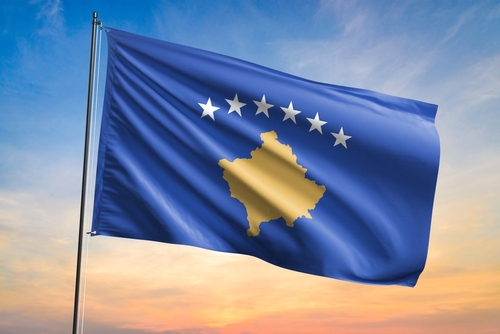
Kosovo Independence Day (Feb 17)

On February 17, 2026, Kosovo will celebrate its 18th year of independence. Kosovo Independence Day is marked by vibrant street festivals in Pristina, the unveiling of the annual NEWBORN monument design, and a sea of blue and yellow flags. It is a joyous occasion that highlights the country’s young, optimistic spirit.

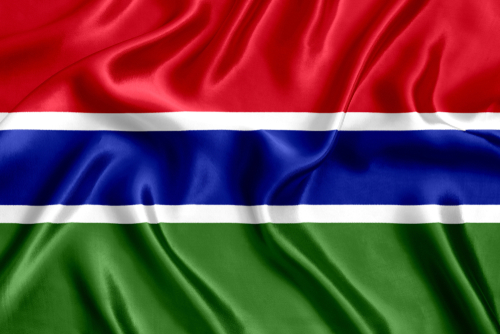
The Gambia Independence Day (Feb 18)

Known as the “Smiling Coast of Africa,” The Gambia celebrates its independence from Britain on February 18. The day is typically marked by a grand parade at McCarthy Square in Banjul, where schoolchildren and security forces march before the President. Families gather to share traditional dishes like Benachin (Jollof rice), celebrating their freedom and unity.

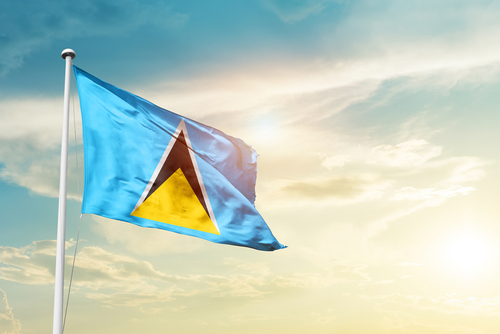
Saint Lucia Independence Day (Feb 22)

Saint Lucia Independence Day commemorates the island’s freedom from British rule in 1979. In 2026, the holiday falls on a Sunday, so the public observation will likely move to Monday, February 23. Expect a weekend filled with the colors of the flag—blue, gold, black, and white—along with military parades and rallies celebrating the island’s culture.

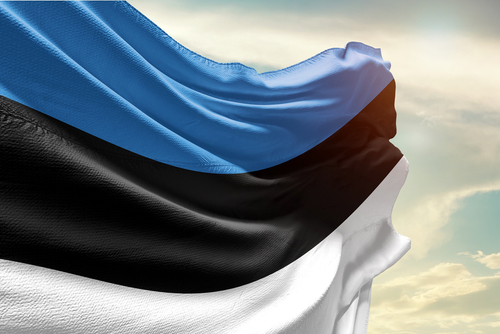
Estonia Independence Day (Feb 24)

In the chilly Baltic winter, Estonia Independence Day warms the hearts of its citizens. This day honors the 1918 declaration of the Republic of Estonia. Traditions include a sunrise flag-raising ceremony at Toompea Castle in Tallinn, a military parade, and a televised presidential reception in the evening.

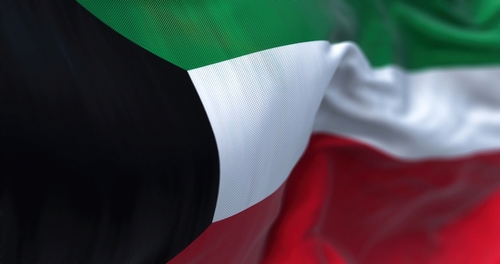
Kuwait National Day (Feb 25)

Kuwait National Day is one of the most festive holidays in the Gulf. It celebrates the accession of Sheikh Abdullah Al-Salem Al-Sabah. The streets of Kuwait City light up with elaborate decorations, and citizens often dress in national colors for parades and fireworks, followed immediately by Liberation Day on February 26.

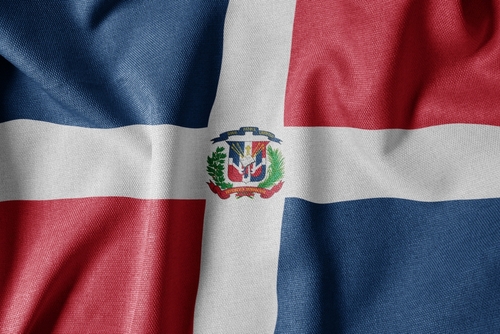
Dominican Republic Independence Day (Feb 27)

Perhaps the loudest and most colorful celebration of the month, Dominican Independence Day coincides with the climax of Carnival. It commemorates independence from Haiti in 1844. The day is filled with parades featuring iconic characters like the Diablo Cojuelo (Limping Devil), merging patriotic pride with centuries of folklore.

Cultural & Heritage Celebrations

Beyond political borders, February is home to festivals that honor shared history, mythology, and identity.

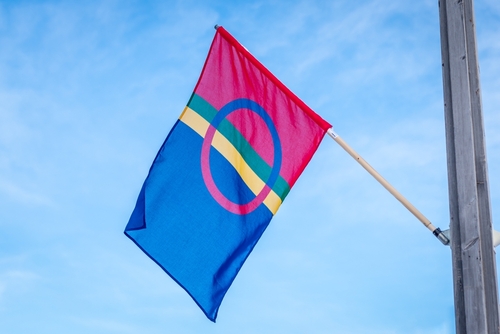
Sámi National Day (Feb 6)

Celebrated across Norway, Sweden, Finland, and Russia, Sámi National Day honors the Indigenous people of the Nordic region. It marks the first Sámi congress held in 1917. You will see the vibrant Sámi flag flying high, and communities gathering to wear traditional gákti clothing and sing joik songs.

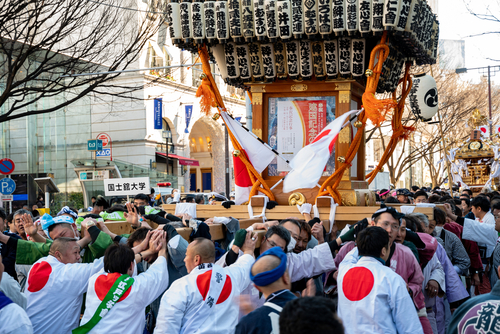
Japan: National Foundation Day (Feb 11)

National Foundation Day, or Kenkoku Kinen no Hi, commemorates the legendary accession of Japan’s first emperor, Jimmu, in 660 BCE. While it is a quieter public holiday, you can witness parades in Tokyo and special rites at Shinto shrines, reflecting on the nation’s ancient origins.

Cameroon Youth Day (Feb 11)

In Cameroon, February 11 is dedicated to the next generation. Cameroon Youth Day honors the 1961 plebiscite that led to reunification. The day involves massive parades of schoolchildren and university students, emphasizing the role of youth in the country’s future development.

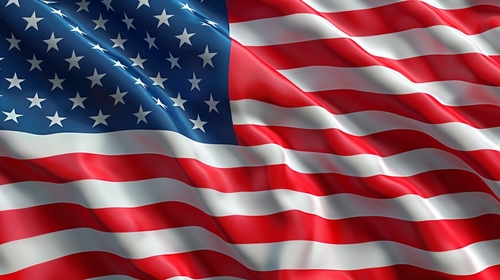
United States: Presidents’ Day (Feb 16)

Observed on the third Monday of February, Presidents’ Day (officially Washington’s Birthday) honors the leaders of the United States. In 2026, it falls on February 16, creating a long weekend often used for travel, shopping, and civic reflection.

Lunar New Year (Feb 17)

Lunar New Year, beginning on February 17 in 2026, is a major cultural celebration across East and Southeast Asia, including China, Vietnam (Tết), and South Korea (Seollal). Rooted in themes of renewal and ancestral respect, the holiday marks the start of the lunar calendar with family gatherings, traditional foods, and symbolic customs. In China, red envelopes and fireworks are central to the festivities, while in Vietnam, families clean their homes and prepare special dishes to welcome good fortune. South Koreans honor their ancestors with ceremonial rituals and enjoy rice cake soup to mark a new year of life. Around the world, Lunar New Year is also celebrated by diaspora communities through vibrant parades, festivals, and cultural performances.

Carnival (Dates Vary)

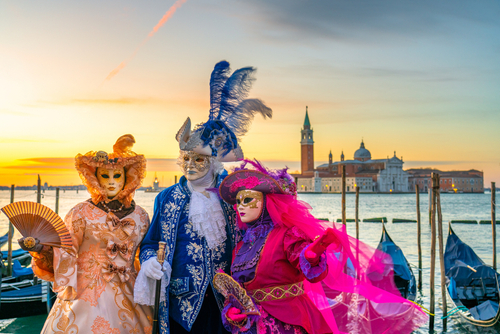
The global phenomenon of Carnival reaches its peak in February. In 2026, major celebrations like Rio de Janeiro’s famous parades and New Orleans’ Mardi Gras will culminate in mid-February (Mardi Gras falls on Feb 17). It is a time of unbridled joy, elaborate costumes, and community feasting before the Lenten season begins.

Japan: Emperor’s Birthday (Feb 23)

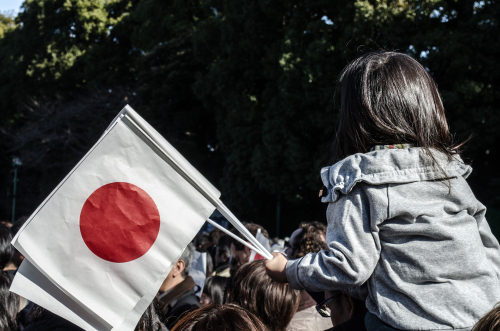
A rare opportunity for the public to enter the inner grounds of the Imperial Palace in Tokyo, the Emperor’s Birthday celebrates the reigning Emperor Naruhito. Visitors wave Japanese flags and offer well-wishes to the monarch, who makes a public appearance on the palace balcony.

Finland: Kalevala Day (Feb 28)

Kalevala Day celebrates Finnish culture and the national epic poem, the Kalevala. This collection of mythology helped forge the Finnish national identity. On this day, flags fly across Finland to honor the literature, music, and folklore that define the Finnish soul.

Black History Month (All of February)

Black History Month, observed throughout February in the United States and Canada, honors the achievements, resilience, and cultural contributions of Black communities across centuries. It began as a week-long observance in 1926 and has grown into a month of reflection, education, and celebration. Events throughout the month spotlight influential Black leaders, artists, inventors, and civil rights movements, while also addressing ongoing issues of racial justice and equity. Schools, museums, and cultural institutions host exhibitions, panels, and performances that elevate Black voices and stories, fostering a deeper understanding of history and a more inclusive future.

International & UN Observances

These global observances raise awareness for critical issues, from environmental protection to social equity.

  • World Hijab Day (Feb 1): A day inviting women of all backgrounds to experience wearing the hijab, fostering religious tolerance and understanding.
  • World Wetlands Day (Feb 2): Highlights the vital role wetlands play in our ecosystem and the urgent need to protect them.
  • World Pulses Day (Feb 10): Celebrates the nutritional and environmental benefits of pulses (like beans, lentils, and chickpeas) in sustainable food systems.
  • International Day of Women and Girls in Science (Feb 11): Advocates for full and equal access to science for women and girls, recognizing their critical role in innovation.
  • World Radio Day (Feb 13): Honors the enduring power of radio to inform, educate, and entertain diverse communities.
  • World Day of Social Justice (Feb 20): Promotes efforts to tackle poverty, exclusion, and unemployment, striving for a fair global society.
  • International Mother Language Day (Feb 21): Celebrates linguistic diversity and promotes the preservation of mother tongues, reminding us that language is the heart of culture.

Spiritual & Religious Observances

February 2026 includes significant dates for reflection and renewal across different faiths.

  • Tu Bishvat (Feb 1-2): Known as the “New Year of the Trees,” this Jewish holiday connects spirituality with environmental stewardship. In 2026, it begins at sundown on February 1.
  • Ash Wednesday (Feb 18): This day marks the beginning of Lent for many Christians. It is a solemn day of fasting and reflection, often observed by receiving ashes on the forehead as a symbol of mortality and repentance.

Health and Wellness Months

Several month-long observances in February focus on history and health, particularly in North America.

Cultural Curiosities & Fun Celebrations

Finally, February is peppered with lighthearted days that bring communities together in unique ways.

  • Groundhog Day (Feb 2): A quirky North American tradition where a groundhog’s shadow predicts the arrival of spring.
  • Constitution Day in Mexico (Feb 2): While officially Feb 5, it is observed on the first Monday of February (Feb 2 in 2026), giving families a long weekend to celebrate their national charter.
  • Valentine’s Day (Feb 14): Celebrated globally, this day has evolved from romantic gestures to a broader celebration of love for friends and family.
  • Random Acts of Kindness Day (Feb 17): A global reminder that small, unexpected gestures of kindness can have a massive impact on our communities.

Celebrating Together in 2026

As you navigate February 2026, take a moment to look beyond your own borders. Whether it is the solemn pride of Estonia, the vibrant parades of the Dominican Republic, or the quiet environmental pledge of Tu Bishvat, these days offer us a chance to understand each other better.

In a world that often feels divided, celebrating what makes us unique—and what brings us together—is more important than ever.

Key Highlights

  • The Fulton County Library System is a group of 34 libraries. This includes the well-known Central Library that is in Atlanta and in Fulton County.
  • You get to use many books, digital media, and online things with your free library card.
  • The library system has a long story. It started as a Carnegie Library and took part in the Civil Rights Movement.
  • There are branch libraries spread all over Fulton County. This means all people who live in the county can get to a library near them.
  • The library system gives you thousands of free programs. These go from story times for kids to workshops for adults and help with using technology.

Introduction

Welcome to your guide to the Atlanta-Fulton Public Library System! The Fulton County Library System is more than just a group of buildings with books. It’s also a busy place in the community where people can learn, find new things, and meet others. No matter if you have lived in Fulton for a long time or you just moved to the area, this public library system has many things for you to use. In this guide, you will get to see what the county library system can do for you as we look ahead to 2026.

Overview of the Atlanta-Fulton Public Library System

The Fulton County Library System is made up of 34 public library locations. It serves people who live in the City of Atlanta and also those who are in all of Fulton County. The county runs the library system. The goal is to make sure everyone can get information, learn new things, and enjoy art and culture.

You can use many services at the library. These include borrowing books and movies. There is also free Wi-Fi. The library hosts events for the community too. These services fit many needs.

The next parts will talk about the library system’s main goal, its story over the years, and how it helps people in Atlanta and all of Fulton County.

Mission and Vision for 2026

The main purpose of the public library system and groups like the Atlanta-Fulton Public Library Foundation is to stand up for, work with, and help fund the libraries. Their support helps the system stay useful and quick to meet what people in Fulton County need. They want to keep building places where people enjoy reading and keep learning all their lives.

Looking forward, the goal for the county library system is to see every Fulton County resident use, appreciate, and help support this amazing resource. They want everyone to feel proud of what their libraries can give, whether it is learning programs or places to meet with others from the community.

This big idea shines through their main work areas. They give help with school and jobs, make sure people can use tech and the internet, and build partnerships that show off Atlanta’s special blend of culture. These things help make the library system a key part of everyday life for kids, families, and adults in Fulton County.

Evolution and Historical Highlights

The story of the library started in 1867 with the Young Men’s Library Association, which was a subscription group. In 1902, things changed for the library system with the opening of the first public Carnegie Library in downtown Atlanta. Ackerman & Ross designed this beautiful building. It served the city for many years.

The history of this public library system also tells the story of Atlanta’s social changes. In the beginning, Black people were not allowed to use it. Because of this, activists called for everyone to have a fair chance. Their work led to the Auburn Avenue Branch opening in 1921. This was the first branch for African Americans in the library system. On May 19, 1959, the library system in Atlanta was fully opened to everyone. This happened after a push by Irene Dobbs Jackson, who was the mother of future Atlanta mayor Maynard Jackson. This event was an important part of the civil rights movement.

With time, the library system grew from a few branches to the 34 branches people know now. In 1983, control of the library moved from the city to the county, and this made the Atlanta-Fulton Public Library System. It also showed how the public library became a place for all of Fulton County.

Key Statistics and Community Impact

The impact of the library system on the Atlanta community is immense, reaching over a million residents with its services. With the oversight of the Library Board and the Fulton County Board of Commissioners, the library facilitates millions of interactions, from borrowing materials to attending programs.

The numbers from 2024 highlight the library’s active role in community life. These statistics show just how deeply the library is woven into the fabric of the county.

Metric 2024 Figures
Summer Reading Participants 13,725 children and youth
Program Attendance 211,667 individuals
Total Programs Offered 10,043
Library Visits (Digital/In-person) 4,971,874

These figures demonstrate a clear commitment to engagement. With over 10,000 programs for both children and adults, the library serves as a dynamic center for learning and community gathering. The high volume of visits, both in-person and digital, proves that the library is an essential service for residents.

Accessing Library Services

Getting all the resources in the public library system is easy. Your library card is the key you need. This card lets you get information, find fun things to do, and enjoy all the public library offers through its 34 branches.

You just have to follow a simple process to get your library card. Once you have your card, you can take care of your account online without trouble. The next parts will show you how to get your card, use the online login, and where to look to check the library hours before your next visit.

How to Get a Library Card

Your library card gives you free access to everything the county library system has. Anyone who lives in Fulton County can get a library card. You can use it at all 34 library locations. It lets you borrow books, use the library computers, and do much more.

Getting your library card is pretty simple. The library system wants to make it easy and fast, so you can start using fulton county libraries right away.

  • Visit any County library branch in person.
  • Show a photo ID and something that proves your current address.
  • Fill out a short form.
  • Get your new library card and start right away.

With your card, you can do a lot. You can borrow things, ask for items sent from other branches, and use the digital library from your home. This is all a big part of what makes the fulton county library system so helpful for people.

Online Account Management and Login

The library system gives you more than just the buildings you can visit. You can use a handy online portal and app to check your account any time and anywhere. With these tools, the library is always ready for you.

How do you log in? Go to the library’s official website and find the account login page. You use your library card number and a PIN or a password to safely get into your account. Most times, this same login works with the library’s app, too.

When you log in, you can check and handle all parts of your borrowing. You can see what you have right now, renew books or things to use them longer, put holds on things you want, and see if you have any fines or fees.

Library Hours and Visiting Guidelines

Before you go to your local public library branch, it’s good to check their hours first. Hours are not the same for every library. A big place like the Central Library in Downtown Atlanta can have times that don’t match smaller branches. The newest updates about hours are posted on the library system’s site.

To have a better visit, try to remember these easy steps. Doing these helps keep the library nice for all people who want to use it.

  • Always look up your branch’s hours online before you head over.
  • You can also hold books and things online with your account before you go in.
  • There are time rules for using the computers, so make sure you know them.
  • Bring back the things you borrow before or on the due date to keep your account in good shape.

If you plan your visit, it can help a lot. Check if there are days the library is closed for holidays or for special events, so you don’t waste time or miss out. This way, you get the best out of your trip to your library in Atlanta’s public library system.

Exploring the Central Library

The Atlanta Central Library sits right in downtown Atlanta. It is the main spot for the library system in the city. The building was finished back in 1980. Since then, it has become a big part of the public library system in Atlanta and Fulton. People know it as a place to learn and as a piece of city history.

The library was designed by Marcel Breuer. He was a well-known architect and part of the Bauhaus style. The design is like the Whitney Museum of Art building in New York. This central library is famous for its bold Brutalist look. The chief architectural curator of the Museum of Modern Art said great things about how it looks. Because of this, many people who love buildings, as well as usual library visitors, want to come see the Atlanta Central Library.

Main Features and Renovations

The Central Library has changed a lot to meet what people need in a modern city. The library that was built in 1980 fit what cities wanted back then. In 2008, a bond gave money for big upgrades. These changes helped the library stay new.

In this project, people first thought about building a new central library. But in the end, it was better to fix up the building that was already there. They wanted to keep what made the old building special. At the same time, they made the inside more bright, more open, and easier to use for everyone.

The updates improved many things at the Central Library. Now, the space is better for everyone who comes in.

  • Bright, new-style rooms with more sunlight.
  • Updated and bigger meeting rooms and spaces for people to work together.
  • Much better technology in every part of the building.
  • New event spaces that can change to fit programs and groups.

The Central Library is now ready for today and the years ahead. Its meeting rooms and new features help lots of people come together and learn.

Special Collections and Archives

Besides its regular books, the library system also has special collections that you will not find just anywhere. These archives help people see more about some parts of history and culture. They are great for researchers, students, or anyone who just wants to know more.

One good example is the Auburn Avenue Research Library on African American Culture and History. This is a big part of the library system. It works hard to keep the stories and past of African Americans safe. Inside, you can find rare books, old papers, photos, and other records that show a deep and rich history.

These collections help everyone learn more about the Civil Rights Movement and why it is important for Atlanta. The library lets people in the public see these archives. There are often programs and displays that help new people learn about this history and its place in african american culture.

Technology Access and Workspaces

Today’s public library is an important place for getting to technology. The Atlanta-Fulton Public Library System works hard to help people cross the digital divide. Every branch in the library system has the spaces and tools you need to work, learn, or get connected in the digital world. You can go to a quiet spot for focus or use meeting rooms to team up with others.

The public library gives cardholders many tech resources for free. These tools help people do things, like finish job applications, do homework, or work on their own projects.

  • Public computers with fast internet you can use.
  • Free Wi-Fi for your laptop, tablet, or phone.
  • Meeting rooms you can book that are set up for presentations.
  • Printing and scanning when you need it.

So, if you want fast internet, a quiet spot for a computer, or a meeting room for a group, the public library system in atlanta and fulton has what you need. You can get these services on the library’s app or website. This helps make sure that everyone in the community has a good chance to learn and grow.

Branch Network Across Atlanta and Fulton County

One great thing about the public library system is that it is easy to get to. The library system has 34 branch libraries in the City of Atlanta and all over Fulton County. So, you are always close to a public library. The library system builds these branch libraries to help people in each area get what they need.

The public library is open to everyone. It gives people in the city of Atlanta and in other Fulton County neighborhoods a way to get books, use technology, and join in on community programs. The next sections will talk about some of the important branch libraries in Atlanta.

Major Branch Locations

The Central Library is the main spot for libraries in Downtown Atlanta. At the same time, several big branch libraries work as important hubs for people all over Fulton County. These branch libraries have large collections, lots of space, and many different events and programs.

In Fulton County, some of the busiest and most used branch libraries are found in many areas. This helps people in big parts of the county use Fulton library services close to where they live. These well-known branches are:

  • Buckhead Branch
  • Roswell Branch
  • Sandy Springs Branch
  • East Roswell Branch

These places keep up the idea started by the first Carnegie Library. They make sure people can get to books, information, and programs without trouble. Each of these big branch libraries is very important for its neighborhood in Atlanta and Fulton. They offer things like big rooms for meetings and special events. If you want to see every one of the 34 branch libraries in the system, visit the system’s website.

Neighborhood Branch Highlights

The real heart of the library system in fulton county is the branch libraries found in neighborhoods. These places are not as big as the main hubs, but they offer a warm and friendly feel to the people who live nearby. They are in the city of atlanta and other parts of georgia, and it’s easy for all ages to feel welcome there.

Branches like the Kirkwood Branch, Adams Park Branch, and Ponce de Leon Branch play a big role for people in atlanta. You can find more than just books at these spots. There is a safe place for kids when school is over. There is a quiet area where adults can enjoy reading. People also meet here and get to know more about each other.

Some branch libraries, like the Cleveland Avenue-Roy Lyndell Yancey, Sr. Branch, stand out in a special way. This one was the first in fulton county to have rooftop solar power at a government place. Little things like this show that every branch has something unique and adds something good to the library system in georgia.

Facilities and Accessibility

The library system wants to make sure that its spaces are easy to use, friendly, and ready for everyone in the community. Everything, from the way a branch is designed to the things you can do inside, is set up so all people can feel welcome in the library.

Branches in the public library have many things to offer because everyone has different needs. These features help make the library a great spot for learning, working with others, or taking time for yourself.

  • Fully accessible buildings that meet ADA standards.
  • Public meeting rooms that community groups in Fulton or Atlanta can reserve.
  • Quiet study areas for one person, plus special sections for children.
  • Comfortable places to sit and work for all people who come in.

Being able to offer these high-quality facilities is possible because of strong community partnerships. The Atlanta-Fulton Public Library Foundation stands out as one big partner. They help by finding money and speaking up for improvements, new programs, and fresh ideas at all 34 branches.

Frequently Asked Questions (FAQs)

If you want to know more about the Atlanta-Fulton Public Library System, you are not alone. A lot of people ask about library cards. You need a card for borrowing things like audiobooks or to use online tools. Many people also ask about meeting rooms at the public library. You can use these rooms for community events. The Auburn Avenue Research Library is known for its strong link to the civil rights movement. You will see this important history right at the library.

Don’t wait to look at all the things you get from branch libraries in the city of Atlanta. The new central library is built to help serve everyone in the community. Whether you want to use Fulton branch libraries or the central library, you will find something for all. The public library system is ready to help you get what you need.

How can I access ebooks and audiobooks from the Atlanta-Fulton Public Library System?

You can use your library card to borrow ebooks and audiobooks from a large digital collection. Just go to the library system’s website or get the Libby app on your phone or tablet. With this service, you can check out titles and start borrowing right away from anywhere in Atlanta. It does not cost anything to use the app for borrowing your favorite audiobooks or books.

What events or programs are available for children and adults at the library?

The public library system in Georgia brings a lot of free programs every year. You will find things like story times for kids, career help classes for adults, talks with authors, and fun events for the community. If you want to know what is happening in your local public library, just ask a librarian or check the online calendar for your branch. They can help you see all the programs the library system offers.

Who do I contact for help or information at the Atlanta-Fulton Public Library System?

For general questions or if you need help finding things, talk with a librarian at any Atlanta branch. If you have an issue or need details about your account, use the contact forms or phone numbers on the official Fulton County library system website. If you want to ask about rules or policies, send your question to the Library Board.

Conclusion

In the end, the Atlanta-Fulton Public Library System works hard to build a strong and lively community. The library does this by offering helpful programs and making sure resources are easy to get to. When you understand what the library wants to do by 2026, you can see how much it cares for people who use it. No matter if you visit the central library or any of the other branches in Atlanta and Fulton County, you will find many services there.

These help with learning for all your life, enjoying different cultures, and being involved where you live. Your library card from the public library system lets you borrow ebooks, use audiobooks, and join lots of events for people of all ages. Don’t forget to use your library card and enjoy all these great things the library system gives you. If you would like some help that fits just you, reach out to us for a free talk.

public library

Key Highlights

Here is a short look at what you will find in our 2026 guide to the Denver Public Library (DPL). This guide has all you need to know to get the best from your time at the library.

  • The DPL has the main Denver Central Library and 28 more branch library spots.
  • Learn about a long history that goes back to 1889, with more than 2 million things in its collection.
  • You can get a library card to check out books, movies, and music. You can also use many online resources.
  • Two of the well-known places are the sam gary branch library and the park hill branch library.
  • The library gives people lots of programs in the community, from tech help to fun events in Denver.
  • The main central library stands at 10 W. 14th Ave. Parkway. Each branch location is open at different times.

Introduction

Welcome to the center of the Denver community here in Colorado. The Denver Public Library (DPL) is much more than a place for books. It is a lively spot where you can come in and look around, learn new things, make stuff, or meet other people. You can get to many learning tools, find a quiet spot to read, or join fun events with the community. The DPL always has something for you. In this guide, you will find out about the great services and experiences of the library. These help people live better and make Denver a stronger place.

Exploring Denver Public Library’s Legacy and Locations

The Denver Public Library system has a long history and a big network of places in the City and County of Denver. The Denver Central Library is large and well-known, while special spots like the Blair-Caldwell African American Research Library focus on more specific interests. Each branch library gives people a different way to get to knowledge and culture. The main building is also an old and important part of Denver.

Each location is important for its neighborhood, like the busy Park Hill Branch Library or other popular places around the city. To get the most out of what the libraries offer, you should know a bit of their history and find out where these branch library spots are. We will talk about the story behind the American Research Library and other main places. This will help you learn about their past and see how many options the denver libraries give you.

The History of Denver Public Library

The Denver Public Library got its start back in 1859 with a small group of books sitting on a carpenter’s bench. It did not become official until 1889, when John Cotton Dana became the head librarian. The library found its first main home in 1910 inside a Greek Revival building that was paid for by Andrew Carnegie. That first building is still standing and is now called the McNichols Civic Center Building.

As the city of Denver got bigger, the library system grew, too. The central library we know now—the Denver Central Library—opened for the public on Broadway in 1956. Then, in 1995, they made this building bigger, turning it into the seven-story building people see today. Inside, you can find art and some very special styles in the rooms.

This growth brought many new branches to Denver. One of these is the Schlessman Family Branch Library. Thanks to this growth, people all across the city have been able to use a branch library close by, reaching the resources and knowledge they need. The history of the library shows how much it keeps giving to its community.

Main Branch and Notable Branch Locations

The heart of the DPL system is the magnificent Central Library, located at 10 W. 14th Ave. Parkway. This seven-story building is a destination in itself, housing vast collections, art galleries, and the renowned Western History & Genealogy department. It serves as the primary resource hub for the entire library network.

Beyond the main branch, DPL has 28 branch locations, each tailored to the neighborhood it serves. These branches are vital community centers offering a wide range of services and collections.

Some of the many notable branches you can visit across Denver include:

Branch Name Special Feature
Blair-Caldwell African American Research Library Focuses on the history and culture of African Americans in the West.
Sam Gary Branch Library A modern space serving east Denver communities.
Rodolfo “Corky” Gonzales Branch Library A key resource for residents in west Denver.
Schlessman Family Branch A popular location in the Cherry Creek area.
Hampden Branch Library Serves the southeastern neighborhoods of Denver.

Library Membership and Card Services

A library card is your way to everything at the Denver Public Library. It gives you free access to information, fun, and things you can learn. With your card, you can check out books, use digital tools, get on public computers, and also visit local museums.

Getting your card is easy. You can start using these services soon after, no matter if you go to the Sam Gary Branch Library or the Rodolfo “Corky” Gonzales Branch Library. Let’s talk about how you can get your own card and what you can do with it.

How to Get a Denver Public Library Card

Are you ready to get your own Denver Public Library card? The steps are easy, and you can get started right away. If you live in Denver, you can get a free library card. This card will give you access to many resources.

You can sign up for a card at any DPL branch. You need to bring something to show who you are and where you live now. The staff at the library will help you fill out a short form. They will give you your card right there.

Here is what you usually need to bring:

  • A photo ID, like a driver’s license or state ID.
  • Something with your address on it, such as a utility bill or lease.

With your card, you can quickly borrow books and enjoy all that DPL offers.

Borrowing Physical and Digital Items with Your Card

Your DPL library card gives you a lot of ways to enjoy things for fun and for learning. You can check out many things at any branch. The library has books, DVDs with movies, music CDs, and more. There are millions of things you can pick up, so you will find something good for you.

There are more benefits to your DPL card in the digital world. You get to use a big online library that has ebooks, audiobooks, and streaming stuff. OverDrive is a main service for getting things online. It lets you put books right on your own devices, like an e-reader, a tablet, or your phone.

With your dpl card, you can borrow:

  • Books, magazines, and reference items.
  • Movies and music in different formats.
  • Ebooks and audiobooks on platforms like OverDrive.

Community Offerings and Programs in 2026

The Denver Public Library keeps growing and changing to help the community, and there are some big things coming by 2026. You will see more upgrades, like new fire alarms and new circulation desk installation projects at many branches. This will help make every visit safer and better for everyone. This library is about much more than just books. It is a place for people to come together and be involved.

The DPL also works with groups like the Museum of Contemporary Art Denver. It offers special resources at the Blair-Caldwell African American Research Library. This means you will find a lot of cultural and educational chances for everyone at the library. Keep reading to learn more about what resources there are and what events will be happening soon.

Educational Resources and Technology Access

The Denver Public Library, also called DPL, works hard to give everyone free access to information and technology. At every DPL location, there are public computers with the internet. You can find Microsoft Office too. There are also places to print, copy, or scan. Free Wi-Fi is at each spot, so it is easy to work, study, or get online.

If you want to make things with your hands, you can go to some branches that have ideaLABs. In these makerspaces, there are tools and tech you can use for your own projects. The DPL has a cool “Library of Things” too. Here, you can check out things like a GoPro camera, a video projector, or even get a State Park Pass if you want to have an adventure in Denver.

Key technology and learning tools include:

  • Free use of public computers and fast Wi-Fi.
  • Access to creative tools in the ideaLAB makerspaces.
  • The “Library of Things” for borrowing equipment and passes.

Upcoming Events, Workshops, and Activities

There is always something going on at the Denver Public Library. The library puts together many events, workshops, and fun activities for people of all ages. You will find things like author talks, book clubs, craft workshops, and open conversations to join. For example, at the Park Hill Branch, there was a Death Cafe where people could sit down and talk.

You should check the library’s lineup to see when these special programs happen. This is important during big times like Black History Month in February. The library works with places like the Denver Art Museum to bring more events to people in Denver. Events take place on different days, including Wednesday and Thursday nights, so more people can come.

Here are some of the events you can get at the library:

  • Black History Month celebrations with guest artists and people who speak.
  • Author talks with writers who are both new and live close by.
  • Workshops that help with learning things like ways to use technology or manage money.

Supporting and Connecting with Denver Public Library

Do you love your library? There are many ways for you to give your support and stay connected to the Denver Public Library. The DPL Friends Foundation has an important job. They speak up for the library and help get money for its programs and services. Your gift can help a lot.

You can also keep up with news from the library by following them on social media. This way, you will know about the latest events, new things they offer, and any updates at branches like the Rodolfo “Corky” Gonzales location. These are good ways to help and stay up to date with denver, dpl, and the Rodolfo branch. Let’s see how you can give your support and know what’s going on.

Friends Foundation and Donation Opportunities

The Denver Public Library Friends Foundation is a nonprofit group that helps the library in many ways. The group started in 1940. The Friends Foundation brings in important money from people who care about the library, from memberships, and by hosting special events. When you give to the foundation, you help pay for library programs, buying new books and materials, and other services that help everyone in Denver.

There are the many ways you can help out. Becoming a member of the Friends Foundation is a great way to show you care about your library. You can also give a donation one time or set up monthly giving online. The group puts on big fundraising events like the annual Summer and Winter Used Book Sales. You get a chance to pick up good books while helping an important cause.

Ways you can support the library include:

  • Making a financial donation to the Friends Foundation.
  • Becoming a member of the Friends Foundation.
  • Shopping at the used book sales.

Social Media Channels and Ways to Stay Informed

Staying in touch with the Denver Public Library is now simple. When you follow the DPL on social media, you get real-time updates about all that is going on at your local branch and around Denver. You will find out first about short-term shutdowns, brand-new programs, and special events.

The DPL is active on many sites where they share picks from staff, program news, and top stories. This is one good way to talk with the library community and find new things you can use that you might not know about.

To keep up with things, you can:

  • Follow the Denver Public Library’s pages on places like LinkedIn.
  • Sign up for the library’s newsletter so you get updates by email.
  • Check the DPL website’s news and events part often.

Conclusion

To sum up, the Denver Public Library is a busy place that brings learning, fun, and a sense of community to everyone. This library has a long history and many places for people to visit. It offers a lot of services to members from around Denver. People living in or visiting Denver find it to be a great spot for getting books, using new tools, or joining different events. In 2026, the library keeps working on giving everyone access to tools for learning, using computers, and joining in on events for people of all ages. This place helps people in Denver love books and keep learning throughout their lives. You can come here to borrow a story, join a workshop, or just enjoy a peaceful spot. The Denver Public Library welcomes everyone to be part of what they’re building. Make sure you see all the knowledge and chances they offer. Go see what’s here, meet new people, and use what your Denver library gives to you.

Frequently Asked Questions

What are the hours of operation for Denver Public Library?

The hours for each Denver Public Library (DPL) spot can be different. The Denver Central Library, as well as branch libraries like the Sam Gary Branch Library and Park Hill Branch Library, each set their own times to open and close. To know the most up-to-date hours for the Rodolfo “Corky” Gonzales Branch, or any other branch in Denver, it is best to visit the DPL website.

Can I borrow ebooks through OverDrive at Denver Public Library?

Yes, you can! If you have a Denver Public Library card, you get free access to many ebooks and audiobooks. Use the OverDrive platform or the Libby app for this. You can download the books right to your device. It is easy to read or listen wherever you go, in Denver or anywhere else.

How can I leave a review or recommendation for the library?

The library wants to hear from you! You can tell about your time or give tips on Denver Public Library’s social media. You can also talk to the staff in person at one of the branches, like the Rodolfo “Corky” Gonzales library. What you share helps the library serve people in Denver even better.

Key Highlights

  • The Cleveland Public Library started in 1869. It has a long history and gives people in Cleveland a big collection to use.
  • You can go see the main library downtown. You can also go to one of the 27 neighborhood branches in the city.
  • Getting in is easy. You only need to sign up for a free library card, and you can use all of their resources.
  • It is easy to get many digital resources. The library has e-books, audiobooks, and online databases for you to use.
  • There are special places too, like the Public Administration Library found in Cleveland City Hall.

Introduction

Welcome to your guide to the Cleveland Public Library! This is one of the big public libraries in the United States. The library is an important part of the Cleveland, Ohio area. It started in 1869. Today, there is a large downtown campus and many other branches all over the city. Anyone can use the library. If you live here or you are just visiting, you will find a lot of things to know and learn, even some fun things to do. You can sit quietly, read books, and grow at this library.

Exploring the Main Library Campus

The Main Library is at the center of the system, right on Superior Avenue in downtown Cleveland. There are two buildings here, and they are joined by an underground walkway that is truly nice. You can find a lot to see and do in both buildings. Their subject departments are very big, and there are many special things to see inside.

Right between the two main library buildings, you will see the Eastman Reading Garden. This outdoor area is quiet and has cool sculptures. It is a good place to pause, relax, and read a book that you just picked up from the library. The Main Library is not just a place for books. It is full of culture and facts. You will find it close to big spots like the Cleveland Museum of Art and the Cleveland History Center.

Hours of Operation and Location Details

You can find the Main Library situated in the heart of downtown Cleveland, near landmarks like Cleveland City Hall. The campus is split between two primary buildings, offering an expansive space for reading, research, and community events. The older, renovated building and the more modern Louis Stokes Wing together provide millions of titles and resources for you to explore.

While specific hours of operation for the Main Library and its branches can vary, they are designed to be accessible to the community. It is always a good idea to check the official Cleveland Public Library website for the most current schedule before your visit, as hours can change for holidays or special events.

The Carnegie-West Branch is the largest neighborhood branch at 25,000 square feet, but the Main Library campus is significantly larger. The table below details the location of the two buildings that make up the central campus.

Building Name Location
Main Library Building 325 Superior Avenue, Cleveland, Ohio 44114
Louis Stokes Wing 525 Superior Avenue, Cleveland, Ohio 44114

Accessing Library Parking and Transportation Options

Getting to the main library in downtown Cleveland is easy because it sits right in the center of the city. If you drive, you can find many parking choices close to the library. There is not a lot just for people who use the library, but you will see many paid parking garages and open lots that are close enough to walk from Superior Avenue.

If you want to use the bus or train, Cleveland’s RTA has many lines that stop near the main library and Cleveland City Hall. This way is simple and does not cost much. This also means most people can visit and enjoy what the main library has, like the art from the public works of art project.

Here are a few tips to help you get there:

  • Look for parking garages that are a few blocks away from the main library.
  • Go to the RTA site to see bus and train times that go to Cleveland City Hall and near the library.
  • Try biking or walking if you are already in downtown Cleveland.
  • Plan your visit if there are big events since parking will be harder to find.

Branches and Neighborhood Access

The Cleveland Public Library system is not just about the grand Main Library. It also stands out because of its 27 neighborhood branches. These spots bring books, services, and the help you need closer to where you live. This makes it easier than ever for you to visit a library in your area.

Each neighborhood branch has a history with the local Boards of Education. For many years, these branches have played a big part in bringing learning and activities to people all over Cleveland. They are very important places in the city.

No matter where you are in Cleveland, you will find that a library is not far away. These neighborhood branches are about more than just lending books. They are full of things to do and ways you can connect with others. Every branch is a center of activity for its part of the city.

Next, you will get to know what makes these neighborhood branches stand out. You will also see how to find the closest branch to you.

Unique Features of Cleveland Public Library Branches

The story of the neighborhood branches goes back a long way. It starts with the strong will of librarian William Howard Brett. He worked hard, and because of that, Andrew Carnegie gave money in the early 1900s to build fifteen branches. This became the start of one of the biggest branch systems in the country. The goal was to be there for every person in the area.

A lot of these old buildings are still there today. They show a mix of classic style and new services that people need now. The Carnegie-West Branch is an example. It is not just a great building but is also the largest neighborhood branch in the system. All twenty-seven branches have something special about them. Each one fits the part of the community it is in. Some are close to places like the West Side Market, while others are in very quiet, homey parts of town. These branches are a big help for researchers, families, and many others.

Some important things to know about the branch system are:

  • It has both Carnegie buildings from long ago and newer buildings with new designs.
  • Each branch has its own books and activities fit to serve its neighborhood.
  • In the past, “home libraries” were set up for new families coming from other countries.
  • The library keeps working on projects to update every branch, so they have the best for their people.

How to Find Your Nearest Branch

There are 27 neighborhood branches in Cleveland, so you can find one near you without much trouble. The best way is to go to the Cleveland Public Library’s website. You can use the “Locations” page there. You will see an interactive map and a full list of branches. It also gives you addresses and hours.

If you are close to the West Side Market or if you are in another part of town, there will be a branch nearby. Each place welcomes you. You will find a friendly librarian ready to help. They can go over what you want, or share more. These branches were part of what Mason and other leaders wanted, so people would always get what they need from their library.

When you have a question, reach out to your local branch first. Their staff will talk to you about services, events, and all the different things the library has. You can call, or just walk in. They will be happy to help you in any way.

Getting Started with Library Services

Ready to see what Cleveland’s public libraries have for you? The best way to start is to get your own library card. With this card, you can check out books and tap into digital media. You can use computers or explore all the subject departments at the Main Library. It’s your ticket to so much information and fun.

Getting your card is easy. The steps are simple and open for everyone who lives here. When you get the card, you can start looking at all the books and more that the main library has. Let’s talk about how you can sign up for a card and what you need to bring.

How to Apply for a Cleveland Public Library Card

Getting your Cleveland Public Library card is easy. You can apply for a card at the Main Library or any of the 27 branches. To get your card, you need a photo ID and something that shows your current address. This helps the library give resources to the people who live in Cleveland.

The library cares about making things easy for all. This has been important since the start, when it worked with the city’s Boards of Education. The main goal is to offer free and open knowledge to all people in Cleveland. This idea is still alive now, making it simple for you to join one of the top public libraries in the country.

After you finish the form, you will get your card right away. You can use it to check out books, use public computers, and get to the library’s large online collection from your home.

Contact Information and Visitor Assistance

If you need help or have any questions, the Cleveland Public Library gives you a few easy ways to contact them. For most questions, it is good to start at the library’s website. There, you will find a lot of helpful information. You can also call or stop by your local library branch to get direct support from staff who know the answers.

If you need something more specific, you can go to the Public Administration Library in Cleveland City Hall. This library serves both government workers and people in the city. The library in Cleveland has been around for many years, and it is well-respected in the community. One of its old leaders, Lawrence Quincy Mumford, later became the Librarian of Congress.

The library staff are always there to help. If you want help with research, your library account, or want to know about coming events, their team is ready with friendly and professional service. So, do not wait—contact the Cleveland Public Library for anything you need.

Collections, Archives, and Digital Resources

The Cleveland Public Library has more than 13 million items. The collection has more than books. You will also find special collections, old records, and a big digital library. No matter if you are doing work for school, doing research, or just want a book to read, there will be something good for you.

You can see rare books, old papers, and special things if you visit the library. Or, you can read e-books and listen to audiobooks from anywhere if you have the internet. The library works hard to keep history safe and bring in new things. Its many services help with that. Now, we will look more at these great resources in the cleveland library.

Touring Special Collections and Historic Archives

The Special Collections Department is special because of the hard work and vision of John G. White, who was a former library board president. His love for books brought the world-famous John G. White Collection of Folklore and Orientalia here. The library also holds one of the biggest chess libraries you can find in the world. You can see all these amazing materials for yourself in the Fine Arts and Special Collections reading room.

This department holds many rare and valuable items. Over time, things from different topics have been brought together in this space. Many leaders helped shape the Cleveland Public Library. The first librarian was Luther Melville Oviatt. Other key names from the library’s story include William Howard Brett and Marilla Waite Freeman. Each of them played a big part in building the legacy that still stands today.

Lawrence Quincy Mumford also stands out. He directed this library before he became the Librarian of Congress. This shows just how important Cleveland Public Library is, even at the national level. When you explore these special collections, you get a direct link to the people and the rich history that made this place what it is now.

Accessing E-Books, Audiobooks, and Online Databases

Yes, the library has a big collection of digital resources. Because the library works with OverDrive, which is a company from Cleveland, you can use your library card to get thousands of e-books and audiobooks for free. You can download these right to your computer, tablet, or phone.

There are not only e-books, but also many online databases you can use. These are good for students, people who do research, or anyone who wants to find solid information about many things, like world war ii or fixing cars. The library works with digitization, too. This helps put old records online, such as its old world war ii reports, so you or other people can view them anytime.

You can start enjoying these digital tools right now. All you need is your library card number and your PIN to sign in. Here are some digital resources you can use:

  • A big group of e-books and audiobooks with OverDrive.
  • Streaming services for videos and music.
  • Sites for online learning and newspaper collections.
  • Special websites and online databases about lots of topics.

Conclusion

To sum it up, the Cleveland Public Library has many resources and services for people in the area. You can check out the main library or find special things at other branches. There is something for everyone at this library. If you want to get a library card, use digital collections, or join in on programs, the library will help you with your needs. Look out for many fun events and programs coming in 2026. If you have any questions about the main library or other locations, reach out to visitor help. Have a great time exploring what the Cleveland library has to offer!

Frequently Asked Questions

Can I reserve a meeting room at Cleveland Public Library?

Yes, the Cleveland Public Library has meeting rooms that people can use. You can find these rooms at the main library and at other branches in Cleveland. The rooms are different in size. Some are small study rooms, and some are bigger. If you want to book a meeting room, you need to reach out to the main library or the branch you want. You can also go to the library’s website to see what is open and learn more about how to book a room.

What events and programs are available in 2026?

The Cleveland Public Library has many events and programs all through the year. You can find author talks, workshops, and story time for kids at this public library. If you want to know about all the events happening at public libraries in Cleveland in 2026, you should look at the events calendar on the official CPL website.

Are there resources for researchers and families?

Yes, the library is a great place for both. Researchers can use its many subject departments and old archives. Families will find special areas just for kids. William Howard Brett was one who helped start these. There are also many programs for families. All you need is your library card to get started.

Key Highlights

  • The Minneapolis Public Library is now included in the bigger Hennepin County Library system.
  • Here is your guide to the amazing Minneapolis Central Library. This is a modern place that stands out in the city.
  • Find out how to get a library card. You will be able to check out books and more from 41 library locations.
  • See what free things you can use like Wi-Fi, places to study, and the Best Buy Teen Tech Center.
  • Get info on things for the community, workshops, author talks, and special exhibits happening at the public library system.

Introduction

Welcome to your 2026 guide to the Minneapolis Public Library system! This public library used to stand alone. That changed in 2008 when it joined with the Hennepin County Library. Together, they made a bigger and stronger library system for the City of Minneapolis.

Now, the library system is an important part of life in Minneapolis. It has many resources, services, and programs for all.

Whether you have been here for years or you are new in the City of Minneapolis, the public library system has something for you. This great system is ready to welcome you, help you learn, and give you good things each time you visit.

Discovering Minneapolis Central Library in 2026

The Minneapolis Central Library is the star of the library system in Minneapolis, Minnesota. This is not just any spot for books. It is a beautiful building planned by the well-known Cesar Pelli. The current building opened in 2006. It shows off a fresh, modern look with lots of glass and bright spaces. You will find it is more than a library. It is also a busy place where people can meet, learn, and grow together.

This central library is a big part of the Hennepin County Library system. The new, modern building stands where the 1961 library once stood. There is now more room, better energy use, and a roof garden to enjoy. The space gives you and everyone else a great place for learning, discovery, and good energy. There is a lot you can see or do when you go for your visit.

Location, Hours, and Accessibility Features

You can find the Minneapolis Central Library conveniently located in the heart of downtown Minneapolis. Its prominent location near Hennepin Avenue and 10th Street makes it an easily accessible destination for everyone in the city. This site continues the legacy of the city’s first public library building, providing a central point for community access.

Library hours can change based on seasons and holidays, so it’s always a great idea to check the official Hennepin County Library website before your visit for the most current schedule.

Day Hours
Monday – Thursday Please check the official library website.
Friday – Saturday Please check the official library website.
Sunday Please check the official library website.

The modern building was designed with accessibility features to ensure all visitors feel welcome. As a public institution, the library is committed to providing an inclusive environment for every member of the community to enjoy its vast resources and services.

Parking Options and Transportation Tips

Are you thinking about going to the Minneapolis public library? It is right on Nicollet Mall, so you have the option to choose between a few ways to get there. If you drive into downtown Minneapolis, you will need to think about where to park. The library does not have its own public parking lot, but there are a lot of public and private parking ramps close by.

To avoid stress, you might want to use public transportation. The library is in the center of everything, and most bus routes stop close to it. It is also easy to walk from the light rail stations. This can be the best and cheapest way to get to the public library.

Here are some easy tips to make your trip simple:

  • Use a transit app to plan your bus or light rail trip before you go.
  • If you drive, try to check out early-bird deals at parking ramps close to Nicollet Mall.
  • You can also ride your bike. There are many bike racks in the area of downtown Minneapolis.

Main Services and Resources

The Minneapolis Public Library gives you more than just books. It is part of the Hennepin County Library system. This library system has the largest collection of items, so you can borrow millions of books, movies, and other things. You also get to use things from all 41 branch libraries.

You can go to the big Central Library or stop by a small branch. Each public library has resources that help people learn, get creative, and connect with others. The next parts will tell you how to get a library card and use all that your branch libraries offer through the Hennepin County Library System.

Getting a Library Card and Borrowing Privileges

Ready to see everything the library can give you? Getting a library card is your first step, and the good news is that it is free if you live here. This card lets you use the whole Hennepin County Library system. The time of the subscription library, like the Minneapolis Athenæum which was the predecessor of Minneapolis public libraries, is gone. Now, you can get into the library system with no closed doors.

When you get your card, you can borrow from any spot. You can ask for a book from any of the 41 places in the Hennepin County Library system. The item will be sent to the branch that is closest to you, so it’s easy to get things you want. This way, you can use a huge library and not have to go far.

If you want a library card, you will usually need to do these things:

  • Provide a valid photo ID.
  • Show proof of your current address.
  • Fill out a short application form.
  • Visit any Hennepin County Library place to finish your sign-up.

Free Wi-Fi, Study Spaces, and Technology Access

In today’s world, having technology is really important. Your central library helps you with this need. At the Minneapolis Central Library, everyone can use the free Wi-Fi. It’s a good place to get work done, study for something, or just be online. The library has quiet places to sit and study, and there are comfy seats around the building.

The library is a big spot for technology help. It gives you computers to use and other tech tools. One great thing here is the Best Buy Teen Tech Center. This special place lets young people use today’s technology and try out digital artwork. At the teen tech center, you get to try new tools and be creative.

Here are some things you can use at the Minneapolis Central Library:

  • Free, high-speed Wi-Fi you can use with your own device.
  • Public computers with internet and software.
  • Fun spaces to create, like the Best Buy Teen Tech Center.

Events and Community Programs

The Minneapolis Public Library is a lively place for the community. There is always something happening for people of all ages. At this public library, you can pick up a new skill. You might meet your favorite author or see a great art show. The library has many workshops. It holds talks with authors and fun things for families. All of these activities are made to bring people in and get them excited.

The community programs are a big part of what the public library does. They help people connect and keep learning as they get older. Some events get noticed around the country. Others are just small and local, but still very special. There is always more for everyone to do and see. If you want to know more about what’s offered, keep reading to find out about the programs you will find at this Minneapolis spot.

Upcoming Workshops, Author Talks, and Exhibits

Are you curious about what’s going on at the library? You can look forward to fun events like workshops, author talks, and special displays. The Cargill Gallery at Central Library often has new and exciting art shows. Some of these include the “Fondly thinking…” show with artists from Minneapolis, or the “I Wonder” show that features digital art made at the Teen Tech Center.

The library has community programs for everyone. You may see workshops where you learn how to turn your art into a career. There are also talks that celebrate Somali stories and culture, plus events like the well-known Coming Home Reentry Resource Fair. A lot of these bigger events and talks take place in the central library’s beautiful auditorium.

If you want to know what’s coming up, you can always check the library’s official events calendar. Here are some community programs you can take part in:

  • Art exhibits in the Cargill Gallery.
  • Career and skill-building workshops.
  • Author talks and book discussions.
  • Cultural heritage celebrations.

Conclusion

The Minneapolis Public Library in 2026 has a lot to offer people in the city. You can find help, meet others, and take part in many events. The public library is easy to get to and feels welcoming when you walk in. You can use study spaces, computers, and other technology there. People often come for these things.

The public library puts on events and programs for all ages. It does a good job making everyone feel welcome. So, if you want to borrow a book, join a workshop, or just need a quiet place to study, you will find it here. There is something for everyone. Make sure you stop by the Minneapolis Public Library soon and see what the place has for you.

Key Highlights

  • The Pima County Public Library has many branches for people in the area.
  • If you get a library card, you will have free access to lots of things.
  • You will find books, DVDs, audiobooks, and digital items at the library.
  • The library helps people in Pima County with events, workshops, and classes.
  • It is easy to find your nearest pima county branch using the library’s online tools.
  • The library’s digital collection lets you get ebooks and more from home.

Introduction

Welcome to the 2026 guide for the Tucson Public Library. The library is an important place for people in the City of Tucson and all of Pima County. There is more than just books at the pima county libraries. You will find that the libraries are full of things to help you learn, have fun, and meet other people. Anyone living in Tucson, pima county, or anywhere in arizona can use them. If you live here or if you just moved to the city of tucson, this guide will help you get the best out of all the great things the libraries in pima have for you.

Tucson Public Library Branches in 2026

With 27 Pima County Public Library branches all over Pima County, you are always close to a library. They are in the center of the city of Tucson and in other places like Sahuarita, AZ. The pima county libraries want everyone to get what they need from the library. Each is special for the people in its area.

It is simple to find the right branch for you. Do you want to know which ones are the busiest, or are you just looking for the branch near your home? The next sections will show you some of the most popular pima county libraries and tell you the quick steps to find the one near you.

Most Popular Library Locations Across Tucson

The Pima County Libraries system features many beloved branches, each with its own character and community. Among the many locations within the City of Tucson, a few stand out as particularly popular hubs for residents. These libraries are known for their extensive collections and welcoming environments.

Places like the Quincie Douglas Library, Wheeler Taft Abbett Sr Library, and Martha Cooper Library are vital parts of their respective neighborhoods. They provide essential services and a space for community members to gather and learn. Whether you’re looking for a specific book or a quiet place to read, these locations are excellent starting points.

Here are a few popular branches you can visit:

Library Name Address
Quincie Douglas Library 1585 E. 36th St. Tucson, AZ 85713
Martha Cooper Library 1377 N. Catalina Ave. Tucson, AZ 85712
Wheeler Taft Abbett Sr Library 7800 N. Schisler Dr. Tucson, AZ 85743

Finding the Nearest Public Library Branch

Finding the Pima County Public Library branch that is close to you is easy. There are many locations all over Pima. You can pick one near your home to get your library card and have free access to a lot of books and other things. The best way to do this is by going to the library’s official website.

The website gives you a few good ways to help you look for the library you want. This makes it simple for you to find a branch in your part of Tucson without trouble. The main aim is to help you get to your local branch fast and without any issues.

Here’s how to find the library that is near you:

  • Visit the Pima County Public Library website.
  • Use the search bar to type in a library name, address, or your ZIP code.
  • Choose the “Use my location” tool to see branches near you right away.
  • Filter the list to view locations that are open right now.

Essential Library Services and Resources

The Pima County Libraries give you many services that are not just about borrowing books. When you have a library card, you can use a big mix of things like DVDs, CDs, and audiobooks. This means you get more ways for both fun and learning, no matter how old you are.

You can also get to lots of digital stuff from the library. You do not have to be in the library to use it. You can get it from any place. Don’t know how to begin? The next parts will show you step by step how to get your library card and how you can start using the many ebooks and online items that Pima County Libraries have.

Getting a Tucson Public Library Card

Getting a Tucson Public Library card is the first step if you want to open up a world of information and fun. This library card lets you use all the services at any Pima County Public Library. You can use it at every branch in Tucson, Sahuarita, and other places in AZ. It is free, and anyone living in Pima County can get one. Getting a card is easy and can be done by anyone.

To sign up, you just need to share some simple details. You will need to show who you are and that you live in Pima County. The best way is to visit a branch in person. Once you get there, you can start borrowing books and using the library right away. The staff at the Pima County Public Library are there to help you with the form and to answer your questions.

Bring these things when you go:

  • A photo ID that is not expired, like your driver’s license.
  • Something that shows your address in Pima County, like a utility bill.
  • Fill out an application while you are at the library.
  • People of every age in Pima County can get a library card.

Accessing Digital Resources, Ebooks, and Audiobooks

Your library card lets you use the Pima County Public Library’s huge digital collection. You can borrow top ebooks and audiobooks. You will not need to leave your house to do it. You can use it on your phone, tablet, or computer. The digital library is open all the time. So, you have a lot of things to read and listen to when you want.

Starting is simple. You only need your library card number and the PIN you made when you signed up. The library’s website is made with BiblioCommons. On the site, you can look for, borrow, and put holds on digital books, just like you do for DVDs or CDs in the library.

Follow these steps to use the digital library:

  • Visit the library’s website.
  • Go to the digital collections or the ebooks and audiobooks area.
  • Log in with your library card number and PIN.
  • Look through the catalog and borrow what you want with one click.

Conclusion

To sum up, the Tucson Public Library is full of life and knowledge. It is a great place for people in 2026. There are many branches, and they offer the things you need, like different services, digital tools, and fun programs. It does not matter who you are, you can find something good for you. You may want to check out the newest ebooks, join a community event, or find a quiet spot to read or work. The library is here to help you.

Make sure you get your Tucson Public Library card. With it, you can see all the ways the library can be useful to you. Enjoy reading and learning all the time. The local library is ready to help you with that.

Frequently Asked Questions

What are the current opening hours for library branches?

Operating hours are not the same at every Pima County Public Library branch. Many spots in Tucson close at 5:00 p.m. on weekdays, but some have hours or days that are different. The best way to know the up-to-date hours for your own branch is to check the Pima County Libraries website.

How do I reserve study rooms or meeting spaces?

Many Pima County Public Library spots in Tucson, Arizona, have study rooms and meeting spaces you can use. If you want to know if the spaces are open, or how to book them, you can call your favorite branch. You can also go to the library’s official website to get more info about how to set up your reservation.

How can I volunteer or contact the Tucson Public Library for assistance?

To help out as a volunteer, you can get more info by checking out the “Friends of the Pima County Public Library” page on the library’s website. If you need help with your Pima County library card or have other questions, you can reach your local Tucson branch, use the “Live Chat” feature on the website, or call the phone number you see for that spot.

Key Highlights

  • Learn about the long past and bright future of the Fort Worth public libraries. There are also new ideas for 2026.
  • Find every library spot, like big centers and the brand new places all over the city.
  • See how your library card lets you get any book, digital pick, or audiobook for free.
  • Look at all the things you can do, like using tech tools or getting help from the library staff.
  • Join in with programs and events for any age. This goes from storytime to group workshops for adults.
  • Learn how you can help the library so it keeps serving all Fort Worth residents.

Introduction

Welcome to your guide for the Fort Worth Public Library system. You could be someone who loves to read. You might be new in the city too. The public libraries in Fort Worth have a lot for everyone. You will find quiet spots where you can read. There are also many community events to join. You can get so much out of these places.

This guide will show you all the basics. You will learn how to get a library card. There is also a lot that you can find online with the digital collections. You can join fun programs too. Let’s see what these public libraries in Fort Worth have ready for you.

Fort Worth Public Library: A Brief History and Future Vision

The Fort Worth Public Library system has been part of the City of Fort Worth for many years. Its history is connected to how Fort Worth itself has grown. All official archives are kept safe at the Fort Worth History Center. You can look into these if you want to see how the library became what it is today in this part of Texas. The story is about people, learning, and building something strong together.

The city council and the library’s leaders also have big plans for the future of public libraries in Fort Worth. They want to help more people get access and bring in new technology. They also want to build new spaces that fit what the community needs now. You can learn about their important moments in the past and see what they are planning for 2026.

Early Beginnings and Milestones

The Fort Worth Public Library is an important part of the city’s past and who we are. The hard work done by the Fort Worth History Center helps the city by keeping the main archives, which show how the city of Fort Worth and its library have changed over the years. If you want to learn about the cultural and educational roots of this Texas city, this center can help you do that.

The library system has become much bigger through the years. Big moments include opening neighborhood branches that people have counted on for many years. Libraries like Wedgwood (1962), Meadowbrook (1964), and East Berry (1967) grew to be strong parts of their neighborhoods. These buildings gave people a way to find information and enjoy books.

The growth of the Fort Worth library system shows that the city wants every person to have access to what the library offers. Every new branch, along with each item saved in the archives, lets us see how things have changed over time. This story tells about a system that grows along with Fort Worth.

Innovations and Expansion Plans for 2026

The Fort Worth public libraries are not just focused on the past. They are planning and building for the future too. One big idea for 2026 is the new downtown library. The city council supports this project. It will be a modern place for learning and bring people together.

People can already see this new way of thinking in what the libraries do now. These public libraries are growing their collections. They add new books and offer digital items too. The new and updated regional libraries are not just for books anymore. They are made to be gathering spots for the whole community and are well set up for this digital time.

The goal is to make sure that every person in Fort Worth can enjoy a friendly and modern library. The Fort Worth public libraries, with help from the city council, want to stay creative. This way, they will keep serving their people with regional libraries now and in many years ahead.

Library Locations and New Branch Highlights

It is easy to find a library in Fort Worth. There are branches all over the city of Fort Worth. You can visit big regional libraries or small, friendly ones in your area. There will be one close to you. If you are in the Golden Triangle or near downtown, it is simple for all Fort Worth residents to use library services.

The library system keeps getting bigger, with new branches opening to help new neighborhoods. These fresh places give you modern things and all kinds of resources. The library is a key part of each community. Keep reading to find out about the main branches. You can also learn which new libraries are opening in Fort Worth.

Main Branches and Special Facilities

The Fort Worth library system includes several main branches and special facilities designed to meet a variety of needs for Fort Worth residents. Regional libraries like the East Regional and Southwest Regional locations serve as large hubs with extensive collections and services. These are complemented by unique facilities that offer specialized resources.

One of the most important special facilities is the Fort Worth History Center. As the municipal archives for the City of Fort Worth, it houses invaluable historical documents and materials. Another unique location is the Reby Cary Youth Library, the first of its kind in Fort Worth, which is dedicated entirely to serving children and their families.

These diverse locations ensure that whether you are conducting in-depth research or looking for a family-friendly outing, you can find the right space. Here are some of the key locations available to you.

Library Name Type
East Regional Library Regional Library
Southwest Regional Library Regional Library
Fort Worth History Center Special Facility (Archives)
Reby Cary Youth Library Special Facility (Youth)
La Gran Biblioteca Retail-Based Library

Upcoming and Recently Renovated Libraries

The Fort Worth Public Library works hard to keep up with today’s needs and reach more people. This means fixing up old libraries and building new ones to help everyone in the community. Some neighborhood libraries, like wedgwood, summerglen, riverside, northside, and meadowbrook, are still important places for people to get together.

In the past few years, the library has opened many new locations. These new and coming branches give modern library services to neighborhoods that are growing, so more people can get what they need close to home. These up-to-date spaces show that the library is serious about moving forward.

Here are some of the newest libraries in the Fort Worth area:

  • Clifford Crossing Library: This library opened on August 31, 2024.
  • Vivian J. Lincoln Branch Library: This new library for the community opened in 2023.
  • Downtown Express Library: This one started in March 2024 and brings library help to the city center.

Exploring Services and Resources at Fort Worth Public Library

Your Fort Worth library card gives you a way to get to lots of services and things you can use. The public libraries have more than just books you see on the shelves. You can use digital media and have a way to get to technology. The library’s collection is made to help with learning, creativity, and bringing people together in the community.

The friendly library staff will always be there to help you find your way around. They want to make sure you get what you need. If you are looking for a good book or need help with a research project, your local library is ready to help. Let’s look at some of the great things the libraries in Fort Worth have for you.

Books, Digital Collections, and Audiobooks

The heart of the Fort Worth Public Library is in its big collection of books, audiobooks, and online content. You can get the newest books, popular hits, and old favorites. The digital picks are very helpful. You can borrow things and enjoy them at home.

If you like to listen to stories, the library has a wide range of audiobooks to check out. For ebooks and e-audiobooks, you can use easy-to-use apps like Libby and cloudLibrary. These apps let you download books right onto your phone, tablet, or e-reader.

The library also gives you special digital tools for your interests. If you have a library card, you can use thousands of items for free.

  • cloudLibrary: A great choice for e-books and e-audiobooks.
  • ComicsPlus: Get more than 27,000 graphic novels, comics, and manga.
  • Libby: A favorite app for borrowing online books and audiobooks.

Research Assistance and Technology Access

You can get help with a project or use new technology at your library. The library staff knows a lot, and they can help you find good information for school, work, or any other topic you are interested in. They will show you how to use the library’s databases and many other helpful resources.

Every library branch gives you free internet. You can use your own device to get on the Wi-Fi. If you need the password, just ask the staff. If you do not have your own device, you can use one of the library’s public computers. These services help all people get online, so you can apply for jobs, finish homework, or talk with people through the internet.

Libraries give more than just internet. You can also use printing and scanner services at low prices. It is easy to print your paper, make a photocopy, or scan a file to your email. No matter what you need to do, your local branch has the right equipment for you.

Programs and Events for All Ages

The Fort Worth Public Library is an active place for people in the area. It has many programs and events for all Fort Worth residents. The library staff puts a lot of work into making sure everything is fun and good for learning. Kids can join storytimes with picture books, while there are also hands-on STEAM programs. There is always something going on for everyone.

These programs help spark curiosity and keep people learning. They also help bring neighbors together. If you are a parent who wants something for your child, or an adult hoping to learn something new, the library has something for you. You can find new things to do for children, teens, and adults at the Fort Worth library.

Children’s Storytimes and Youth Activities

The library has many programs just for children and youth. Storytimes are a favorite event. At these sessions, little ones hear picture books and sing songs. This helps build early reading skills. It is also good for getting kids ready for kindergarten and making them enjoy reading for life.

The library has more than just storytimes. There are activities for older kids and teens, too. These usually focus on hands-on fun and learning. The steam programs help kids to explore science, technology, engineering, art, and math in a setting that is both engaging and fun.

All these events give young people a safe and good place to learn new things, make things, and meet others. Some of the most enjoyed ones are:

  • Family Storytimes: Fun sessions with books, songs, and simple activities for young children.
  • STEAM Programs: Workshops where kids can get hands-on with science and technology in a fun way.
  • Youth Activities: Different kinds of events for kids in school and for teens.

Adult Learning, Workshops, and Community Events

The Fort Worth Public Library is a great place for adult learning and for building new skills. The library offers many workshops. You can find sessions about technology, career growth, and creative hobbies. These classes let you learn something new. You also get to meet and connect with people who like the same things as you.

The library in the city of Fort Worth also hosts many community events. These events help bring people together and help grow strong local connections. You might see author talks, a movie night each month, or community parties at your branch. These events turn the library into a warm, welcoming spot for all.

If you want to pick up a new skill, meet others, or just have a good time nearby, look at the library’s calendar. The Fort Worth library, with its focus on learning and people, always has an event or workshop for adults in your area.

How to Get a Library Card and Access the Online Catalog

Getting a Fort Worth library card is the first thing you need to do if you want to use the free stuff the library offers. It is easy to get started, and there are so many things you can use. With this library card, you get to check out books, use a lot of digital materials, look through helpful databases, and more.

After you get your card, it is simple to use the library’s collection from home or anywhere else. You just go to the online catalog or use the library app. You can look up books, put items on hold, and take care of your account all with a few taps or clicks. Let’s show you how to sign up for a Fort Worth library card and how to start using the library’s system online.

Registration Process and Cardholder Benefits

Getting a library card is easy for all Fort Worth residents. You can start online or go to any branch near you. You need to show proof that you live in Fort Worth to finish the sign-up and get your library card. Once you have your card, you can use it for everything at the library.

There are a lot of good things that come with your card. You can borrow books, DVDs, and other items from any library building. You also get free use of the library’s digital tools. This means you can read e-books, listen to audiobooks, watch movies online, and learn on the internet, all with your library card.

If you want, you can use an app to look after your account. You can renew your books and save a digital copy of your library card on your phone. With your Fort Worth library card, you get:

  • Borrowing Materials: Pick out books, movies, music, and more at any library.
  • Digital Access: Use your card number to get e-books, audiobooks, and look up things online.
  • Computer and Internet Use: Sign in to use computers and get free Wi-Fi at any Fort Worth library.

Getting and using your library card gives you a lot, both in person and on the app.

Navigating the Fort Worth Public Library Online Catalog

Accessing the Fort Worth Public Library online catalog is easy. You can use any computer or phone for this. The catalog gives you a way to see all of the library’s books and other things. You can search for books, an author, or a topic you like. You can also look at new items or lists made by the staff.

To start, go to the library’s website. Find the link to the catalog there. You can search as a guest if you want. But, to hold a book or to see your account, you will have to log in. Use your library card number and password or PIN for this. The website will show you if the item is in and at which section or branch you will find it.

Your library account can be managed through the catalog, too. You can renew books you have, look at your holds, or change your contact details, like your email. Many libraries also have an app you can use on your phone. The app lets you browse the fort worth library catalog and use your account anytime you are on the go.

Supporting the Fort Worth Public Library Foundation

The Fort Worth Public Library needs help from the community to do well. The Fort Worth Public Library Foundation is very important to the library’s growth. This group is a non-profit and works to raise money and support for the library. The Foundation makes it possible for the library to offer programs and services that the city council’s budget alone cannot pay for.

You have many ways to give your support and help the library keep going strong. You can choose to donate money, give your time as a volunteer, or speak up for the library. Any way you help will mean a lot. Learn more about how you can join in and give something back to this important place for all of us in fort worth.

Ways to Donate or Volunteer

Supporting the Fort Worth Public Library Foundation is one way to give back to your city. Giving money is the most direct way to help the Fort Worth library. When you donate to the foundation, you support things like children’s reading programs. Your money also can help with technology updates in the City of Fort Worth.

If you do not want to give money, you can give your time instead. You can sign up to be a volunteer. The volunteers help the library staff. They do things like put books back on the shelves and help out at events for the city. You will get something from this. It is good for all Fort Worth residents who use the library.

Any gift, big or small, helps the Fort Worth library. Here are ways you can get involved:

  • Make a Donation: Your money to the Library Foundation helps build better programs and services.
  • Volunteer Your Time: Be one of the people who help library staff with their work.
  • Join a Friends Group: A lot of branches in the city have “Friends of the Library” groups. Members in these groups raise money and speak up for their local library.

Recent Achievements and Awards

While formal awards give credit, the real success of the Fort Worth Public Library comes from helping people in the community every day. One big step the library has made is the push to grow and update the libraries. The library system keeps getting bigger so that it can serve the city as it changes and grows.

They have opened several new spots in the last few years. These new libraries have new tools and safe spaces for people who need them the most. The city is showing a strong promise to make sure anyone can get what they need at a library near them. This quick and careful growth is a great thing for public libraries and everyone in Fort Worth.

Here are some key wins that show how the Fort Worth Public Library is moving forward:

  • Clifford Crossing Library: This library opened in August 2024.
  • Downtown Express Library: The city center branch opened in March 2024.
  • Vivian J. Lincoln Branch Library: A new spot for the community that opened in 2023.

Conclusion

The Fort Worth Public Library is more than a place where you can borrow books. It is a spot in the community where people of all ages go to learn and grow. The library is always adding new things for the future, even big changes coming in 2026. Over the years, the good things done here have helped shape what comes next. There is always a lot for everyone to see and do.

At the library, you will find all kinds of programs and events. These are made for kids, grown-ups, and everyone in between. There are strong resources you can use any time, too. The team in the library is here to help with what you need.

We hope you will use all the good things at the Fort Worth Public Library. Get your library card now, and start to open up a world of learning and people around you.

Frequently Asked Questions

Does the library offer free digital or audiobook access?

Yes! If you have a Fort Worth library card, you can use it to read lots of free e-books and listen to audiobooks. You can get to these books with apps like Libby and cloudLibrary. Just download the book or audiobook you want on your device. You can read or listen to them anywhere, any time, and you don’t have to pay.

How can I follow Fort Worth Public Library updates on social media?

It is easy to stay in touch with the Fort Worth Public Library. The best thing to do is go to the library’s main website. You will see links there that let you follow them. These links help you keep up with things like new events, new services, and news from the library staff.

Are there special library programs for children and families?

Yes, the library has many programs for kids and families. You will find storytimes with picture books for young children. The library also gives creative and learning STEAM programs for kids who go to school. All these events are made to be fun, free, and good for every family.

Key Highlights

  • Get to know the many public libraries in washington state. These include big city branches and small rural library districts.
  • See how one library card lets you use a big collection of books, ebooks, and many more items across the library system.
  • Look at all the online resources you can get. There are digital collections, databases, and classes to help with learning.
  • Find out about each type of library. There are county, city, and state-level libraries. See what makes each one special.
  • Learn how you can find your local library and use its services, both in person and online.
  • Public libraries in washington are a big part of community life in the united states. There is something for everyone there.

Introduction

Welcome to your guide for the Washington public library system! If you have lived here for a long time or just moved to the state, the public libraries around you are great places to learn, have fun, and connect with others. This guide explains how the public library system works in Washington. The public libraries offer many services, and you can get so much from them. Get ready to find out what you can use and enjoy at your local library. It may be waiting for you, close by in Washington!

The Structure of Washington’s Public Library System

The public library system in Washington state brings together many libraries. Some are big, like the Seattle Public Library, while others cover wide areas, like the King County Library System (KCLS). All these libraries work together to give good library service to people in Washington.

This team work lets people in rural areas use a large collection of books and get help from the library. From the famous Central Library in Seattle to something as important as a rural library district, the library system is here for every town and neighborhood. Some places, like the King County Rural Library District, have even won “Library of the Year.” Now, get ready to see what is special about each big library in this system and how every one is a bit different.

Overview of Major Library Systems and Branches Across the State

Washington state is home to several prominent public library systems, each serving its unique community. The King County Library System is one of the busiest in the country, serving a broad suburban and rural population. In the heart of the city, the Seattle Public Library offers a wealth of resources, including its stunning Central Library.

Beyond the major metropolitan areas, the Washington State Library provides support and resources to libraries statewide, helping to bridge gaps in service for smaller communities and rural areas. Many libraries also feature special archives, such as the Douglass-Truth Branch in Seattle, which holds one of the West Coast’s largest collections of African American literature and history.

Library System Key Feature
King County Library System (KCLS) Serves a large, diverse population across King County with extensive branches.
Seattle Public Library (SPL) Features the architectural landmark Central Library and specialized collections.
Washington State Library Provides statewide support, digital archives, and services for other libraries.

Key Differences Between County, City, and State Libraries

Have you ever thought about how city, county, and state libraries are different? A city library, like the Seattle Public Library, is usually paid for by people in that city. It helps people who live in that city and has a lot of local branches in the neighborhoods.

County libraries serve a wider area. They can cover a whole county, which has many towns and places out in the rural areas. They want everyone to get library service. Most of the time, they use things like bookmobiles to visit people who live far away.

State libraries do other things. The Washington State Library is important for the whole library system. It supports other libraries and helps with training and resources. It also takes care of digital archives for the state and gives service to people who work for the government or have a hard time seeing or moving.

In places like washington state and seattle, libraries work together so people get what they need no matter where they live. The system helps all sorts of people, in city and rural areas.

Services and Resources Available to Residents

Washington’s public libraries give you much more than a collection of books. With your library card, you get many services, from borrowing bestsellers to using online resources. You can use your card to check out ebooks, audiobooks, movies, and music. You don’t have to leave your house to get these.

Whether you go to a branch of the King County Library System or stop by a small library in a rural library district, you will find programs and tools that help you learn new things and grow. The country’s library service helps everyone. You can use your library to get help with school, job training, and your own hobbies. Keep reading to find out about borrowing rules and all the digital resources you can use.

Borrowing, Library Cards, and Interlibrary Loan Policies

Getting a library card in Washington state is the first thing you need to do to get into public libraries. The steps are easy, and people in the state usually do not have to pay for a card. You can apply for it online or go to any branch. Make sure you have something to show who you are and where you live.

Once you get your card, you can start borrowing things right away. What if your library does not have the book or item you want? You can use the interlibrary loan service. This handy way lets you send a request for stuff from other libraries in Washington or, sometimes, from ones in other states.

  • Get a Library Card: You can apply online or at a library. Take your ID and proof that you live at your address.
  • Borrowing: You can get books, movies, and more from your own library system.
  • Interlibrary Loan: You may ask for items from other libraries if you do not see them at your local branch.

Digital and Online Resources, Programs for All Ages

Your library’s digital branch is open all the time. If you have a library card, you can get into a big collection of online resources. You can find ebooks and audiobooks with the help of apps like Overdrive. The library lets you stream movies and read digital copies of the New York Times, and you can do all of this right at home.

Public libraries are also a place for the community to come together, learn, and have fun. You can find programs for every age. For young kids, a lot of libraries join special early reading ideas like “1,000 Books Before Kindergarten.” For others, there are teen book clubs, talks with authors, sessions to help with taxes, and how-to classes on things such as technology or crafts.

  • Digital Media: Get ebooks, audiobooks, and streaming video using apps like Overdrive.
  • Online Learning: Try databases and learning platforms for research or to learn a new skill.
  • Community Events: Look at your library’s calendar to find story times, workshops, and events with authors.

Accessing and Using Washington Public Libraries

Using public libraries in Washington is made easy for all. It does not matter if you live in Seattle or in rural areas of the state. The library system finds ways to help you get what you need. Most of the time, you can go to the libraries’ websites to see where the branches are, check when they are open, and look through what they offer.

The library service gives more than just buildings. Many people can get help with strong online resources, digital collections, and programs that send books out to the community. The next parts below will tell you how to find your own public library and make good use of these online resources.

Locating the Nearest Library and Understanding Operating Hours

Finding the closest public library in Washington state is now simple. You can go to your library system’s website, like the Seattle Public Library or your county’s library network. On these sites, you will find a branch locator, maps, and the latest details.

Not all branches have the same hours. The times can be different in urban and rural places. Before you go, look up your branch’s hours online or give them a call. Big city libraries, like in Seattle, often stay open longer in the evening and on weekends. Small branches may close earlier or have fewer open days.

  • Use the Library Website: Most library systems let you find a branch near you with an online tool.
  • Search Online Maps: To see libraries close to you, search for “public library” on a map app.
  • Call Ahead: It is a good idea to call and ask each branch about their schedule and what they offer before you go.

Support for Remote Users and Communities

The Washington state library system wants everyone to get the best library service, no matter where you live. If you are in a rural area or far away, it helps even more. The main way to reach this help is from the library’s website. You can get in with your library card.

With online resources, you can get access to ebooks, movies, research tools, and classes on the web. Many library systems also let you talk to staff with an “Ask a Librarian” chat or send an email, so you get help from a real person. You do not have to go anywhere.

Some parts of the washington state library bring their books and more to people with mobile services, like a bookmobile. The library system does this so those who live far from a main branch get reading and learning tools right in their own area. You can get washington state library service the way that fits your life.

Conclusion

The Washington Public Library System gives people many helpful things. It is made for all kinds of people who live in the area. The library system has events for kids, teens, and adults. It also has digital tools that are easy to use. These public libraries are a great place to find information and meet others in your town.

If you learn about how the library system works and how to get to it, it can help you use more of what they have. You can borrow books and take part in group events. You can go online and use different materials too. The Washington Public Library System is here to help you learn. Go and check out what your public library has for you. You may find new things to help you grow and learn more.

Frequently Asked Questions

How can I apply for a Washington library card?

You can get a library card from public libraries in Washington. You can go to any branch or do it on their website. Be sure to have a photo ID and something that shows where you live now. With your library card, you can use all the online resources and check out anything from their collection of books.

Can I access resources from other county libraries?

Yes! If you can’t find what you need at your library, you can use the interlibrary loan service. When you have a library card, you can ask for items from other libraries that are part of the washington state library system. This means you get a chance to use a bigger collection of books and more from places all over washington state.

What kinds of programs are available for children and teens?

Public libraries in Washington have a lot for kids and teens. They have story times for little ones and fun reading challenges like “1,000 Books Before Kindergarten.” Older kids can join teen book clubs, get help with homework, and try creative workshops. To find out more, go to your library’s event calendar.