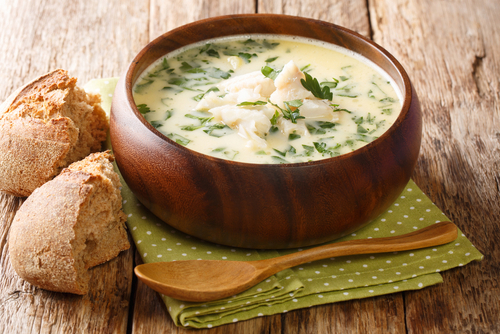
English (US) – Page 34

When is Easter Sunday 2026?

Easter Sunday falls on April 5, 2026. Learn why the date changes each year and how to plan ahead for celebrations with family near and far.

English (US)

Easter Sunday falls on April 5, 2026. This places it in the early part of April, making it one of the earlier Easter celebrations in recent years.

If you’re planning to celebrate with family or friends—whether near or far—it helps to know the exact date well in advance. This gives you time to coordinate travel, send greetings, or arrange money transfers to loved ones abroad.

Why Does Easter Change Every Year?

Easter doesn’t fall on the same date each year because it follows a lunar calendar rather than the fixed Gregorian calendar most of us use daily.

The date is determined by the spring equinox and the phases of the moon. Specifically, Easter Sunday occurs on the first Sunday following the first full moon after the spring equinox (around March 21). This means Easter can fall anywhere between March 22 and April 25.

For 2026, the calculation places Easter on April 5.

Easter Around the World

Easter is celebrated in many countries, and traditions vary widely depending on culture and religion.

Christian Celebrations

For Christians, Easter marks the resurrection of Jesus Christ. It’s the most important holiday in the Christian calendar. Many attend church services, gather with family, and share meals together.

Cultural Traditions

Beyond religious observance, Easter has become a cultural celebration in many places:

  • United States: Families organize Easter egg hunts, decorate eggs, and enjoy festive meals.
  • Philippines: Holy Week includes processions and reenactments of the Passion of Christ.
  • Greece: Midnight church services are followed by fireworks and lamb feasts.
  • Mexico: Semana Santa (Holy Week) features parades, music, and community gatherings.

No matter where you are, Easter brings people together.

Planning Ahead for Easter 2026

Knowing the date early allows you to make meaningful plans. Here are a few ways to prepare:

Book Travel Early

If you’re traveling to visit family or friends, booking flights and accommodations ahead of time can save you money. April is a popular travel month, so prices tend to rise closer to the date.

Send Money to Loved Ones

Many people send financial support to family members abroad during holidays. If you’re planning to transfer money for Easter celebrations, it’s helpful to do so a few days in advance to ensure timely delivery.

With Remitly, you can send money to over 170 countries quickly and securely. There are no hidden fees, and you can choose from convenient delivery options like bank deposits, cash pickup, or mobile wallets.

Organize Gatherings

Whether you’re hosting or attending, coordinating schedules early makes everything smoother. Send invitations, plan menus, and confirm who’s coming so everyone can enjoy the day without stress.

Easter Monday and the Extended Holiday

In many countries, Easter Monday—the day after Easter Sunday—is also a public holiday. In 2026, Easter Monday falls on April 6.

This extended weekend gives families more time to travel, relax, and celebrate together. It’s especially helpful if you’re coordinating across time zones or arranging international visits.

Other Important Dates for Easter 2026

Easter Sunday is part of a longer period of religious observance. Here are other key dates:

  • Ash Wednesday: February 18, 2026 (marks the start of Lent)
  • Palm Sunday: March 29, 2026 (one week before Easter)
  • Maundy Thursday: April 2, 2026
  • Good Friday: April 3, 2026
  • Holy Saturday: April 4, 2026
  • Easter Sunday: April 5, 2026
  • Easter Monday: April 6, 2026

These dates help you plan observances, travel, and family time throughout the Easter season.

Sending Support During Easter

For many families, Easter is a time to share blessings and provide financial support. Whether you’re helping with holiday expenses, sending gifts, or contributing to family celebrations, reliable money transfers make a difference.

Remitly makes it easy to send money internationally. Transfers are fast, secure, and transparent. You’ll know exactly what fees you’re paying and when your funds will arrive. Plus, delivery is guaranteed on time—or your fees are refunded.

This kind of peace of mind matters, especially during important holidays when timing is everything.

Mark Your Calendar

Easter Sunday 2026 is April 5. Whether you’re celebrating with church services, family meals, egg hunts, or quiet reflection, knowing the date helps you prepare.

If you’re supporting loved ones abroad, plan your transfer early to ensure it arrives on time. And if you’re traveling, book ahead to secure the best options.

Easter is a time for connection, celebration, and care. A little planning goes a long way in making the day meaningful for you and those you love.

Frequently Asked Questions (FAQs)

Why does the date of Easter change each year?

Easter Sunday’s date is determined by the lunar calendar, specifically the first Sunday after the first full moon following the spring equinox. This means it can fall anywhere between March 22 and April 25.

How can I plan ahead for Easter?

Planning ahead for Easter involves considering travel arrangements, preparing for gatherings, and sending gifts or messages early. If you’re transferring money or purchasing items for loved ones, doing so in advance ensures everything is ready on time.

What are popular ways to celebrate Easter?

Common Easter celebrations include attending church services, organizing egg hunts, sharing meals with family, and exchanging gifts or treats. Traditions may vary widely depending on cultural and personal preferences.

Is Easter celebrated the same way around the world?

No, Easter traditions vary globally. While some countries emphasize religious services, others may focus on festive activities like parades or unique customs, such as decorating elaborate eggs or preparing specific dishes.

When should I book travel for Easter?

If travel is part of your Easter plans, it’s best to book early to secure lower prices and better options. Holiday weekends can be busy, so reserving flights, accommodations, or transportation well in advance is recommended.

Good Friday is one of the most significant days in the Christian calendar. It commemorates the crucifixion of Jesus Christ and his death at Calvary. For millions of people around the world, this solemn day is a time for reflection, prayer, and remembrance.

If you’re planning ahead for 2026 or simply want to understand more about this important holiday, this guide covers everything you need to know. You’ll learn when Good Friday falls in 2026, what it means, how it’s observed globally, and whether banks and businesses close for the day.

When is Good Friday 2026?

Good Friday 2026 falls on April 3, 2026.

Good Friday is always observed on the Friday before Easter Sunday. Because Easter is a movable feast—meaning its date changes each year—Good Friday also shifts accordingly. Easter Sunday is calculated based on the lunar calendar, falling on the first Sunday after the first full moon following the spring equinox.

In 2026, Easter Sunday will be celebrated on April 5, making Good Friday April 3.

What is Good Friday?

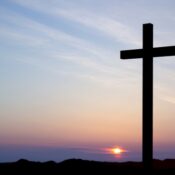
Good Friday marks the day Jesus Christ was crucified on the cross. According to Christian tradition, this event took place in Jerusalem nearly 2,000 years ago. Jesus was arrested, tried, and sentenced to death by crucifixion—a common Roman method of execution at the time.

Christians believe that Jesus willingly sacrificed his life to atone for the sins of humanity. His death is seen as an act of profound love and redemption. While the day is somber, it is also viewed as a necessary step toward the resurrection celebrated on Easter Sunday.

The term “Good Friday” may seem paradoxical given the tragedy it commemorates. Some historians suggest “good” derives from “God’s Friday,” while others believe it reflects the ultimate good that came from Christ’s sacrifice—the promise of salvation.

How is Good Friday Observed Around the World?

Good Friday is observed in various ways depending on cultural and religious traditions. Here are some common practices:

Church Services and Liturgies

Many Christians attend special church services on Good Friday. These services often include Scripture readings that recount the events leading to Jesus’s crucifixion, known as the Passion narrative. Hymns, prayers, and sermons focus on themes of sacrifice, suffering, and redemption.

In some traditions, worshippers participate in the Stations of the Cross—a devotional practice that traces Jesus’s journey to his crucifixion through 14 stations or scenes.

Fasting and Abstinence

Fasting is a common practice on Good Friday. Many Christians abstain from meat and consume only simple meals as a form of penance and solidarity with Christ’s suffering. The specific fasting rules vary by denomination. For example, Roman Catholics traditionally avoid meat on this day and may limit themselves to one full meal plus two smaller ones.

Processions and Reenactments

In countries with strong Catholic traditions—such as the Philippines, Spain, and parts of Latin America—elaborate processions take place. These processions often include reenactments of the crucifixion, with participants carrying crosses through the streets or acting out scenes from the Passion.

In the Philippines, some devotees take part in actual crucifixions as acts of penance or devotion, though this practice is not endorsed by church authorities.

Quiet Reflection

For many believers, Good Friday is a day of quiet reflection rather than celebration. Families may spend time together in prayer or read religious texts that tell the story of Jesus’s final hours.

Is Good Friday a Public Holiday?

Whether Good Friday is a public holiday depends on where you live.

United States

Good Friday is not a federal holiday in the United States. However, many states recognize it as a state holiday. Government offices, schools, and some businesses may close in observance.

Financial markets—including stock exchanges—are typically closed on Good Friday. Banks may also have limited hours or be closed entirely depending on their location.

United Kingdom

In the UK, Good Friday is a bank holiday. Most businesses close for the day, including banks and government offices. Public transportation may operate on a reduced schedule.

Canada

Good Friday is a federal statutory holiday in Canada. Banks, schools, government offices, and most businesses close for the day.

Australia

Good Friday is a public holiday across all Australian states and territories. Shops typically remain closed or have restricted trading hours.

Other Countries

Many predominantly Christian countries observe Good Friday as a public holiday. This includes nations in Europe, Latin America, Africa, and parts of Asia.

If you’re planning to travel or send money internationally around this time, it’s wise to check whether banks and financial institutions will be open in your destination country.

Good Friday and Easter Weekend 2026

Good Friday kicks off the Easter weekend—a time when many people travel to visit family or take vacations.

Here’s how the long weekend looks in 2026:

  • Thursday, April 2: Regular workday (though some people may begin traveling)
  • Friday, April 3: Good Friday
  • Saturday, April 4: Holy Saturday (the day before Easter)
  • Sunday, April 5: Easter Sunday
  • Monday, April 6: Easter Monday (a public holiday in some countries)

If you’re sending money to loved ones during this period, plan ahead to account for bank closures and processing delays.

Sending Money During Good Friday

If you need to send money internationally around Good Friday 2026, keep these tips in mind:

Plan Ahead for Delays

Banks and financial institutions may be closed on Good Friday in both your home country and your recipient’s country. Transfers initiated on or near this date may take longer than usual to process.

To ensure your funds arrive on time, initiate your transfer at least a few days before April 3.

Use Reliable Transfer Services

Money transfer services like Remitly allow you to send funds quickly and securely—even during holidays when traditional banks are closed. With Remitly, you can send money to over 170 countries with transparent fees and reliable delivery times.

Check Delivery Options

Some delivery methods—such as bank deposits—may be affected by holiday closures. Cash pickup locations or mobile wallet transfers may remain available even when banks are closed.

Before sending money during the Easter weekend, confirm that your chosen delivery method will be accessible to your recipient.

Understanding Cultural Sensitivity

Good Friday holds deep religious significance for Christians around the world. If you’re traveling or working with people from Christian communities during this time, it’s important to be respectful of their observances.

Avoid scheduling important meetings or events on Good Friday if possible. Recognize that many people may be fasting or attending religious services throughout the day.

Preparing for Good Friday 2026

Whether you observe Good Friday for religious reasons or simply want to stay informed about global holidays, knowing the date well in advance helps you plan effectively.

Mark April 3, 2026 on your calendar now so you can:

  • Arrange travel plans around potential closures
  • Schedule financial transactions ahead of time
  • Show respect for those observing this meaningful day

Good Friday reminds us of themes that resonate across cultures: sacrifice, love, and hope for renewal. However you choose to spend this day in 2026, understanding its significance enriches your perspective on one of Christianity’s most important observances.

Frequently Asked Questions (FAQs)

What is Good Friday?

Good Friday is a Christian observance commemorating the crucifixion of Jesus Christ. It is a solemn day of reflection, prayer, and fasting for many believers, marking one of the key events in the Christian faith.

Why does the date of Good Friday change each year?

Good Friday is tied to the Easter calendar, which follows a lunisolar system. It occurs two days before Easter Sunday and typically falls between late March and mid-April.

Is Good Friday a public holiday?

This depends on where you live. Many countries and regions recognize Good Friday as a public holiday, with closures of schools, businesses, and government offices, but others may not officially observe it.

How is Good Friday traditionally observed?

Traditions vary, but common observances include prayer services, scripture readings, reenactments of the crucifixion, and fasting. Some people also use the day for quiet reflection or acts of service.

Do all Christians observe Good Friday?

Not all Christian denominations emphasize or formally observe Good Friday. While it is central to Catholic, Orthodox, and many Protestant faiths, others may focus primarily on Easter Sunday.

Can non-Christians participate in Good Friday events?

Yes, non-Christians are often welcome to attend public services or events. Participating respectfully can offer a better understanding of the day’s significance and cultural importance.

Passover is one of the most important holidays in the Jewish calendar. It commemorates the liberation of the Israelites from slavery in ancient Egypt. Each year, Jewish families around the world gather to observe this eight-day festival with traditional meals, prayers, and meaningful rituals.

If you’re planning to celebrate Passover in 2026 or want to send support to loved ones observing the holiday, knowing the exact dates is essential. This guide covers when Passover 2026 takes place, what the holiday means, and how you can prepare or support family members celebrating this significant occasion.

When does Passover 2026 begin and end?

Passover 2026 begins at sundown on Wednesday, April 1, 2026 and ends at sundown on Thursday, April 9, 2026.

The holiday follows the Hebrew calendar, which is lunar-based. This means Passover dates change each year on the Gregorian calendar, though it always falls in the spring, typically in March or April.

The first two nights of Passover feature the Seder, a ceremonial dinner where families retell the story of the Exodus from Egypt. These gatherings often bring together multiple generations and can involve significant preparation and planning.

What is Passover?

Passover, known as Pesach in Hebrew, celebrates the Jewish people’s freedom from slavery in Egypt over 3,000 years ago. According to the biblical account in the Book of Exodus, Moses led the Israelites out of Egypt after God brought ten plagues upon the Egyptians. The final plague passed over the homes of the Israelites, sparing their firstborn children—hence the name “Passover.”

The holiday is a time to reflect on themes of freedom, faith, and family. It serves as a reminder of past struggles and the importance of liberty and justice.

How is Passover celebrated?

Passover traditions center around remembrance and ritual. Here are the main ways families observe the holiday:

The Seder meal

The Seder is the heart of Passover observance. It takes place on the first two nights of the holiday and follows a specific order of prayers, readings, and symbolic foods. The Haggadah, a special text, guides participants through the retelling of the Exodus story.

Key elements of the Seder include:

  • Matzah: Unleavened bread that symbolizes the haste with which the Israelites left Egypt, having no time for bread to rise.
  • Maror: Bitter herbs, usually horseradish, representing the bitterness of slavery.
  • Charoset: A sweet mixture of apples, nuts, wine, and spices that symbolizes the mortar used by enslaved Israelites in building projects.
  • Karpas: A vegetable, often parsley, dipped in salt water to represent tears shed during slavery.
  • Four cups of wine: Each cup represents a different promise of freedom made by God.

Avoiding leavened products

During Passover, observant Jews refrain from eating or possessing chametz—any food made with wheat, barley, rye, oats, or spelt that has been allowed to rise. This includes bread, pasta, cookies, and many other common foods.

Many families perform a thorough spring cleaning before Passover to remove all traces of chametz from their homes. Some communities sell their chametz symbolically to a non-Jew for the duration of the holiday.

Attending synagogue services

Special prayers and Torah readings take place throughout Passover. Many people attend services on the first and last days of the holiday, which are considered full festival days in traditional observance.

Why Passover dates matter for families

If you have family members celebrating Passover, understanding the dates helps you plan visits, send gifts, or provide financial support at the right time.

Many families incur additional expenses during Passover. The cost of kosher-for-Passover food can be higher than usual groceries. Hosting a Seder for extended family requires purchasing special ingredients and sometimes new dishes or cookware.

Sending money to loved ones before the holiday begins allows them to prepare properly. This support can help cover the cost of:

  • Matzah and other traditional foods
  • Wine for the four cups at the Seder
  • Ingredients for the Seder plate
  • Additional groceries for eight days of holiday meals
  • Travel expenses if visiting family

How to support family during Passover 2026

If you want to help family members celebrate Passover, here are some thoughtful ways to provide support:

Send money for holiday preparations

Financial assistance can relieve stress and allow your loved ones to focus on the spiritual aspects of the holiday. Sending money a week or two before Passover begins gives recipients time to shop and prepare.

With Remitly, you can transfer money internationally to over 170 countries quickly and securely. Your family can receive funds through bank deposits, cash pickup, mobile money, or home delivery, depending on what’s most convenient for them.

Plan your timing carefully

Since Passover begins at sundown on April 1, 2026, aim to send money no later than mid-March. This gives your family adequate time to receive the funds and complete their shopping before stores become busy with other families preparing for the holiday.

Respect dietary restrictions

If you’re visiting family for Passover or sending food gifts, remember the dietary restrictions. Packaged foods must be marked “Kosher for Passover.” When in doubt, ask your family members about their specific observance level and preferences.

Offer to help with preparations

Preparing for Passover involves significant work. If you live nearby, offering to help with cleaning, cooking, or setting up for the Seder can be deeply appreciated.

Passover in different Jewish communities

Jewish communities around the world observe Passover with local variations and customs. Understanding these differences helps you better support your family’s specific traditions.

Sephardic vs. Ashkenazi practices

Sephardic Jews, who trace their heritage to Spain, Portugal, North Africa, and the Middle East, have different Passover food customs than Ashkenazi Jews from Central and Eastern Europe.

Sephardic families typically permit rice, beans, and corn during Passover, while Ashkenazi tradition prohibits these foods (called kitniyot). This affects shopping lists and meal planning significantly.

Length of observance

In Israel, Passover lasts seven days. Outside Israel, most traditional communities observe eight days. The first two and last two days are full festival days, while the middle days (called Chol HaMoed) are intermediate days with fewer restrictions.

Regional food traditions

Different communities have developed unique Passover recipes based on their geographic origins. Moroccan families might prepare special tagines, while Eastern European families focus on dishes like gefilte fish and chicken soup with matzah balls.

Preparing for Passover: A timeline

If you’re celebrating Passover yourself or helping family prepare, this timeline can guide your planning:

Four weeks before (early March 2026)

  • Begin meal planning
  • Make a shopping list for specialty items
  • Order any items that need to be shipped
  • Arrange travel if visiting family

Two weeks before (mid-March 2026)

  • Start spring cleaning to remove chametz
  • Purchase non-perishable Passover foods
  • Send financial support to family if needed
  • Confirm guest lists and Seder attendance

One week before (late March 2026)

  • Complete chametz removal
  • Buy fresh ingredients
  • Prepare any make-ahead dishes
  • Set up the Seder table

Days before (March 30-31, 2026)

  • Final grocery shopping
  • Cook Seder meal components
  • Review the Haggadah
  • Prepare the Seder plate

Supporting family across borders

If your family lives in another country, Passover can feel like a time when distance becomes especially difficult. Sending money for the holiday shows you’re thinking of them and want to help them celebrate properly.

Remitly makes international money transfers straightforward. You can send funds from your phone or computer in minutes. Your family receives the money quickly, without hidden fees or complicated processes.

The service is secure and reliable, with transfers delivered on time. If any issues arise, customer support is available to help resolve them promptly.

Make Passover 2026 special for your family

Passover brings families together to remember their shared history and values. Whether you’re celebrating in person or supporting loved ones from afar, understanding the holiday’s significance and timing helps you participate meaningfully.

Mark your calendar for Passover 2026, which begins at sundown on April 1 and ends at sundown on April 9. If you plan to send financial support to family, doing so by mid-March ensures they have time to prepare properly.

Ready to help your family celebrate Passover? Send money internationally with Remitly to provide support for holiday preparations, traditional foods, and family gatherings.

Frequently Asked Questions (FAQs)

What is Passover, and why is it significant?

Passover, or Pesach, is a Jewish holiday that commemorates the liberation of the Israelites from slavery in ancient Egypt. It is a time for family, reflection, and traditional practices, including festive meals and storytelling.

When does Passover 2026 begin and end?

Passover 2026 begins at sundown on April 1 and ends at sundown on April 9. The holiday lasts for eight days, with the first two and last two days being especially significant for observance.

How can I support my family during Passover?

One meaningful way to support your family is by providing financial assistance ahead of the holiday to help with preparations, such as purchasing traditional foods like matzah and wine. Sending funds by mid-March ensures they have enough time to get everything they need.

How can Remitly help during Passover?

Remitly makes it easy and secure to send money internationally so you can support your loved ones during important holidays like Passover. Whether it’s for buying supplies or hosting family gatherings, Remitly ensures your financial support arrives quickly and reliably.

Are there any specific customs to follow for Passover?

Yes, Passover customs include avoiding leavened bread (chametz), holding a Seder meal with specific symbolic foods, and recounting the story of the Exodus. Participating in these traditions fosters a deeper connection to the holiday’s meaning.

Maundy Thursday is an important observance in the Christian calendar. It falls on the Thursday before Easter Sunday and commemorates the Last Supper of Jesus Christ with his apostles. For those planning to observe this day or send support to loved ones who celebrate it, knowing the exact date helps you prepare in advance.

In 2026, Maundy Thursday will be observed on Thursday, April 2. This places Easter Sunday on April 5, 2026.

Understanding when Maundy Thursday occurs each year requires knowing how Easter is calculated. This guide will walk you through the significance of Maundy Thursday, how its date is determined, and how people around the world observe this sacred day.

What is Maundy Thursday?

Maundy Thursday marks the beginning of the Easter Triduum, the three-day period commemorating the passion, death, and resurrection of Jesus Christ. The day specifically remembers the Last Supper, when Jesus shared a final meal with his disciples before his crucifixion.

The word “Maundy” comes from the Latin word mandatum, meaning “commandment.” This refers to Jesus’ instruction to his disciples: “A new commandment I give unto you, that ye love one another” (John 13:34).

During the Last Supper, Jesus also washed the feet of his disciples as an act of humility and service. Many churches reenact this foot-washing ceremony during Maundy Thursday services to honor this tradition.

How is the date of Maundy Thursday determined?

Maundy Thursday always falls three days before Easter Sunday. Because Easter is a movable feast, Maundy Thursday’s date changes each year.

Easter Sunday is calculated based on the lunar calendar. It occurs on the first Sunday following the first full moon after the spring equinox (around March 21). This means Easter can fall anywhere between March 22 and April 25.

Since Maundy Thursday is always the Thursday before Easter, it can occur between March 19 and April 22.

For 2026, the spring equinox occurs on March 20, and the first full moon afterward falls on March 30. The following Sunday is April 5, making it Easter Sunday. Counting back three days brings us to Thursday, April 2, 2026.

Maundy Thursday dates for upcoming years

Planning ahead helps you prepare for religious observances and coordinate with family members who celebrate. Here are the dates for Maundy Thursday in the coming years:

  • 2026: April 2
  • 2027: March 25
  • 2028: April 13
  • 2029: March 29
  • 2030: April 18

These dates follow the same lunar calculation that determines Easter Sunday each year.

How is Maundy Thursday observed?

Christian communities observe Maundy Thursday in various ways, depending on their denomination and cultural traditions. Common practices include:

Church services

Many churches hold special evening services that reenact the Last Supper. Some congregations celebrate communion or the Eucharist as a central part of the service.

The foot-washing ceremony is another significant tradition. Church leaders or members wash each other’s feet to demonstrate humility and service, following Jesus’ example.

Acts of charity

Maundy Thursday emphasizes Jesus’ commandment to love and serve others. Many people use this day to perform acts of charity, such as donating to food banks, volunteering at shelters, or giving to those in need.

In some countries, including the United Kingdom, the reigning monarch distributes “Maundy money” to selected citizens as a symbolic gesture of service and charity.

Fasting and reflection

Some Christians observe Maundy Thursday with fasting or simple meals. This practice prepares them spiritually for Good Friday, the day commemorating Jesus’ crucifixion.

The day is often marked by quiet reflection, prayer, and meditation on the themes of sacrifice, service, and love.

Family gatherings

In many cultures, Maundy Thursday is a time for families to gather and share a meal together. This reflects the communal nature of the Last Supper and provides an opportunity to reconnect with loved ones before Easter celebrations.

Supporting loved ones during Maundy Thursday

If you have family or friends who observe Maundy Thursday in another country, this can be a meaningful time to show your support. Sending money to help them prepare for Easter celebrations or cover special meal expenses demonstrates care and connection across distances.

With Remitly, you can send money to over 170 countries quickly and securely. Transfers are straightforward, and you can choose convenient delivery options that work best for your recipient. Whether they need funds for groceries, travel to church services, or charitable giving, your support can arrive when it matters most.

Knowing the exact date of Maundy Thursday in advance allows you to plan your transfer so it arrives on time. In 2026, sending money a few days before April 2 ensures your loved ones have what they need for their observance.

Preparing for Maundy Thursday 2026

With Maundy Thursday falling on April 2, 2026, you have plenty of time to plan how you’ll observe the day or support those who do. Here are some practical steps:

Mark your calendar: Note April 2, 2026, and the full Easter weekend (April 2-5) in your calendar.

Check local church schedules: If you plan to attend services, contact your local church to confirm their Maundy Thursday service times.

Plan charitable activities: Consider what acts of service or charity you’d like to perform. Many organizations welcome volunteers during Holy Week.

Arrange financial support: If you’re sending money to family abroad, plan your transfer in advance to ensure timely delivery.

Prepare a simple meal: Some families prepare a special meal at home to reflect on the significance of the Last Supper.

Understanding the Easter Triduum

Maundy Thursday begins the Easter Triduum, the most sacred three days in the Christian year. Understanding how these days connect provides context for Maundy Thursday’s importance:

Maundy Thursday (April 2, 2026) commemorates the Last Supper and Jesus washing the disciples’ feet.

Good Friday (April 3, 2026) marks the crucifixion and death of Jesus Christ.

Holy Saturday (April 4, 2026) is a day of quiet reflection and waiting.

Easter Sunday (April 5, 2026) celebrates the resurrection of Jesus.

Together, these days tell the complete story of Jesus’ final days, death, and resurrection, forming the foundation of Christian faith.

Mark your calendar

Maundy Thursday in 2026 falls on April 2. This day offers an opportunity to reflect on themes of service, humility, and love, whether through church attendance, charitable acts, or connecting with family near and far.

Planning ahead ensures you can fully participate in this meaningful observance. Whether you’re attending services, volunteering, or supporting loved ones financially, knowing the date in advance helps you prepare appropriately.

If you’re sending money to family or friends for Easter celebrations, Remitly makes international transfers simple and secure. Your support can help them observe Maundy Thursday and Easter with peace of mind.

Frequently Asked Questions (FAQs)

What is Maundy Thursday?

Maundy Thursday, also known as Holy Thursday, is a significant Christian holiday that commemorates the Last Supper of Jesus with his disciples. It is observed during Holy Week, three days before Easter Sunday.

When is Maundy Thursday in 2026?

Maundy Thursday in 2026 will be observed on April 2.

Why does the date of Maundy Thursday change every year?

The date of Maundy Thursday changes annually because it is tied to the date of Easter, which is determined based on the ecclesiastical approximation of the March equinox and the lunar calendar.

How do people observe Maundy Thursday?

Maundy Thursday is marked by various traditions, including church services, the washing of feet, communion, and reflections on the Last Supper. Many Christians use this day as an opportunity for prayer and spiritual preparation before Easter.

Is Maundy Thursday a public holiday?

This depends on the country. While Maundy Thursday is a public holiday in some countries, in others it is primarily a religious observance without an official holiday status.

Cyprus National Day holds deep significance for Cypriots worldwide. Celebrated annually on April 1, this public holiday commemorates the start of the 1955–1959 armed struggle against British colonial rule. In 2026, Cyprus National Day falls on Wednesday, April 1.

Whether you’re planning to visit Cyprus, sending money to family on the island, or simply want to understand this important day, this guide covers everything you need to know.

What is Cyprus National Day?

Cyprus National Day, also known as EOKA Day, marks the beginning of the liberation struggle that ultimately led to Cyprus gaining independence in 1960. On April 1, 1955, the National Organization of Cypriot Fighters (EOKA) launched a campaign against British colonial rule.

The day honors those who fought for Cyprus’s freedom and independence. It represents a pivotal moment in the island’s history and remains an important date in the Cypriot national calendar.

How Cyprus National Day is Celebrated

Cyprus National Day is a public holiday throughout the Republic of Cyprus. Banks, government offices, and many businesses close for the day. Here’s how Cypriots typically mark the occasion:

School Events and Youth Participation

Schools across Cyprus hold special ceremonies and events in the days leading up to April 1. Students learn about the island’s history and the significance of the liberation struggle. Many schools organize performances, speeches, and presentations.

Church Services

Religious services take place throughout Cyprus on National Day. These services remember those who sacrificed their lives during the struggle for independence. Churches across the island hold memorial services and special prayers.

Official Ceremonies

Government officials attend formal ceremonies at key monuments and sites connected to the liberation struggle. These events include wreath-laying ceremonies, military parades, and speeches honoring the country’s history.

Family Gatherings

Many Cypriot families use the public holiday to gather together. They share meals and reflect on their nation’s journey to independence. For those with family members living abroad, this can be a meaningful time to connect.

Cyprus National Day 2026: Key Details

In 2026, Cyprus National Day falls on Wednesday, April 1. Here’s what this means:

  • Date: Wednesday, April 1, 2026
  • Status: Public holiday in the Republic of Cyprus
  • Working day: Most businesses, banks, and government offices will be closed

If you’re planning to send money to Cyprus around this date, keep in mind that banks will be closed on April 1. Transactions may experience slight delays, though digital money transfer services often continue operating.

Understanding Cyprus’s History

Knowing the historical context helps you appreciate why Cyprus National Day matters so much to Cypriots.

British Colonial Rule

Cyprus became a British colony in 1925, though Britain had administered the island since 1878. Many Cypriots sought independence and union with Greece, a movement known as “Enosis.”

The EOKA Struggle

On April 1, 1955, EOKA began its armed campaign for independence. Led by Colonel Georgios Grivas, the organization conducted operations against British rule for four years.

The struggle ended in 1959 with the Zürich and London Agreements, which paved the way for Cyprus’s independence.

Independence and Beyond

Cyprus gained independence on October 1, 1960. While this marked the end of British rule, the island has faced ongoing challenges, including the events of 1974 that led to its current division.

Cyprus National Day vs. Independence Day

Cyprus commemorates two separate national holidays:

  • Cyprus National Day (April 1): Marks the start of the liberation struggle in 1955
  • Independence Day (October 1): Celebrates the actual achievement of independence in 1960

Both days hold significance, but they recognize different aspects of Cyprus’s path to nationhood.

Staying Connected with Family in Cyprus

Cyprus National Day reminds many Cypriots living abroad of their heritage and family connections. Modern technology makes it easier than ever to stay close to loved ones, even across continents.

Digital Communication

Video calls, messaging apps, and social media help you participate in family celebrations from afar. Many families schedule group calls on National Day to share the moment together.

Financial Support

Sending money home shows your support and helps family members celebrate properly. Whether it’s contributing to a family meal or helping with holiday expenses, your contribution matters.

Planning Visits

If you’re considering visiting Cyprus, timing your trip around National Day lets you experience the celebrations firsthand. Book accommodations early, as this is a popular time for Cypriots abroad to return home.

The Cypriot Diaspora

Millions of people of Cypriot descent live around the world. Major Cypriot communities exist in the United Kingdom, United States, Australia, Canada, and South Africa.

For diaspora Cypriots, National Day provides an opportunity to connect with their heritage. Community organizations often host events and gatherings to mark the occasion.

Why Cyprus National Day Matters Today

Cyprus National Day isn’t just about remembering the past. It represents the Cypriot people’s determination to shape their own future. The day reminds current and future generations about the value of independence and self-determination.

For families spread across continents, it’s also a reminder of shared roots and connections. Whether you’re in Cyprus or abroad, National Day brings Cypriots together in celebration of their identity and history.

Honoring Cyprus National Day from Abroad

Cyprus National Day 2026 offers a meaningful opportunity to connect with Cypriot culture and history. Whether you’re sending money to family, planning a visit, or simply learning about this significant date, understanding its importance helps strengthen bonds with Cyprus and its people.

Mark your calendar for Wednesday, April 1, 2026, and take a moment to recognize this important day in Cypriot history.

April Fools’ Day falls on Wednesday, April 1, 2026. This annual celebration of pranks and humor has been a tradition for centuries, bringing people together through lighthearted jokes and playful tricks.

Whether you’re planning to participate in the fun or simply want to avoid falling for pranks yourself, understanding the history and traditions of April Fools’ Day can help you navigate the day with confidence. This guide covers everything from the origins of the holiday to tips for celebrating safely and respectfully.

The History of April Fools’ Day

The exact origins of April Fools’ Day remain unclear, but historians have identified several possible explanations. One popular theory links the tradition to the calendar change in France during the 1580s. When the country switched from the Julian calendar to the Gregorian calendar, New Year’s Day moved from late March to January 1. People who continued celebrating the new year in spring became known as “April fools.”

Another theory connects the holiday to ancient spring festivals. Many cultures celebrated the spring equinox with festivities that included role reversals and playful deception. The Roman festival of Hilaria and the medieval Feast of Fools both featured similar traditions of temporary social disorder and humor.

Regardless of its true origins, April Fools’ Day has evolved into a widely recognized celebration. Countries around the world observe the day with their own unique customs and traditions.

How Different Countries Celebrate

April Fools’ Day traditions vary significantly across cultures. Understanding these differences can help you appreciate the global nature of this playful holiday.

United States and United Kingdom

In English-speaking countries, pranks typically last only until noon on April 1. Playing a joke after midday is considered bad luck or poor form. Common pranks include harmless tricks on friends, family members, and coworkers.

France

The French call April Fools’ Day “Poisson d’Avril” or “April Fish.” Children traditionally tape paper fish to the backs of unsuspecting victims. The term may originate from the易ness of catching fish during their breeding season in early April.

Scotland

Scotland celebrates with a two-day tradition. The first day, called “Hunt the Gowk Day,” involves sending people on foolish errands. The second day, “Taily Day,” focuses on pranks involving the backside, such as pinning fake tails to people.

Iran

Iranians celebrate “Sizdah Be-dar” on the thirteenth day of the Persian new year, which usually falls on April 1 or 2. People spend the day outdoors playing pranks and enjoying nature.

Planning Your April Fools’ Day 2026

If you’re planning to participate in April Fools’ Day festivities, consider these guidelines to ensure your pranks remain fun and harmless.

Safe and Respectful Pranks

The best April Fools’ pranks create laughter without causing harm or distress. Here are some characteristics of good pranks:

  • Harmless: The prank should not damage property, hurt feelings, or create safety concerns.
  • Reversible: You should be able to quickly undo the prank and reveal the joke.
  • Age-appropriate: Consider your audience and choose pranks that suit their age and sense of humor.
  • Timely: Remember that pranks should end by noon in many traditions.

Prank Ideas for 2026

Looking for inspiration? Here are some classic pranks that remain popular:

  • Office pranks: Switch keyboard keys, cover a colleague’s desk items in aluminum foil, or set their computer display upside down.
  • Home pranks: Replace sugar with salt, put googly eyes on items in the refrigerator, or switch the contents of cereal boxes.
  • Technology pranks: Change autocorrect settings to replace common words with silly alternatives, or set a humorous photo as someone’s phone wallpaper.
  • Food pranks: Serve “spaghetti” made from pound cake and frosting, create donuts from vegetables, or offer “brownies” that are actually brown letter Es.

What to Avoid

Not all pranks are appropriate for April Fools’ Day. Some jokes can cause genuine harm or distress. Avoid these types of pranks:

  • Health scares: Never joke about serious illnesses, injuries, or medical emergencies.
  • Relationship pranks: Avoid fake breakups, engagements, or pregnancies that could damage trust.
  • Financial pranks: Don’t create false concerns about money, jobs, or major purchases.
  • Safety risks: Never create situations that could lead to accidents or genuine danger.
  • Public panic: Avoid pranks that could cause widespread fear or confusion.

Media and Brand Participation

Many companies and media outlets participate in April Fools’ Day with elaborate hoaxes and fake announcements. These corporate pranks have become a tradition in themselves.

Past examples include Google’s various fake products, fast food chains announcing unusual menu items, and technology companies revealing impossible features. These pranks often blur the line between marketing and entertainment.

When April 1, 2026 arrives, expect to see similar announcements from major brands. Approach all surprising news with healthy skepticism on this day.

Protecting Yourself from Pranks

If you prefer to avoid being pranked, or simply want to stay vigilant, these strategies can help:

  • Question unexpected news: Verify surprising information through multiple reliable sources before believing or sharing it.
  • Check dates: Remember that April 1 is a day when even trustworthy sources may participate in pranks.
  • Stay calm: If you suspect a prank, take a moment to think before reacting.
  • Set boundaries: Let friends and family know if you don’t want to participate in pranks.
  • Be gracious: If someone does prank you successfully, respond with good humor when appropriate.

Teaching Children About April Fools’ Day

Parents and educators can use April Fools’ Day as an opportunity to teach important lessons about humor, consent, and respect.

Age-Appropriate Guidelines

Help children understand the difference between fun pranks and hurtful actions. Explain that good pranks make everyone laugh, including the person being pranked.

Teach children to:

  • Ask permission before touching someone else’s belongings
  • Consider how their prank might make others feel
  • Apologize sincerely if a prank goes wrong
  • Accept a “no” if someone doesn’t want to participate

Creative Activities

Engage children in April Fools’ Day through positive activities. Try creating silly art projects, telling joke stories, or planning harmless family pranks together. These activities build creativity and critical thinking skills while maintaining a spirit of fun.

Making April 1, 2026 Memorable

April Fools’ Day 2026 offers an opportunity to share laughter with friends, family, and coworkers. The key to a successful celebration lies in balancing humor with kindness and respect.

Plan your pranks carefully, considering the feelings and boundaries of others. Keep safety at the forefront of any joke. Remember that the goal is to create joy and laughter, not confusion or distress.

If you choose not to participate in pranks, that’s perfectly acceptable. You can still enjoy the creative and humorous aspects of the day by observing others’ efforts and appreciating clever jokes.

Mark your calendar for Wednesday, April 1, 2026, and prepare for a day filled with laughter and surprises. Whether you’re planning the perfect harmless prank or staying alert to avoid being fooled, April Fools’ Day remains a unique tradition that brings levity to our lives.

International Jazz Day celebrates the rich history and cultural impact of jazz music around the world. Observed annually on April 30, this UNESCO-designated day brings together musicians, fans, and communities to honor jazz as a universal language of freedom and creativity.

If you’re planning to participate in International Jazz Day 2026 or simply want to learn more about this global celebration, this guide covers everything you need to know—from the history behind the day to how you can get involved.

What Is International Jazz Day?

International Jazz Day is a global event that recognizes jazz music as a tool for peace, unity, and cultural exchange. Proclaimed by UNESCO in 2011, the day highlights jazz’s role in promoting dialogue among cultures and bringing people together across borders.

The celebration takes place every year on April 30. Communities around the world host concerts, educational programs, jam sessions, and panel discussions. These events showcase jazz’s influence on music, art, and society while encouraging new generations to explore this timeless genre.

Why April 30?

April 30 was chosen to honor jazz as an art form that transcends boundaries. The date doesn’t commemorate a specific historical event. Instead, it serves as a focal point for annual celebrations that unite jazz lovers worldwide.

Each year, UNESCO designates a host city for the official International Jazz Day All-Star Global Concert. Past host cities have included Paris, Istanbul, Washington D.C., Osaka, and St. Petersburg. The 2026 host city will be announced closer to the date.

The History Behind International Jazz Day

Jazz originated in the early 20th century in New Orleans, blending African rhythms, blues, and European musical traditions. Over the decades, jazz evolved into a powerful form of artistic expression that influenced countless other genres.

UNESCO established International Jazz Day to preserve this legacy and promote jazz education around the world. The designation recognizes jazz as more than entertainment—it’s a force for creativity, improvisation, and cross-cultural understanding.

Since 2012, International Jazz Day has grown into a truly global movement. Thousands of cities participate each year, hosting events that range from intimate club performances to large-scale outdoor festivals.

How to Celebrate International Jazz Day 2026

There are countless ways to participate in International Jazz Day, whether you’re a lifelong jazz enthusiast or discovering the genre for the first time.

Attend a Live Performance

Check local venues, concert halls, and community centers for International Jazz Day events. Many cities organize free outdoor concerts or special performances featuring local and international artists. These events offer a chance to experience jazz in its most authentic form—live and improvised.

Stream the Global Concert

If you can’t attend an event in person, you can watch the official International Jazz Day All-Star Global Concert online. The concert typically features legendary jazz musicians and rising stars performing together on one stage. Streaming details are usually announced on the official International Jazz Day website in the weeks leading up to April 30.

Support Local Musicians

Visit jazz clubs in your area or purchase music from independent jazz artists. Supporting local talent helps keep the jazz tradition alive and ensures that musicians can continue creating and performing.

Learn About Jazz History

Use International Jazz Day as an opportunity to explore jazz’s rich history. Read about influential artists like Louis Armstrong, Duke Ellington, Ella Fitzgerald, Miles Davis, and John Coltrane. Watch documentaries or listen to classic albums to deepen your appreciation for the genre.

Share Your Love for Jazz

Post about International Jazz Day on social media using hashtags like #JazzDay and #InternationalJazzDay. Share your favorite songs, recommend artists, or highlight local events happening in your community. Your posts can inspire others to discover jazz and join the celebration.

Educational Programs and Workshops

International Jazz Day isn’t just about performances—it’s also focused on education. Many schools, universities, and cultural organizations host workshops, masterclasses, and panel discussions on April 30.

These programs introduce students to jazz improvisation, composition, and history. They also highlight jazz’s connection to social movements and its role in advocating for equality and justice throughout history.

If you’re an educator, consider incorporating jazz into your curriculum around International Jazz Day. Students can explore how jazz influenced other art forms, study its African American roots, or analyze how improvisation reflects creativity and collaboration.

Why Jazz Matters

Jazz represents freedom of expression. Its emphasis on improvisation encourages musicians to take risks, experiment, and create something new in the moment. This spirit of innovation has made jazz a powerful voice for change throughout history.

During times of social upheaval, jazz has provided a platform for artists to express their experiences and challenge injustice. The genre has always been inclusive, bringing together people from different backgrounds to collaborate and create.

By celebrating International Jazz Day, we honor these values and recognize jazz as a living art form that continues to evolve and inspire.

Planning Ahead for 2026

While specific details about International Jazz Day 2026 will be announced closer to the date, you can start planning now by:

  • Following the official International Jazz Day website and social media channels for updates
  • Reaching out to local venues or cultural organizations to learn about planned events
  • Organizing your own jazz listening party or jam session with friends
  • Supporting jazz education programs in your community

Connect with Jazz Year-Round

You don’t have to wait until April 30 to enjoy jazz. Explore streaming platforms, visit local jazz clubs, or attend festivals throughout the year. Many cities have vibrant jazz scenes with regular performances that welcome both seasoned fans and curious newcomers.

International Jazz Day 2026 offers a perfect opportunity to celebrate this remarkable art form. Whether you attend a concert, stream performances online, or simply listen to your favorite jazz album, you’ll be part of a global community united by music.

Mark your calendar for April 30, 2026, and get ready to experience the creativity, energy, and joy that jazz brings to millions of people around the world.

Spanish Language Day honors one of the world’s most spoken languages. Observed annually on April 23, this United Nations celebration recognizes Spanish’s global influence and cultural richness. Whether you speak Spanish fluently or are just beginning to learn, this day offers a chance to appreciate the language’s history, diversity, and impact.

Over 500 million people speak Spanish worldwide, making it the second most spoken native language after Mandarin Chinese. Spanish Language Day falls on April 23 to commemorate the death of Miguel de Cervantes, author of the iconic novel Don Quixote. This date highlights the literary contributions that have shaped the Spanish language and its enduring legacy.

Understanding the significance of Spanish Language Day can deepen your appreciation for this vibrant language. This post explores the history behind the celebration, ways to participate, and how Spanish connects millions of people across continents.

What is Spanish Language Day?

Spanish Language Day is part of the United Nations’ initiative to celebrate multilingualism and cultural diversity. The UN established language days for each of its six official languages: Arabic, Chinese, English, French, Russian, and Spanish. These observances promote equal use of all official languages and encourage learning about different cultures.

The day chosen for Spanish—April 23—honors Miguel de Cervantes, who died on this date in 1616. Cervantes is considered one of the greatest writers in Spanish literature. His masterpiece, Don Quixote, is widely regarded as one of the most influential works of fiction ever written.

Spanish Language Day celebrates not just the language itself but also the diverse cultures of Spanish-speaking countries. From Spain to Latin America and beyond, Spanish carries unique regional variations, expressions, and traditions that reflect the rich histories of these nations.

The Global Reach of Spanish

Spanish ranks among the most widely spoken languages globally. According to recent estimates, approximately 500 million people speak Spanish as their first language. When including those who speak it as a second language, the number rises even higher.

Spanish is the official language in 20 countries, primarily in Latin America and Spain. It also has a significant presence in the United States, where over 40 million people speak Spanish at home. This widespread use makes Spanish an important language for international communication, business, and cultural exchange.

The geographic spread of Spanish has led to fascinating linguistic diversity. While Spanish speakers from different regions can generally understand each other, variations in vocabulary, pronunciation, and grammar create distinct dialects. For example, Spanish spoken in Mexico differs from that in Argentina or Spain, each carrying its own unique flavor and cultural nuances.

How to Celebrate Spanish Language Day

Celebrating Spanish Language Day can take many forms, whether you’re a native speaker, a learner, or simply someone interested in the language and culture. Here are some meaningful ways to participate:

Learn Basic Spanish Phrases

If you’re new to Spanish, start with common phrases and greetings. Learning “Hola” (hello), “Gracias” (thank you), and “¿Cómo estás?” (how are you?) can be a great introduction. Many free apps and online resources make it easy to begin your Spanish learning journey.

Read Spanish Literature

Explore works by Spanish-language authors. Beyond Cervantes, consider reading Gabriel García Márquez, Isabel Allende, or Pablo Neruda. Reading in the original language provides insight into the cultural context and linguistic beauty that translations may not fully capture.

Watch Spanish-Language Films or Shows

Streaming platforms offer extensive libraries of Spanish-language content. Watching films or series from different Spanish-speaking countries can expose you to various dialects and cultural perspectives. Consider turning on Spanish subtitles to improve comprehension.

Enjoy Spanish Music

Music is a powerful way to connect with language and culture. Listen to genres like salsa, reggaeton, flamenco, or Latin pop. Artists like Shakira, Bad Bunny, and Rosalía have achieved global success while celebrating their linguistic heritage.

Cook Traditional Spanish or Latin American Dishes

Food brings people together and reflects cultural identity. Try preparing paella from Spain, tacos from Mexico, or empanadas from Argentina. Cooking traditional dishes offers a tasty way to appreciate Spanish-speaking cultures.

Connect with Spanish-Speaking Communities

Many cities have Spanish-speaking communities that host cultural events, language exchange meetups, or festivals. Participating in these gatherings can provide authentic cultural experiences and opportunities to practice the language.

Why Spanish Matters for Global Connection

Spanish serves as a bridge connecting diverse cultures and communities. For people who send money internationally to family members in Spanish-speaking countries, the language carries personal significance beyond its practical use.

Understanding Spanish can strengthen family bonds across borders. It allows for deeper conversations, cultural understanding, and the preservation of traditions. For those supporting loved ones in countries like Mexico, Colombia, or El Salvador, speaking Spanish helps maintain meaningful connections despite physical distance.

The economic importance of Spanish continues to grow. Spanish-speaking markets represent significant opportunities for business and trade. Learning Spanish can open doors professionally and create pathways for international collaboration.

The Future of the Spanish Language

Spanish continues to expand its global influence. Demographic trends suggest that the number of Spanish speakers will continue to grow, particularly in the United States. This growth reinforces Spanish’s position as a major world language.

Technology has made learning and using Spanish more accessible than ever. Translation apps, language learning platforms, and online resources have democratized language education. Social media connects Spanish speakers worldwide, creating vibrant online communities that celebrate the language.

Spanish Language Day serves as a reminder of the language’s vitality and cultural significance. As the world becomes increasingly interconnected, multilingualism grows more valuable. Spanish offers a gateway to understanding diverse perspectives and building meaningful relationships across cultures.

Celebrate Language, Culture, and Connection

Spanish Language Day 2026 offers an opportunity to honor a language that connects hundreds of millions of people worldwide. Whether you’re celebrating your heritage, learning a new language, or simply appreciating cultural diversity, April 23 is a day to recognize Spanish’s enduring impact.

Take time on Spanish Language Day to engage with the language in whatever way feels meaningful to you. Read a poem, learn a new phrase, or share a meal inspired by Spanish-speaking cultures. These small actions celebrate the richness that Spanish brings to our global community.

For those who use Spanish to stay connected with family across borders, this day acknowledges the important role language plays in maintaining those vital relationships. Spanish is more than words—it carries stories, traditions, and the bonds that tie us to our roots.

English connects billions of people around the world. Whether you’re sending a message to family overseas, reading an article online, or conducting business internationally, English often serves as the common thread.

English Language Day, observed annually on April 23, celebrates this global language and its role in bringing people together. The date marks both the birthday and death anniversary of William Shakespeare, one of the most influential writers in the English language.

For millions of people living abroad or supporting loved ones in different countries, English represents more than just words on a page. It’s a tool for building relationships, accessing opportunities, and staying connected across borders.

This guide explores the history of English Language Day, why it matters to global communities, and simple ways you can celebrate in 2026.

What is English Language Day?

English Language Day is one of six language days established by the United Nations in 2010. These days celebrate multilingualism and cultural diversity across the UN’s official languages: Arabic, Chinese, English, French, Russian, and Spanish.

The UN chose April 23 for English Language Day to honor William Shakespeare’s contributions to literature and the English language. Shakespeare wrote 37 plays and 154 sonnets, creating thousands of words and phrases still used today.

The day recognizes English as a bridge language that enables communication between people from different linguistic backgrounds. With over 1.5 billion English speakers worldwide—including both native and non-native speakers—English plays a vital role in international communication.

Why English Language Day Matters

English Language Day highlights the importance of language in connecting communities across the world. Here’s why this matters:

Enables Global Communication

English serves as a common language for international business, education, and diplomacy. When people from different countries need to communicate, English often provides that connection.

For families separated by distance, English can be the language that helps younger generations stay in touch with their heritage while building new lives abroad.

Celebrates Cultural Exchange

Language carries culture. English Language Day recognizes how the English language has absorbed words, expressions, and influences from languages around the world—from Hindi and Arabic to Spanish and Chinese.

This cultural exchange flows both ways. As English spreads globally, it adapts to local contexts, creating unique variations that reflect diverse communities.

Supports Learning Opportunities

For many people, learning English opens doors to education and career advancement. English Language Day encourages language learning and celebrates the efforts of those working to improve their English skills.

Access to English resources can help people navigate new environments, understand important documents, and communicate with service providers in their new countries.

How English Connects Global Communities

English plays a practical role in the lives of millions of people who live far from their home countries or support family members abroad.

Bridging Generations

Many immigrant families find that English becomes the primary language for younger generations, while older family members may speak their native language. English Language Day reminds us that bilingualism and multilingualism strengthen families and communities.

Children who grow up speaking multiple languages can serve as bridges between cultures, helping their families navigate daily life while maintaining connections to their heritage.

Facilitating Essential Services

Access to clear, straightforward English is essential for managing everyday tasks—from opening bank accounts to understanding healthcare information. Services that provide information in simple, accessible English help people feel more confident and secure.

When financial services, government agencies, and businesses communicate clearly in English, they make it easier for everyone to participate fully in their communities.

Building Professional Networks

English proficiency can expand career opportunities and professional networks. Many industries use English as their primary business language, making English skills valuable for career growth.

For people supporting family members in other countries, strong English skills can lead to better employment opportunities and increased earning potential.

Simple Ways to Celebrate English Language Day 2026

You don’t need elaborate plans to mark English Language Day. Here are straightforward ways to participate:

Read Something New

Pick up a book, article, or poem in English. Choose something that interests you—whether that’s a classic novel, a news article about your home country, or a how-to guide for a hobby you enjoy.

Reading in English helps maintain and improve language skills while providing entertainment and information.

Practice Your English Skills

Use English Language Day as motivation to practice. This might mean:

  • Writing a message to a friend or family member in English
  • Watching an English-language movie or TV show
  • Listening to an English podcast on a topic you care about
  • Having a conversation with someone in English

Regular practice builds confidence and improves fluency over time.

Learn About English’s History

Explore how English developed and changed over time. Understanding the language’s history can make learning it more interesting and help you appreciate its complexity.

The English language has borrowed extensively from other languages, making it rich with diverse influences. Learning about these connections can deepen your understanding of both English and your native language.

Share Your Language Story

English Language Day is an opportunity to reflect on your own language journey. Consider sharing your experience learning English with family, friends, or online communities.

Your story might inspire others who are working to improve their English skills or help people understand the challenges and rewards of bilingualism.

Support Language Learners

If you’re comfortable with English, consider helping someone who’s still learning. This could be as simple as:

  • Being patient when someone is searching for the right words
  • Offering to practice English conversation
  • Recommending helpful resources for learning English
  • Celebrating the progress language learners make

Everyone who speaks multiple languages remembers what it was like to learn. Small acts of support make a real difference.

English as a Tool for Connection

English Language Day reminds us that language is fundamentally about connection. Whether you’re a native English speaker, learned English as a second language, or are still building your skills, English provides a way to communicate across distances and differences.

For people managing international relationships and responsibilities, clear communication in English can reduce stress and confusion. Services that prioritize straightforward English help people feel more confident navigating complex processes.

As you mark English Language Day 2026, remember that every conversation in English—no matter how simple—represents a connection between people and cultures. These connections matter, especially for families and communities spread across the globe.

Celebrate Language, Build Understanding

English Language Day on April 23, 2026, offers a moment to appreciate the role language plays in your life. Whether English is your first language or one you’ve worked hard to learn, it connects you to a global community.

Use this day to practice your skills, learn something new about the language, or simply acknowledge the effort it takes to communicate across linguistic boundaries. Every step you take to improve your English or support others in their language journey strengthens the connections that matter most.

Language brings people together. English Language Day celebrates that simple but powerful truth.

Walk into a Scottish kitchen and you’ll notice a unique blend of tradition and practicality. From the ever-present electric kettle to the well-worn spurtle for stirring porridge, these spaces reflect Scotland’s climate, history, and love of hearty comfort food.

Scottish kitchens are shaped by strong tea culture, a rich baking heritage, and meals designed to warm you from the inside out. Many items you’ll find here have been staples for generations, while others represent modern conveniences that complement traditional cooking methods.

Whether you’re relocating to Scotland, curious about Scottish culture, or simply want to understand what makes these kitchens distinctive, this guide will walk you through the must-have items in Scottish homes. You’ll discover the cultural context behind each essential, how they’re used in everyday cooking, and what makes a Scottish kitchen different from kitchens elsewhere in the UK.

Essential Scottish Kitchen Appliances

Electric Kettle

The electric kettle is the undisputed centerpiece of most Scottish kitchens. It’s used multiple times daily for tea, coffee, instant soup, and even preparing porridge. Faster and more energy-efficient than stovetop kettles, it reflects the cultural importance of tea breaks throughout the day.

Many Scottish households boil the kettle first thing in the morning and last thing at night. It’s not just about the beverage—it’s a ritual that punctuates the day.

Toaster

A reliable toaster is essential for morning toast with butter or marmalade. Breakfast and quick snacks often center around toast, making this simple appliance indispensable in Scottish homes.

Traditional Scottish Cooking Tools

Spurtle

This wooden stirring stick is traditionally used for making porridge. Its unique design prevents lumps from forming as you stir, ensuring a smooth, creamy consistency. The spurtle has deep cultural ties to Scotland, with porridge-making competitions still held annually where competitors use this traditional tool.

Girdle (Griddle)

A flat iron pan used for cooking tattie scones, drop scones (also called Scotch pancakes), and bannocks. Traditional cast iron versions are still prized in many households, passed down through generations. The girdle produces the characteristic texture and appearance of these beloved Scottish staples.

Rolling Pin

Essential for shortbread and pastry-making, the rolling pin is often wooden and well-worn in family kitchens. Scottish baking traditions mean this tool gets regular use, especially during holidays and special occasions.

Scottish Pantry Staples

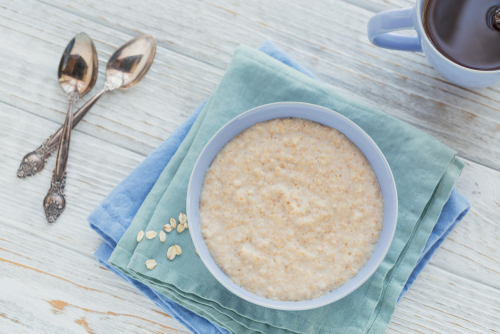
Porridge Oats

Porridge oats are a core breakfast staple in Scotland. Traditionally made with water and salt rather than milk and sugar, porridge has a deep historical connection to Scotland’s agricultural past. Many Scots still prefer the traditional preparation method, though modern variations are common too.

Gravy Granules

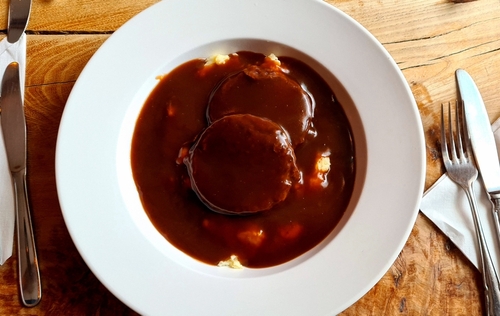
These instant gravy makers are used for quick gravies with mince and tatties (mince and potatoes), a beloved Scottish comfort meal. Gravy granules save time while still delivering the rich, savory flavor expected with hearty dishes.

Brown Sauce

Brown sauce, such as HP Sauce or Scottish varieties, is a common condiment with a full Scottish breakfast. It’s served with square sausage, bacon rolls, and savory pies. The tangy, slightly sweet flavor complements fried foods perfectly.

Diluting Juice (Squash)

This concentrated fruit cordial is diluted with water and remains a staple in Scottish households, especially for children. Unlike many other countries where soda is more common, diluting juice is the go-to drink for many Scottish families.

Tunnock’s Teacakes & Caramel Wafers

These iconic Scottish snack brands are often stored in biscuit tins and represent a taste of home for many Scots. Tunnock’s products are more than just treats—they’re part of Scotland’s cultural identity.

Baking & Tea-Time Essentials

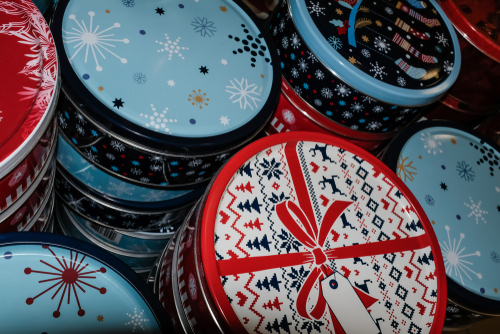
Biscuit Tin

Often decorative metal tins, these containers store shortbread, digestives, and custard creams. The cultural significance of tea and biscuits in Scotland means the biscuit tin is rarely empty for long.

Shortbread Molds or Cutters

Traditional thistle or round designs are used to shape Scotland’s most famous baked good. Shortbread molds are linked to Scottish hospitality traditions, with homemade shortbread often offered to guests.

Tea Caddy

The tea caddy reflects Scotland’s strong tea culture. Loose leaf tea is still common in some households, and proper storage maintains freshness and flavor. Tea is taken seriously here, with preferences for specific brands and brewing methods.

Breakfast & Fry-Up Essentials

Square Sausage Frying Pan

Used to cook Lorne sausage (square sausage) on a flat pan or girdle, this is essential for a proper Scottish breakfast roll. The square shape is distinctly Scottish and allows for even cooking and perfect sandwich assembly.

Egg Cups

Soft-boiled eggs with soldiers (toast strips for dipping) remain a common breakfast in Scotland. Egg cups are practical tableware that many Scottish households wouldn’t be without.

Butter Dish

Real butter is standard in Scottish kitchens and is often kept at room temperature in a butter dish for easy spreading on toast. Margarine is less common here than in some other countries.

Soup & Stew Staples

Large Soup Pot

Essential for making Scotch broth, lentil soup, and Cullen skink (smoked haddock soup). Batch cooking is common in Scotland, where soups and stews are prepared in large quantities and enjoyed throughout the week.

Ladle

A sturdy ladle is essential for serving hearty soups and stews. Scottish cooking often involves one-pot meals that feed the whole family, making a good ladle indispensable.

Cultural Items You’ll Often Find

Tablet Tin

Used for storing homemade Scottish tablet, a crumbly fudge-like sweet made from sugar, condensed milk, and butter. Tablet is a traditional Scottish confection often made at home and gifted to friends and family.

Oatcake Tin

Oatcakes serve as a cheese accompaniment and are a healthier alternative to crackers. They’re made from oats and have a distinctive nutty flavor that pairs well with Scottish cheeses.

Tartan Tea Towels

While practical for drying dishes, tartan tea towels are also culturally symbolic. They add a touch of Scottish pride to everyday kitchen tasks.

Modern Additions with a Scottish Twist

Scottish kitchens aren’t stuck in the past. You’ll increasingly find:

  • Air fryers for quick, crispy cooking
  • Slow cookers for traditional stews with modern convenience
  • Whisky glasses stored in kitchen cupboards for after-dinner drams
  • Coffee pod machines sitting alongside the traditional kettle

These modern appliances complement rather than replace traditional Scottish cooking methods and tools.

What Makes Scottish Kitchens Different from Other UK Kitchens?

While Scottish kitchens share many similarities with kitchens elsewhere in the UK, several distinctions stand out:

Stronger porridge tradition: Porridge is more central to Scottish breakfast culture than in England or Wales, with traditional preparation methods still widely practiced.

Unique condiments: Brown sauce preference is stronger, and certain Scottish brands are specifically favored.

Oat-based products: Oats feature more prominently, from oatcakes to porridge to traditional bannocks.

Regional baking tools: Spurtles, girdles, and shortbread molds are more common in Scottish households than elsewhere in the UK.

Tea culture intensity: While tea is important throughout the UK, Scotland’s tea culture is particularly strong, with specific rituals and preferences.

Frequently Asked Questions (FAQs)

What is a spurtle used for?

A spurtle is a traditional Scottish wooden stick used primarily for stirring porridge. Its unique shape prevents lumps from forming and allows for smooth, even stirring without breaking up the oats. Some households also use spurtles for stirring soups and stews.

What is brown sauce in Scotland?

Brown sauce is a tangy, slightly sweet condiment made from tomatoes, dates, tamarind, and spices. In Scotland, it’s commonly served with full Scottish breakfasts, bacon rolls, square sausage, and savory pies. HP Sauce is the most recognized brand, though Scottish varieties exist.

What do Scots drink besides tea?

Besides tea, Scots commonly drink diluting juice (concentrated fruit cordial mixed with water), coffee, whisky, and Irn-Bru, Scotland’s iconic orange fizzy drink. Hot chocolate and soup are also popular warming beverages, especially during colder months.

Is porridge different in Scotland?

Yes. Traditional Scottish porridge is made with water and salt rather than milk and sugar. It’s stirred with a spurtle and cooked slowly for a creamy consistency. While modern variations exist, many Scots still prefer the traditional preparation method passed down through generations.

What is a girdle in Scottish cooking?

A girdle (also spelled griddle) is a flat iron pan used for cooking Scottish specialties like tattie scones, drop scones, and bannocks. Traditional cast iron girdles are prized for their even heat distribution and the characteristic texture they give to baked goods.

Comfort, Practicality & Tradition Combined

Scottish kitchens prioritize warmth and heartiness, with items reflecting both climate and agricultural history. From the humble spurtle to the ever-ready electric kettle, these essentials represent a blend of tradition and modern convenience.

What makes these kitchens special isn’t just the tools and ingredients—it’s the emphasis on tea culture, baking heritage, and meals that bring comfort on cold, rainy days. Whether you’re preparing traditional porridge with a spurtle or making shortbread with vintage molds, each item connects you to Scotland’s rich culinary traditions.

Understanding these kitchen essentials offers insight into Scottish culture itself: practical, resilient, and deeply rooted in tradition while still embracing modern life.

Sicily stands apart as one of Europe’s most captivating destinations for history lovers. The island’s medieval towns tell stories of conquest, coexistence, and cultural fusion. Each cobblestone street and fortified castle reflects centuries of Greek, Roman, Arab, Norman, and Spanish influence.

Many of Sicily’s medieval settlements were built on hilltops for strategic defense. Their elevated positions offered protection from invaders and pirates who threatened coastal areas. These towns became fortified strongholds, complete with watchtowers, defensive walls, and imposing castles.

What makes Sicilian medieval towns truly unique is their architectural diversity. You’ll find Norman-Arab designs featuring decorative arches alongside Gothic cloisters and Byzantine mosaics. Cathedral squares anchor town centers, while narrow stone streets wind through neighborhoods that have changed little over the centuries.

This guide explores Sicily’s best-preserved medieval villages. You’ll discover which towns deserve a place on your itinerary, learn about their historical significance, and get practical travel tips for visiting these enchanting destinations.

What Defines a Medieval Town in Sicily?
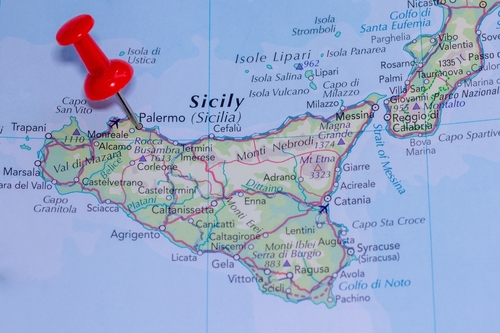
Sicilian medieval towns share distinct characteristics that set them apart from other historic settlements. Understanding these features helps you appreciate what you’re seeing as you explore.

Key Architectural Elements

Most medieval towns in Sicily follow a hilltop defensive layout. High elevation provided natural protection and allowed residents to spot approaching threats. Stone fortifications and castle walls added extra security.

Cathedral-centered piazzas form the heart of these communities. These open squares served as gathering places for religious ceremonies, markets, and civic life. Narrow cobbled streets radiate outward from central squares, creating maze-like networks that once confused invaders.

The architecture reflects multiple cultural influences. Norman conquerors built imposing cathedrals and castles. Arab craftsmen contributed intricate geometric patterns and decorative elements. Gothic arches and cloisters arrived with later European rulers.

Historical Timeline

Sicily’s medieval period began with Arab rule in the 9th century. The Arabs introduced advanced irrigation systems, new agricultural techniques, and distinctive architectural styles. Their influence remains visible in many towns today.

The Norman conquest in the 11th and 12th centuries marked a turning point. Norman rulers preserved Arab achievements while adding their own grand buildings. This Norman-Arab fusion created some of Sicily’s most remarkable structures.

Swabian and Aragonese periods followed, each adding new layers to Sicily’s architectural heritage. The devastating earthquake of 1693 forced many towns to rebuild, often blending medieval layouts with Baroque styling.

The Most Beautiful Medieval Towns in Sicily

1. Erice

Erice commands dramatic views from its perch high above Trapani. This western Sicilian town feels like stepping into another era. Stone-paved streets wind past ancient buildings, leading to the Norman Castello di Venere.

The castle sits atop a cliff where a temple to Venus once stood. From its ramparts, you can see the Egadi Islands and the coast stretching toward Tunisia. On clear days, the panoramic views are breathtaking.

Medieval stone houses line Erice’s narrow lanes. The town’s elevated position means fog often rolls in, creating an atmospheric setting. Spring and autumn offer the best weather for exploring.

2. Cefalù
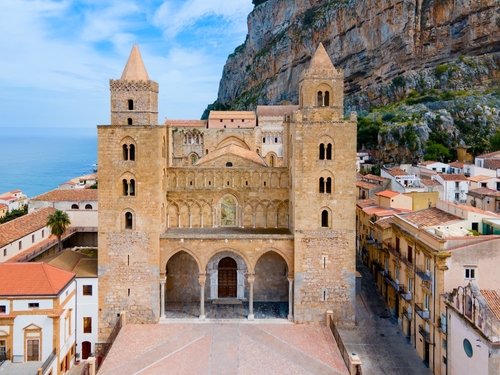
Cefalù combines coastal charm with medieval grandeur. The town’s Norman cathedral is a UNESCO World Heritage site, featuring stunning Byzantine mosaics inside. Its twin towers dominate the skyline.

Arab-Norman architecture appears throughout the old town. The medieval washhouse, built into natural rock formations, still holds water from mountain springs. Narrow streets filled with shops and restaurants connect historic landmarks.

Visit during spring or early autumn to avoid summer crowds. The beach below the medieval center makes Cefalù perfect for combining history with relaxation.

3. Taormina

Taormina’s medieval Corso Umberto runs through the town center, lined with shops, cafes, and historic buildings. The Palazzo Corvaja dates to the 15th century and showcases Arab, Norman, and Gothic elements.

While Taormina is famous for its ancient Greek theatre, the town’s medieval heritage deserves equal attention. Stone archways, small piazzas, and hidden courtyards reveal centuries of continuous habitation.

Summer brings large crowds, so consider visiting in spring or autumn. Winter offers a quieter atmosphere, though some attractions may have reduced hours.

4. Ragusa Ibla
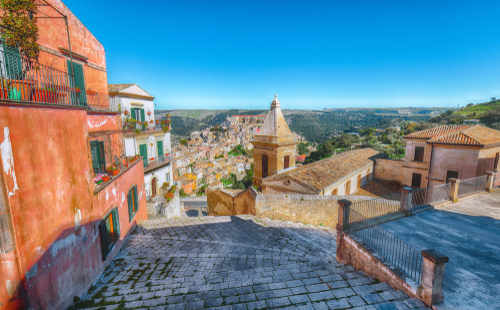
Ragusa Ibla forms part of the Val di Noto UNESCO site. The 1693 earthquake destroyed much of the original town, leading to a Baroque rebuild. However, the medieval street layout survived beneath the new architecture.

The town cascades down a hillside in layers. Stone staircases connect different levels, creating a three-dimensional maze. Churches and palaces emerge around every corner.

Ragusa Ibla works well as a base for exploring southeastern Sicily. The town has excellent restaurants serving traditional dishes in historic settings.

5. Modica
Modica spreads across two valleys and multiple hillsides. Medieval origins show through despite extensive Baroque rebuilding after 1693. Castle ruins crown the highest point, offering views over the layered town below.

The town’s famous chocolate tradition dates back centuries. Small shops still make chocolate using ancient methods. Narrow lanes wind between tall buildings, creating dramatic vertical streetscapes.

Spring brings comfortable temperatures for climbing Modica’s many staircases. The town lights up beautifully at night.

6. Castelbuono
Castelbuono sits in the Madonie Mountains, surrounded by natural beauty. The Norman Castello dei Ventimiglia dominates the town center. This well-preserved fortress now houses a museum and hosts cultural events.

The town maintains an authentic village atmosphere. Locals gather in the central piazza, and traditional shops outnumber tourist-oriented businesses. Stone buildings line steep streets that climb toward the castle.

Castelbuono offers a quieter alternative to more famous destinations. Visit in spring to enjoy mountain wildflowers and pleasant hiking weather.

7. Savoca
Savoca perches on a rocky outcrop with sweeping valley views. Medieval churches contain important artworks, and ancient catacombs hold mummified remains. Stone alleyways connect small piazzas.

The town gained fame as a filming location for The Godfather. Bar Vitelli, where Michael Corleone met Apollonia’s father, still serves visitors. Beyond movie connections, Savoca rewards exploration with authentic medieval character.

The town sees fewer tourists than coastal destinations. Summer can be hot, so spring and autumn offer more comfortable conditions.

8. Caccamo
Caccamo boasts one of Sicily’s largest and best-preserved castles. The fortress rises dramatically above the countryside, visible from miles away. Inside, you can explore halls, towers, and defensive structures.

The medieval town below the castle retains authentic charm. Few international tourists make the journey, so Caccamo feels genuinely local. Stone houses crowd narrow streets that follow the hillside’s natural contours.

Visit any time of year, but spring offers the greenest landscapes. The castle provides shade during summer heat.

Architectural Influences in Sicilian Medieval Towns

Norman-Arab-Byzantine Fusion

Sicily’s most distinctive architecture comes from the Norman period. Norman rulers employed Arab craftsmen and incorporated Byzantine traditions, creating a unique style.

Decorative arches feature geometric patterns and colorful stonework. Cathedral interiors display elaborate mosaics depicting religious scenes. Fortress-like churches combine defensive features with spiritual purpose.

Gothic and Catalan Influences
Later rulers introduced Gothic elements. Pointed arches, ribbed vaults, and rose windows appeared in churches and civic buildings. Stone carvings became more elaborate.

Catalan influences arrived with Aragonese rule. Cloisters with ornate columns and courtyard gardens became common in monasteries and noble residences.

Earthquake Rebuilding
The 1693 earthquake devastated southeastern Sicily. Reconstruction introduced Baroque styling while often preserving medieval street layouts. This combination creates towns with multiple architectural layers.

Many medieval foundations support Baroque façades. Towns like Ragusa and Modica demonstrate how communities adapted while maintaining connections to their past.

Best Medieval Castles in Sicily

Castello di Caccamo

This massive fortress ranks among Sicily’s most impressive castles. Built in the 12th century, it served both military and residential purposes. Visitors can explore towers, courtyards, and halls that once housed Norman nobles.

The castle’s position provides strategic views over surrounding valleys. Defensive walls remain largely intact, showing medieval military architecture at its finest.

Castello di Erice
The Norman castle stands where ancient temples once honored Venus. Its location atop a sheer cliff made it nearly impregnable. Though partly ruined, the remaining structures convey medieval power.

The surrounding walls enclose gardens offering spectacular coastal views. On clear days, you can see Tunisia across the Mediterranean.

Castello Ursino (Catania)

Built by Frederick II in the 13th century, this Swabian castle originally stood near the sea. Lava flows from Mount Etna changed the coastline, leaving the fortress inland. The castle now houses Catania’s civic museum.

Its square design with round corner towers represents advanced medieval military architecture. The building survived earthquakes that destroyed much of Catania.

Castello di Mussomeli

This dramatic castle perches on a rocky outcrop in central Sicily. Built in the 14th century, it features Gothic and Arab influences. The setting feels almost theatrical, with the fortress seemingly growing from the cliff.

Restoration work has made parts accessible to visitors. The interior includes a chapel, living quarters, and defensive positions. Views extend across the surrounding countryside.

Things to Do in Medieval Towns in Sicily

Exploring historic piazzas offers insights into daily life through centuries. These central squares host markets, festivals, and social gatherings. Observe local interactions while enjoying coffee at outdoor cafes.

Visit cathedrals and monasteries to see medieval religious art and architecture. Many contain treasures like Byzantine mosaics, carved altarpieces, and ancient frescoes. Respectful visitors are usually welcome during non-service hours.

Walk ancient defensive walls where possible. These elevated paths provide excellent views and help you understand each town’s strategic layout. Some towns offer guided tours explaining defensive systems.

Try traditional Sicilian cuisine in old stone trattorias. Many restaurants occupy medieval buildings, creating atmospheric dining experiences. Local dishes often follow recipes passed down through generations.

Attend local festivals if your timing allows. Medieval towns celebrate patron saints, historical events, and seasonal traditions. These festivals provide authentic cultural experiences.

When to Visit Sicily’s Medieval Towns

Spring (April through June) offers ideal conditions for exploring. Temperatures stay comfortable for walking steep streets. Wildflowers bloom in the countryside, and crowds remain manageable.

Autumn (September and October) provides similar advantages. Harvest season brings special foods to markets and restaurants. The light takes on a golden quality perfect for photography.

Summer heat can be intense, especially in inland hilltop towns. If visiting then, plan activities for morning and evening, resting during midday. Coastal medieval towns like Cefalù offer beach relief.

Winter brings quiet charm and occasional rain. Some attractions reduce hours, but you’ll find authentic local atmosphere. Christmas and Easter celebrations in medieval settings create memorable experiences.

Suggested Itineraries
3-Day Western Sicily Medieval Route

Start in Palermo to see Norman heritage including the Palazzo dei Normanni and Cathedral. Drive to Erice on day two, spending the afternoon exploring its medieval streets and castle. Finish at Caccamo on day three, visiting the impressive fortress.

This route covers about 200 kilometers. Rent a car for flexibility, as public transport between smaller towns can be limited.

5-Day Eastern Sicily Route

Begin in Taormina, exploring medieval streets and the dramatic coastline. On day two, visit nearby Savoca and other small medieval villages. Days three and four focus on Ragusa Ibla and Modica, with time to appreciate their layered architecture. Spend day five exploring the baroque-medieval fusion of Noto or returning to favorite spots.

This itinerary covers Sicily’s southeastern corner, where multiple UNESCO sites cluster together. Distances are manageable, allowing leisurely exploration.

Hidden Medieval Gems (Less Crowded Options)

Petralia Soprana

This Madonie Mountain village sits at high elevation, offering mountain views and cool summer temperatures. Medieval streets wind between stone houses, leading to a central piazza. The town sees few international visitors.

Gangi

Recognized as one of Italy’s most beautiful villages, Gangi cascades down a hillside. Medieval character remains strong despite later additions. The town hosts traditional festivals that draw primarily Italian visitors.

Sperlinga

Sperlinga’s castle is carved partly into natural rock formations. This unusual medieval fortress creates a striking sight. The small town surrounding it maintains authentic village life.

Novara di Sicilia

Perched in the Peloritani Mountains, Novara di Sicilia offers medieval architecture and mountain scenery. Stone streets, ancient churches, and fortress ruins reward visitors who make the journey.

Frequently Asked Questions (FAQs)

What is the most beautiful medieval town in Sicily?

Erice and Cefalù rank among the most beautiful, each offering distinct character. Erice impresses with dramatic hilltop positioning and fog-shrouded streets. Cefalù combines a stunning Norman cathedral with coastal setting. Personal preference depends on whether you prefer mountain or seaside medieval towns.

Are there still castles in Sicily?

Yes, Sicily has numerous well-preserved medieval castles. Notable examples include Castello di Caccamo, Castello di Erice, and Castello Ursino in Catania. Many are open to visitors and offer insights into medieval military architecture and noble life.

Which Sicilian towns are UNESCO-listed?

Several medieval towns hold UNESCO status. Cefalù’s cathedral is part of the Arab-Norman Palermo site. The Val di Noto towns including Ragusa, Modica, and Noto earned recognition for late Baroque architecture built on medieval foundations.

When were most medieval towns in Sicily built?

Most date primarily to the Norman period (11th-12th centuries), though many occupy sites with earlier settlements. Arab rulers (9th-11th centuries) established or expanded many locations. Later periods added to existing medieval cores rather than creating new towns.

Are medieval towns in Sicily walkable?

Yes, but expect steep streets and staircases in hilltop locations. Most historic centers ban cars, making walking the only option. Comfortable shoes are essential. Mobility-impaired visitors should research specific towns, as accessibility varies significantly.

Why Sicily’s Medieval Towns Remain Timeless

Sicily’s medieval towns offer something rare: authentic encounters with layered history. The unique blend of Arab, Norman, Byzantine, and European cultures created architecture and urban spaces found nowhere else.

Dramatic landscapes enhance the experience. Hilltop positions place these towns against stunning backdrops of mountains, valleys, or coastline. Sunset views from ancient ramparts create unforgettable moments.

These remain living communities, not open-air museums. Residents go about daily life in medieval settings, maintaining traditions while adapting to modern needs. This authenticity distinguishes Sicilian medieval towns from more touristed European destinations.

Exploring beyond major cities reveals Sicily’s true character. Small medieval villages preserve ways of life and architectural heritage that disappeared elsewhere. Each town tells distinct stories while contributing to Sicily’s rich historical tapestry.

Plan your journey to include several medieval destinations. The island’s compact size makes visiting multiple towns feasible, even on shorter trips. Each discovery deepens your appreciation for Sicily’s remarkable heritage.

As part of our celebration of traditional foods, Remitly is diving deep into the rich culinary history of our customers. Today, we are unveiling the secrets of one of Bolivia’s most iconic dishes: salteñas.

Bolivia is a landlocked country in South America, known for its diverse geography that includes the Andean mountain range, the Atacama Desert, and the Amazon rainforest. Its cultural heritage is a blend of indigenous and Spanish influences, evident in everything from its music to its cuisine.

History of Salteñas

Salteñas have long been a staple in Bolivian households, cherished not just as a food but as a symbol of Bolivia’s vibrant history.

Most believe that salteñas were inspired by a combination of Spanish and indigenous recipes, resulting in the perfect mid-morning snack that we know and love today.

##Salteñas: Meaning and Variations

The term “salteñas” originates from Salta, a region in Argentina. However, Bolivia has since adopted and transformed the dish into a distinctly Bolivian empanada.

There are variations of salteñas which can be found throughout Latin America, but the Bolivian salteñas have a unique flavor and consistency.

Salteñas vs Empanadas: The Difference

While both salteñas and empanadas are pastries filled with meat or chicken, they differ in preparation and taste.

Empanadas, a popular street food throughout Latin American countries, are often crispier. In contrast, Bolivian salteñas are juicy with a gelatinous filling, often requiring a careful bite to prevent spilling.

Common Ingredients

Salteñas boast a mix of ingredients that are both flavorful and aromatic.

These include ground beef or chicken breast, hard-boiled eggs, diced bell pepper, black olives, paprika, achiote, cumin, oregano, and aji.

Classic Recipe for Bolivian Salteñas

To make authentic Bolivian salteñas, follow this guideline:

  1. Preparation: Prep time is usually about 2 hours with a cook time of 20-25 minutes.
  2. Begin by preparing the jigote, a stew-like filling. In a large bowl, mix diced chicken breast or ground beef with black pepper, paprika, ground cumin, achiote, and other spices. Add chicken broth or beef broth, ensuring that it’s thickened with unflavored gelatin.
  3. For the dough, in another bowl, mix all-purpose flour, lard, egg yolks, and hot water. The dough should be smooth and pliable.
  4. Preheat your oven and line a baking sheet with parchment paper.
  5. On a floured surface, roll out the dough, then cut into circles. Fill each with the jigote, black olives, hard-boiled eggs, and a slice of bell pepper.
  6. Seal the edges, place on the baking sheet, and brush with an egg wash.
  7. Bake until golden brown, then serve with llajua, a Bolivian spicy sauce.

3 Fascinating Facts about Salteñas

  1. They are traditionally enjoyed as a mid-morning snack in Bolivia.
  2. The ideal salteña should not leak its juices when bitten into.
  3. They are rich in nutrients, including potassium, calcium, and carbohydrates, though they are also high in cholesterol.

Salteñas: Do They Really Come from Salta?

There’s an intriguing debate about the origin of salteñas. While some believe they come from Bolivia, others claim that they originate from Salta, Argentina.

The most popular story credits Juana Manuela Gorriti, a woman from Salta, with creating the first salteña recipe during her stay in Potosí, Bolivia.

More about Bolivian Cuisine

Bolivia’s culinary scene is vast and varied. From pollo (chicken) dishes to various breads and spicy sauces, Bolivian cuisine represents a fusion of indigenous and Spanish influences, making it a treasure trove of flavors waiting to be explored.

About Remitly

Visit the homepage, download our app, or check out our Help Center to get started.